
Basement Waterproofing Services in New Brunswick, NJ: Practical Solutions for Moisture Control and Flood Prevention
Basement waterproofing protects New Brunswick homeowners from water damage, mold, and costly repairs. This guide concisely explains common leak mechanisms, the environmental and structural factors that worsen moisture, and the practical waterproofing options that work best locally. With this information you can choose systems that control humidity and lower flood risk, and know when to call a professional.
Key Takeaways
- Waterproofing keeps basements dry and prevents mold in New Brunswick homes.
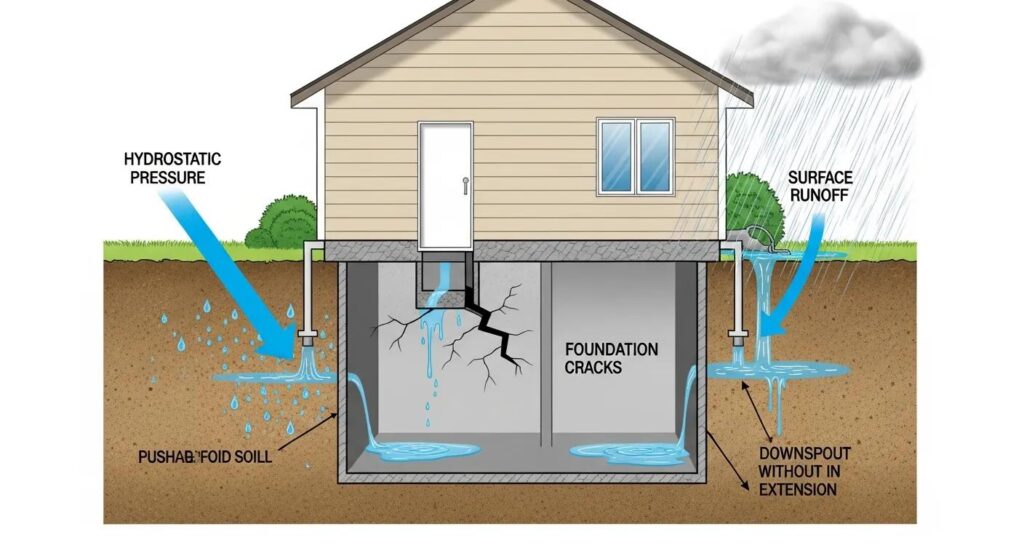
- Hydrostatic pressure, foundation cracks, and poor drainage are common causes of water entry.
- Local groundwater and climate conditions shape the right waterproofing strategy.
- Sump pumps and French drains are proven methods for removing and redirecting water.
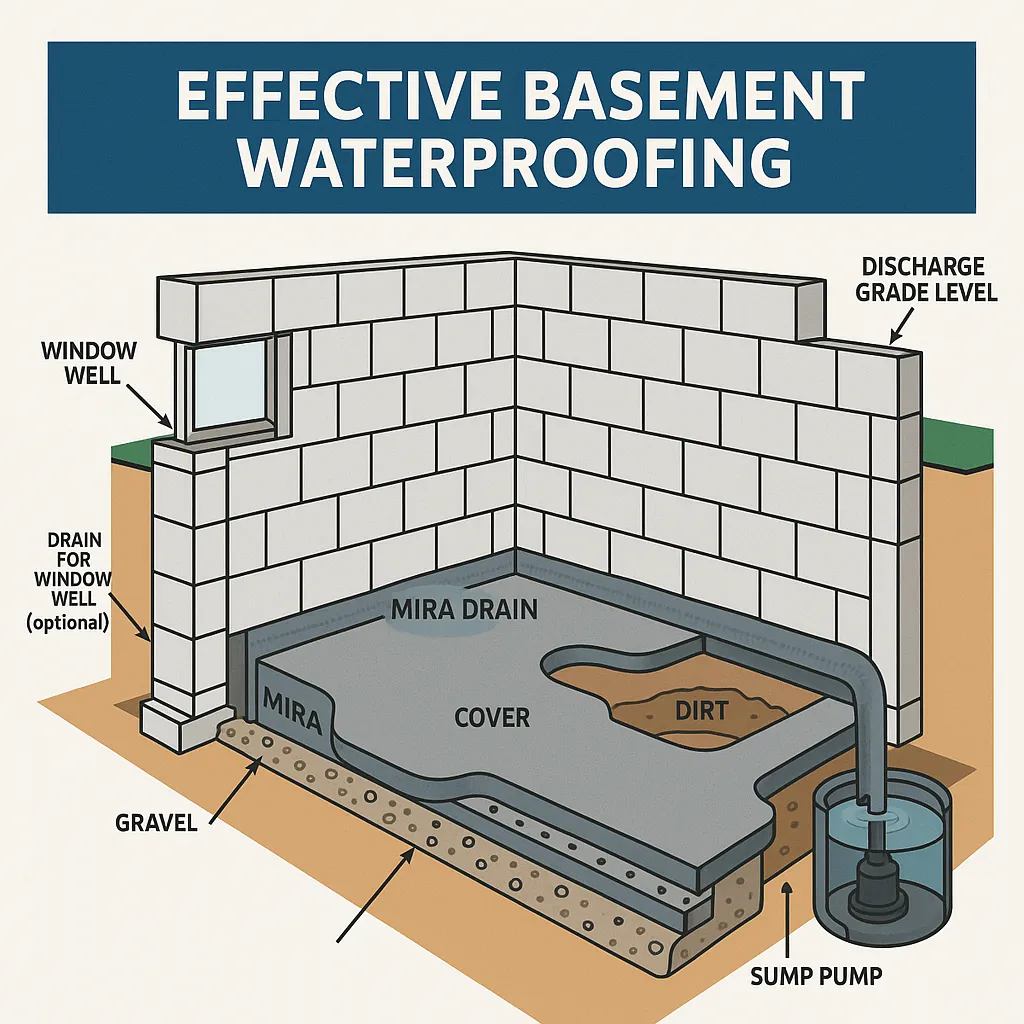
- Interior systems manage existing water; exterior systems stop water before it reaches the foundation.
- Crawl space encapsulation lowers moisture, improving air quality and energy performance.
- Professional sump pump installation ensures proper sizing, placement, and code compliance.
- Routine maintenance prolongs pump life and reduces the risk of basement flooding.
- Effective waterproofing controls humidity and significantly lowers mold risk.
What Causes Basement Water Intrusion in New Brunswick Homes?
Water finds any path through or beneath the foundation. Common causes are hydrostatic pressure from high groundwater, foundation cracks caused by settling or movement, and surface runoff directed at the house by poor grading or gutters. Addressing these three sources is the starting point for effective waterproofing.
How Do Environmental and Structural Factors Lead to Basement Moisture?
Cool, humid conditions and limited ventilation increase condensation on cold walls and floors. Structural issues—missing membranes, inadequate detailing, or low-quality materials—allow water to enter or accumulate. Identifying both environmental and construction-related contributors helps target lasting repairs.
Why Is Understanding Local Groundwater and Climate Important for Waterproofing?
Soil type, seasonal groundwater levels, and storm patterns determine the scale and type of waterproofing needed. Clay soils and high water tables increase hydrostatic pressure and often call for perimeter drainage and a reliable sump system; better-draining soils may allow simpler options.
Which Basement Waterproofing Methods Are Best for New Brunswick Properties?
Choose methods based on cause and site conditions:
- Sump Pump Installation: Collects and expels accumulated water from a pit to prevent flooding.
- French Drain Installation: Channels subsurface water away from the foundation to lower hydrostatic pressure.
- Crawl Space Encapsulation: Seals crawl spaces to stop ground moisture, stabilize humidity, and improve air quality.
Effective Basement Solutions offers these options and tailors systems to each home’s issues and site conditions to ensure durable protection.
What Are the Differences Between Interior and Exterior Waterproofing Solutions?
Interior systems (drains, sump pumps, interior coatings) control water already inside and are less invasive to install. Exterior systems (membranes, drainage board, perimeter drains) prevent water from reaching the foundation but usually require excavation. Often a combined approach gives the best long-term protection.
How Does Crawl Space Waterproofing Complement Basement Moisture Control?
Encapsulation prevents ground moisture from entering the home, reduces allergens and mold risk, protects structure, and can improve energy performance. As part of a whole-house moisture plan, it supports basement waterproofing by lowering overall humidity.
How Does Sump Pump Installation Prevent Basement Flooding?
Sump pumps lower the local water table around the foundation, reducing hydrostatic pressure and preventing standing water. Reliable performance depends on correct sizing, a proper discharge path, and routine maintenance.
What Are the Benefits of Professional Basement Sump Pump Installation?
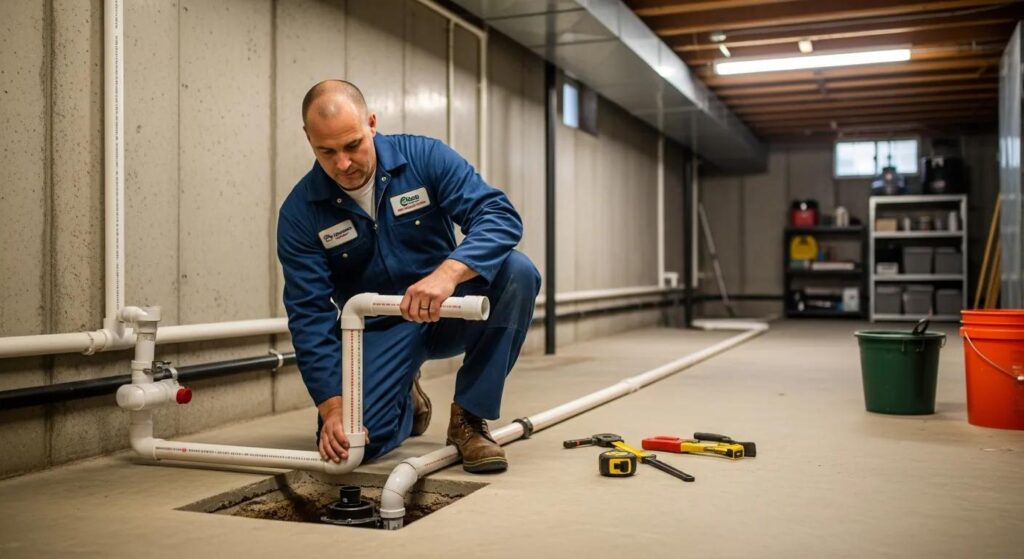
Professionals select appropriate pump capacity, install a sloped basin and check valves, and ensure a clear discharge route that meets local code. Proper installation reduces failure risk and often saves money over time by avoiding premature replacement or repairs.
How Should Homeowners Maintain Sump Pumps for Optimal Performance?
Simple, regular maintenance keeps sump pumps ready when storms hit:
- Regular Inspections: Check the pump and float move freely and remove debris from the basin.
- Monthly Testing: Pour water into the pit to confirm the pump starts, discharges, and shuts off properly.
- Annual Professional Service: Have a technician inspect electrical connections, test backups, and service mechanical parts each year.
These checks extend pump life and reduce the chance of unexpected failure during heavy rainfall.
What Are the Signs, Costs, and Prevention Strategies for Mold and Water Damage?
Watch for stains, peeling paint, efflorescence, musty odors, or damp spots after rain. Remediation can be costly, so prevention—regular inspections, sealing cracks, improving ventilation, and effective waterproofing—is more economical than repair.
How Can Basement Waterproofing Reduce Mold Growth Risks?
By stopping water entry and controlling humidity, waterproofing makes surfaces less hospitable to mold. Combined with ventilation and dehumidification, these measures protect both structure and occupant health.
What Are Typical Costs and Financing Options for Waterproofing Services in New Brunswick?
Costs vary by method and scope; many comprehensive interior systems fall in the mid-range, while extensive exterior excavation raises prices. Contractors commonly offer financing or payment plans and provide free inspections and estimates—ask about warranties and available plans when comparing bids.
For more information on how to protect your home, consider exploring basement waterproofing services.
Effective Basement Solutions is a trusted provider of waterproofing solutions in the area.
To learn more about our services and how we can help, visit Effective Waterproofing today.
Frequently Asked Questions
What are the long-term benefits of basement waterproofing?
Waterproofing protects the structure, reduces repair risk, can preserve or increase property value, and improves indoor air quality by lowering mold risk.
How can I tell if my basement needs waterproofing?
Look for water stains, peeling paint, efflorescence, musty odors, condensation, or damp spots after rain; a professional assessment will identify causes and solutions.
Are there DIY options for basement waterproofing?
DIY steps like sealing visible cracks, improving grading, and keeping gutters clear help short-term but may not address hydrostatic pressure or failing membranes; complex issues need professionals.
What is the role of drainage systems in basement waterproofing?
Drainage systems move water away from the foundation and lower hydrostatic pressure. Interior drains with sump pumps manage incoming water; exterior perimeter drains redirect groundwater before it reaches the foundation.
How often should I have my basement waterproofing system inspected?
Inspect at least annually and after major storms to ensure pumps, drains, and backups work and to catch minor issues early.
What financing options are available for basement waterproofing services?
Many contractors offer financing plans, low-interest loans, or staggered payments; get free estimates to compare costs and terms before deciding.
Conclusion
Investing in basement waterproofing in New Brunswick, NJ, protects your home from water damage and mold while improving comfort and long-term value. Choose the right mix—sump pumps, French drains, exterior membranes, or crawl space encapsulation—based on causes and site conditions. Professional services ensure properly designed systems and code-compliant installation; start with a free inspection to identify the best approach for your home.