
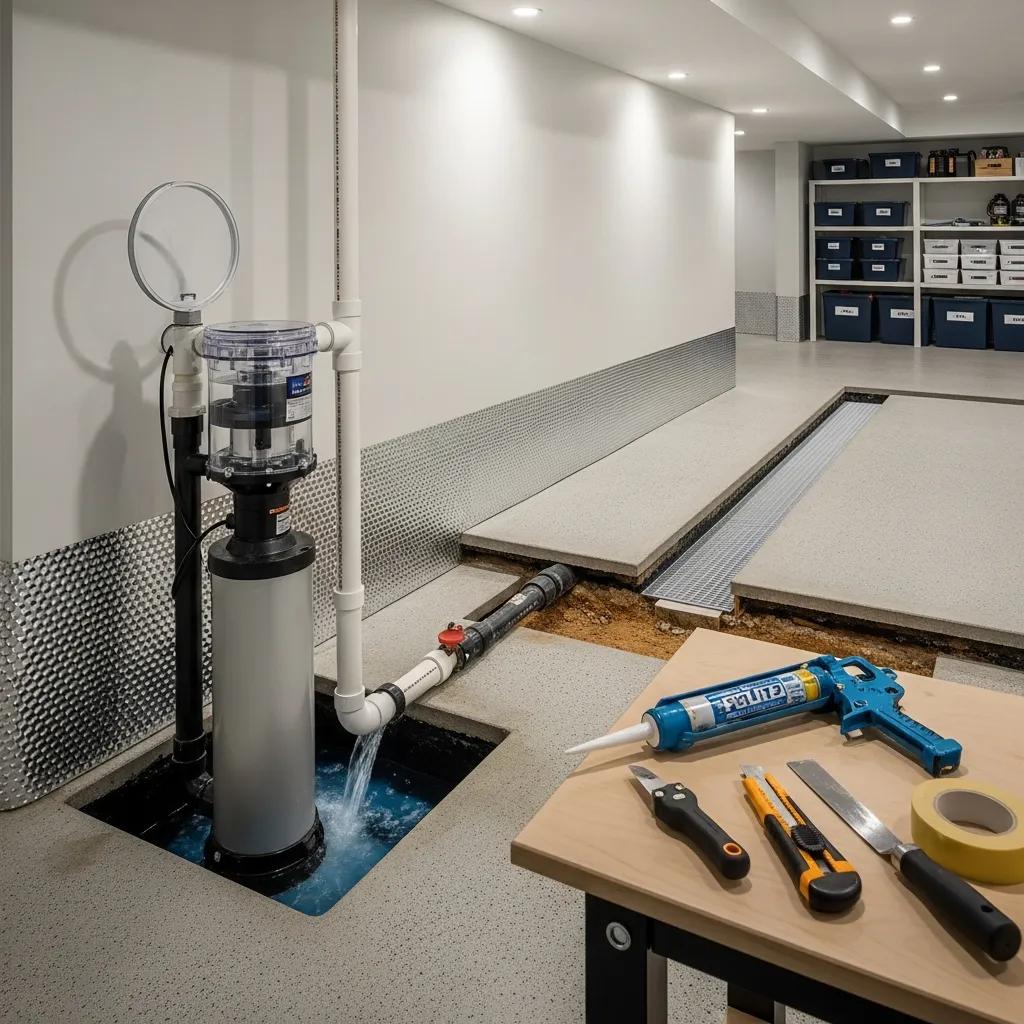
Basement Waterproofing in Fort Lee, NJ — Practical, Long‑Lasting Solutions for Moisture Control & Leak Repair
Basement waterproofing helps Fort Lee homeowners prevent water damage and protect structural integrity. This concise guide covers common leak causes, how moisture harms a home, effective waterproofing options, and practical maintenance steps so you can keep your basement dry and avoid costly repairs.
What common causes lead to basement leaks in Fort Lee homes?
Leaks usually stem from a few predictable problems; identifying the cause helps you choose the right fix.
- Hydrostatic Pressure: Groundwater pushing on foundation walls can force water through joints and openings.
- Foundation Cracks: Settling or movement creates cracks that let water in.
- Poor Drainage Systems: Improper grading, clogged gutters, or blocked downspouts let water collect near the foundation.
Addressing these sources early reduces repair scope and cost.
How does water intrusion affect basement integrity?
Water damages finishes and structural elements, causes rot and warped framing, and promotes mold growth that harms indoor air quality and occupant health. Fixing problems early prevents progressive structural issues and expensive repairs.
What signs indicate basement water damage?
Watch for clear indicators of moisture so you can act promptly:
- Visible Damp Spots: Dark stains or wet areas on walls and floors.
- Musty Odors: Persistent mildew smells indicate long‑term dampness.
- Mold Growth: Any visible mold needs prompt remediation and source control.
Early recognition makes repairs simpler and cheaper.
Which basement waterproofing methods work best for Fort Lee properties?
The right method depends on source and severity; common, effective options include:
- Sump Pump Installation: Removes collected water from a sump basin to prevent flooding.
- French Drain Installation: Redirects water away from the foundation to reduce pressure on walls.
- Crawl Space Encapsulation: Uses vapor barriers and ventilation to stop moisture entry and improve air quality.
Hiring professional basement waterproofing services ensures proper sizing and installation for lasting protection.
How do interior and exterior waterproofing techniques compare?
Both work—interior systems manage water already inside (sealants, interior drains, sump systems), while exterior work (excavation, membranes, perimeter drains) prevents water from reaching the foundation. Exterior methods are typically more preventative; interior solutions are practical when excavation isn’t feasible or when treating existing interior issues.
- Interior Waterproofing: Controls and redirects water that enters the basement.
- Exterior Waterproofing: Keeps water away from the foundation before it penetrates.
What role does sump pump installation play in flood prevention?
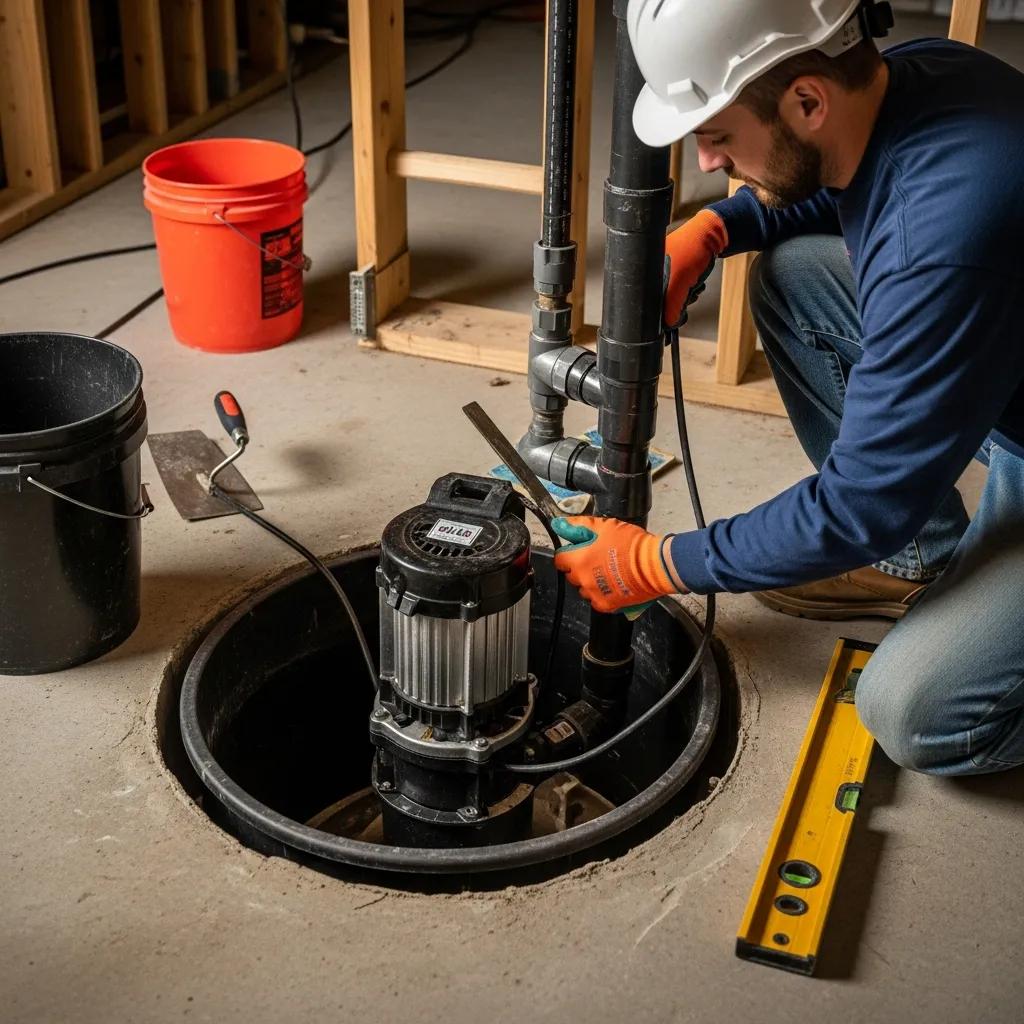
Sump pumps remove standing water from a sump basin and reduce hydrostatic pressure on foundation walls, lowering flood and mold risk. Regular maintenance—testing the pump and float, and keeping the pit clear—ensures reliable performance during storms.
How can crawl space and foundation waterproofing protect your Fort Lee home?
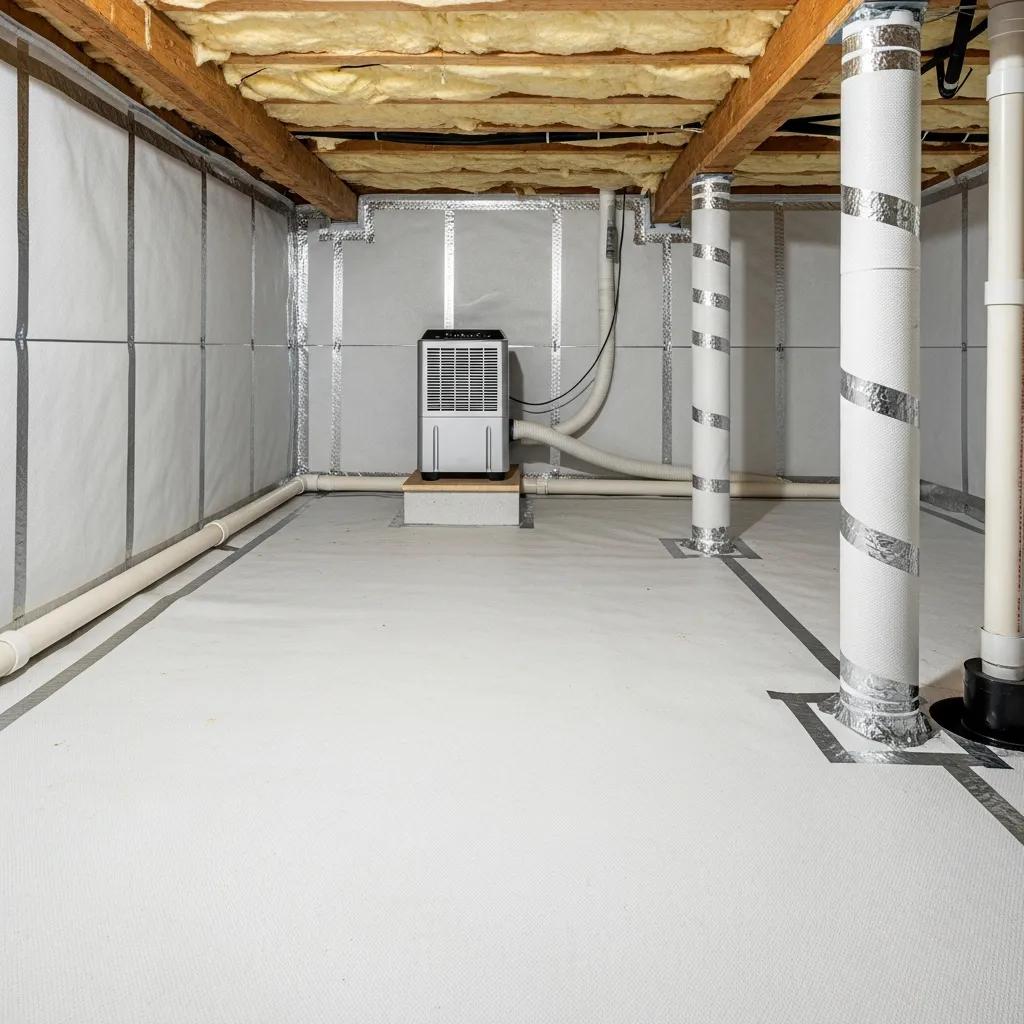
Crawl space and foundation waterproofing prevent moisture entry, reduce mold risk, improve indoor air quality, and can boost energy efficiency by reducing drafts and humidity-driven load on HVAC systems.
- Mold Prevention: Sealing crawl spaces limits conditions that support mold.
- Improved Indoor Air Quality: Stops soil gases and moisture from entering living spaces.
- Energy Efficiency: Sealed spaces help stabilize temperatures and reduce HVAC strain.
Professional waterproofing solutions are often worth the investment for long-term protection.
What are the benefits of crawl space encapsulation in NJ?
Encapsulation provides measurable benefits for New Jersey homes:
- Improved Indoor Air Quality: Prevents moisture and soil pollutants from entering the air supply.
- Energy Efficiency: Stabilizes temperatures and can lower heating/cooling costs.
- Structural Protection: Keeps moisture away from wood and foundation elements to prevent rot.
For many homeowners, encapsulation is a cost-effective way to protect health and the structure.
How does foundation waterproofing prevent structural damage?
Foundation waterproofing uses membranes, sealants, and drainage systems to keep water away from load-bearing elements. When the foundation remains dry, the risks of wood rot, corroded fasteners, and mold are reduced, helping avoid expensive structural repairs.
What are the costs and maintenance tips for basement waterproofing in Fort Lee?
Typical services, rough cost ranges, and key maintenance tasks:
| Service | Typical Cost | Maintenance Tips |
|---|---|---|
| Sump Pump Installation | $1,200 – $2,500 | Test the pump regularly, keep the pit clean, and inspect the discharge line. |
| French Drain Installation | $1,500 – $3,000 | Maintain grading, clear surface drains, and keep debris out of the system. |
| Crawl Space Encapsulation | $2,000 – $5,000 | Check seals, monitor humidity, and repair vapor barriers as needed. |
Targeted investments and routine upkeep can prevent much larger repair bills later.
How much does basement leak repair typically cost in Fort Lee?
Costs vary with severity and method. Local repairs may start around several hundred dollars; more extensive waterproofing work can run into the low thousands. Get multiple quotes to compare approaches and warranties.
What are essential maintenance practices for long-term moisture control?
Simple, regular habits extend the life of waterproofing systems:
- Regular Inspections: Check for new stains, cracks, or dampness and address issues quickly.
- Sump Pump Testing: Run checks seasonally (or monthly in wet periods) to ensure the pump and backups work.
- Humidity Monitoring: Use a hygrometer and run a dehumidifier when needed.
Routine attention prevents small problems from becoming major failures.
Frequently Asked Questions
What is the best time of year to perform basement waterproofing in Fort Lee?
Late spring through early fall is ideal—drier ground and milder weather make excavation and material curing easier.
Can I waterproof my basement myself, or should I hire a professional?
DIY can be acceptable for small tasks, but professionals provide diagnosis, properly sized systems, and warranties that reduce the risk of repeat problems.
How long does basement waterproofing last?
Life span varies by method and materials; professionally installed systems commonly last a decade or more with proper maintenance.
What are the environmental impacts of basement waterproofing materials?
Many modern products are low‑VOC and water‑based; ask contractors about certifications and disposal to minimize environmental impact.
Are there any health risks associated with basement moisture?
Yes—chronic dampness promotes mold and mildew, which can trigger allergies and respiratory issues; standing water also attracts pests.
What should I do if I notice water damage in my basement?
Stop the source if possible, remove standing water, dry and document the damage, and contact a qualified waterproofing contractor to diagnose and fix the root cause.
Conclusion
Effective basement waterproofing gives Fort Lee homeowners lasting protection and peace of mind. Understand leak causes, choose appropriate remedies—from sump pumps and French drains to crawl space encapsulation—and maintain systems regularly. Schedule an inspection with a trusted professional to protect your home from moisture problems.