Basement Waterproofing Fairfield NJ | Effective Basement Solutions
Basement waterproofing is essential for homeowners in Fairfield, NJ, as it protects properties from water damage and mold growth. This comprehensive guide will explore how to identify basement water problems, the best waterproofing methods, and the importance of sump pump installation. Homeowners often face challenges with moisture control, which can lead to significant structural issues and health risks. By understanding the signs of water intrusion and effective solutions, you can ensure a safe and dry basement environment. This article will cover key topics, including identifying water problems, waterproofing methods, sump pump benefits, costs, and financing options, as well as mold prevention strategies.
Indeed, preventing water leakage is paramount, as research highlights its critical role in averting structural damage and health hazards.
Preventing Water Leakage & Mold: Essential Waterproofing Techniques
Water leakage or water seepage is one of the major causes of common building defects. Leakage leads to dampness, corrosion of metals, fungal growth and also affects the structural properties of concrete as well as damage beauty of the structure. It also has an adverse effect on human health by creating unpleasant condition. If water leakage can be prevented, almost 80% building defects can be eliminated. Thus, selecting the best method for waterproofing plays a vital role in the safety of the structure.
Comparative study of conventional and modern waterproofing techniques, AN Ghadge, 2016
How Do You Identify Basement Water Problems in Fairfield NJ?
Identifying basement water problems is crucial for maintaining a safe and healthy home. Homeowners should be vigilant for signs of moisture intrusion, which can lead to severe structural damage and health issues. Common indicators include visible damp spots, musty odors, and efflorescence on walls. Regular inspections after heavy rainfall can help catch potential issues early, allowing for timely intervention.
What Are the Common Signs of Basement Leaks and Moisture?
Common signs of basement leaks and moisture include:
- Visible Damp Spots: Look for wet patches on walls or floors, which indicate water intrusion.
- Musty Odors: A persistent musty smell often signals mold growth due to moisture.
- Efflorescence: White, powdery residue on walls suggests water seeping through the foundation.
Recognizing these signs early can prevent more extensive damage and costly repairs.
How Does Water Intrusion Lead to Mold Growth and Health Risks?
Water intrusion creates an environment conducive to mold growth, which poses significant health risks. Mold thrives in damp conditions, leading to respiratory issues, allergic reactions, and other health problems. Symptoms of mold exposure can include coughing, sneezing, and skin irritation. Long-term exposure may result in more severe health complications, making it essential to address water issues promptly.
What Are the Best Basement Waterproofing Methods for NJ Homes?
Effective basement waterproofing methods are vital for protecting homes in New Jersey. Various techniques can be employed to prevent water intrusion and ensure a dry basement. Homeowners should consider both interior and exterior solutions to achieve optimal results.
How Do Interior Waterproofing Techniques Protect Your Basement?
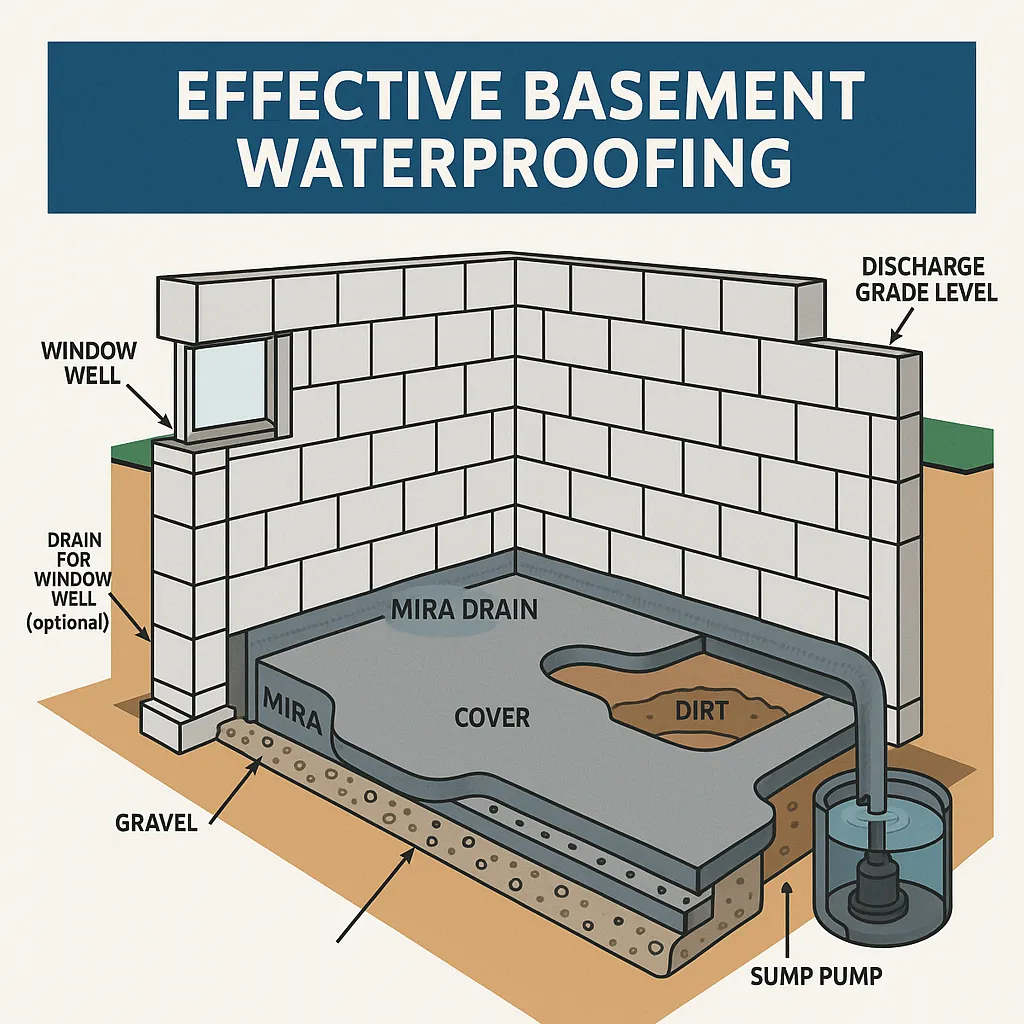
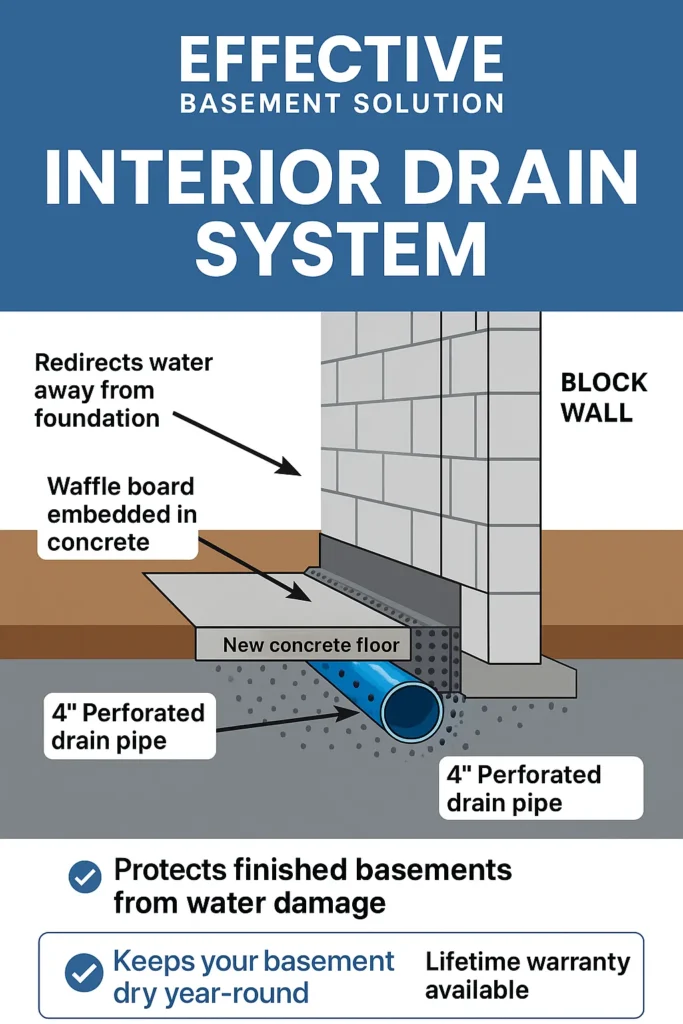
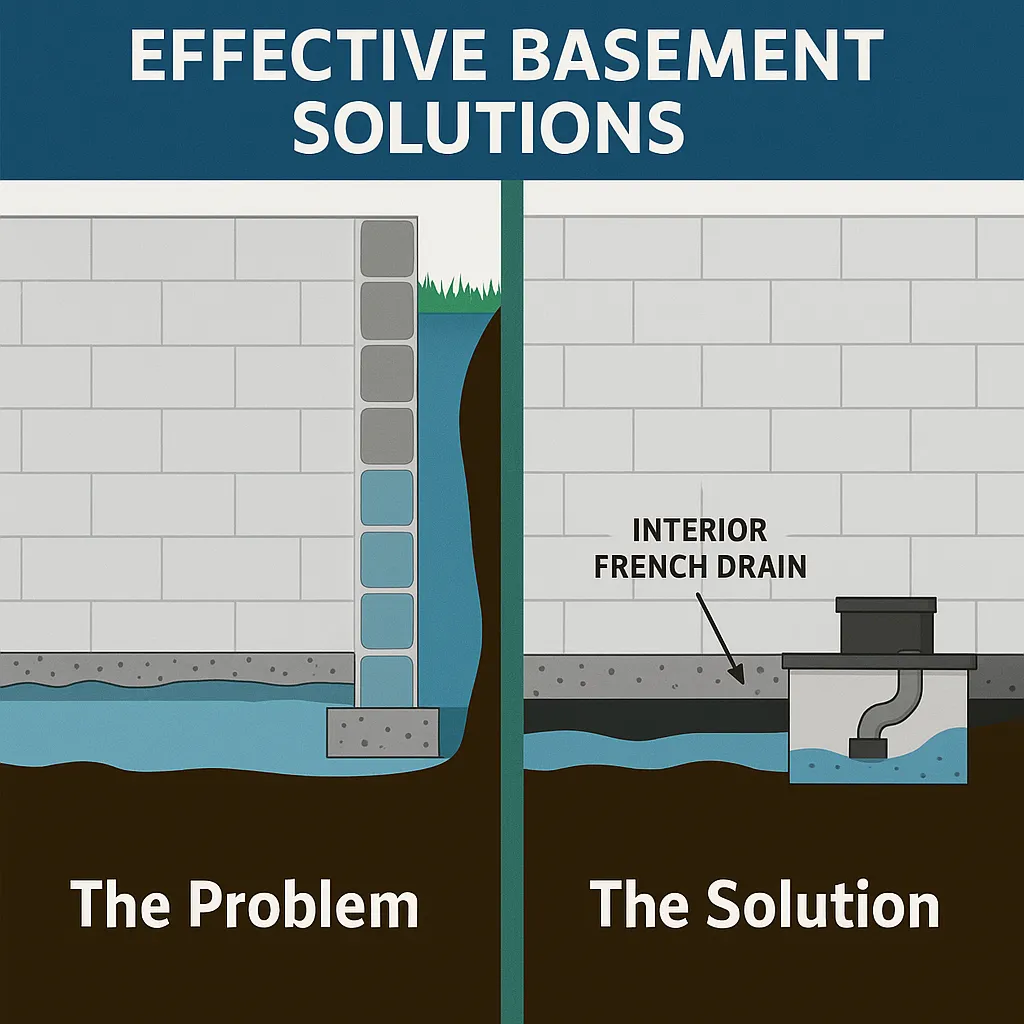
Interior waterproofing techniques, such as installing French drains and sump pumps, are effective in managing moisture. French drains redirect water away from the foundation, while sump pumps actively remove accumulated water. Sealing walls and cracks also plays a crucial role in preventing water from entering the basement. These methods work together to create a comprehensive moisture control system.
The effectiveness of French drains in managing moisture is further underscored by their broader environmental benefits in stormwater management.
French Drain Driveways: Stormwater Management & Health
Stormwater runoff poses a significant threat to the environment and can have in impact on public health. Contaminants from our homes accumulate in stormwater and flow down our streets into our sewer systems. Ultimately, the hazardous water ends up in various natural waterways, creating a substantial pollution problem which harms the local ecosystem. Of the millions of driveways across the country, almost all are underutilizing the footage of land that they are occupying. By developing an easy-to-incorporate drainage system, a large portion of stormwater that would normally flow into the street can be contained within the property beneath the driveway.
Designing a Modular French Drain Driveway: Addressing the Impact of Stormwater Runoff from Residential Communities, 2023
What Exterior Waterproofing Solutions Are Effective in Fairfield NJ?
Exterior waterproofing solutions include applying waterproof membranes and improving drainage systems. These methods help prevent water from penetrating the foundation. Proper grading around the home ensures that water flows away from the structure, reducing the risk of flooding. Additionally, integrating sump pumps into the exterior system can provide an extra layer of protection against heavy rainfall.
| Method | Description | Cost |
|---|---|---|
| Interior French Drains | Redirects water away from the foundation | $1,500 – $3,000 |
| Sump Pump Systems | Actively removes water from the basement | $800 – $2,000 |
| Crawl Space Encapsulation | Seals off crawl spaces to prevent moisture | $2,000 – $5,000 |
These methods vary in cost and effectiveness, so homeowners should consult with professionals to determine the best approach for their specific needs.
How Does Sump Pump Installation Reduce Basement Flooding Risks?
Sump pump installation is a critical component of basement waterproofing. These systems actively remove water that accumulates in the basement, significantly reducing the risk of flooding. By maintaining a dry environment, sump pumps help protect the structural integrity of the home and prevent mold growth.
When Is a Sump Pump Necessary for Basement Moisture Control?
A sump pump is necessary when there are signs of recurring water accumulation, such as:
- Frequent Water Accumulation: If water collects in the basement after heavy rains, a sump pump is essential.
- High Local Water Table: Homes in areas with a high water table are at greater risk of flooding.
- Limitations of Passive Drainage: If existing drainage systems are insufficient, a sump pump can provide necessary support.
Recognizing these indicators can help homeowners make informed decisions about moisture control.
What Are the Benefits of Professional Sump Pump Installation?
Professional sump pump installation offers several advantages:
- Expertise and Compliance: Professionals ensure that the system is installed correctly and meets local regulations.
- Proper Sizing and Placement: Experts can determine the best type and size of sump pump for your specific needs.
- Warranty Protection: Professional installation often comes with warranties, providing peace of mind for homeowners.
Investing in professional installation can enhance the effectiveness of the sump pump and ensure long-term reliability.
What Are the Costs and Financing Options for Basement Waterproofing in NJ?
Understanding the costs associated with basement waterproofing is essential for homeowners. Various factors influence pricing, including the methods used and the extent of the work required. Additionally, financing options can help make these necessary improvements more accessible.
How Much Does Basement Waterproofing Typically Cost in Fairfield NJ?
The cost of basement waterproofing in Fairfield, NJ, typically ranges from $1,500 to $5,000, depending on the methods employed. Interior solutions, such as sump pumps and French drains, generally fall within this range. Factors influencing costs include the size of the basement, the severity of the water problem, and the chosen waterproofing methods.
What Financing Solutions Are Available for Homeowners?
Homeowners can explore various financing options for basement waterproofing, including:
- In-House Payment Plans: Many contractors offer flexible payment plans to help manage costs.
- Third-Party Financing: Some homeowners may qualify for loans or credit options through third-party lenders.
- Free Inspections and Written Estimates: Taking advantage of free inspections can help homeowners understand their options and associated costs.
These financing solutions can make it easier for homeowners to invest in necessary waterproofing measures.
How Can You Prevent Mold and Ensure a Healthy Basement Environment?
Preventing mold growth is crucial for maintaining a healthy basement environment. Implementing effective moisture control strategies can significantly reduce the risk of mold development.
What Are the Health Risks Associated with Basement Mold?
Basement mold poses several health risks, including:
- Allergic Reactions: Exposure to mold can trigger allergic reactions, leading to symptoms such as sneezing and skin irritation.
- Respiratory Issues: Mold spores can cause respiratory problems, particularly in individuals with asthma or other lung conditions.
- Cognitive and Emotional Dysfunction: Long-term exposure to mold may lead to cognitive issues and emotional distress.
Understanding these risks highlights the importance of effective mold prevention strategies.
Which Mold Prevention Strategies Are Recommended for NJ Basements?
Recommended mold prevention strategies include:
- Professional Waterproofing: Ensuring that the basement is properly waterproofed can prevent moisture buildup.
- Humidity Control: Using dehumidifiers can help maintain optimal humidity levels in the basement.
- Regular Inspections: Conducting routine inspections can help identify potential mold growth before it becomes a significant issue.
Implementing these strategies can help homeowners maintain a healthy basement environment.
What NJ Regulations Affect Basement Waterproofing and Environmental Compliance?
Understanding New Jersey regulations regarding basement waterproofing is essential for homeowners and contractors alike. Compliance with these regulations ensures that waterproofing practices are effective and environmentally responsible.
How Do NJDEP Guidelines Influence Waterproofing Practices?
The New Jersey Department of Environmental Protection (NJDEP) provides guidelines that influence waterproofing practices. These guidelines include:
- Licensed Contractors: Homeowners should hire licensed contractors to ensure compliance with state regulations.
- Minimum Slope Requirements: Proper grading is necessary to direct water away from the foundation.
- Sump Pump Discharge Regulations: Homeowners must adhere to regulations regarding the discharge of sump pump water to prevent environmental harm.
Following these guidelines helps ensure effective waterproofing while protecting the environment.
Why Is Compliance Important for Basement Waterproofing Contractors?
Compliance with regulations is crucial for basement waterproofing contractors for several reasons:
- Adherence to Industry Standards: Compliance ensures that contractors meet industry standards for safety and effectiveness.
- Minimizing Risks: Proper practices reduce the risks associated with improper installations, protecting both contractors and homeowners.
- Protecting Homeowners’ Investments: Compliance helps safeguard homeowners’ investments by ensuring that waterproofing measures are effective and reliable.
Understanding and adhering to these regulations is essential for successful basement waterproofing projects.