
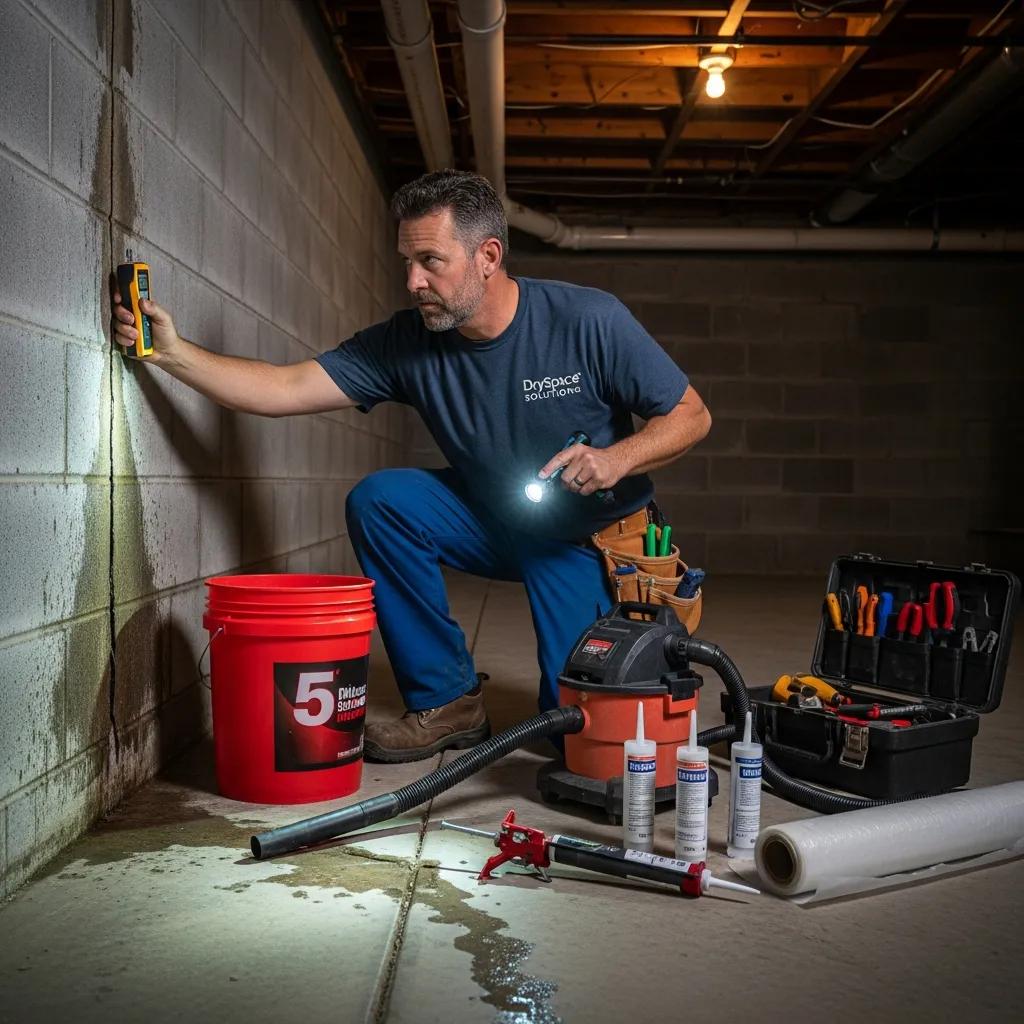
Basement Waterproofing Services in Cranford, NJ - Professional Wet Basement Repair Solutions for Homeowners
Basement waterproofing is essential for homeowners in Cranford, NJ, facing issues like leaks, cracks, and water intrusion. This article will explore the common signs of a wet basement, the unique challenges posed by local soil and water patterns, and the comprehensive solutions offered by Effective Basement Solutions. Homeowners often overlook the importance of timely intervention, which can lead to significant structural damage and health risks. By understanding the signs of water damage and the available waterproofing services, you can protect your home and ensure a safe living environment. We will cover the signs of a wet basement, the unique challenges in Cranford, the solutions offered by Effective Basement Solutions, and the costs associated with these services.
What Are the Common Signs of a Wet Basement in Cranford Homes?
Identifying the signs of a wet basement is crucial for homeowners to prevent further damage. Common indicators include dampness or moisture accumulation, mold growth, and visible gaps or cracks in the foundation. These signs suggest potential water damage and the need for immediate waterproofing solutions. Recognizing these symptoms early can save homeowners from costly repairs and health issues associated with mold and structural damage.
How to Identify Basement Leaks, Cracks, and Moisture Issues
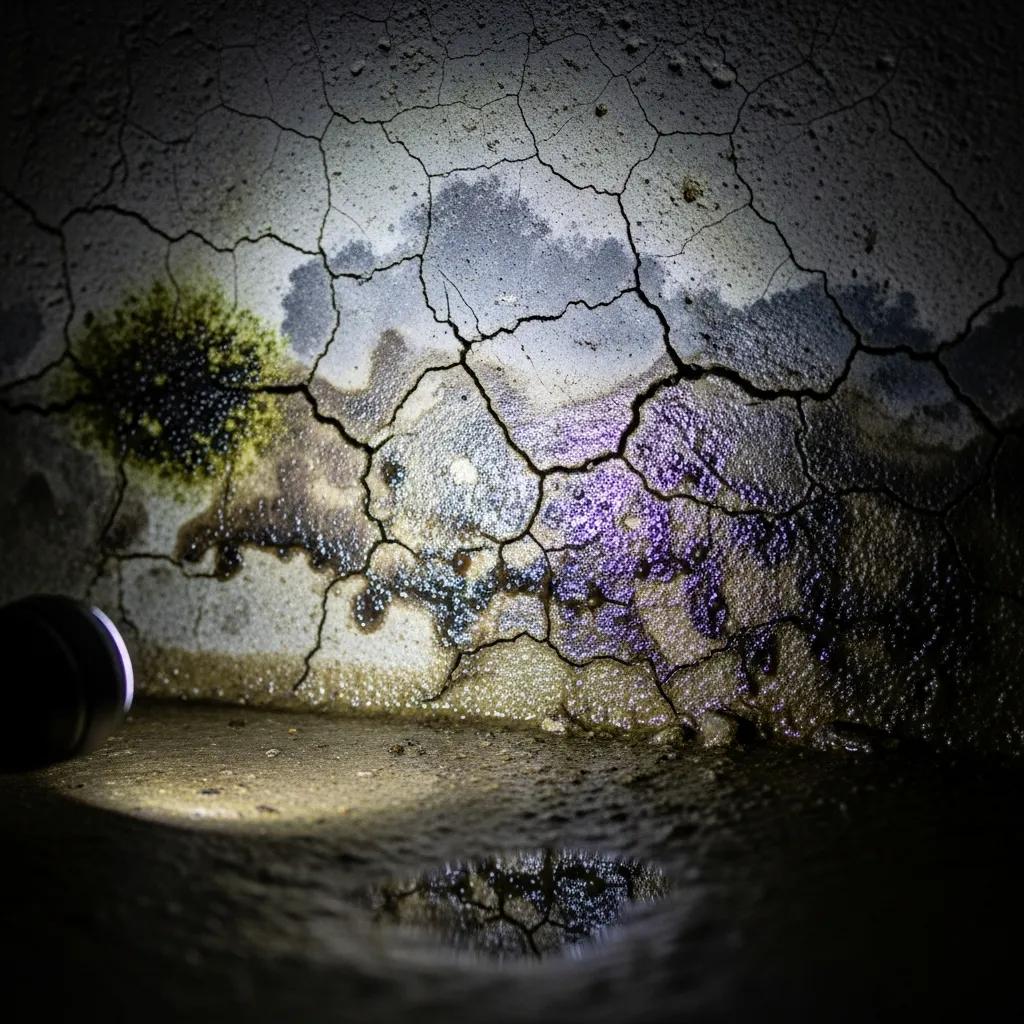
To identify basement leaks, cracks, and moisture issues, look for the following signs:i n Basement Waterproofing Cranford NJ
- Interior Indicators: Check for dampness, mold growth, and visible cracks in walls or floors. Uneven flooring or gaps under baseboards can indicate foundation settlement or heaving.
- Exterior Signs: Look for gaps at the base of siding, separation between brick veneer and window frames, and tilting chimneys. Soil erosion and pooling water around the foundation can also signal inadequate drainage.
- Soil Movement: Be aware of expansive clay soils that can cause cyclical heaving and settlement, leading to cracks and misalignment in foundations.
- Hydrostatic Pressure: Monitor for water accumulation against foundation walls, which can drive moisture through cracks and accelerate deterioration.
- Tree Roots: Observe for signs of tree roots infiltrating foundation joints, which can displace soil and crack footings.
Regular inspections and maintenance can help detect these issues early and prevent further damage.
What Are the Risks of Ignoring Wet Basement Symptoms?
Ignoring wet basement symptoms can lead to several risks, including:
- Mold Growth: Prolonged moisture can result in mold, which poses health risks such as allergic reactions, respiratory issues, and exacerbation of asthma.
- Structural Damage: Water infiltration can undermine concrete strength and lead to foundation damage, requiring costly repairs.
- Indoor Air Quality Issues: Dampness can deteriorate indoor air quality, making the living environment unhealthy.
- Increased Repair Costs: Delaying action can escalate repair needs and costs as damage worsens over time.
Addressing these symptoms promptly is crucial to protect your home and health.
Why Does Cranford, NJ Have Unique Basement Water Challenges?
Cranford, NJ faces unique basement water challenges primarily due to its diverse soils and seasonal water patterns. The presence of expansive clay soils can lead to significant soil movement, causing heaving and settlement that affect foundation stability. Additionally, hydrostatic pressure from groundwater accumulation against foundation walls can result in moisture infiltration, exacerbated by poor drainage practices such as inadequate grading or clogged gutters. These factors necessitate effective waterproofing solutions to protect homes from water damage and maintain structural integrity.
How Does the Rahway River Affect Local Groundwater Levels?
The Rahway River’s proximity significantly impacts local groundwater levels, especially during heavy rainfall or snowmelt. Seasonal fluctuations can lead to increased groundwater levels, which may contribute to hydrostatic pressure against basement walls. Homeowners should be aware of these patterns to anticipate potential water intrusion.
What Role Does Soil Composition and Hydrostatic Pressure Play?
Soil composition, particularly the presence of expansive clay, affects foundation stability by absorbing moisture and causing cyclical heaving and settlement. Hydrostatic pressure arises when groundwater accumulates against foundation walls, leading to moisture infiltration and deterioration. Both factors necessitate effective waterproofing and soil management to maintain foundation integrity and prevent water-related issues.
What Comprehensive Waterproofing Solutions Does Effective Basement Solutions Offer?
Effective Basement Solutions offers comprehensive waterproofing solutions that include:
- Basement waterproofing services
- Sump pump installation
- Structural reinforcement
- French drain installation
- Crawl space encapsulation
- Dehumidification systems
- Battery and water backups
- Basement waterproofing services
- Sump pump installation
- Structural reinforcement
- French drain installation
- Crawl space encapsulation
- Dehumidification systems
- Battery and water backups
How Do Interior French Drain Systems Prevent Water Intrusion?
Interior French drain systems prevent water intrusion by collecting and redirecting groundwater away from the foundation. They relieve hydrostatic pressure that builds up against foundation walls, which can cause moisture to seep through cracks and pores. By channeling water to a sump pump or drainage outlet, these systems help maintain a dry basement environment, thus preserving the structural integrity of the home and preventing water-related damage.
What Are the Benefits of Sump Pump Installation and Backup Systems?
The benefits of sump pump installation and backup systems include safeguarding your home from costly water damage and enhancing indoor air quality. These systems help manage water intrusion effectively, ensuring your home remains a safe, healthy, and dry environment. Additionally, having a backup system provides extra protection during power outages or pump failures, further preventing water damage.
How Can Exterior Waterproofing and Foundation Repair Protect Your Cranford Home?
Exterior waterproofing and foundation repair services can protect your Cranford home by addressing the underlying causes of foundation damage, such as hydrostatic pressure and soil movement. Effective waterproofing prevents water accumulation against foundation walls, reducing the risk of moisture infiltration that can lead to mold growth and structural deterioration. Additionally, foundation repair methods like slab jacking or underpinning correct uneven floors and restore structural balance, preventing further issues like wall cracking and door binding. By combining these approaches, homeowners can ensure long-term stability and protect their property’s value.
What Are Exterior Waterproofing Membranes and Their Advantages?
Exterior waterproofing membranes are crucial for preventing moisture infiltration. These membranes create a barrier that protects foundation walls from water damage. Their advantages include durability, resistance to mold growth, and the ability to withstand hydrostatic pressure, ensuring long-term protection for your home.
How Does Foundation Crack Sealing Strengthen Basement Walls?
Foundation crack sealing is essential for maintaining the integrity of basement walls. By filling cracks with specialized sealants, this process prevents water from entering and causing further damage. Sealing cracks also helps to stabilize the foundation, reducing the risk of structural issues over time.
How Do Crawl Space Encapsulation and Mold Prevention Enhance Basement Health?
Crawl space encapsulation involves sealing the crawl space to prevent moisture intrusion and improve air quality. The moisture control benefits include reducing humidity levels, preventing mold growth, and protecting the structural integrity of the home by minimizing water damage and decay.
What Is Crawl Space Encapsulation and Its Moisture Control Benefits?
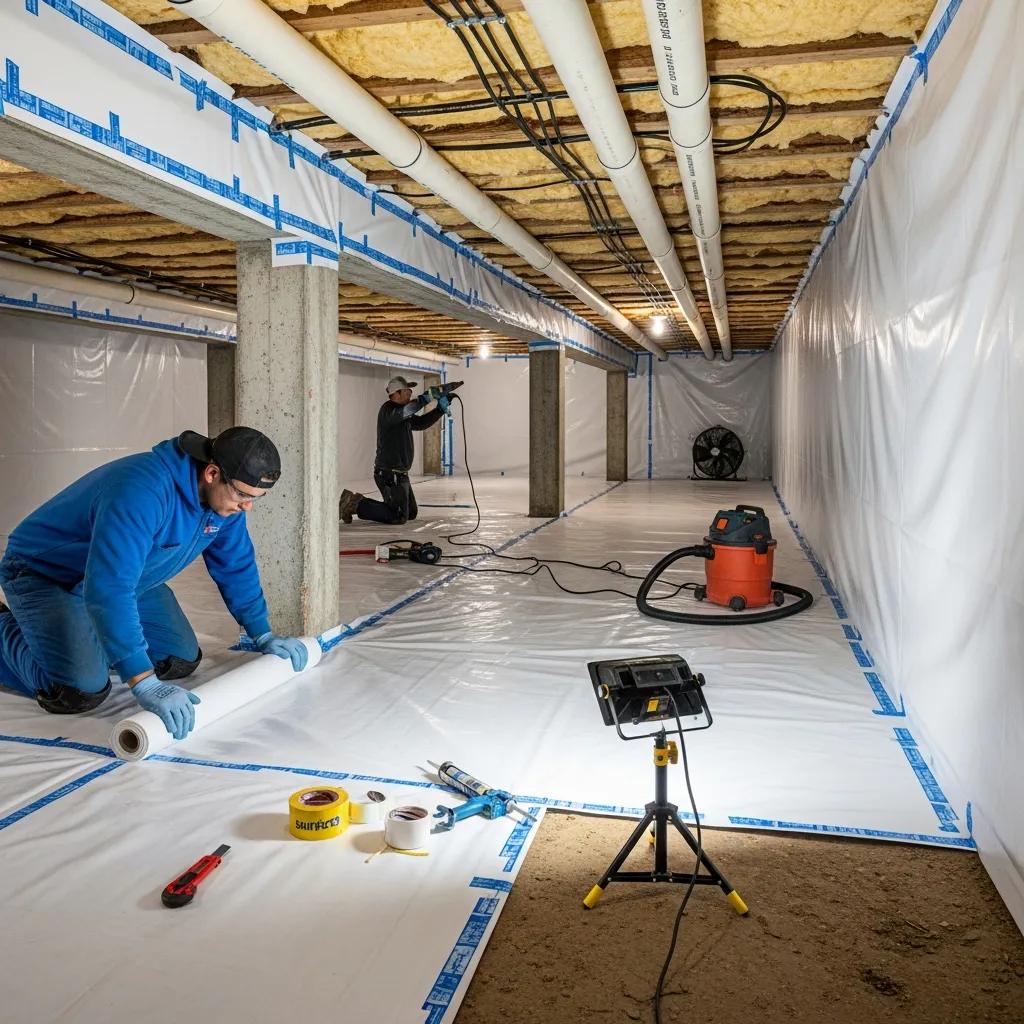
Crawl space encapsulation is a process that involves sealing the crawl space with a vapor barrier to prevent moisture from entering. This method significantly reduces humidity levels, which helps to prevent mold growth and protects the home’s structural integrity. By maintaining a dry environment, homeowners can avoid costly repairs and health issues associated with mold exposure.
Research further emphasizes the critical role of moisture control in crawl spaces for preventing mold and maintaining structural integrity.
Crawl Space Moisture Control & Mold Prevention
The relative humidity of the air in crawl spaces is the most critical factor concerning mould growth in the structures of a crawl space. Possible contamination in the crawl space might be transported indoors if the pressure inside the apartment is lower. The objective of the study was to find out the important properties of ground covers and the optimal air change rates for the controlling of moisture conditions in an outdoor air-ventilated crawl space in a cold climate and to estimate the acceptability of current moisture conditions in respect of material durability.
Moisture and fungal spore transport in outdoor air-ventilated crawl spaces in a cold climate, M Airaksinen, 2003
How Does Mold Prevention Improve Indoor Air Quality?
Mold prevention improves indoor air quality by reducing the risk of mold growth, which can lead to health issues such as allergic reactions and respiratory problems. By controlling humidity levels and ensuring proper ventilation, mold growth is inhibited, creating a healthier living environment. Regular maintenance and professional mold remediation, if necessary, further enhance air quality.
What Are the Typical Costs and Value of Basement Waterproofing in Cranford, NJ?
Understanding the costs associated with basement waterproofing is essential for homeowners. Various factors influence the overall price, including the extent of water damage, the type of waterproofing solutions required, and the size of the basement.
Which Factors Influence Basement Waterproofing Cranford NJ Cost?
Several factors influence the cost of basement waterproofing in Cranford, NJ:
- Extent of Damage: The severity of water intrusion and damage will significantly affect the cost of repairs.
- Type of Solutions: Different waterproofing methods, such as interior drainage systems or exterior waterproofing membranes, come with varying price points.
- Size of the Basement: Larger basements may require more materials and labor, increasing overall costs.
How to Get a Free, Personalized Basement Waterproofing Estimate?
To get a free, personalized basement waterproofing estimate, you can schedule your free inspection with a trusted waterproofing company. Contact their team directly to arrange the estimate. This initial assessment will help identify specific issues and recommend appropriate solutions tailored to your home’s needs.
| Service | Description | Benefits |
|---|---|---|
| Basement Waterproofing | Comprehensive solutions to prevent water intrusion | Protects home from water damage, enhances indoor air quality |
| Sump Pump Installation | Installation of pumps to remove excess water | Prevents flooding, reduces humidity levels |
| French Drain Installation | Systems to redirect groundwater away from the foundation | Reduces hydrostatic pressure, prevents moisture infiltration |