Comprehensive Basement Waterproofing Services in Bernardsville, NJ
Basement waterproofing matters for Bernardsville homeowners — it prevents water damage, mold, and costly foundation repairs. This guide explains common causes of basement moisture, how the local water table affects flooding, and practical solutions that work. You’ll learn about typical risks like flooding and mold, the services offered by Effective Basement Solutions, and why sump pumps and drainage systems are often part of a long-term fix.
Whether you are buying a home, planning renovations, or protecting finished living areas, understanding waterproofing options helps you choose solutions that fit your house, budget, and local conditions. This article focuses on practical, maintainable approaches suited to Bernardsville’s climate and soils.
What causes basement water problems in Bernardsville, NJ?
Basement leaks usually come from a few predictable problems: hydrostatic pressure, poor surface drainage, and foundation defects. Hydrostatic pressure builds when groundwater rises and pushes against foundation walls, forcing water through cracks or porous materials. If rainwater or melting snow pools near the house instead of draining away, that surface runoff makes the problem worse. And existing cracks, gaps, or settlement in the foundation create direct paths for water to enter the basement.
Seasonal cycles in Bernardsville — heavy spring melt, summer storms, and occasional heavy rainfall events — can temporarily raise the groundwater and increase pressure against foundations. Soil type also matters: dense clay soils hold water near the foundation longer, while sandier soils may drain more quickly. Recognizing these patterns helps prioritize repairs and preventative work.
Recognizing how hydrostatic pressure works helps you choose the most effective waterproofing approach.
Relieving Hydrostatic Pressure to Protect Underground Spaces
Exterior waterproofing membranes and interior watertight barriers work together to limit water entry and reduce vulnerability to changing groundwater conditions. Designing systems that relieve hydrostatic pressure is key to keeping below‑grade spaces dry and usable. Relief of hydrostatic pressure to maximise the occupancy of underground spaces, 2016
How does the local water table affect basement flooding?
The local water table plays a major role in basement flooding, especially after heavy rain or rapid snowmelt. When groundwater rises, hydrostatic pressure on basement walls increases, making leaks and seepage more likely. Monitoring groundwater behavior and using proper drainage — both around the foundation and inside the basement — are reliable ways to reduce flood risk and protect your home.
Practical steps include observing how quickly soil around the foundation dries after rain, checking nearby low spots where water pools, and noting seasonal high-water occurrences. For homes in low-lying lots or near streams, the water table can stay elevated for longer periods, which affects long-term waterproofing strategy and may require combined interior and exterior solutions.
Common basement moisture and leak sources
Pinpointing where moisture comes from lets you address the root cause. Typical sources include:
- Condensation: Warm, humid air meeting cool basement surfaces can produce persistent moisture.
- Surface runoff: Rainwater or melting snow that isn’t directed away from the house can collect at the foundation.
- Plumbing leaks: Hidden pipe leaks or leaking fixtures introduce water that’s easy to miss until damage appears.
Other common contributors are clogged gutters that overflow, downspouts discharging too close to the foundation, and landscaping features that trap water against the house. Identifying the precise source often requires both exterior and interior inspection so fixes can be targeted and cost-effective.
Simple diagnostics you can do include running a hose at roof level to confirm gutter and downspout routing, watching the grading around the foundation during a rain event, and checking mechanical systems and visible plumbing for slow drips or damp patches.
Which basement waterproofing services does Effective Basement Solutions offer?
Effective Basement Solutions provides local, practical services designed for Bernardsville homes. Common offerings include:
- Basement waterproofing: Interior and exterior strategies to stop water entry and protect the foundation.
- Sump pump installation: Reliable pumps and backups to remove collected water before it causes damage.
- Crawl space encapsulation: Sealing and insulating crawl spaces to cut moisture, improve air quality, and reduce energy loss.
The company evaluates each site and recommends a combination of measures. For example, exterior excavation and membrane application may be paired with an interior drainage channel and a sump pump to handle both sources of water and hydrostatic pressure.
When you request services, expect a written proposal that explains each recommended measure, why it was chosen, and any maintenance responsibilities. This transparency helps homeowners compare options and set realistic expectations for cost and timing.
How do foundation waterproofing solutions prevent structural damage?
Waterproofing creates continuous barriers and manages water around the foundation, which reduces pressure on walls and prevents deterioration. Properly designed systems redirect water away from the structure, stabilize conditions around the foundation, and limit the need for expensive foundation repairs later on. The result is a safer, more durable home.
Keeping water away from concrete and masonry reduces freeze-thaw cycles that can cause spalling, prevents the buildup of soil moisture that contributes to settlement, and limits the chemical reactions that produce efflorescence. Over time, managing water proactively preserves both the function and appearance of the foundation and finishes.
What are the benefits of sump pump installation services?
Installing a sump pump offers clear advantages for homes at risk of flooding:
- Local expertise: Our technicians know Bernardsville’s soil and groundwater patterns and size systems accordingly.
- Peace of mind: A properly installed pump with the right discharge and backup reduces the chance of emergency flooding.
- Increased property value: Effective water-management systems protect your home and are attractive to buyers.
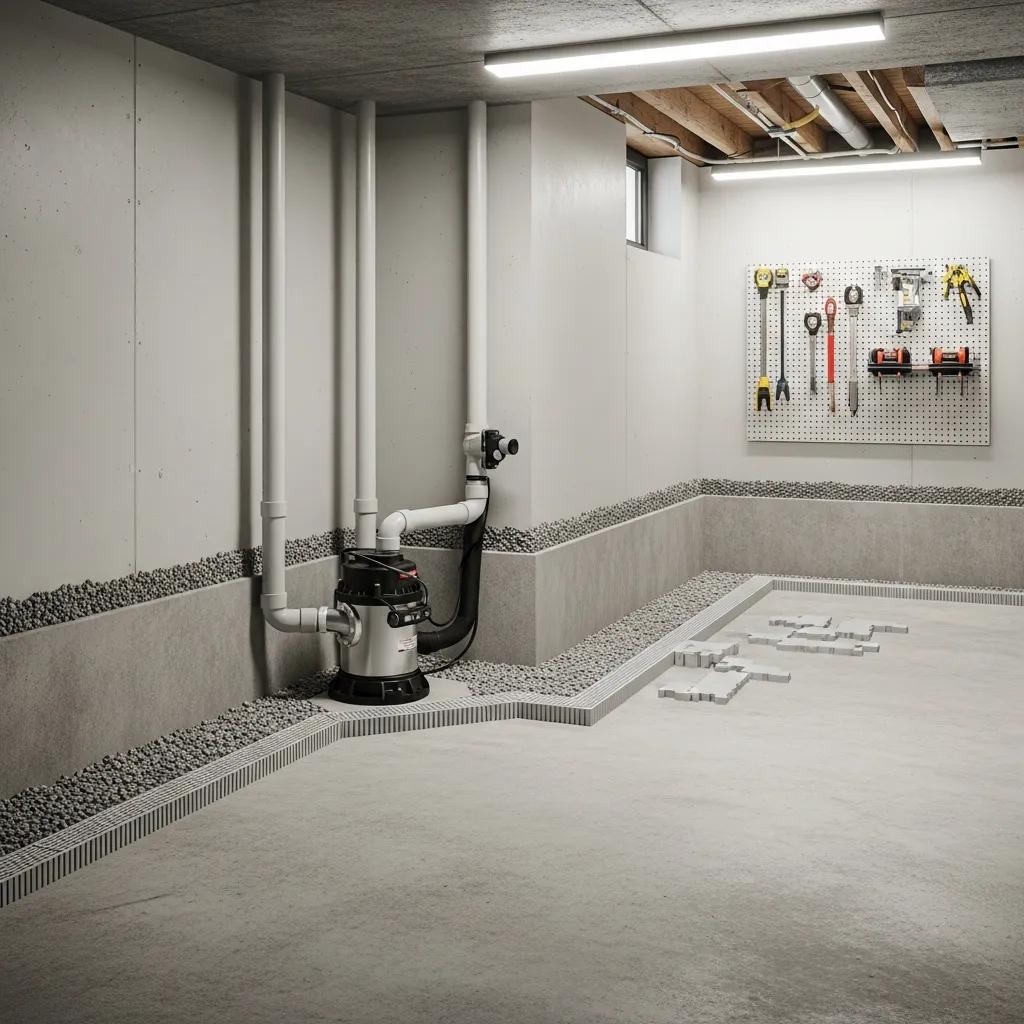
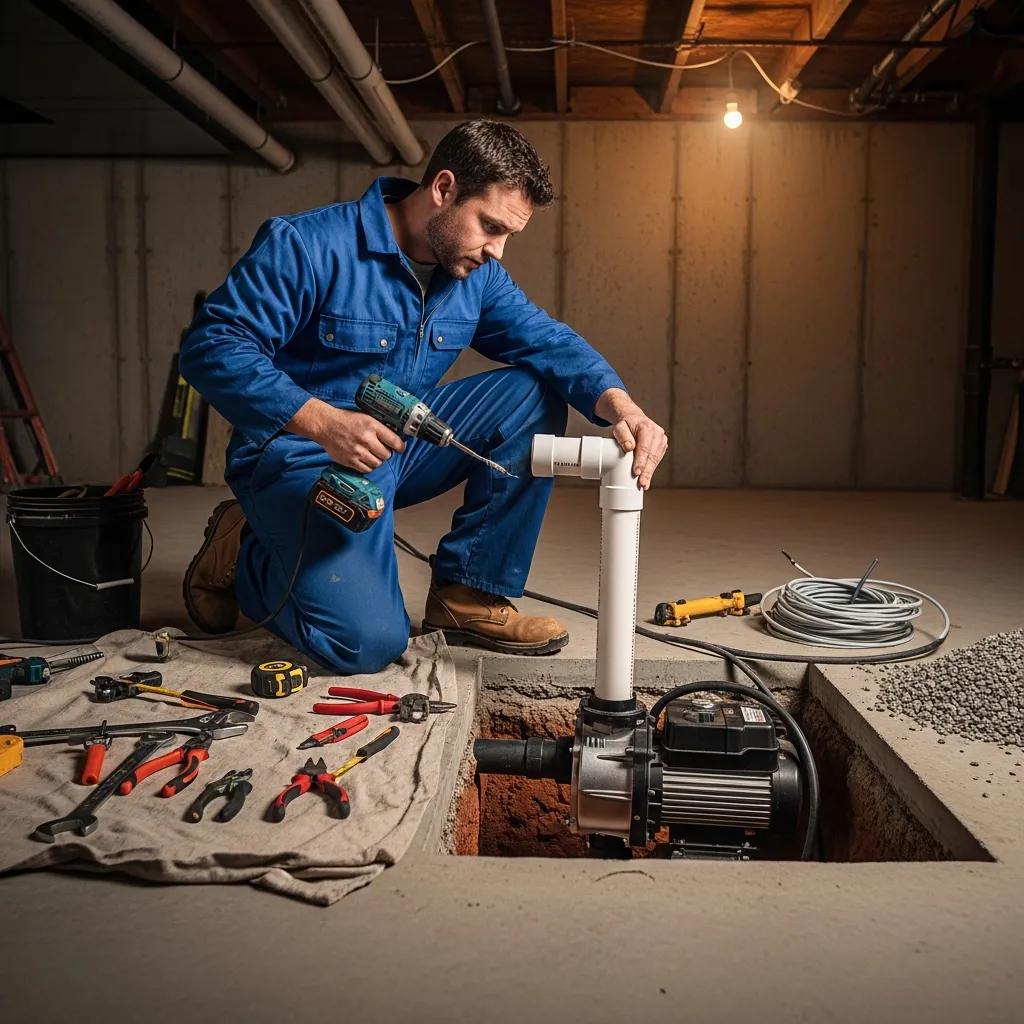
A typical system includes a sump pit, pump (submersible or pedestal), discharge piping routed away from the foundation, and often a check valve to prevent backflow. Optional battery backups, water-powered backups, or secondary pumps increase resilience during power outages or unusually high inflow events.
How does the free basement inspection process work?
Our free inspection is a straightforward way to find problems and map out solutions. A typical inspection includes:
- Requesting an inspection: Call or request an appointment online to schedule at your convenience.
- Preparing for the visit: Clearing access in the basement helps the technician inspect thoroughly.
- The inspection: A trained technician checks for moisture, structural issues, and likely sources of intrusion, then recommends next steps.
During the visit the technician documents observations with photos, notes visible and active moisture sources, and discusses durable options that address both symptoms and causes. The goal is to produce a clear, prioritized set of recommendations you can review and compare with other proposals, if you choose to get multiple bids.
What to expect during a basement waterproofing inspection?
An inspection covers the whole space so you know exactly what’s happening. Typical elements include:
- Visual inspection: Walls, floors, and visible foundation areas are checked for stains, cracks, and signs of movement.
- Moisture testing: Tools measure humidity and moisture in materials to pinpoint active issues.
- Documentation of findings: You’ll get a written summary of observed problems and recommended solutions.
Inspectors will also assess exterior features that affect basement moisture, including gutter condition, downspout routing, soil grade, and nearby landscaping. If additional testing or specialist input (for example, a structural evaluation) is needed, the inspection report will note that so you can plan the work in phases if desired.
How is a customized waterproofing plan developed?
We tailor each plan to the home’s specific conditions by following a clear process:
- Free inspection: Identify current issues and likely causes.
- Data analysis: Review findings and determine the most effective products and methods.
- Tailored proposal: Receive a detailed proposal that outlines recommended work, materials, timeline, and costs.
Plans commonly include a combination of exterior excavation and membrane application, interior drainage and sump systems, and targeted repairs such as crack injections or window well upgrades. Where applicable, the proposal will spell out maintenance expectations and warranty coverage for materials and workmanship so you understand the long-term obligations and protections.
What are effective basement moisture control methods?
Keeping a basement dry typically requires multiple strategies working together. Effective methods include:
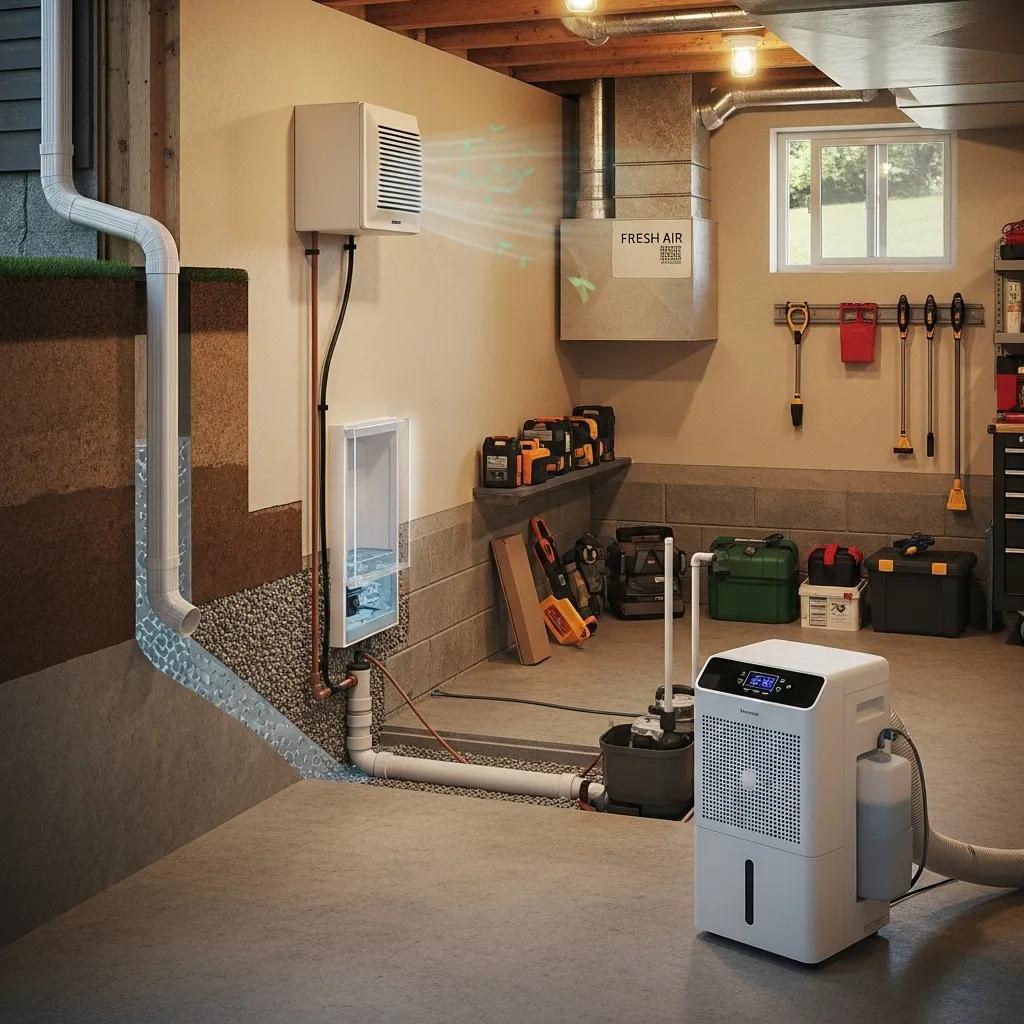
- Dehumidification: A properly sized dehumidifier lowers indoor humidity and prevents condensation.
- Proper drainage: Gutters, downspouts, and grading that send water away from the foundation are fundamental.
- Regular maintenance: Routine checks and small repairs prevent small issues from becoming major problems.
Other useful actions include sealing rim joists and penetrations where utilities pass through foundation walls, insulating cold surfaces to reduce condensation, and installing drainage improvements to handle seasonal flows. These measures reduce both the frequency and severity of moisture events.
How do interior drainage systems help manage moisture?
Interior drainage systems are designed to control water that reaches the basement interior. They work by:
- Capturing water: Channels or drains collect seepage and route it to a sump pump.
- Reducing hydrostatic pressure: Managing interior water levels relieves pressure on walls and reduces leaks.
- Maintaining a dry environment: Properly installed systems keep living spaces dry and usable.
Common interior systems include perimeter drains (also called drain tile systems) set at the footing level and channel systems installed beneath basement slabs. These systems are designed to work with sump pumps to remove water quickly and prevent pooling that damages finishes and stored items.
Research supports how targeted drainage designs help dissipate groundwater and lower pore pressure behind retaining walls.
Groundwater Pressure Dissipation with Horizontal Drain Pipes
Studies of horizontal drain pipes show how properly placed drains on retaining walls improve groundwater drainage and reduce pore pressure behind the wall. Optimized drain layouts increase the efficiency of pressure dissipation and help stabilize surrounding soil. Distributions of pore water pressure surround a horizontal drain pipe on a retaining wall under steady state condition, 2013
Which waterproofing membranes are recommended?
Choosing the right membrane depends on the project, but commonly recommended options include:
- High-density polyethylene sheets: Tough, durable sheets that form a reliable physical barrier against water.
- Liquid-applied polymer coatings: Seamless coatings that bond to surfaces and fill small irregularities for a watertight finish.
Installation quality matters as much as the product choice. For exterior membranes, proper surface preparation and drainage behind the membrane are critical. For liquid-applied coatings on interior walls, surfaces must be clean and structurally sound to ensure adhesion and longevity. A professional assessment will identify the best membrane for your foundation type and exposure conditions.
How to maintain and service your sump pump installation?
Keeping a sump pump ready means regular checks and a few simple routines:
- Regular inspections: Look for debris in the pit and signs of wear on the pump.
- Monthly testing: Pour water into the pit to confirm the pump activates and discharges properly.
- Professional maintenance: Annual service by a pro checks seals, electrical connections, and float operation.
Additional maintenance steps include clearing the discharge line and checking for ice formation in cold weather, ensuring the check valve operates correctly to prevent backflow, and verifying that any alarm or Wi‑Fi notification systems are functioning. Keeping a maintenance log helps track service history and identify when parts should be replaced.
How often should sump pumps be serviced?
To keep a sump pump dependable, follow these service guidelines:
- Monthly visual checks: Inspect the pump and pit for debris, damage, and proper operation.
- Annual professional inspection: A yearly tune-up confirms the pump and backup systems are in good condition.
- Battery checks: If you have a battery backup, test the battery regularly and replace it per the manufacturer’s schedule.
Frequent checks are especially important in homes where the pump runs regularly. If the system runs often, consider more frequent professional inspections and faster replacement cycles for worn parts to avoid failure during high-water events.
What are common sump pump maintenance tips?
Simple maintenance keeps pumps working when you need them:
- Regular inspections: Look for corrosion, loose fittings, or clogged intakes.
- Cleaning the sump pit: Remove sediment and debris that can block the pump.
- Testing the float switch: Make sure the float moves freely and triggers the pump reliably.
When replacing a pump, match the pump capacity and discharge characteristics to the expected inflow and the length of discharge piping. Using a pump that is too small or undersized piping reduces effectiveness and increases wear.
What are the best basement flooding repair solutions in Bernardsville?
Several proven solutions address basement flooding depending on the cause:
- Basement waterproofing services: Integrated interior and exterior measures to stop water entry.
- Sump pump installation: Removes collected water quickly and reliably.
- French drain installation: Redirects surface and shallow groundwater away from the foundation.
Often a combination approach is best: correcting grading and downspout routing on the outside, adding a perimeter drain or interior channel, and installing a reliable sump pump system. The right mix depends on where the water is coming from and how frequently events occur.
How does foundation crack repair prevent water intrusion?
Sealing foundation cracks removes direct pathways for water and restores structural performance. Proper repair:
- Restores structural integrity: Filling and reinforcing cracks helps maintain the foundation’s strength.
- Prevents further movement: Addressing cracks early reduces the risk of additional settlement or widening.
Common repair approaches include epoxy injections for structural cracks and flexible polyurethane injections for active leaks, combined with exterior measures if the crack indicates underlying drainage problems. A technician will recommend a method based on crack width, movement, and the presence of active seepage.
When to choose crawl space waterproofing services?
Crawl space waterproofing is recommended if you see moisture, mold, or persistently high humidity. Consider these factors:
- Moisture issues: Visible dampness, mold, or musty odors indicate a need for encapsulation.
- Home structure considerations: Older homes or those with poor ventilation often benefit from full encapsulation.
- Long-term benefits: Encapsulation improves air quality, reduces mildew, and can lower energy costs.
Encapsulation typically involves installing a vapor barrier on the ground and walls, sealing vents and penetrations, and adding a dehumidifier if needed. These measures create a controlled environment under the house that reduces moisture transfer into living spaces and preserves wood framing and insulation.
Why choose Effective Basement Solutions for basement waterproofing in Bernardsville?
Homeowners choose Effective Basement Solutions for several reasons:
- Tailored solutions: We design waterproofing plans that fit each home’s conditions, not a one-size approach.
- Experienced professionals: Our team understands local soils, drainage patterns, and common failure points.
- Exceptional customer service: We prioritize clear communication and follow-through from inspection to completion.
We also emphasize transparent proposals, documented timelines, and post-installation support so homeowners know what to expect before work begins and after it finishes. Licensing, insurance, and references are available on request to help you verify experience and workmanship.
What do customer testimonials say about our services?
Customer feedback consistently highlights our reliability and results. Common themes include:
- Professionalism: Customers praise courteous, knowledgeable crews who explain the work clearly.
- Effective solutions: Homeowners report meaningful reductions in moisture and fewer basement issues after service.
- Customer satisfaction: Many clients note timely work and responsive support throughout the project.
When considering contractor reviews, look for comments on communication, cleanup, adherence to timelines, and follow-up responsiveness — these practical aspects often indicate how smoothly the project will proceed.
How do we incorporate the latest waterproofing technologies?
Effective Basement Solutions uses modern materials and proven installation methods to improve durability and performance. We:
- Use recent advancements: Select materials and techniques that deliver better long-term protection.
- Measure impact: Choose systems that increase reliability and reduce maintenance needs.
- Follow local regulations: All work complies with local codes and best-practice standards.
Examples of newer approaches include improved membrane materials with higher puncture resistance, corrosion-resistant metalwork for sump systems, and integrated monitoring systems that send alerts if a pump fails or water levels rise unexpectedly. These options can be included when appropriate to increase system resilience.
How to prevent mold growth related to basement moisture?
Preventing mold starts with controlling moisture. Effective steps include:
- Professional waterproofing: Reduce the moisture that allows mold to grow by fixing leaks and improving drainage.
- Humidity management: Use dehumidifiers and ensure adequate ventilation.
- Regular inspections: Catch and repair moisture problems before mold appears.
Promptly addressing leaks, drying wet materials within 24–48 hours when possible, and removing or replacing porous materials that have been repeatedly wet are practical steps to limit mold growth. For ongoing issues, remediation paired with long-term moisture control prevents recurrence.
What are EPA mold prevention guidelines for basements?
The EPA recommends simple, effective practices to lower mold risk:
- Fix leaks: Repair plumbing or structural leaks as soon as you find them.
- Maintain ventilation: Good airflow helps keep humidity under control.
- Use dehumidifiers: Keep basement humidity below recommended levels to discourage mold growth.
Following these guidelines helps maintain a healthier, drier basement. If you suspect significant contamination or hidden mold, consult a qualified remediation professional who can assess risk and recommend safe removal practices.
How does moisture control reduce mold risks?
Controlling moisture is the most effective way to prevent mold. Key outcomes include:
- Manageable humidity: Keeping relative humidity below recommended thresholds reduces mold growth potential.
- Effective strategies: Drainage, dehumidification, and waterproofing work together to maintain dry conditions.
- Improved indoor air quality: Less moisture leads to fewer allergens and better overall air quality.
When moisture is controlled, surfaces remain drier and less hospitable to mold spores. Coupling moisture control with routine inspections and rapid response to leaks minimizes the chance mold will take hold or spread.
Frequently Asked Questions
What are the signs that my basement needs waterproofing?
Look for water stains on walls or floors, musty smells, visible mold, or condensation on surfaces. Cracks in the foundation or a persistently damp feeling in the space are also clear indicators. Addressing these signs early helps avoid more costly repairs later.
Also watch for efflorescence (white mineral deposits), peeling paint, warped finishes, or persistent rust on stored items — these can point to chronic moisture that benefits from a professional assessment.
How can I improve drainage around my home?
Start by keeping gutters and downspouts clear and directing water at least six feet away from the foundation. Grade soil to slope away from the house, and consider installing a French drain or dry well to handle surface runoff. Regular maintenance keeps these systems functioning when you need them.
Other practical measures include extending downspouts with rigid piping to a safe discharge location, avoiding planting water-retaining beds against the foundation, and ensuring window wells have proper covers and drains.
What is the cost of basement waterproofing services?
Costs vary by basement size, the severity of the problem, and the chosen solution. Typical comprehensive waterproofing projects range from $1,500 to $5,000. Get multiple quotes from reputable contractors to compare approaches and pricing for your specific situation.
When comparing quotes, ask for a breakdown of labor, materials, warranties, and any follow-up or maintenance services so you can compare value rather than just the bottom-line price.
How long does the waterproofing process take?
Project length depends on complexity. Many standard basement waterproofing jobs take one to three days to complete. Larger repairs, extensive drainage work, or permitting needs can extend the timeline. Your contractor can provide a more accurate estimate after inspection.
If exterior excavation is required, plan for additional time for soil stabilization and landscaping restoration. Good contractors include cleanup and site restoration as part of the schedule so you know when normal use of the yard and basement will resume.
Are there any DIY methods for basement waterproofing?
Some temporary or minor fixes are DIY-friendly, such as sealing small cracks with hydraulic cement, applying waterproof paint, or using a dehumidifier. However, these steps may not address underlying issues like poor drainage or hydrostatic pressure. For persistent or large problems, professional assessment is recommended.
DIY measures can be useful short-term or for maintenance, but for active seepage, system design and installation by experienced professionals usually provide a more reliable long-term result.
What should I do if I find mold in my basement?
Act quickly: stop the moisture source, clean small areas with water and detergent, and dry the space thoroughly. For large infestations or if you suspect hidden mold, hire a professional remediation service to remove mold safely and address the underlying moisture problem.
Personal protective equipment is important when handling mold cleanup. For significant contamination, professionals use containment, HEPA filtration, and safe removal techniques to avoid spreading spores during remediation.
How can I ensure my sump pump is functioning properly?
Inspect the pump monthly, test it by pouring water into the pit to trigger it, and keep the pit free of debris. Schedule annual professional maintenance to check electrical components and backup systems. Regular checks catch issues before they turn into failures.
Consider installing a high-water alarm, a secondary pump, or a battery backup if your basement is especially vulnerable. These additions provide added protection and early warning if the primary pump is overwhelmed or fails.
Conclusion
Investing in basement waterproofing protects your Bernardsville home from water damage, mold, and structural issues. By identifying the cause, choosing the right combination of drainage, barriers, and pumps, and following a tailored plan, you can keep your basement dry and your home secure. Effective Basement Solutions provides local expertise and customized plans to fit your needs — contact us to schedule a free inspection and learn which options best protect your property.
Early action and sensible maintenance often reduce overall lifecycle costs and prevent emergency repairs. If you have questions about specific problems in your basement or want to schedule an inspection, reach out and our team will guide you through the options and next steps.