
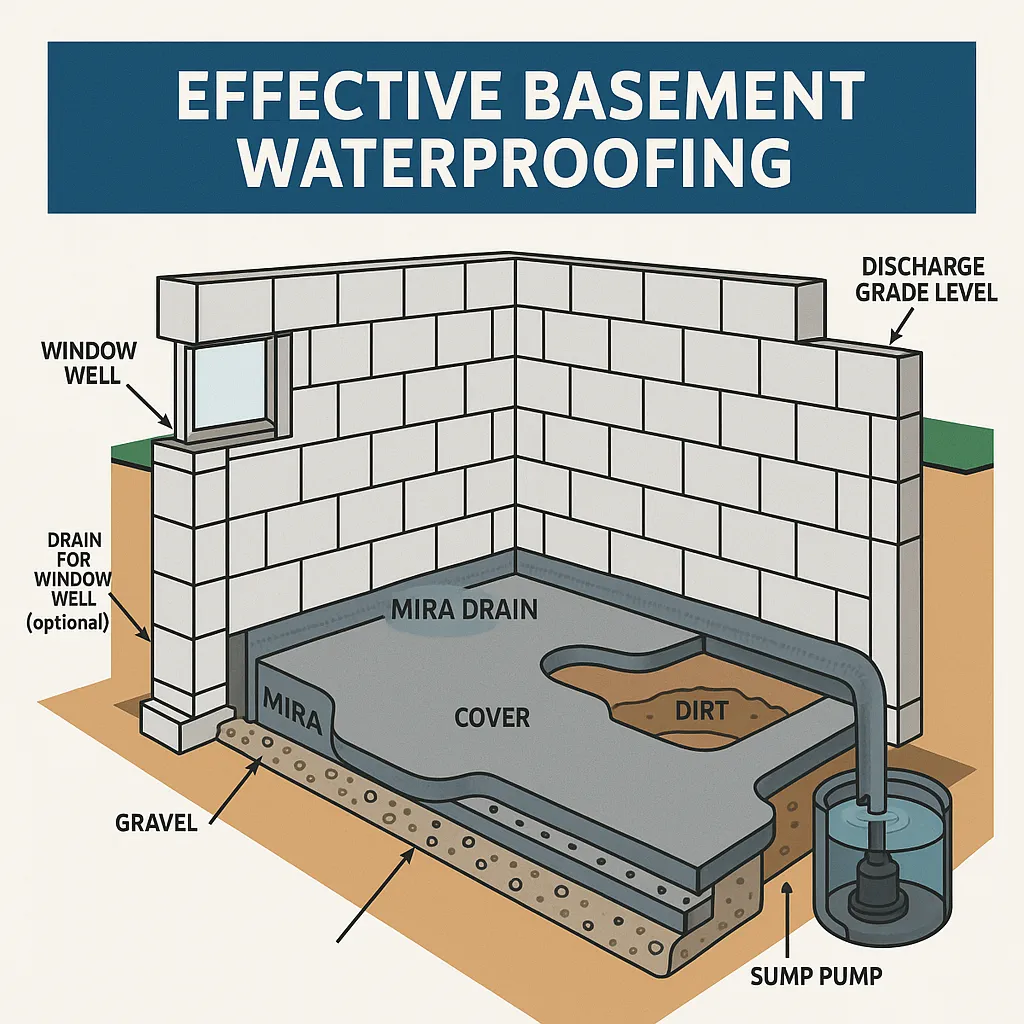
Basement Waterproofing in Millburn, NJ — Effective Basement Solutions for Moisture Control & Flood Prevention
Living in Millburn, NJ means dealing with seasonal storms and soil conditions that can send water straight to your foundation. Basement waterproofing protects your home from structural damage and costly mold problems. This guide explains common causes of basement leaks, how water harms foundations, practical interior and exterior solutions, signs to watch for, and what professional services cost — so you can decide with confidence how to protect your property.
It is written to help homeowners understand practical steps, prioritize interventions, and communicate effectively with contractors. Whether you are seeing early warning signs or planning preventive work, the information below outlines trade‑proven approaches and the reasoning behind them.
What Causes Basement Water Problems in Millburn, NJ?
Basement water issues around Millburn often come from a mix of weather and site conditions. Heavy rain increases hydrostatic pressure against foundation walls, forcing water through tiny gaps. The clay-rich soils found locally tend to hold water and shift, which can open seams in foundation materials. Finally, poor surface drainage — from inadequate grading or clogged gutters — lets rainwater pool near the foundation and worsens the problem.
Other common contributors include roof runoff that isn’t directed far enough from the house, downspouts that discharge close to the foundation, and landscaping features such as planters or hardscaping that trap water against exterior walls. Small issues can compound over seasons: a minor grading problem in one year may become a persistent seepage source after several wet seasons.
Looking at municipal water management and infrastructure helps explain why preventing basement flooding can be more complex than it first appears.
Preventing Basement Flooding with Footing Drain Disconnection
Many communities are working to reduce excessive inflow and infiltration (I/I) that overloads sewer systems during wet weather. This surge can trigger sanitary sewer overflows (SSOs) and basement backups when sewer capacity is exceeded. For example, residents of Ann Arbor, Michigan (population 114,775) have faced basement backup problems dating back to 1968.
Effective I/I Removal with Footing Drain Disconnection as a Solution for SSO and Basement Flooding, 2005
How Does Water Intrusion Affect Basement Foundations?
Water that finds its way into a basement can quickly cause a range of problems. Persistent moisture softens and weakens foundation materials, which can lead to cracks, bowing walls, and compromised structural integrity. Damp conditions also promote mold and mildew, posing health risks and reducing indoor air quality. Left unchecked, these issues drive up repair costs and can lower your home’s value.
Even when visible damage is limited to staining or efflorescence, underlying conditions can worsen silently. Moisture migrating through concrete or block can corrode embedded steel reinforcement, accelerate freeze‑thaw deterioration in colder months, and create uneven drying that stresses finishes and building components.
Understanding the pathways water uses — through joints, hairline cracks, porous masonry, or around service penetrations — helps target the most effective remediation strategy rather than relying on temporary fixes that treat symptoms instead of sources.
What Are Common Signs of Basement Moisture and Flooding?
Spotting moisture issues early gives you the best chance to limit damage. Look for these common warning signs:
- Visible Damp Spots : Wet patches on walls or floors that appear after rain or high groundwater.
- Musty Odors : A persistent, damp smell often points to hidden mold or standing water.
- Efflorescence : White, powdery residue on masonry — a sign water is migrating through the wall.
- Water Stains : Discolored or dark marks that indicate past or active leaks.
- Mold Growth : Any visible mold means moisture control is needed immediately.
In addition to those obvious indicators, pay attention to secondary signs: peeling paint or wallpaper, warped floor materials, damp insulation, and rust on mechanical equipment stored in the basement. Seasonal patterns — stains that appear only after heavy rain or spring thaws — can help pinpoint whether water is entering from surface runoff or high groundwater.
If you’re unsure whether a spot represents an active leak, mark the location with a non‑permanent tag and photograph it over several storm events to document activity. This documentation helps contractors diagnose the problem and recommend the most appropriate remedy.
| Sign of Moisture | Description | Action |
|---|---|---|
| Visible Damp Spots | Wet areas on walls or floors | Investigate source of moisture |
| Musty Odors | Unpleasant smells in the basement | Check for mold or water leaks |
| Efflorescence | White powder on walls | Indicates water seepage |
| Water Stains | Dark marks on surfaces | Assess for leaks or flooding |
| Mold Growth | Fungal growth on surfaces | Requires immediate remediation |
Catching these issues early can save time and money and prevent more extensive repairs later.
Which Interior Waterproofing Solutions Protect Your Millburn Basement?
Interior solutions are often the most practical first step to keep basements dry. Common, effective options include:
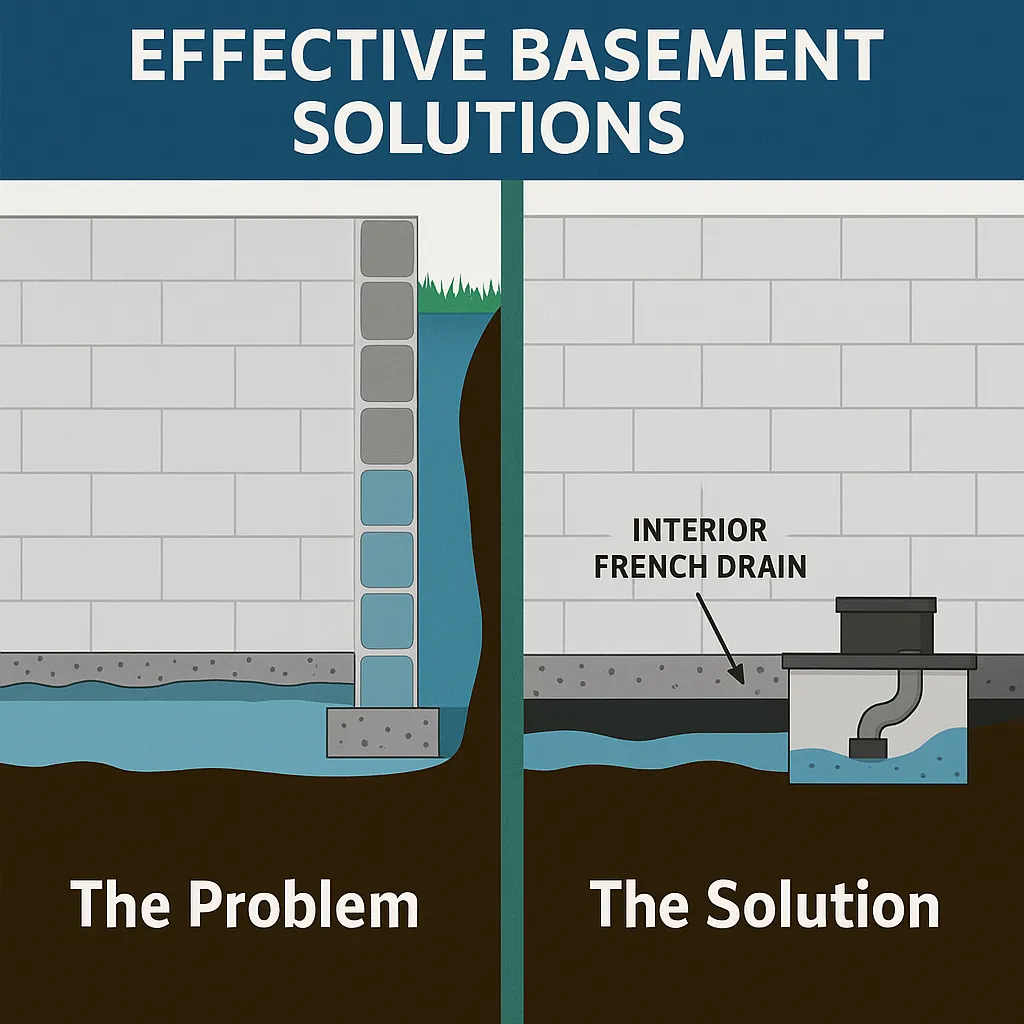
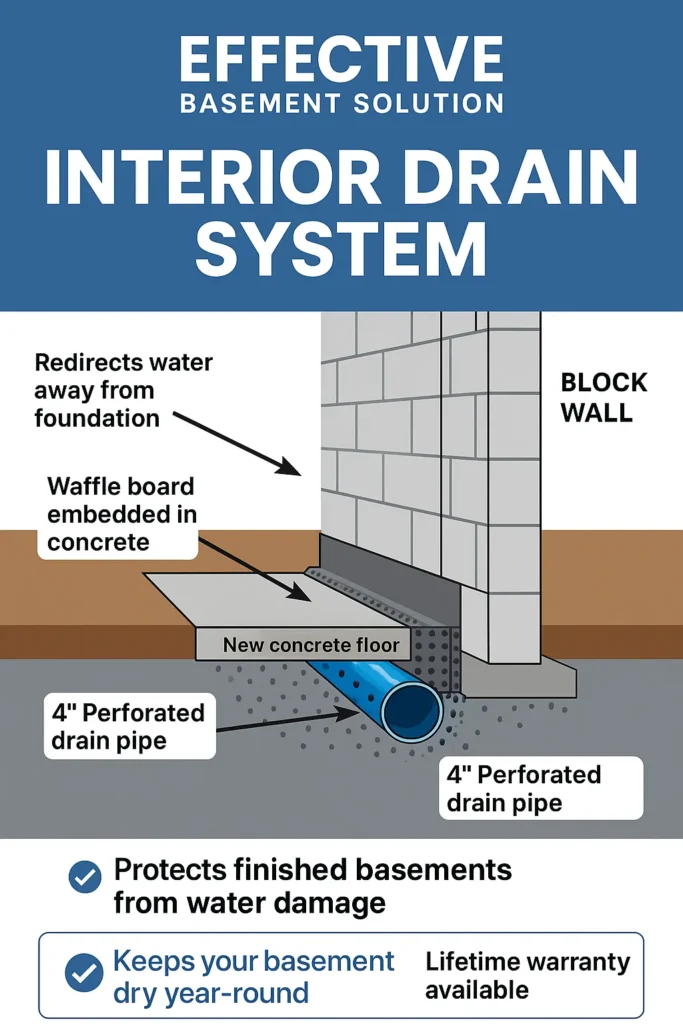
- Interior French Drains : A trench system that captures seepage at the floor perimeter and channels it to a sump pump.
- Sump Pumps : Installed in a pit to automatically remove collected water and lower humidity.
- Wall Sealants : Coatings and masonry sealers that reduce water penetration through foundation walls.
- Dehumidification Systems : Mechanical dehumidifiers keep relative humidity low and slow mold growth.
Interior systems are particularly useful when exterior excavation is impractical due to landscaping, property constraints, or budget. They are also an effective short‑term strategy to stop interior damage while planning a more permanent exterior solution. When designed and installed correctly, interior drainage systems can work for decades and are often combined with targeted wall repairs and sealants.
A properly installed interior French drain paired with a quality sump pump and a routed discharge can convert intermittent seepage into a manageable water flow that no longer damages finishes or stored items. Choosing materials rated for long life and using corrosion‑resistant fittings helps ensure years of reliable performance.
How Do Interior Drainage Systems and Sealants Work?
Interior drains intercept water before it spreads across the floor and direct it to a sump pit where a pump discharges it away from the house. Sealants supplement these systems by filling pores and small cracks in walls and floors, creating a barrier against moisture. Used together, they control both active leaks and background dampness to keep the basement dry and healthy.
Interior systems typically involve removing a small strip of floor along the foundation perimeter to install a perforated pipe set in gravel or aggregate. The pipe connects to a sump basin. Modern systems use submersible pumps with float switches and check valves to ensure reliable discharge and prevent backflow. Sealants are selected based on substrate type—epoxy and polyurethane products are common for crack injection and masonry sealing.
What Are the Benefits of Professional Basement Waterproofing Services?
Hiring a professional brings experience and long-term reliability. Key benefits include:
- Tailored Solutions : Technicians evaluate your basement and recommend systems built for your specific conditions.
- Long-Term Warranties : Many companies back their work with warranties that protect your investment.
- Expert Installations : Proper installation ensures systems work as intended and last longer.
- Improved Indoor Air Quality : Reducing moisture and mold improves the air you and your family breathe.
- Cost Savings : Preventing damage now avoids larger repair bills down the road.
Professionals can also identify less obvious problems—such as poor grading, downspout issues, or cross‑connected drains—that contribute to recurring basement moisture. A reputable contractor will show you the diagnosis, walk you through options, and explain why one approach is recommended over another.
If a contractor offers a warranty, confirm whether it covers workmanship, materials, and transferability if you sell the home. Well‑documented warranties and clear post‑installation procedures provide added peace of mind.
Effective Basement Solutions delivers these professional services so Millburn homeowners get lasting protection.
What Exterior Waterproofing Techniques Are Effective in Millburn, NJ?
Exterior work tackles water before it reaches the foundation. The most reliable exterior methods include:
- Excavation and Waterproof Membrane Application : Digging to the footing and applying a waterproof membrane to block moisture entry.
- Perimeter Drain Installation : A drain around the foundation that collects and routes water away from the home.
- Proper Grading : Re-shaping soil so surface water runs away from the foundation.
- Downspout Extensions : Directing roof runoff farther from the house to prevent pooling at the foundation.
Exterior techniques address the source of water and are often the most permanent solution because they stop water before it contacts the foundation. Excavation and membrane systems are typical when hydrostatic pressure is high or when the foundation has persistent seepage that interior measures have not stopped.
When planning exterior work, contractors also consider landscaping restoration, root protection for nearby trees, and temporary erosion control. A well‑executed exterior drainage system reduces long‑term maintenance and helps maintain the integrity of your foundation and surrounding soils.
How Does Exterior Foundation Waterproofing Prevent Water Damage?
Exterior waterproofing forms a continuous barrier and removes water before it can build up against foundation walls. Membranes and exterior drains lower hydrostatic pressure and reduce water migration through the foundation — which helps prevent leaks, cracks, and long-term structural problems.
Combining a durable membrane with a properly installed perimeter drain at the footing level creates a path for water to bypass the foundation entirely. This approach limits capillary action and pressure-driven seepage, two common mechanisms by which moisture penetrates basements.
When Is Excavation Necessary for Basement Waterproofing?
Excavation becomes necessary in certain situations, such as:
- Consistent Groundwater Issues : Frequent flooding often requires exterior drainage installed at the footing.
- Repeated Interior Fixes Failing : If interior systems don’t stop moisture, an exterior approach may provide a permanent fix.
- High Water Table Conditions : Exterior drains are often the best solution where groundwater sits near the foundation.
Excavation is a larger investment but can be the most reliable long‑term solution in the right context. Contractors will typically inspect the site to assess access, utility conflicts, and potential impacts to landscaping before recommending excavation. When performed properly, exterior work can dramatically reduce maintenance and future repairs.
How Does Sump Pump Installation Reduce Basement Flooding Risks?
A properly installed sump pump removes water before it accumulates, automatically activating when levels rise. Many systems include battery backup so they operate during power outages. Together, these features greatly reduce the chance of basement flooding and limit water damage when storms hit.
Installation also involves ensuring the discharge point is far enough from the foundation and that local codes or HOA rules about discharge are followed. A pressure switch or float switch paired with a high‑quality check valve and a screened discharge line reduces the chance of clogs and backflow.
What Are the Best Sump Pump Options for Millburn Homes?
Choosing the right sump pump depends on your basement and flow needs. Common options are:
- Submersible Pumps : Installed in the sump basin and suited for deeper pits and higher flow volumes.
- Pedestal Pumps : Mounted above the pit for easy access and ideal for lower-flow situations.
- Battery Backup Systems : Provide protection when the power goes out and storms are most severe.
For many homeowners, a combination of a reliable submersible pump with a battery backup offers the best balance of capacity and resilience. Pumps should be sized by expected inflow rate rather than guesswork; an experienced installer can calculate required capacity based on drain area, observed seepage, and likely storm intensity.
How Is Sump Pump Maintenance Performed to Ensure Reliability?
Regular maintenance keeps a sump pump ready when you need it. Key tasks include:
- Regular Inspection : Test the pump periodically to ensure it activates and pumps out water.
- Cleaning the Sump Basin : Remove debris and sediment that can clog the pump or float switch.
- Checking the Discharge Line : Make sure the discharge route is clear and directs water away from the foundation.
- Annual Professional Service : A yearly check by a pro helps catch wear and potential failures early.
Simple homeowner checks include pouring water into the sump pit to verify the pump starts and observing the discharge. Check valve operation and the condition of any backup system are critical. Replacing worn float switches, corroded fittings, or degraded discharge piping before they fail reduces the chance of an unexpected flood.
Basement Waterproofing Millburn NJ: Costs, Methods & Solutions
Costs vary depending on the scope and whether interior or exterior work is required. Interior fixes generally cost less than excavation and exterior membrane work. Many companies offer financing or payment plans to spread the investment over time. Always review warranty terms and get detailed written estimates before you decide.
When comparing estimates, look for itemized scope of work, materials specified, timelines, and warranty language. Cheaper bids that omit essential steps (such as a proper discharge or appropriate membrane thickness) can lead to higher lifetime costs. A clear, written contract helps prevent misunderstandings.
How Much Does Basement Waterproofing Typically Cost in Millburn, NJ?
Typical costs depend on the solutions chosen and job complexity. Interior drainage and sump systems tend to be more affordable than full exterior excavation. We recommend collecting multiple estimates so you can compare options and understand the average investment for your situation.
To prepare for estimates, document the problem areas, note when leaks occur, and gather photos. This information speeds diagnosis and helps contractors provide accurate proposals. Ask for references or examples of similar completed projects in the area to gauge workmanship and results.
What Financing Plans Are Available for Waterproofing Services?
Financing options can include in-house plans or third-party lenders to help homeowners manage upfront costs. Ask your contractor about plan details, eligibility, and paperwork so you know what to expect before work begins. Get any financing terms in writing with your estimate.
Some contractors offer promotional financing with fixed monthly payments or deferred interest options while others partner with home improvement lenders. Review the terms carefully for interest rates, prepayment penalties, and any fees so you can compare the actual long‑term cost of each plan.
How Can Mold Prevention Improve Basement Health in Millburn, NJ?
Preventing mold starts with keeping basements dry. Effective waterproofing reduces mold risk, improves indoor air quality, and creates a healthier living space for your family. In many cases, a dry basement also protects and can increase your home’s resale value.
In addition to structural measures, homeowners can improve basement health by controlling indoor humidity with dehumidifiers, using mold‑resistant paints and finishes, and ensuring adequate ventilation. Regular inspections and prompt repairs of any leaks are essential to prevent mold colonization before it becomes a remediation project.
What Are the Health Risks of Basement Mold and Moisture?
Basement mold and persistent moisture can cause several health concerns, including:
- Allergic Reactions : Mold exposure can trigger sneezing, runny nose, and skin irritation in sensitive people.
- Respiratory Issues : Mold spores can aggravate asthma and other lung conditions.
- Mycotoxin Effects : Certain molds produce mycotoxins that may contribute to more serious health problems in prolonged exposures.
While not every mold species produces toxins, visible mold growth is a clear indicator of moisture that needs remediation. Professional mold assessments combined with waterproofing measures ensure the environment is made inhospitable to future growth and that any existing contamination is addressed safely.
How Do Waterproofing Solutions Help Prevent Mold Growth?
By reducing moisture and improving air circulation, waterproofing solutions make basements far less hospitable to mold. Proper drainage, effective sealants, and routine maintenance keep humidity down and prevent the conditions that allow mold to take hold.
Dehumidifiers, HVAC adjustments, and ensuring that stored materials are elevated off the floor complement structural waterproofing. Together, these interventions help create dry, usable basement space that is safer and more comfortable for occupants.
What NJ Regulatory and Environmental Standards Affect Basement Waterproofing?
New Jersey follows building codes and standards such as the International Residential Code (IRC) that impact waterproofing practices. Local ordinances and permit requirements may also apply, so hiring licensed contractors familiar with state and municipal rules helps ensure your installation meets all legal and safety standards.
Permit requirements vary by municipality and often depend on whether work involves excavation, electrical work for sump pumps, or changes to stormwater discharge. A contractor experienced in local permitting processes can help streamline approvals and keep your project compliant.
What EPA Mold Prevention Guidelines Should Homeowners Know?
Homeowners should follow basic EPA recommendations for mold prevention:
- Control Moisture : Keep humidity low and fix leaks promptly.
- Fix Leaks Promptly : Repair plumbing and foundation leaks as soon as they appear.
- Use Mold-Resistant Products : When renovating, choose materials designed to resist mold growth.
The EPA emphasizes that both moisture control and prompt cleanup of wet materials are essential. When mold is present, addressing the moisture source is the first step before removal or remediation is attempted.
Why Choose Effective Basement Solutions for Basement Waterproofing in Millburn, NJ?
Choosing Effective Basement Solutions means working with local experts who know Millburn’s specific challenges. Our certified technicians offer free consultations, clear written estimates, and industry-leading warranties so homeowners get tailored solutions that last. We focus on transparency and workmanship so you can trust the job is done right.
We prioritize diagnostic clarity, showing clients where water is entering and explaining why the recommended system addresses that route. Clients receive written scopes that outline materials, installation steps, and maintenance recommendations so expectations are clear from the start.
What Free Inspection and Customized Services Does Effective Basement Solutions Offer?
Effective Basement Solutions provides free visual inspections that include moisture checks and a detailed assessment of your basement’s condition. You’ll receive a written estimate outlining recommended repairs and the rationale behind them, taking into account soil type, site grading, and building layout. Our goal is a customized plan that addresses the root cause — not just the symptoms.
Free inspections typically include a walk‑through, basic moisture mapping, and photos. For more complex situations, a contractor may recommend additional diagnostic steps such as camera inspections of drains, core testing, or a monitored test during a rain event to observe active seepage.
How Have Millburn Homeowners Benefited from Our Waterproofing Expertise?
Millburn homeowners who choose our team report faster relief from leaks, better indoor air quality, and fewer recurring issues. Professional installation and follow-through protect property values and give families peace of mind knowing their basements are dry and safe.
Improved basement conditions often enable homeowners to reclaim storage space, finish previously unusable areas, and reduce ongoing maintenance related to dampness. Long‑term, effective waterproofing protects structural components and helps avoid expensive foundation repairs.
To learn more about how basement waterproofing services can protect your home, contact us today.
Frequently Asked Questions
What is the difference between interior and exterior waterproofing methods?
Interior waterproofing manages water that has already entered the basement with systems like sump pumps and interior drains. Exterior waterproofing aims to stop water before it reaches the foundation using excavation, membranes, and exterior drains. Both approaches have roles in a complete solution — the right choice depends on your home’s condition and the source of the water.
How can homeowners prepare for a basement waterproofing project?
Prepare by clearing the area around the foundation of debris and plants, documenting existing moisture problems with photos, and gathering any previous repair records. Have a budget in mind and be ready to discuss financing options with your contractor. Clear communication and an accessible site help the job run smoothly.
Are there any DIY waterproofing solutions that homeowners can try?
Homeowners can take some initial steps: seal visible cracks with appropriate masonry sealants, improve grading around the house, and keep gutters and downspouts clean and extended away from the foundation. For persistent or structural issues, a professional assessment is the safer, longer-lasting option.
What should I look for when hiring a waterproofing contractor?
Look for experience, positive customer reviews, and proper licensing and insurance. Request detailed, written estimates and warranties, and choose a contractor who performs a thorough inspection and explains their recommended approach. A reputable company will answer questions and stand behind its work.
How often should I have my basement waterproofing system inspected?
Have your system inspected at least once a year, ideally before the rainy season. Regular checks catch clogs, wear, or failed components early. If you notice any new signs of moisture or odor, schedule an inspection right away.
What are the long-term benefits of investing in basement waterproofing?
Long-term benefits include increased property value, better indoor air quality, reduced mold risk, and avoidance of expensive structural repairs. A dry basement means a healthier home and fewer surprises down the road.
Conclusion
Proper basement waterproofing protects Millburn homes from moisture-related damage, improves indoor air quality, and preserves structural integrity. By identifying the causes of water intrusion and choosing tailored, professionally installed solutions, homeowners can avoid costly repairs and protect their investment. Contact Effective Basement Solutions to discuss a plan that keeps your basement dry and your family safe.
Start with an inspection, document the problem, and ask for a clear, written scope before work begins. With the right diagnosis and a tailored approach, most basements can be made dry, safe, and usable for years to come.