
Basement Waterproofing Kenilworth NJ: Effective French Drain & Wet Basement Repair Solutions for Homeowners
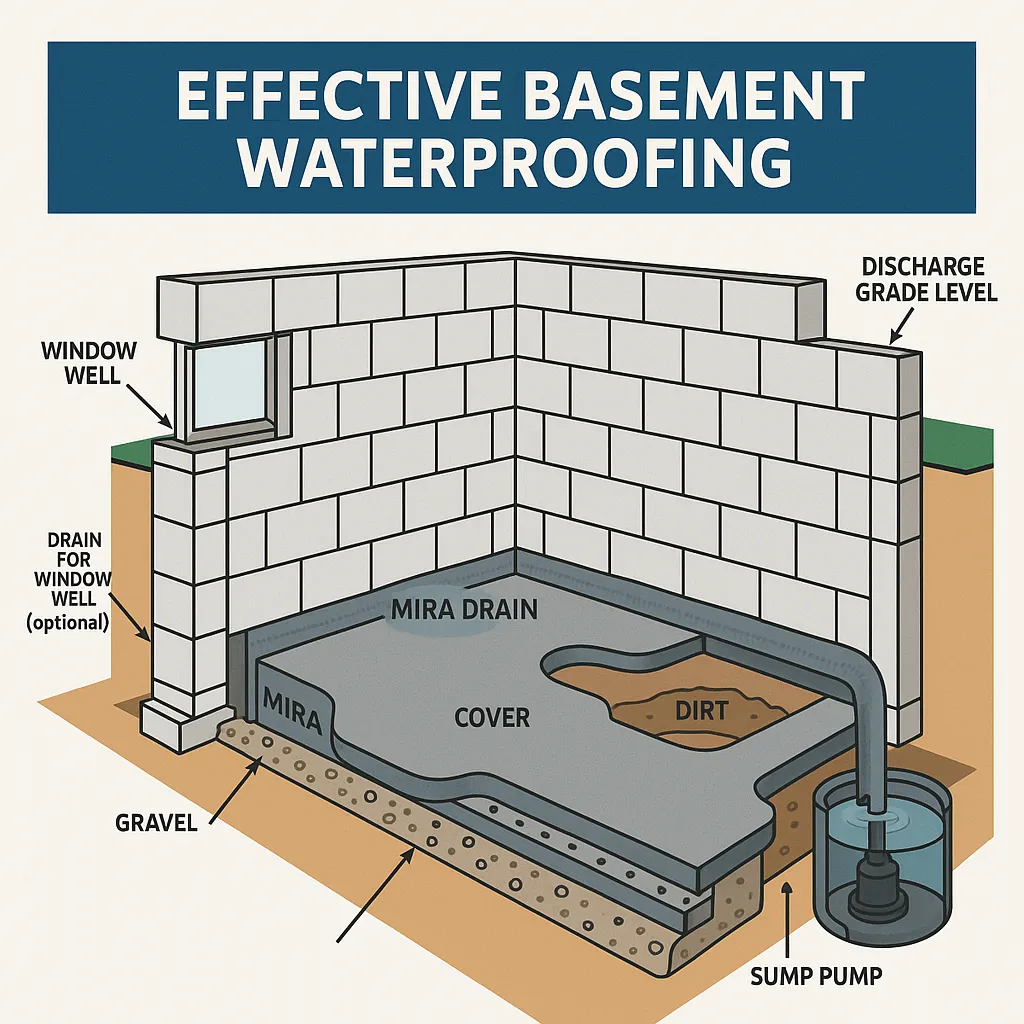
Basement waterproofing is essential for homeowners in Kenilworth, NJ, as it protects properties from water damage and mold growth. This article delves into the causes of basement leaks, the impact of local groundwater levels, and the environmental factors contributing to wet basements. Homeowners will learn about effective solutions, including French drain installation and sump pump systems, which are crucial for maintaining a dry and safe living environment. We will also explore the benefits of these systems, the installation process, and the importance of regular maintenance. By understanding these aspects, homeowners can make informed decisions about their basement waterproofing needs.
While the technical solutions vary by property, the core goal is consistent: control where water goes, prevent it from reaching vulnerable foundation elements, and provide reliable removal when water does enter. This article aims to provide practical, actionable information for homeowners evaluating options or preparing for a professional inspection.
What Causes Basement Leaks and Wet Basements in Kenilworth NJ?
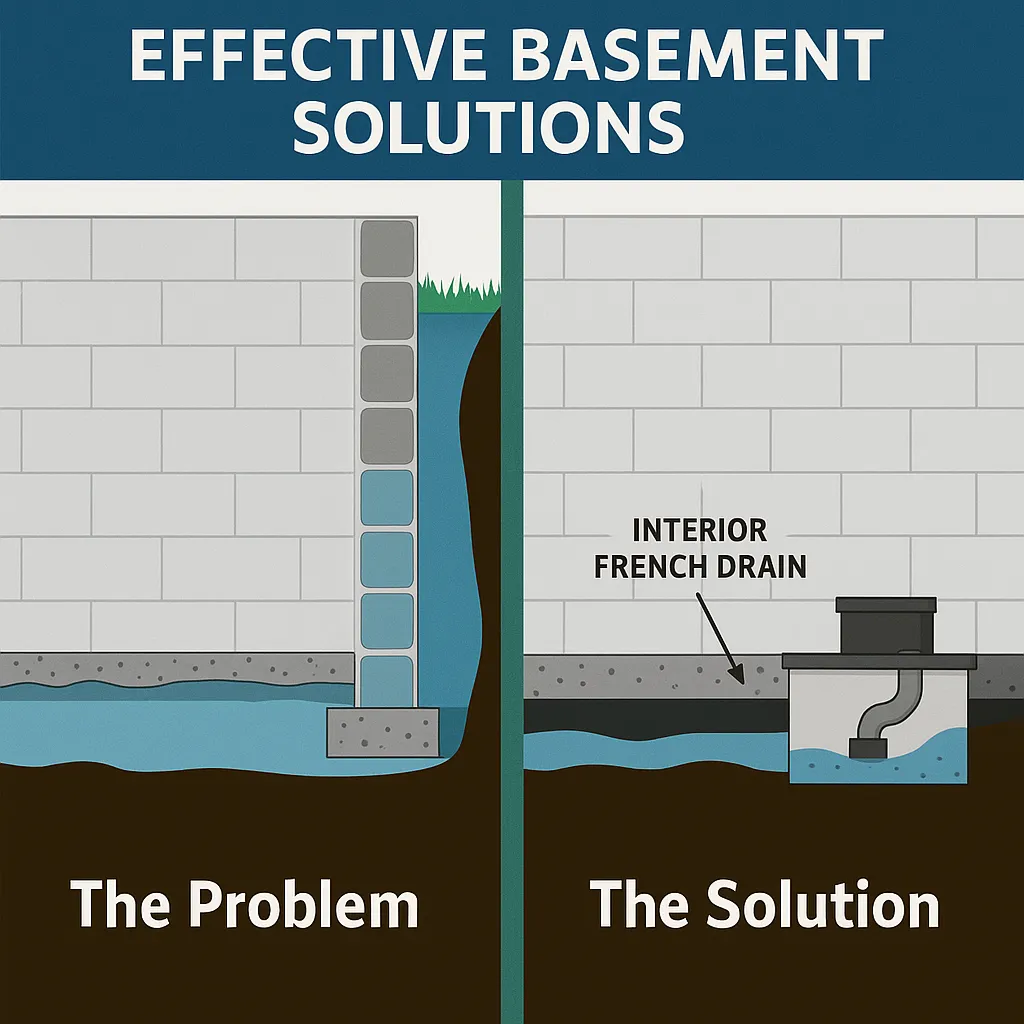
Basement leaks and wet basements in Kenilworth are primarily caused by hydrostatic pressure, poor drainage systems, and foundation defects. Hydrostatic pressure occurs when water accumulates in the soil surrounding the foundation, exerting force against the walls and floor of the basement. This pressure can lead to cracks and leaks, allowing moisture to seep into the living space. Additionally, inadequate drainage systems can exacerbate these issues, as they fail to redirect water away from the foundation effectively. Understanding these causes is crucial for homeowners seeking to prevent water intrusion and protect their properties.
Other common contributors include surface runoff directed toward the house, clogged gutters and downspouts, suboptimal grading, and nearby landscaping or hardscaping features that concentrate water near the foundation. Over time, even small, continuous seepage can cause efflorescence, paint failure, and elevated indoor humidity, which are early warning signs that preventive measures are needed.
How Do Local Groundwater Levels Impact Basement Water Intrusion?
Local groundwater levels significantly influence basement water intrusion in Kenilworth. When heavy rainfall occurs, the groundwater levels rise, increasing hydrostatic pressure against basement walls. This pressure can lead to leaks, especially in homes with poor drainage systems or compromised foundations. Homeowners should be aware of local groundwater data and monitor changes in water levels, particularly during rainy seasons. By understanding the relationship between groundwater levels and basement water issues, homeowners can take proactive measures to mitigate potential damage.
Groundwater fluctuations can be seasonal or related to longer-term trends. In practice, this means a yard that looks fine in dry months can place the foundation under stress after repeated wet periods. Simple monitoring—such as observing standing water near the foundation, recording how quickly the soil drains after storms, or noting when water appears in window wells—helps identify when groundwater is impacting a property.
What Environmental Factors Contribute to Wet Basements in Kenilworth?
Several environmental factors contribute to wet basements in Kenilworth, including soil composition, weather patterns, and grading deficiencies. Soil types that retain moisture, such as clay, can exacerbate water intrusion issues. Additionally, frequent heavy rainfall can overwhelm drainage systems, leading to increased water levels around the foundation. Grading deficiencies, where the land slopes towards the home instead of away, can also direct water towards the foundation, increasing the risk of leaks. Homeowners should consider these factors when assessing their properties for potential water intrusion risks.
Impervious surfaces like driveways and patios, downspout discharges that end too close to the foundation, and compacted soil from construction can all reduce natural infiltration and channel water toward the house. Mature trees and large shrubs affect drainage patterns as well—root systems may alter soil permeability or create pathways for water to follow. Evaluating the site as a whole is an important step before selecting a specific waterproofing strategy.
How Does French Drain Installation Prevent Basement Water Damage?
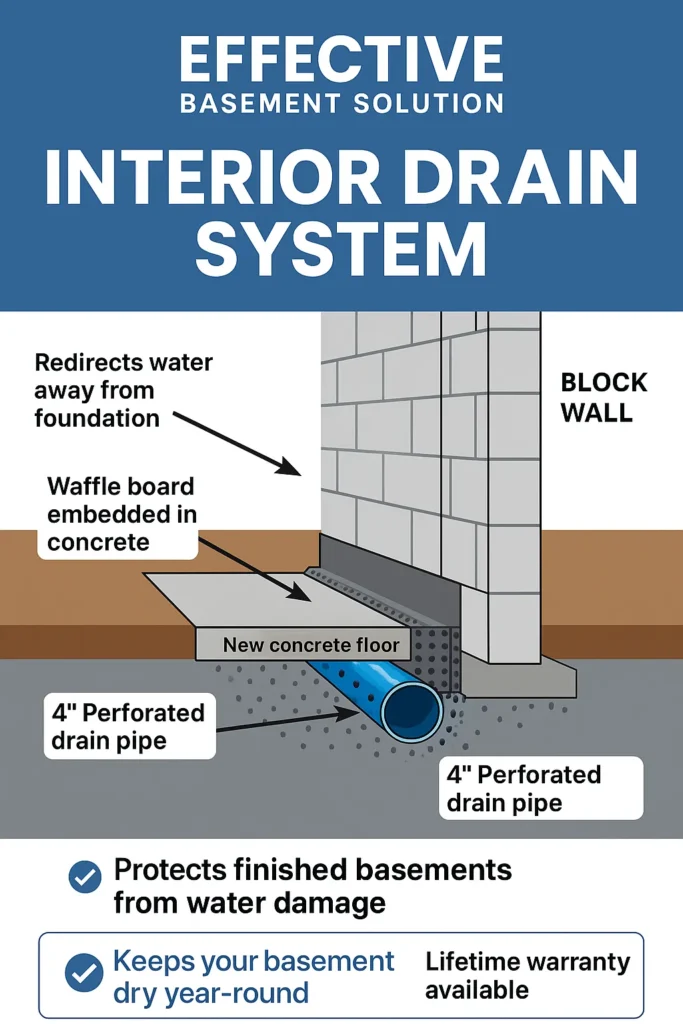
French drain installation is an effective method for preventing basement water damage. A French drain consists of a trench filled with gravel and a perforated pipe that redirects water away from the foundation. This system works by collecting water that accumulates around the foundation and channeling it away, reducing hydrostatic pressure and preventing leaks. The installation of a French drain not only protects the basement from water intrusion but also enhances the overall drainage system of the property, ensuring long-term protection against moisture-related issues.
French drains can be installed as exterior systems, which intercept water before it reaches the foundation, or as interior perimeter drains, which collect water that has already entered and direct it to a sump pump. The choice between interior and exterior installation depends on site constraints, foundation type, property landscaping, and access. Both approaches rely on proper slope, quality pipe, and adequate gravel and fabric to prevent clogging and maintain long-term performance.
What Are the Benefits of French Drains for Kenilworth Homeowners?
French drains offer several benefits for homeowners in Kenilworth:
- Effective Water Management : French drains efficiently redirect water away from the foundation, reducing the risk of leaks and water damage.
- Foundation Protection : By alleviating hydrostatic pressure, French drains help maintain the structural integrity of the foundation, preventing costly repairs.
- Increased Property Value : A well-maintained basement free from water damage can enhance the overall value of the property, making it more attractive to potential buyers.
Beyond these core benefits, French drains can reduce damp odors, lower indoor humidity, and preserve finished basement areas and storage. They are often a key component of a layered waterproofing approach that combines surface grading, gutter management, and active removal systems like sump pumps.
For homeowners seeking reliable basement waterproofing solutions, Effective Basement Solutions provides expert services tailored to meet individual needs.
How Is a French Drain System Installed in Kenilworth Basements?
The installation of a French drain system in Kenilworth basements involves several key steps:
- Initial Inspection : A thorough assessment of the property is conducted to identify areas prone to water accumulation.
- Excavation and Placement : A trench is excavated around the foundation, and a perforated pipe is placed at the bottom, surrounded by gravel to facilitate drainage.
- Testing and Handover : After installation, the system is tested to ensure proper functionality before the area is backfilled and restored.
This systematic approach ensures that the French drain effectively manages water and protects the basement from future moisture issues.
Additional considerations during installation include locating underground utilities before digging, selecting the correct pipe diameter and gravel size, and using landscape fabric to keep fines out of the drain material. The trench slope should encourage gravity flow to a safe discharge point: a storm sewer, dry well, or daylight outlet where permitted. When an outlet is not available, combining a drain with a sump and pump provides a reliable removal path.
Why Is Sump Pump Installation Essential for Wet Basement Solutions in Kenilworth?
Sump pump installation is essential for effective wet basement solutions in Kenilworth. Sump pumps actively remove excess water that accumulates in the basement, preventing flooding and water damage. They work by collecting water in a sump pit and automatically pumping it out when the water level rises. This active water removal system is crucial for homes in areas prone to heavy rainfall or high groundwater levels, as it provides an additional layer of protection against moisture intrusion.
Sump pumps are especially valuable in properties where gravity drainage is insufficient or where interior water management is the preferred option to avoid extensive exterior excavation. When paired with an interior French drain or perimeter system, a sump pump completes a dependable path for water to leave the home.
How Do Sump Pumps Work to Remove Excess Water?
Sump pumps operate by utilizing a float switch mechanism that activates the pump when water levels in the sump pit reach a certain height. Once activated, the pump expels the water through a discharge pipe, directing it away from the foundation. This process not only prevents flooding but also helps maintain a dry environment in the basement, reducing the risk of mold growth and structural damage. Regular maintenance of sump pumps is essential to ensure their reliability and effectiveness in managing excess water.
Sump pumps can be submersible or pedestal style. Submersible pumps sit inside the pit and are typically quieter, while pedestal pumps have the motor above the pit and are easier to service in some setups. Float controls vary from tethered floats to vertical floats and electronic sensors; each has trade-offs in durability and sensitivity. Many homeowners choose systems with alarms and a backup power source to guard against failures during severe weather.
Further advancements in technology allow for even more sophisticated control and monitoring of sump pump systems.
Automated Sump Pump Monitoring & Control
This project introduces a microcontroller-based system to automate sump tank monitoring, pump control, and alarm management using level sensor switches and buzzers. The tank is equipped with a level indicator for local monitoring, alongside a dipstick and sensor switches that function as control elements. These level sensor switches send signals to automatically start and stop the pump. Additionally, they provide input to the monitoring and alarm system, enabling indications for pump start/stop status, as well as triggering alarms for low-low and high-high oil level conditions.
Generator Sump Level Monitoring and Automatic Control System with Alarm Features, 2025
What Maintenance Is Required for Sump Pumps in Kenilworth Homes?
Maintaining sump pumps in Kenilworth homes involves several key tasks:
- Monthly Checks : Homeowners should regularly check the sump pump to ensure it is functioning correctly and free of debris.
- Seasonal Maintenance : Before heavy rainfall seasons, a thorough inspection and cleaning of the sump pit and pump components are recommended.
- Battery Backup Testing : Testing the battery backup system ensures that the sump pump will operate during power outages, providing continuous protection against flooding.
By adhering to these maintenance practices, homeowners can ensure their sump pumps remain effective in preventing water intrusion.
Practical monthly checks include removing visible debris from the pit, ensuring the float moves freely, manually testing the pump by pouring water into the pit until it activates, and inspecting the discharge line for clear flow. Seasonal tasks may include checking the check valve, confirming the discharge runs away from the foundation and is not blocked, and cleaning the pump intake screen. For battery backup systems, run a simulated power outage test and verify the battery age and condition, replacing the battery according to manufacturer guidance.
In addition to DIY maintenance, scheduling a professional inspection every one to three years (depending on usage and site conditions) helps identify wear, electrical concerns, or performance drift before a failure occurs.
What Are the Step-by-Step Processes for Wet Basement Repair in Kenilworth NJ?
The process for wet basement repair in Kenilworth typically involves the following steps:
- Assessment and Diagnosis : A thorough inspection is conducted to identify the source of water intrusion and assess the extent of damage.
- Repair Methods : Depending on the diagnosis, various repair methods may be employed, including crack injections, drainage system installation, or waterproofing treatments.
- Final Inspection : After repairs are completed, a final inspection ensures that all issues have been addressed and that the basement is protected against future water intrusion.
This systematic approach ensures that homeowners receive comprehensive solutions tailored to their specific needs.
During assessment, technicians will often look for water entry points, trace the flow path of water, and evaluate the integrity of the foundation and floor slab. They may use moisture meters, visual inspection, and simple water tests to confirm the source and behavior of leaks. Repair timelines depend on access, weather, and the scope of work; some short-term repairs can be completed in a day, while more comprehensive exterior excavations require more time and restoration work.
Temporary mitigation—such as running a portable dehumidifier, relocating stored items, or using sandbags during storms—can protect possessions while permanent repairs are planned. A clear written scope and warranty help homeowners understand what is being installed and how future service needs will be handled.
How Are Foundation Cracks Repaired to Prevent Water Intrusion?
Foundation cracks can be repaired using several methods, including:
- Injection Methods : Epoxy or polyurethane injections can fill cracks and create a waterproof barrier, preventing water from seeping through.
- Reinforcement Techniques : Installing steel braces or carbon fiber strips can provide additional support to compromised foundation walls.
- Drainage Improvements : Enhancing the drainage system around the foundation can alleviate hydrostatic pressure and reduce the likelihood of future cracks.
By addressing foundation cracks promptly, homeowners can prevent water intrusion and protect their properties from further damage.
Injection repairs are suitable for many non-structural and hairline cracks and can be performed from the interior or exterior in some cases. Structural repairs require evaluation by a qualified contractor or engineer, and may include wall anchors, helical tiebacks, or other reinforcement strategies to arrest movement. Complementing crack repair with improved drainage and moisture control reduces the chance of recurrence.
Which Drainage Systems Are Recommended for Effective Basement Waterproofing?
Several drainage systems are recommended for effective basement waterproofing, including:
- Interior French Drains : These systems collect water from within the basement and direct it to a sump pump for removal.
- Sump Pumps : Essential for active water removal, sump pumps work in conjunction with drainage systems to keep basements dry.
- Perimeter Drainage Systems : Installed around the foundation, these systems redirect water away from the home, reducing the risk of leaks.
Implementing these drainage solutions can significantly enhance a home’s waterproofing capabilities.
Choosing the right system often involves combining strategies: exterior grading and gutters reduce the water reaching the foundation, interior or exterior drains manage water at the foundation line, and a reliable sump pump provides active removal. Consider maintenance access, cost, landscaping impact, and local code requirements when planning a system.
How Can Mold Prevention Be Achieved After Basement Waterproofing?
Mold prevention after basement waterproofing can be achieved through several strategies:
- Humidity Control : Maintaining indoor humidity levels below 60% can prevent mold growth. Dehumidifiers can be used to manage moisture levels effectively.
- Ventilation Improvements : Ensuring proper ventilation in the basement allows for air circulation, reducing moisture buildup.
- Regular Inspections : Conducting routine inspections for signs of moisture or mold can help catch potential issues early, allowing for prompt remediation.
By implementing these strategies, homeowners can maintain a healthy and mold-free environment in their basements.
In practical terms, place dehumidifiers in areas where humidity collects, ensure exhaust fans run when needed, and keep stored items off the floor on shelving or pallets. If finishing a basement, use mold-resistant materials and maintain a small clearance between finishes and foundation walls to allow for inspection and air circulation. Routine visual checks, plus timely cleaning of spills and condensation sources, reduce the chance of mold establishing.
What Mold Risks Are Associated with Wet Basements in Kenilworth?
Wet basements pose several mold risks, including:
- Health Risks : Mold exposure can lead to respiratory issues, allergies, and other health problems, particularly for sensitive individuals.
- Common Causes : Persistent moisture, poor ventilation, and water leaks are common causes of mold growth in basements.
- Impact on Property : Mold can cause structural damage to the home and decrease property value, making it essential to address moisture issues promptly.
Understanding these risks is crucial for homeowners seeking to protect their health and property.
Early detection—spotting discoloration, musty odors, or repeated condensation—lets homeowners remediate small issues before they become widespread. When visible mold is present on porous materials, replacement of affected materials is often the most reliable long-term solution after correcting the moisture source.
Which Mold Remediation Strategies Complement Waterproofing Solutions?
Effective mold remediation strategies that complement waterproofing solutions include:
- Preventing Moisture Sources : Identifying and addressing sources of moisture, such as leaks or high humidity, is essential for effective mold control.
- Containment Strategies : Isolating affected areas during remediation prevents mold spores from spreading to other parts of the home.
- Verification Processes : Conducting post-remediation inspections ensures that mold has been effectively removed and that the environment is safe.
By integrating these strategies with waterproofing solutions, homeowners can achieve comprehensive protection against mold growth.
Remediation often begins with source control—repairing leaks and improving drainage—followed by cleaning or removing contaminated materials. Containment, using plastic sheeting and negative air pressure when appropriate, protects the rest of the home during remediation. A verification step, whether visual or through moisture measurement, confirms that conditions are suitable for restoring the space.
What Are the Costs and Benefits of Basement Waterproofing Services in Kenilworth NJ?
The costs and benefits of basement waterproofing services in Kenilworth vary based on the specific solutions implemented. Here is a breakdown of typical costs:
| Service | Cost Range |
|---|---|
| French Drain Installation | $2,000 – $5,000 |
| Sump Pump Installation | $1,000 – $2,500 |
| Waterproofing Inspection | Free Estimate ($0) |
Investing in these services can yield significant long-term benefits, including enhanced property value, improved indoor air quality, and reduced risk of water damage.
Cost drivers include the extent of excavation required, whether the basement is finished, soil conditions, required permits, landscape restoration, and the type of materials specified. Interior solutions can be less disruptive but may require space inside the basement; exterior solutions may be more durable but involve more excavation and landscaping work. Discussing options with a contractor and obtaining detailed, itemized estimates helps homeowners compare proposals and understand the return on investment.
How Much Does Basement Leak Repair Typically Cost in Kenilworth?
The typical cost range for basement leak repairs in Kenilworth is between $300 and $1,500. Factors affecting costs include the severity of the leak, the methods used for repair, and the need for additional waterproofing measures. Homeowners should seek professional assessments to obtain accurate estimates and ensure effective solutions.
Minor repairs, like sealing a single crack or applying interior sealants, can fall toward the lower end of the range, while projects requiring drainage installation, concrete work, or multiple repair methods increase the cost. Always confirm what is included in a repair estimate—labor, materials, cleanup, and any warranties—so there are no surprises after work begins.
What Are the Long-Term Benefits of Investing in Waterproofing Solutions?
Investing in waterproofing solutions offers several long-term benefits, including:
- Enhanced Structural Integrity : Proper waterproofing protects the foundation from water damage, ensuring the longevity of the home.
- Improved Indoor Air Quality : Reducing moisture levels helps prevent mold growth, leading to healthier indoor environments.
- Increased Property Value : A well-maintained, dry basement can significantly enhance the overall value of the property, making it more appealing to potential buyers.
These benefits underscore the importance of proactive basement waterproofing measures.
Additional long-term advantages include lower insurance risks for water-related claims (homeowners should confirm coverage details with their insurer), reduced maintenance costs for interior finishes, and better usable space in the basement for storage or living areas. Preventive investment typically costs less than repairing advanced water damage and mold remediation later.
How Does Effective Basement Solutions Provide Expert Waterproofing Services in Kenilworth?
Effective Basement Solutions offers a comprehensive range of waterproofing services tailored to meet the needs of Kenilworth homeowners. Their services include:
- Basement Waterproofing : Expert solutions to prevent water intrusion and protect the basement.
- Sump Pump Installation : Reliable systems to actively remove excess water and prevent flooding.
- Structural Reinforcement : Techniques to strengthen foundations and prevent damage from water pressure.
- French Drain Installation : Effective drainage systems to redirect water away from the foundation.
- Crawl Space Encapsulation : Solutions to seal and protect crawl spaces from moisture.
- Dehumidification Systems : Equipment to manage humidity levels and prevent mold growth.
- Battery and Water Backups : Systems to ensure continued operation during power outages.
By providing these expert services, Effective Basement Solutions helps homeowners maintain dry and safe basements.
Their approach typically includes an initial site assessment, a clear proposal that outlines recommended work and materials, and follow-up guidance on maintenance. Homeowners should ask for references, warranties, and details about post-installation support to ensure long-term satisfaction with the chosen solution.
What Free Inspection Services Are Offered to Kenilworth Homeowners?
Effective Basement Solutions offers free inspection services to Kenilworth homeowners, which include:
- Visual Assessment : A thorough examination of the basement and surrounding areas to identify potential water intrusion risks.
- Moisture and Humidity Measurements : Tools to assess moisture levels and identify areas prone to dampness.
- Written Estimates : Detailed reports outlining recommended solutions and associated costs.
These free inspections empower homeowners to make informed decisions about their basement waterproofing needs.
During a free inspection, technicians may review gutters and downspouts, assess grading, inspect interior finishes and foundation walls, and use moisture meters or visual cues to detect problems. A written estimate usually includes recommended next steps and options for different budgets or levels of intervention, which helps homeowners plan appropriately.
How Does Customer Education Improve Basement Waterproofing Outcomes?
Customer education plays a vital role in improving basement waterproofing outcomes. By understanding waterproofing methods, homeowners can recognize signs of moisture intrusion and make informed decisions about necessary repairs. Educated homeowners are more likely to implement preventive measures and maintain their waterproofing systems effectively, leading to better long-term results.
Education can take the form of a maintenance checklist, demonstration of pump testing, guidance on seasonal checks, and clear explanations of how installed systems work. When homeowners know how to spot early signs of trouble and perform basic maintenance, the installed solutions deliver better performance and last longer.
Where Can Kenilworth Homeowners Find Reliable Basement Drainage and Waterproofing Experts?
Kenilworth homeowners can find reliable basement drainage and waterproofing experts through local directories, online reviews, and recommendations from friends and family. Effective Basement Solutions is a trusted provider in the area, offering comprehensive services and free inspections to help homeowners address their waterproofing needs. For more information, homeowners can contact Effective Basement Solutions at +1-800-957-0075 .
When evaluating contractors, consider verifying licensing, asking for photos of completed projects, requesting references for similar local work, and confirming insurance and warranty terms. Comparing multiple estimates and focusing on clear scope descriptions helps homeowners select a contractor who aligns with their expectations and budget.
How to Choose the Right Contractor for Basement Waterproofing in Kenilworth?
When selecting a contractor for basement waterproofing in Kenilworth, homeowners should consider the following criteria:
- Licensing and Insurance : Ensure the contractor is properly licensed and insured to protect against potential liabilities.
- Reputation and Reviews : Research customer reviews and testimonials to gauge the contractor’s reliability and quality of work.
- Detailed Estimates : Obtain written estimates that outline the scope of work, materials used, and total costs to avoid unexpected expenses.
By following these guidelines, homeowners can choose a reputable contractor who meets their waterproofing needs effectively.
Additional helpful criteria include asking about warranties on workmanship and materials, confirming who is responsible for landscape restoration after exterior work, and verifying how change orders are handled if unforeseen conditions arise. A reliable contractor will explain options, show examples of past projects, and communicate expected timelines clearly.
What Reviews and Testimonials Support Effective Basement Solutions’ Reputation?
Effective Basement Solutions has garnered positive reviews from satisfied customers, highlighting their professionalism, expertise, and effective solutions. Customers appreciate the thorough inspections and tailored recommendations provided by the team, which have helped many homeowners successfully address their basement waterproofing challenges. These testimonials reflect the company’s commitment to quality service and customer satisfaction.
Homeowners reading reviews should look for consistent feedback about punctuality, cleanup, responsiveness to questions, and post-installation support. Positive reviews that reference similar property types or issues can be particularly informative when comparing contractors.
Frequently Asked Questions
What are the signs that my basement needs waterproofing?
Signs that your basement may need waterproofing include visible water stains on walls or floors, musty odors, mold growth, and increased humidity levels. Additionally, if you notice cracks in the foundation or water pooling around the exterior of your home after heavy rainfall, these are indicators that moisture is penetrating your basement. Regular inspections can help identify these issues early, allowing for timely intervention and preventing more extensive damage.
Other indicators include efflorescence (white mineral deposits on masonry), peeling paint, warped flooring near exterior walls, or persistent dampness even when the weather is dry. Paying attention to these signs helps prioritize an inspection and appropriate remediation.
How often should I perform maintenance on my waterproofing systems?
It is recommended to perform maintenance on your waterproofing systems at least once a year. This includes checking sump pumps, inspecting French drains, and ensuring that gutters and downspouts are clear of debris. Additionally, seasonal checks before heavy rainfall can help identify any potential issues. Regular maintenance not only prolongs the life of your systems but also ensures they function effectively, protecting your basement from water intrusion.
In higher-risk properties or those with frequent pump activity, increase checks to quarterly. Keep a simple log of tests and any maintenance performed so trends in performance are visible over time.
Can I waterproof my basement myself, or should I hire a professional?
While some minor waterproofing tasks can be done by homeowners, such as sealing small cracks or ensuring proper drainage, hiring a professional is advisable for comprehensive solutions. Professionals have the expertise and tools to assess the specific needs of your basement, implement effective waterproofing systems, and ensure compliance with local building codes. This investment can save you time and money in the long run by preventing costly water damage.
Small preventative actions—like cleaning gutters, extending downspouts, regrading soil, and applying surface sealants—are reasonable DIY tasks. For interior perimeter drains, major excavations, structural concerns, or where warranties and code compliance matter, professional installation is recommended.
What is the average lifespan of a sump pump?
The average lifespan of a sump pump is typically between 5 to 10 years, depending on usage and maintenance. Factors such as the quality of the pump, frequency of operation, and the environment in which it operates can affect its longevity. Regular maintenance, including cleaning the sump pit and testing the pump, can help extend its life. Homeowners should consider replacing their sump pump proactively to avoid unexpected failures during critical times.
Pumps that run frequently or handle silt and debris tend to have shorter lifespans, so monitoring runtime and service records helps determine replacement timing. Installing a battery backup or secondary pump can reduce the risk associated with a single pump failure.
Are there any financing options available for basement waterproofing services?
Many basement waterproofing companies, including Effective Basement Solutions, offer financing options to help homeowners manage the costs of necessary repairs and installations. These options may include payment plans, low-interest loans, or promotional financing. It’s advisable to inquire about available financing during your initial consultation, as this can make it easier to invest in essential waterproofing solutions without straining your budget.
When evaluating financing, compare interest rates, loan terms, and total cost over time. Some homeowners choose phased approaches—addressing the most urgent work first and planning additional upgrades later to spread costs while improving protection incrementally.
How can I improve drainage around my home to prevent basement flooding?
Improving drainage around your home can significantly reduce the risk of basement flooding. Start by ensuring that your gutters and downspouts are clean and directing water at least 6 feet away from the foundation. Additionally, consider grading the landscape to slope away from the house, and install French drains or dry wells to manage excess water. Regularly inspect these systems to ensure they are functioning properly and address any issues promptly.
Other practical measures include maintaining vegetation to reduce soil compaction, avoiding planting large water-loving trees next to the foundation, and using permeable materials in landscaping to encourage infiltration where appropriate. In some yards, installing a dry well or a dedicated discharge area helps manage seasonal runoff without impacting neighboring properties.
What should I do if I find mold in my basement after waterproofing?
If you discover mold in your basement after waterproofing, it’s crucial to address it immediately. Start by identifying and eliminating the source of moisture that is allowing mold to thrive. Next, clean the affected areas using appropriate mold remediation techniques, which may include using specialized cleaning solutions or hiring a professional service. After remediation, ensure that your waterproofing systems are functioning correctly to prevent future mold growth.
For small, non-porous areas, homeowners can often clean surfaces with detergent and water and allow them to dry thoroughly. For larger or porous material contamination, professional remediation is recommended. Use personal protective equipment when cleaning mold and ventilate the area to reduce inhalation risk. Confirm that humidity and moisture sources have been corrected before finishing or reinstalling materials.
Conclusion
Investing in basement waterproofing solutions is essential for Kenilworth homeowners seeking to protect their properties from water damage and mold growth. By implementing effective systems like French drains and sump pumps, homeowners can enhance their property’s structural integrity and overall value. Understanding the importance of regular maintenance and professional assessments further reinforces the value of these solutions. Take the first step towards a dry and safe basement by exploring our expert services today.
If you suspect water issues or want a professional evaluation, schedule a no-cost inspection to discuss tailored options, seasonal maintenance tips, and financing choices. Proactive action preserves both the livability and value of your home.