
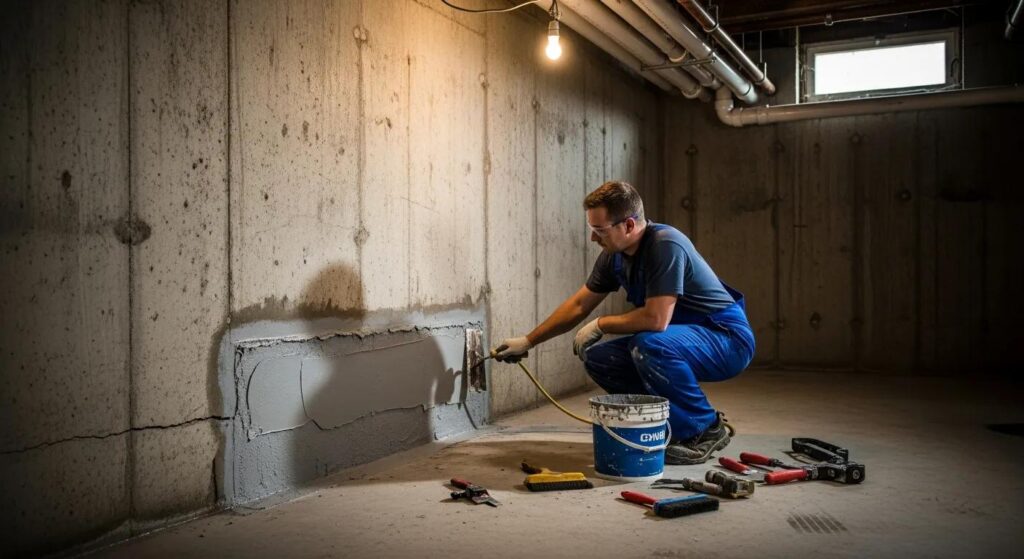
Basement Waterproofing in Linden, NJ — Practical, Long‑Lasting Solutions for Moisture and Leaks
Protecting your basement from water and mold is a smart investment for Linden homeowners. This guide covers why basements leak, how local weather and soil affect moisture, and the common interior and exterior waterproofing approaches, plus sump pump options, basic upkeep, typical costs, and permitting considerations so you can choose a long‑term solution with confidence.
Key Takeaways
- Waterproofing prevents structural damage and mold in Linden homes.
- Hydrostatic pressure, foundation cracks, and poor drainage are common causes.
- Local rainfall and soil type influence basement moisture risk.
- Interior waterproofing is less disruptive and often more affordable.
- Exterior waterproofing addresses root causes and lasts longer but costs more.
- Sump pumps provide an effective last line of defense against flooding.
- Regular sump checks and maintenance keep flood protection reliable.
- Typical projects range roughly from $3,000 to $15,000; financing is often available.
- Local codes and incentive programs can affect scope and permitting.
What Causes Basement Water Intrusion in Linden, NJ?
Most leaks stem from hydrostatic pressure, foundation cracks, or poor surface drainage. Saturated soil forces water through gaps and porous materials; soil movement can open cracks; and clogged gutters, improper grading, or misdirected downspouts let runoff collect at the foundation. Identifying the cause guides the right repair approach.
How Do Local Environmental Factors Affect Basement Moisture?
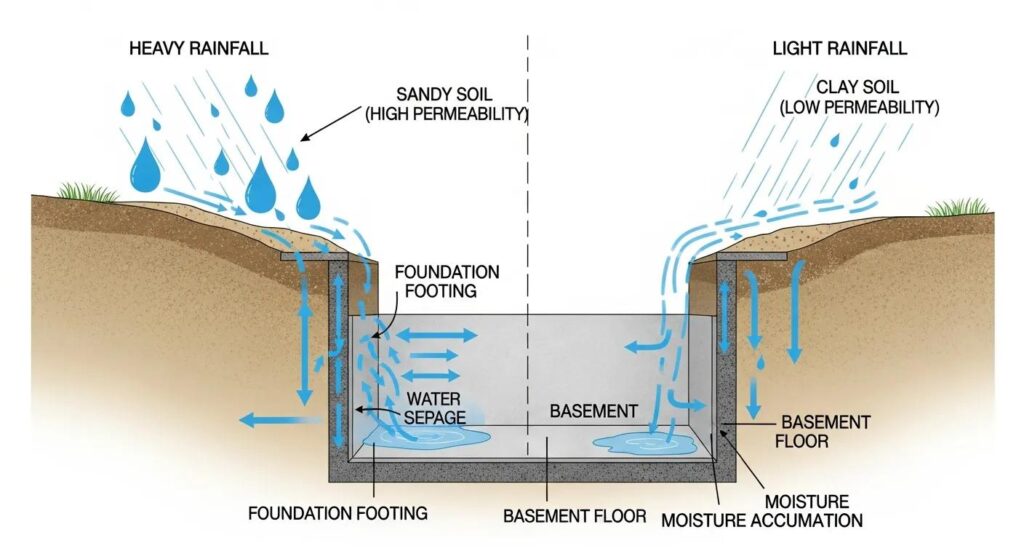
Linden’s heavier rains and areas with clay‑rich soil increase hydrostatic pressure and slow drainage. Freeze‑thaw cycles can widen cracks. Assess yard grading, soil type, and local precipitation patterns when deciding between interior fixes, exterior excavation, or a combined solution.
Which Basement Waterproofing Methods Are Best for Linden Homes?
Choose the method that matches the leak source, budget, and how much disruption you can accept.
- Interior Waterproofing: Sealants, membranes, and interior drains that redirect water to a sump. Faster and less invasive.
- Exterior Waterproofing: Excavation to apply exterior coatings, membranes, and perimeter drains to stop water before it reaches the foundation.
- Sump Pump Installation: A sump basin and pump collect and expel groundwater away from the house to reduce flood risk.
| Method | Description | Cost |
|---|---|---|
| Interior Waterproofing | Sealants, wall membranes, and internal drains that divert water to a sump or out of the basement | $1,500 – $5,000 |
| Exterior Waterproofing | Excavation, exterior drainage, and waterproof coatings applied to the foundation exterior | $3,000 – $15,000 |
| Sump Pump Installation | Installing a sump pit and pump to collect and pump groundwater away from the foundation | $1,000 – $3,000 |
Effective Waterproofing provides tailored solutions for Linden homeowners, matching methods to each home’s layout and the source of moisture so properties stay dry long term.
What Are the Benefits of Interior vs. Exterior Waterproofing?
Interior systems are usually quicker and less disruptive, managing water once it gets in. Exterior systems prevent water from reaching the foundation and provide more complete long‑term protection but require excavation and higher upfront cost. Often a combined approach (exterior repairs plus interior drainage and a sump) gives the best protection.
How Does Crawl Space Waterproofing in NJ Prevent Moisture Issues?
Encapsulating a crawl space with a vapor barrier, adding insulation as needed, and installing drainage or a dehumidifier controls humidity, prevents mold, and protects structural elements. Proper treatment improves indoor air quality and can lower heating and cooling loads in humid or flood‑prone areas.
How Does Basement Sump Pump Installation Prevent Flooding?
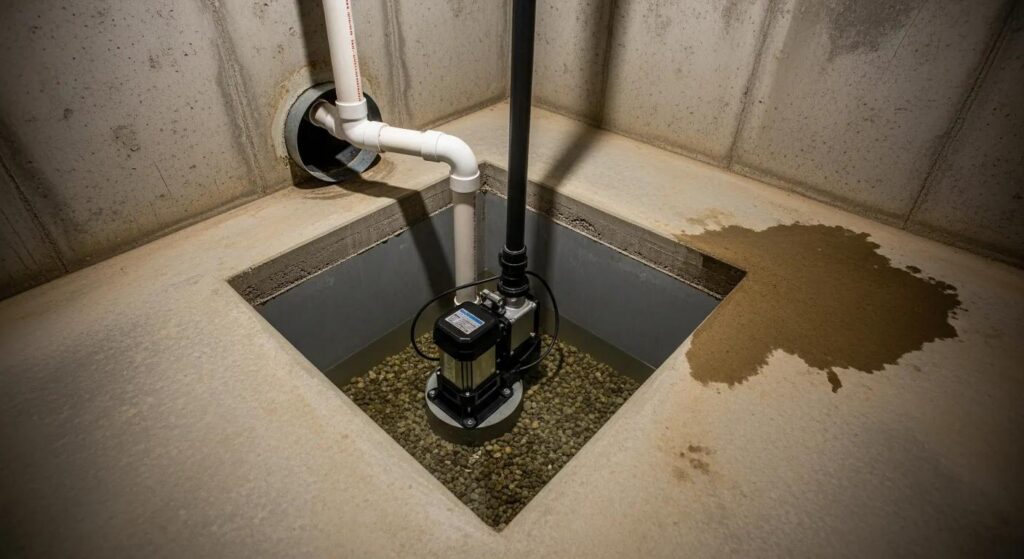
A sump pump relieves hydrostatic pressure by collecting groundwater in a pit and pumping it away from the foundation. It’s effective during heavy rains or rapid snowmelt. For reliability, pair the pump with correct drainage and a backup power option (battery or generator) for outages.
What Maintenance Is Required for Sump Pumps in Linden Basements?
Simple regular maintenance keeps a sump pump ready:
- Inspect the Pump: Check for corrosion, loose fittings, or wear.
- Clean the Sump Pit: Remove debris and sediment so water flows freely.
- Test the Pump: Pour water into the pit to confirm activation and discharge.
Periodic professional checks help ensure the system operates during peak storms.
What Are the Costs and Financing Options for Basement Waterproofing in Linden?
Costs depend on method and scope. Targeted interior fixes often start around $3,000, while full exterior systems can reach $15,000. Many contractors offer financing or payment plans and provide a free inspection and written estimate to compare options before committing.
Are There Local Incentives or Regulations Affecting Waterproofing Services?
Building codes and permit requirements can affect projects that involve excavation. Some municipalities or utility programs may offer incentives for stormwater or energy‑saving upgrades. Check with local authorities or your contractor about permits and available programs before starting work.
For more details about protecting your home, consider reviewing Effective Waterproofing services.
Frequently Asked Questions
What are the signs that my basement needs waterproofing?
Look for water stains, damp or musty smells, visible mold, peeling paint, efflorescence, foundation cracks, wet floors after rain, or standing water. These indicate it’s time to act.
How long does the basement waterproofing process take?
Interior jobs often finish in one to three days; exterior projects usually take several days to a week due to excavation and drying. Sump pump installs can often be done in a day. Your contractor will provide a project‑specific timeline.
Can I waterproof my basement myself, or should I hire a professional?
DIY tasks like cleaning gutters or patching minor cracks can help, but professionals deliver long‑term, code‑compliant solutions, identify root causes, and provide warranties that avoid recurring problems.
What is the best time of year to perform basement waterproofing?
Late spring and early fall are often best because the ground is drier, easing excavation and drying. Scheduling before heavy rains or snowmelt reduces immediate post‑install risk.
Are there any warranties or guarantees for waterproofing services?
Many companies offer warranties on workmanship and materials; terms vary. Review warranty length, coverage, and maintenance requirements to keep it valid.
How can I improve drainage around my home to prevent basement flooding?
Keep gutters and downspouts clear and direct runoff at least six feet from the foundation. Adjust grading so soil slopes away from the house, and consider French drains or other surface drains. Avoid planting large trees too close to foundations.