
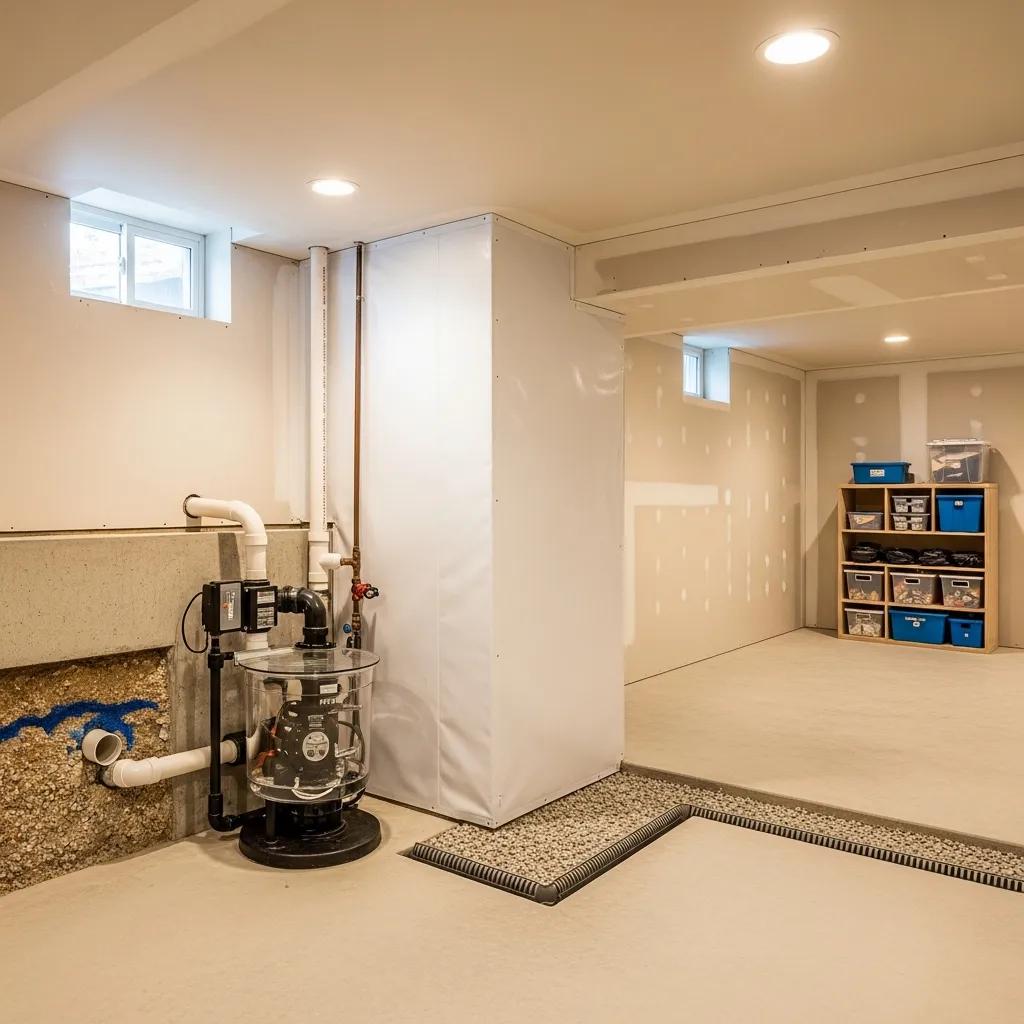
Basement Waterproofing in Wayne, NJ — Practical Solutions to Keep Your Home Dry
Basement waterproofing is a practical investment for Wayne homeowners. Proper systems stop water entry, protect the foundation, limit mold growth, and maintain home value. This guide summarizes common causes, proven methods, and how sump pumps and moisture control fit together to keep basements dry.
Key Takeaways
- Prevents water intrusion and protects the foundation.
- Hydrostatic pressure and foundation cracks are common causes.
- French drains and sump pumps are effective drainage solutions.
- Interior measures — dehumidifiers and vapor barriers — control indoor moisture.
- Exterior work (grading, membranes) stops water before it reaches the foundation.
- Sump pumps remove collected water during storms.
- Mold prevention protects health and building materials.
- Follow local codes and environmental rules when planning work.
What Causes Basement Water Intrusion in Wayne, NJ?
Water enters basements when groundwater or surface runoff finds gaps in the foundation or flows beneath slabs. Hydrostatic pressure (groundwater pushing on walls), foundation cracks from settling or freeze–thaw cycles, and poor surface drainage — clogged gutters or low grading — are the most common drivers.
Addressing hydrostatic pressure and improving drainage are the primary strategies to prevent leaks.
Managing Hydrostatic Pressure to Prevent Basement Damage
Reducing high groundwater pressure around foundations helps keep basements free of leaks and moisture-related damage. Increasing awareness of hydrostatic pressure relief can improve the safety and usability of underground spaces.
Relief of hydrostatic pressure to maximise the occupancy of underground spaces, 2016
Common sources of basement leaks and moisture problems
Spotting the usual causes helps prioritize repairs. Common sources include:
- Hydrostatic Pressure : Groundwater pushing against walls and floors.
- Foundation Cracks : Entry points for water from settling or temperature shifts.
- Clogged Gutters : Overflow directs surface water toward the foundation.
Fixing these issues promptly lowers the chance of more extensive, costly repairs.
Which Basement Waterproofing Methods Are Best for Wayne, NJ Homes?
Choose methods based on the leak source and budget. Common, effective options include:
- French Drain Systems : Subsurface channels that move water away from the foundation.
- Sump Pumps : Collect and discharge water from a sump basin.
- Vapor Barriers : Seals that reduce moisture transfer through walls and floors.
Combining interior and exterior solutions usually gives the most reliable long-term protection.
Interior waterproofing techniques for moisture control
Interior measures manage moisture that reaches the basement and improve indoor comfort. Typical options:
- Dehumidification : Lowers humidity to slow mold growth.
- Interior Drainage Systems : Capture seepage and route it to a sump pump.
- Vapor Barriers : Seal surfaces to reduce dampness.
Interior approaches are often quicker and less invasive than exterior excavation and work well when paired with proper drainage.
Exterior waterproofing approaches and foundation protection
Exterior solutions stop water at the source. Key techniques include:
- Excavation and Membrane Application : Apply an exterior membrane to block moisture.
- Grading Corrections : Re-slope soil so runoff moves away from the house.
- Foundation Crack Repair : Seal and reinforce cracks to prevent leaks.
Properly executed exterior work reduces recurring interior repairs and improves long-term performance.
How Does Sump Pump Installation Prevent Basement Flooding in Wayne, NJ?
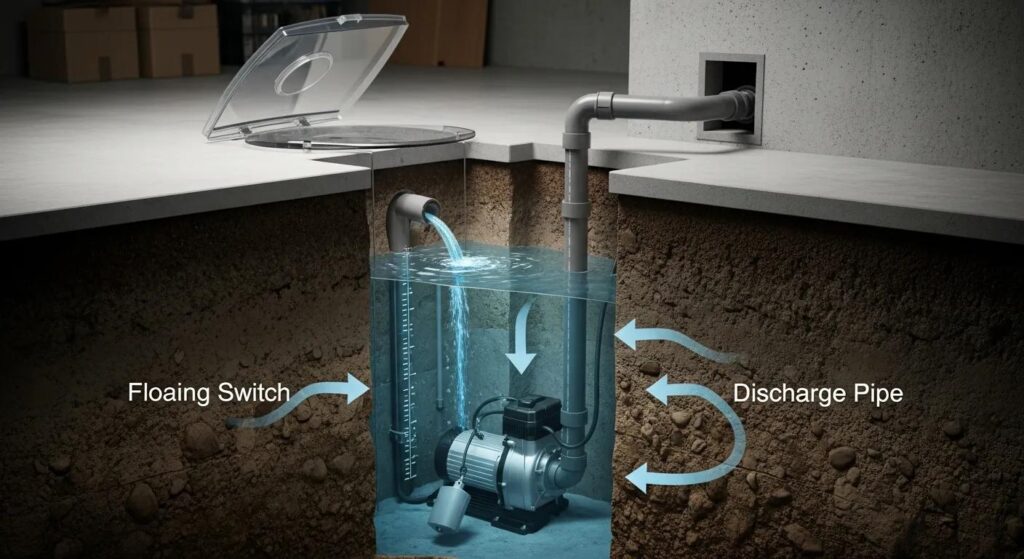
Sump pumps collect water in a basin and discharge it away from the home, helping during heavy rain or rapid snowmelt. A working pump lowers standing water and can reduce basement humidity and mold risk when combined with good drainage.
Research continues to evaluate exact performance, but in practice sump pumps are a proven component of comprehensive waterproofing plans.
Evaluating Sump Pump Impact on Residential Infiltration
Source-control measures such as redirecting roof downspouts and lining private laterals, combined with voluntary sump pump installation, can reduce residential infiltration. While some control methods have well-documented results, more monitoring is needed to fully quantify sump pump effectiveness.
Monitoring Effectiveness of Sump Pump on Reducing Private Infiltration/Inflow, 2018
Choosing the right sump pump for local conditions
Select a pump based on volume, site access, and backup needs:
- Pump Type : Submersible pumps manage larger volumes.
- Backup Systems : Battery or water-powered backups keep pumps working during outages.
- Maintenance Access : Place pumps where inspection and service are straightforward.
Match pump size and backup options to your property’s runoff patterns and basement layout.
Maintenance tips for sump pump longevity and reliability
Regular maintenance keeps the system ready. Key steps:
- Regular Inspections : Remove debris and ensure the float operates freely.
- Monthly Testing : Pour water into the basin to confirm the pump starts and discharges properly.
- Annual Professional Maintenance : Have a technician check the system for wear and proper operation.
Routine checks and prompt repairs extend pump life and reduce flood risk.
Why Is Mold Prevention Important in Basement Waterproofing?
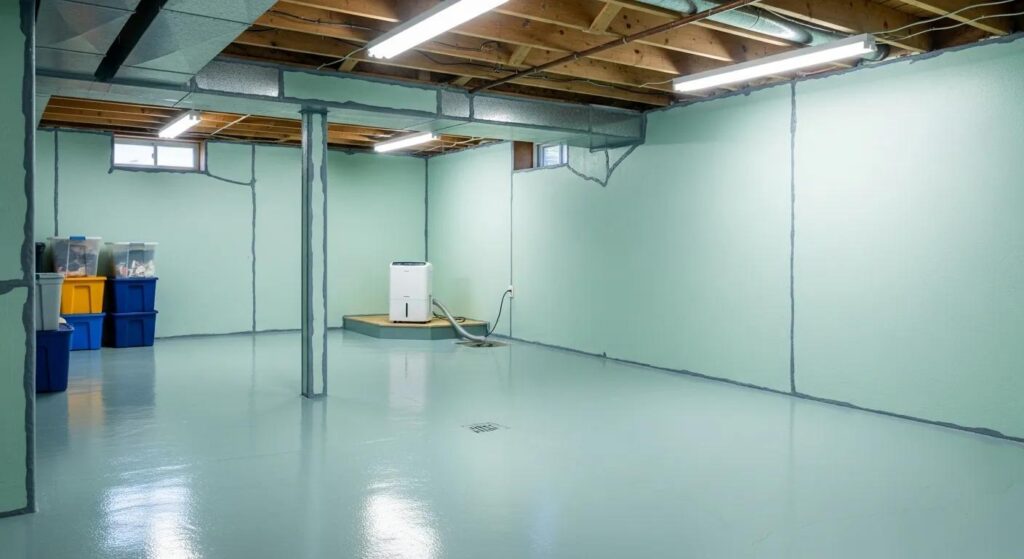
Basements are naturally prone to moisture. Persistent dampness damages materials and can harm occupants’ respiratory health. Effective waterproofing and humidity control reduce the conditions mold needs to grow, protecting both structure and health.
How moisture control reduces mold growth risks
Control moisture with dehumidifiers, sealed walls/floors, good drainage, and regular inspections. Early leak detection and repair keep humidity low and prevent mold from establishing.
Local regulations and environmental considerations in Wayne, NJ
Any waterproofing plan should follow local building codes and environmental rules. Wayne and nearby municipalities may regulate sump pump discharge and other drainage methods to protect public systems and groundwater. Use a licensed contractor who knows local requirements.
Match strategies to your property’s conditions and local rules to ensure a compliant, durable solution.
| Service Type | Method | Benefit |
|---|---|---|
| Interior Waterproofing | Dehumidification | Reduces humidity and prevents mold |
| Exterior Waterproofing | Excavation and Membrane Application | Blocks water from reaching the foundation |
| Sump Pump Installation | Submersible Pumps | Efficiently removes accumulated water |
To learn more about comprehensive options and local expertise, visit Effective Waterproofing for service details and examples.
For a deeper overview of typical solutions and project scopes, see basement waterproofing services .
When choosing a contractor for basement waterproofing , select a team familiar with Wayne’s site conditions and permitting requirements to ensure safe, compliant work.
Frequently Asked Questions
What are the signs that my basement needs waterproofing?
Look for water stains, musty odors, visible mold, peeling paint, or efflorescence (white powder). New cracks, persistent dampness, or elevated indoor humidity also indicate a need for inspection.
How long does the basement waterproofing process take?
Timelines vary by method. Interior work like sump pump or dehumidifier installation often takes a day or two. Exterior excavation and membrane installation usually require several days, depending on conditions.
Are there any DIY methods for basement waterproofing?
Some tasks (sealing small cracks, installing a vapor barrier) can be DIY, but major work — French drains, sump pumps, exterior membranes — is best left to professionals to ensure effectiveness and code compliance.
What is the cost of basement waterproofing in Wayne, NJ?
Costs depend on basement size, issue severity, and chosen methods. Interior solutions are typically less expensive than exterior excavation or structural repairs. Get multiple estimates to compare approaches and warranties.
How can I maintain my waterproofed basement?
Maintain systems by clearing gutters, checking grading, testing the sump pump monthly, inspecting for new cracks or damp spots, and scheduling annual professional check-ups. Monitor humidity with a hygrometer.
What should I do if I find mold in my basement?
Stop the moisture source, protect yourself (gloves, mask), and clean small areas with detergent or an appropriate cleaner. For large or recurring infestations, hire a professional remediation service and address the underlying moisture problem.
Conclusion
Investing in basement waterproofing in Wayne, NJ protects your home from water damage and improves livability. Identify the moisture source, combine interior and exterior measures — sump pumps, drains, vapor barriers, proper grading — and work with a local professional to implement a compliant, durable plan.