
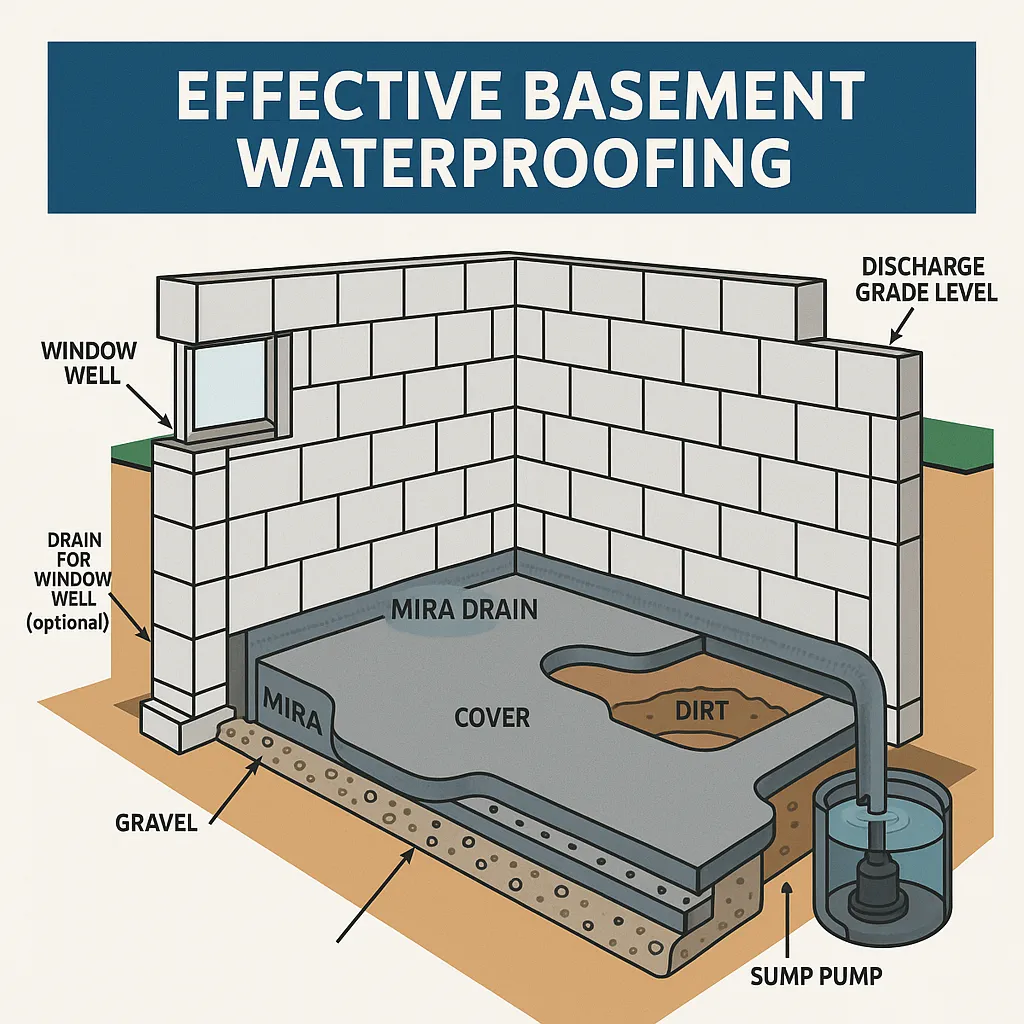
Keep Your Cedar Grove Basement Dry with Expert Waterproofing
Water in the basement is more than an annoyance — it can damage your home and your health. In Cedar Grove, NJ, homeowners face common risks from foundation leaks, poor drainage, and groundwater pressure. This article explains why basements leak, what typical flooding problems look like, and the effective steps contractors take to keep your space dry. We cover sump pump systems, crawl space encapsulation, interior drainage, and other practical solutions. For local, experienced service, learn how Effective Basement Solutions can help you protect your home.
Beyond immediate damage, persistent moisture affects indoor air quality, finishes, stored belongings, and long-term durability of structural materials. Homeowners often overlook early warning signs or apply temporary fixes that don’t address the underlying cause. This guide is written to help you understand the common pathways water uses to enter homes in Cedar Grove and to outline practical, durable strategies contractors use to stop it.
Throughout the article we describe typical systems, what to expect from an inspection, how to maintain installations, and how to compare options so you can make informed decisions when hiring a contractor. The recommendations are focused on practical prevention and repair without unnecessary complexity.
What Causes Basement Water Intrusion in Cedar Grove, NJ?
Basement leaks usually come from a few predictable problems: hydrostatic pressure from saturated soil, cracks or gaps in the foundation, and surface drainage that directs water toward the house. When groundwater builds against your foundation it finds the smallest openings — joints, cracks, or poorly sealed penetrations — and forces moisture inside. Fixing the drainage and repairing entry points are the first steps to preventing repeat issues.
In many homes multiple causes act together: a clogged gutter that overflows during storms combined with poor exterior grading, or a small foundation crack coupled with high water table conditions. A thorough inspection distinguishes primary causes from secondary symptoms so repairs are targeted and effective.
Seasonal shifts can also make issues intermittent. A basement that is dry for much of the year may leak only after prolonged rainfall or rapid snowmelt; these episodic events are often caused by temporary spikes in hydrostatic pressure or temporary blockages in exterior drainage systems.
Common Basement Flooding and Moisture Issues in NJ Homes
Homes across New Jersey commonly face several moisture problems in basements, including:
- Hydrostatic Pressure : Groundwater pressing on walls and floors can cause leaks and seepage.
- Surface Runoff : Heavy rain running toward the foundation increases flood risk.
- Foundation Cracks : Small openings let moisture in, and untreated cracks can lead to mold and structural damage.
Tackling these issues early prevents more costly repairs later and keeps your living space healthy.
Additional common problems include condensation on cold surfaces when humidity is high, poor ventilation that traps moisture, and failed or undersized drainage systems. Sometimes basements show staining or salt deposits that indicate long-term moisture migration rather than isolated leaks; these signs help contractors determine whether interior or exterior work will be more effective.
How Climate Change and Urban Runoff Increase Flooding Risks
Heavier, more frequent storms and expanding impervious surfaces in urban areas make water management harder. Roads, driveways, and sidewalks send more runoff toward foundations, while intense downpours raise groundwater quickly. Homeowners should plan for these changing conditions by improving drainage and installing systems that actively manage excess water.
Controlling the surrounding water level remains one of the most effective ways to reduce basement leaks, especially during short-term urban flooding events.
In addition to installing drainage systems, homeowners can reduce risk by improving lot grading, extending downspouts, and choosing permeable landscaping in areas that collect stormwater. These measures reduce the volume and speed of water reaching the foundation and complement active systems such as interior drains and sump pumps.
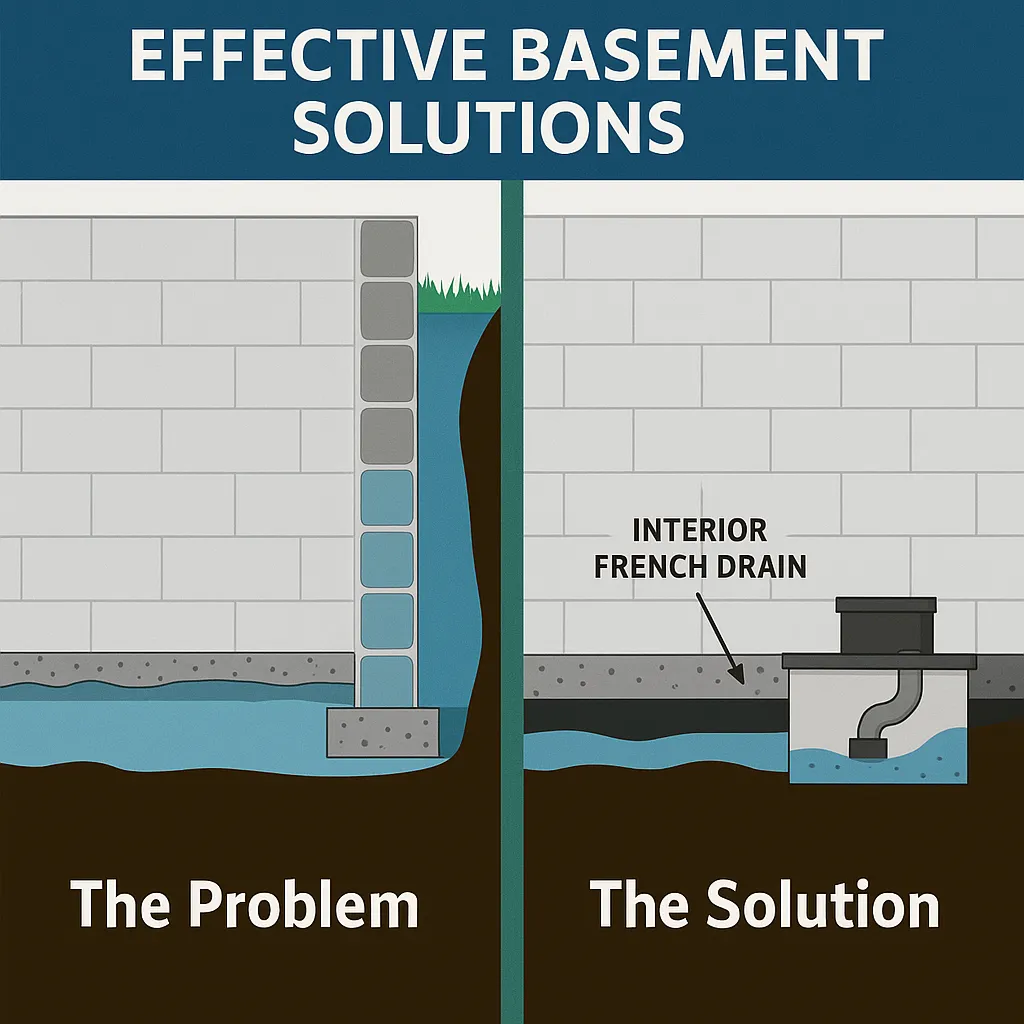
Basement Leakage Control for Urban Flooding
Careful management of surrounding water levels is key to reducing basement leaks after short-term urban flooding. This research highlights how controlling groundwater can limit immediate seepage and long-term moisture problems.
Experimental study on controlling basement leakage for urban flooding mitigation, Z Wang, 2024
How Do Basement Waterproofing Contractors in Cedar Grove, NJ Solve Water Intrusion?
Licensed contractors use a mix of proven techniques to stop water at the source and keep basements dry. Common approaches include:
- Sump Pump Installation : Pumps remove collected water before it causes damage.
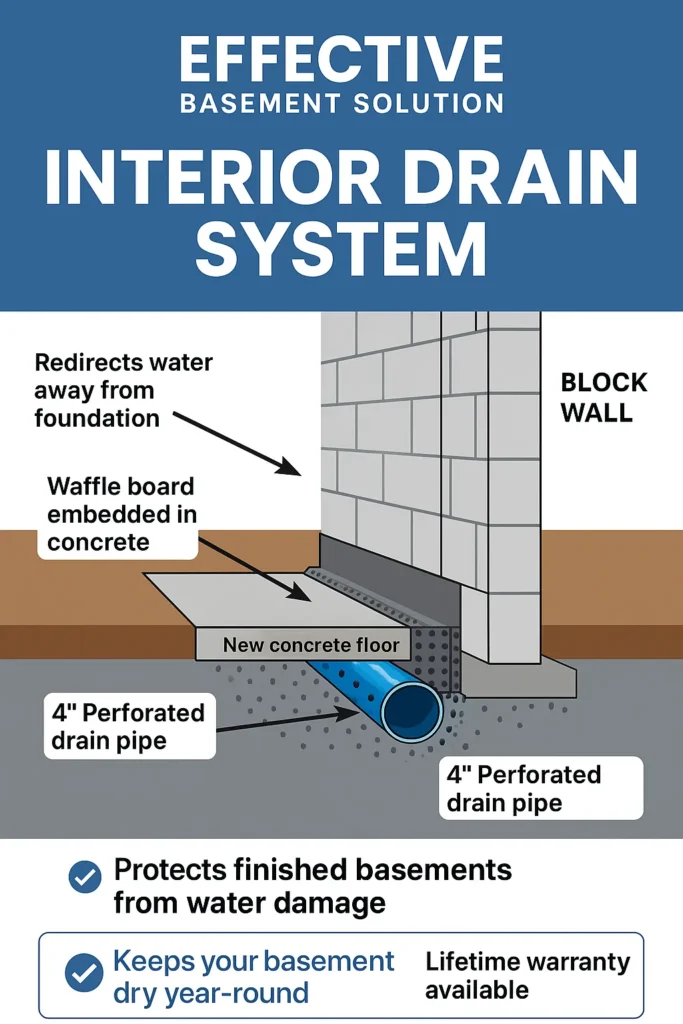
- French Drain Installation : Interior or exterior drains redirect water away from the foundation to reduce pressure.
- Crawl Space Encapsulation : Sealing and insulating crawl spaces prevents moisture buildup and mold.
Combining the right systems gives you a drier, safer basement that’s easier to maintain.
Contractors select approaches based on the root cause: an active sump and interior drain system often suits homes where water collects inside, whereas exterior excavation and waterproofing works where soil and grading are the main problems. Many effective plans combine interior systems with exterior corrections for the most durable results.
During an assessment, professionals will explain trade-offs like installation disruption, maintenance requirements, and how each choice affects long-term performance, allowing you to select the balance of cost, convenience, and protection that matches your needs.
Effective Basement Solutions’ Tailored Waterproofing Services
Effective Basement Solutions provides focused, local services designed for Cedar Grove homes. Our offerings include:
- Basement Waterproofing : Complete plans to stop water intrusion at its source.
- Sump Pump Installation : Dependable systems sized for your home and risk level.
- Crawl Space Encapsulation : Vapor barriers and sealing to protect against moisture and mold.
Each job is customized to the property’s soil, drainage, and structural needs so protection lasts.
Our local approach includes assessing site-specific factors such as landscaping, neighboring grades, and visible signs of water entry. Recommendations always explain the expected performance and maintenance so homeowners know what to expect after work is completed.
| Service | Description | Price |
|---|---|---|
| Basement Waterproofing | Comprehensive solutions to prevent water intrusion | Contact for pricing |
| Sump Pump Installation | Reliable systems to manage excess water | Contact for pricing |
| Crawl Space Encapsulation | Protecting your home from moisture and mold | Contact for pricing |
Licensed Contractors and Local Expertise Benefits
Hiring licensed, local contractors brings practical advantages: familiarity with Cedar Grove soil and weather patterns, work performed to code, and experience solving the problems typical to nearby homes. That local knowledge helps create targeted, durable solutions and gives you the confidence that repairs are done right.
Local contractors are also more likely to understand municipal permitting requirements, common neighborhood drainage issues, and practical access considerations on typical property sizes in the area. Choosing a reputable local firm reduces surprises related to logistics and follow-up service.
When evaluating contractors, ask about licensing, insurance, references from nearby jobs, and warranty terms. Clear communication about timelines, disruption to landscaping or finished spaces, and post-installation care helps avoid misunderstandings.
What Are the Benefits of Sump Pump Installation and Repair in Cedar Grove?
A functioning sump pump offers clear benefits for homeowners:
- Flood Prevention : Pumps remove standing water before it causes damage.
- Mold Growth Reduction : Keeping the basement dry lowers mold and mildew risk.
- Foundation Protection : Less moisture means less stress on your home’s structure.
Installing or maintaining a sump pump is a practical, proactive step that often prevents major expenses down the road.
There are a few practical choices to discuss at installation: pump size and capacity, the type of switch used, backup power options for outages, and the routing of the discharge line so water is carried safely away from the foundation. Each choice affects reliability and maintenance needs.
How Sump Pumps Prevent Basement Flooding
Sump pumps sit in a basin at the lowest point of the basement. When water collects and reaches a set level, the pump activates and sends water away from the foundation through a discharge line. This keeps groundwater from building up against walls and floors, cutting hydrostatic pressure and reducing leak risk during heavy rain.
Proper installation includes a reliable basin, a tight cover to limit odors and debris, and an unobstructed discharge route. Installers also check backflow prevention so water expelled does not return to the property under certain conditions.
When and How to Service Your Sump Pump in NJ
Regular checks keep a sump pump reliable. Aim for an annual service and perform simple tasks like:
- Testing the Pump : Confirm it runs and shuts off at the correct levels.
- Cleaning the Basin : Remove debris that could clog the unit.
- Inspecting the Discharge Line : Make sure water is routed away from the foundation and the line is free.
Consistent maintenance extends the pump’s life and protects your basement between professional visits.
In addition to annual checks, inspect the pump before and after storm seasons, check battery backup systems if installed, and ensure the float and switch operate smoothly. Keeping a simple maintenance log helps you track performance and identify gradual degradation before it causes failure.
How Does Crawl Space Waterproofing Protect Your Cedar Grove Home?
Sealing a crawl space stops ground moisture from entering your home, improving indoor air quality and energy efficiency. A properly encapsulated crawl space reduces mold risk, keeps insulation effective, and protects structural components from rot. It’s a cost-effective way to improve comfort and reduce long-term repair needs.
Encapsulation typically includes a durable vapor barrier on the ground and walls, sealing of vents and penetrations, and sometimes the addition of conditioned air or dehumidification. Materials and methods are selected to match the crawl space configuration and the home’s HVAC arrangement.
Techniques for Effective Crawl Space Moisture Control
Effective crawl space moisture control often combines several strategies:
- Crawl Space Encapsulation : A durable vapor barrier prevents ground moisture from entering the space.
- Dehumidification Systems : These reduce indoor humidity and slow mold growth.
- Proper Ventilation : Controlled airflow helps keep the space dry without bringing in outdoor moisture.
Using the right mix of these techniques improves the health and longevity of your home.
Selection among these approaches depends on the specific conditions of the crawl space. In some cases passive ventilation is appropriate; in others controlled mechanical ventilation or a dehumidifier is needed to maintain stable humidity. Installers will base recommendations on observed moisture sources and the home’s overall HVAC dynamics.
Preventing Mold and Structural Damage in Crawl Spaces
To limit mold and structural issues in crawl spaces, consider these actions:
- Regular Inspections : Look for moisture, damage, or signs of pests.
- Improving Ventilation : Ensure air moves as needed to prevent stale, humid pockets.
- Insulation : Proper insulation stabilizes temperatures and reduces condensation.
Proactive maintenance reduces repair costs and keeps the home’s foundation and framing in better condition.
When planning work, ask contractors to show typical material choices (vapor barrier thickness, seam sealing methods) and maintenance expectations so you understand both upfront costs and long-term care.
What Foundation Waterproofing Services Are Available in Cedar Grove, NJ?
Foundation waterproofing typically includes a menu of services to match the property’s needs, such as:
- Basement Waterproofing : Systems designed to stop interior and exterior seepage.
- Sump Pump Installation : Pumps to manage collected water.
- French Drain Installation : Channels that redirect water away from the foundation.
A tailored combination of these services gives the best long-term protection for Cedar Grove homes.
Exterior waterproofing often involves excavation and application of a barrier on the outside of the foundation combined with improved exterior drainage. Interior systems typically focus on capturing and removing water once it enters, minimizing interior disruption and offering effective management when exterior work is impractical.
Identifying and Repairing Foundation Cracks
Spotting and fixing foundation cracks early prevents leaks and structural decline. Watch for:
- Visible Cracks : Check interior and exterior walls for any new or expanding fissures.
- Water Stains : Discoloration or damp spots point to moisture entry.
- Uneven Floors : Sloping or gaps can indicate foundation movement.
Small cracks may be sealed with epoxy or hydraulic cement; larger issues can require structural repairs. Address problems promptly to limit escalation.
A qualified contractor will distinguish between cosmetic surface cracks and cracks that signal movement or settlement. Repair methods vary accordingly, and many effective waterproofing plans include crack repair as part of a broader system to prevent renewed leakage.
Long-Term Benefits of Foundation Waterproofing
Investing in foundation waterproofing delivers several lasting advantages:
- Enhanced Structural Integrity : Protecting the foundation helps preserve the home’s stability.
- Improved Indoor Air Quality : Lower moisture reduces mold and allergy triggers.
- Increased Property Value : A dry, well-maintained foundation is attractive to buyers.
Proper waterproofing is an investment that reduces risk and often saves money over time.
When considering the long-term picture, weigh warranty terms, expected maintenance, and the reputation of the installing contractor. Thorough documentation and clear terms give homeowners confidence in performance and recourse should issues arise.
How Can You Prevent Basement Mold Growth in NJ Homes?
Preventing mold in basements requires a combined strategy:
- Comprehensive Basement Waterproofing : Keep water out to remove the root cause.
- Humidity Management : Use dehumidifiers and ventilation to maintain safe humidity levels.
- Regular Inspections : Catch moisture problems before mold takes hold.
These practices dramatically reduce the chance of mold and keep indoor air healthier.
In spaces already affected by mold, professionals follow established cleanup protocols and often pair remediation with corrective waterproofing so the same conditions do not return. Preventative actions are always less costly and disruptive than post-infestation remediation.
Basement Mold Prevention Strategies and Moisture Control
Key moisture-control strategies to prevent basement mold include:
- Active Drainage Systems : Systems that move water away from the basement quickly.
- Vapor Barriers : Barriers stop ground moisture from entering living spaces.
- Mold-Resistant Materials : Use materials that tolerate damp conditions when building or renovating.
Combining these tactics creates a reliable, long-term defense against mold.
When renovating basements, select finishes and assemblies designed for wet environments: moisture-tolerant flooring, wall systems that allow drying, and sealants specified for below-grade use. Good design choices reduce future maintenance and improve occupant comfort.
Health Risks and EPA Guidelines for Mold in Basements
Mold in basements can trigger allergies, respiratory irritation, and other health issues. The EPA recommends keeping indoor spaces dry, addressing moisture promptly, and using proper cleanup procedures for mold contamination. If you suspect a serious mold problem, consult professionals for assessment and remediation.
Homeowners working near mold should follow safety guidance for containment and protective equipment. Professional remediators will evaluate the extent of contamination, use appropriate cleaning and disposal methods, and recommend steps to prevent recurrence.
What Does a Free Basement Inspection by Effective Basement Solutions Include?
Our free inspection gives you a clear picture of your basement’s condition and next steps. The visit typically includes:
- Assessment of Water Entry Points : We identify where water is coming in and how.
- Evaluation of Existing Drainage : We check gutters, grading, and internal drainage systems.
- Written Estimate : You receive a straightforward, itemized estimate for recommended work.
The inspection helps you prioritize repairs and choose the best approach for lasting protection.
Inspectors will often demonstrate likely water pathways by reviewing interior signs, exterior grades, and plumbing penetrations. They may also recommend short-term steps a homeowner can take immediately to reduce risk while planning permanent work.
Step-by-Step Inspection Process and What to Expect
Here’s how our inspection process works:
- Request a Free Inspection : Contact Effective Basement Solutions to schedule a convenient time.
- Conduct the Inspection : A trained technician reviews the basement, drainage, and foundation.
- Receive Findings and Estimate : We provide a clear report and an estimate for recommended solutions.
This straightforward process ensures you understand the issues and the best fixes for your home.
During the inspection you can expect a visible checklist to be reviewed with you, including: signs of water entry, interior and exterior grading, gutter and downspout condition, evidence of past repairs, sump system checks, and any immediate safety concerns. The technician will explain observations in plain language and prioritize recommended actions.
How Inspections Lead to Customized Waterproofing Plans
Inspections reveal the specific causes of moisture, allowing contractors to design a plan tailored to your house. That tailored approach targets weak points directly, avoids unnecessary work, and delivers more reliable, long-lasting results.
A customized plan typically outlines recommended systems, expected benefits, potential trade-offs, a suggested timeline, and maintenance expectations. This clarity helps homeowners plan budgets and schedule work with minimal disruption.
How to Choose the Right Basement Waterproofing Solution in Cedar Grove, NJ?
Picking the right solution comes down to three things:
- Professional Inspection : Start with a detailed assessment to identify root causes.
- Tailored Solutions : Choose systems that match your home’s soil, layout, and risk.
- Cost Planning : Weigh long-term savings and durability, not just upfront cost.
Following these steps helps you get an effective, budget-conscious waterproofing plan.
When comparing proposals, look for clear scope descriptions, materials specified, warranty coverage, and a schedule for work. Good contractors provide references and are willing to explain why a recommended approach is better than alternative options.
Comparing Interior Drainage, Sump Pumps, and Foundation Repairs
When evaluating options, consider how each method works and what it protects:
- Interior Drainage : Good for redirecting water that enters the basement, often paired with pumps.
- Sump Pumps : Essential for homes that collect water in low spots; they actively remove it.
- Foundation Repairs : Fix structural issues but often need complementary waterproofing to prevent future intrusion.
The best solutions often combine methods to address both water and structure.
Interior systems are typically less disruptive to landscaping, while exterior work addresses water before it reaches the wall. Foundation repairs address structural integrity but usually accompany waterproofing improvements so repaired areas are also protected from future moisture.
Cost Estimates and Financing Options for NJ Homeowners
Waterproofing costs vary with the job’s scope. To plan, consider:
- Cost Ranges for Services : Prices depend on basement size, soil conditions, and methods used.
- Financing Options : Many contractors provide payment plans to spread costs.
- Free Inspections : Start with a free inspection to get an accurate estimate.
Exploring financing and getting multiple quotes helps you find a durable solution that fits your budget.
When comparing quotes, ensure each item is described clearly so you can compare like for like: materials, labor, access work, restoration of finished spaces, and warranty periods. Transparent proposals reduce the risk of surprise costs.
To learn more about our offerings, visit our basement waterproofing services page .
Frequently Asked Questions
What are the signs that my basement needs waterproofing?
Common warning signs include visible water stains, a musty smell, mold or mildew, damp or flaking walls, and foundation cracks. If the basement feels consistently humid or you find standing water after storms, schedule an inspection.
Additional indicators are efflorescence (white mineral deposits), peeling paint on concrete walls, and persistent condensation on windows or pipes. Even intermittent dampness after heavy rain is worth investigating to prevent long-term damage.
How long does the basement waterproofing process take?
Timelines vary by scope. Simple repairs or small drainage installs can take a few hours to a day, while full waterproofing projects may take several days. Your contractor will give a more accurate schedule after inspecting the property.
Larger exterior excavations or projects that require structural repairs may take longer and require additional coordination for permits and restoration. A clear project timeline helps you plan access to the home and any cosmetic repairs following work.
Are there any DIY methods for basement waterproofing?
Some short-term fixes—like sealing small cracks or adding a vapor barrier—can help, but they rarely address deeper issues such as hydrostatic pressure or poor site drainage. For lasting results, consult a licensed waterproofing professional.
DIY steps are useful as temporary measures: clean gutters and downspouts, improve grading near the foundation, and seal minor, non-structural cracks. For underlying problems, professional evaluation prevents wasted effort and expense.
What maintenance is required after waterproofing my basement?
Keep up regular checks: test sump pumps annually, clean basins and gutters, inspect drainage paths, and watch for new signs of moisture. Routine maintenance helps preserve the effectiveness of installed systems.
Maintain a record of services and inspections, check backup systems periodically, and follow any manufacturer guidance for installed equipment. Promptly address any changes in performance to avoid small problems becoming larger.
How can I improve drainage around my home?
Ensure gutters and downspouts are clear and extend discharge at least several feet from the foundation, slope soil away from the house, and consider French drains or dry wells for areas that collect water. Permeable surfaces for driveways and walkways also help reduce runoff.
Landscape design that routes water to planted areas or engineered infiltration beds can reduce the volume reaching the foundation. Simple grading adjustments and routine maintenance of exterior drainage features are effective first steps.
What are the costs associated with basement waterproofing?
Costs depend on basement size and the repairs or systems needed. Typical comprehensive solutions often range from several thousand dollars, but exact prices vary. Get a free inspection and multiple quotes to compare options and financing.
Ask for itemized estimates to understand the allocation between labor, materials, and restoration. Consider warranty length and what it covers when weighing value rather than selecting strictly on price.
Can waterproofing help with energy efficiency in my home?
Yes. Controlling moisture and encapsulating crawl spaces improves insulation performance and indoor air stability, which can reduce the load on heating and cooling systems and lead to lower energy bills.
By reducing damp conditions you also protect insulation materials and increase their effectiveness. Combined with appropriate insulation and HVAC balance, moisture control contributes to a more comfortable, efficient home.
Conclusion
Protecting your basement now prevents bigger problems later. Understanding why water enters and choosing tailored, professional solutions will keep your home safer, healthier, and more valuable. Effective Basement Solutions offers local expertise and free inspections to help you choose the right plan. Contact us today to schedule your free inspection and take the first step toward a dry, protected home.
Taking action early—starting with a thorough inspection and a clear, prioritized plan—reduces long-term costs and preserves the comfort and safety of your living spaces. Whether you need targeted repairs or a comprehensive waterproofing strategy, informed choices and competent installation deliver the best results.