
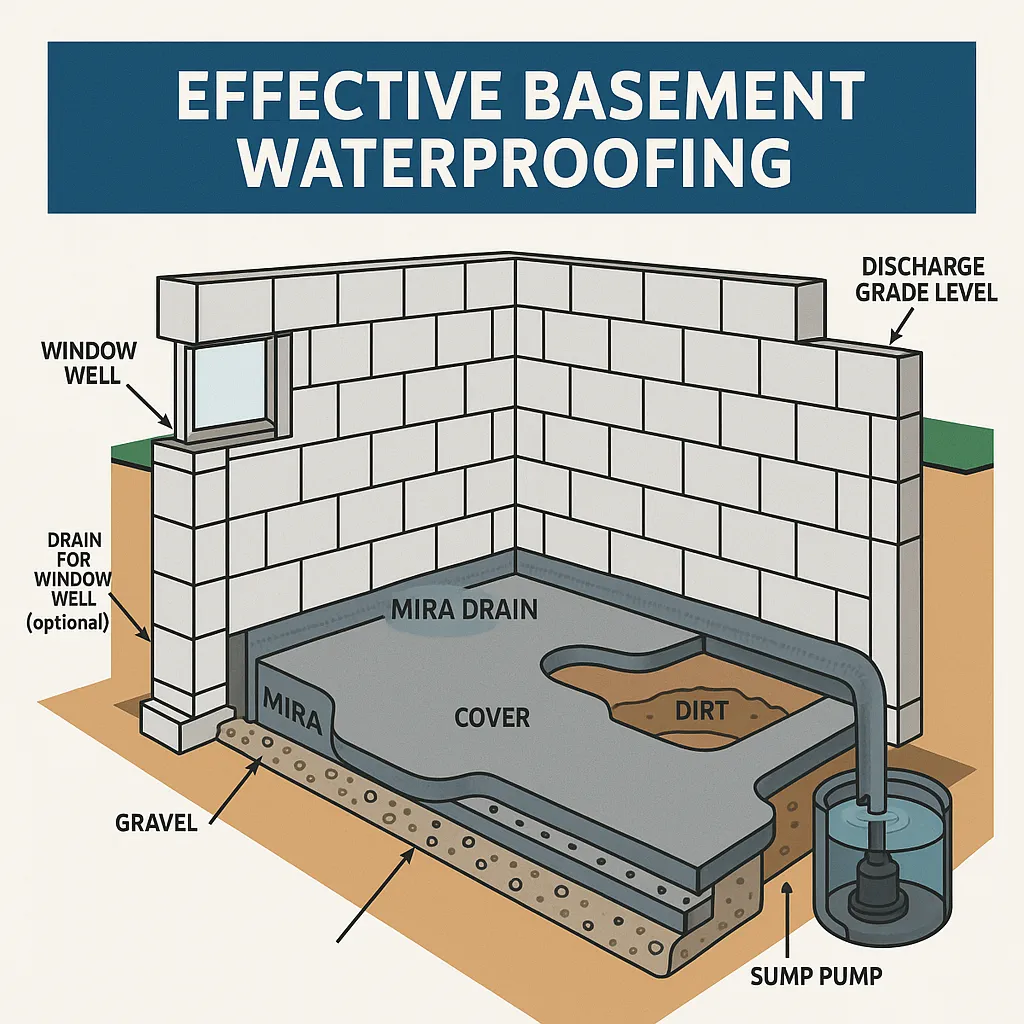
Protect Your Bridgewater NJ Home with Expert Basement Waterproofing
Keeping your basement dry is one of the smartest ways to protect your home in Bridgewater, NJ. Left unchecked, water intrusion leads to structural damage, mold growth, and indoor air problems that lower your property’s safety and value. Below we outline common causes of basement leaks, proven waterproofing solutions, local professional services, typical costs, and why acting early matters.
Bridgewater’s seasonal weather swings — from heavy spring rains to winter freeze-thaw cycles — make foundations vulnerable to both sudden and slow-developing moisture problems. Proactive waterproofing and routine maintenance reduce the chance that a small seep will become an expensive repair.
This article is intended to help homeowners recognize risks, weigh options, and take practical next steps whether you plan to do some tasks yourself or hire a contractor for a full repair.
Proven waterproofing options for Bridgewater homeowners
Homeowners in Bridgewater can choose from several trusted waterproofing approaches — each designed to manage water where it starts and keep your foundation dry. Common options include:
- Sump Pump Installation : A properly sized sump pump collects and ejects water that gathers near the foundation, protecting your basement during heavy rain or rapid melt.
- French Drain Installation : Installed along the perimeter, a perforated pipe and drain system redirect groundwater away from the foundation to prevent seepage.
- Crawl Space Encapsulation : Sealing crawl spaces with a vapor barrier and insulating details cuts humidity, reduces mold risk, and improves overall indoor air quality.
These measures help maintain a dry, healthy basement and extend the life of your home’s structure.
For each approach, design and material choices matter. For example, sump pumps vary by horsepower, head height and switching mechanism; choosing a pump with the right capacity and a reliable battery backup is critical if you have finished space or valuable storage below grade. French drains can be installed inside the footing or outside the foundation; interior systems are often less disruptive and more cost-effective in retrofit situations, while exterior drains combined with membrane work provide long-term protection when excavation is feasible.
Crawl space encapsulation typically uses a heavy polyethylene or reinforced liner sealed to piers and walls, plus an air-sealed access hatch. When combined with insulation and a dehumidifier, encapsulation reduces humidity and airborne mold spore circulation into living spaces.
What causes basement water intrusion in Bridgewater, NJ?
To stop basement water, start by understanding what drives it. Several common factors contribute to water intrusion in this area:
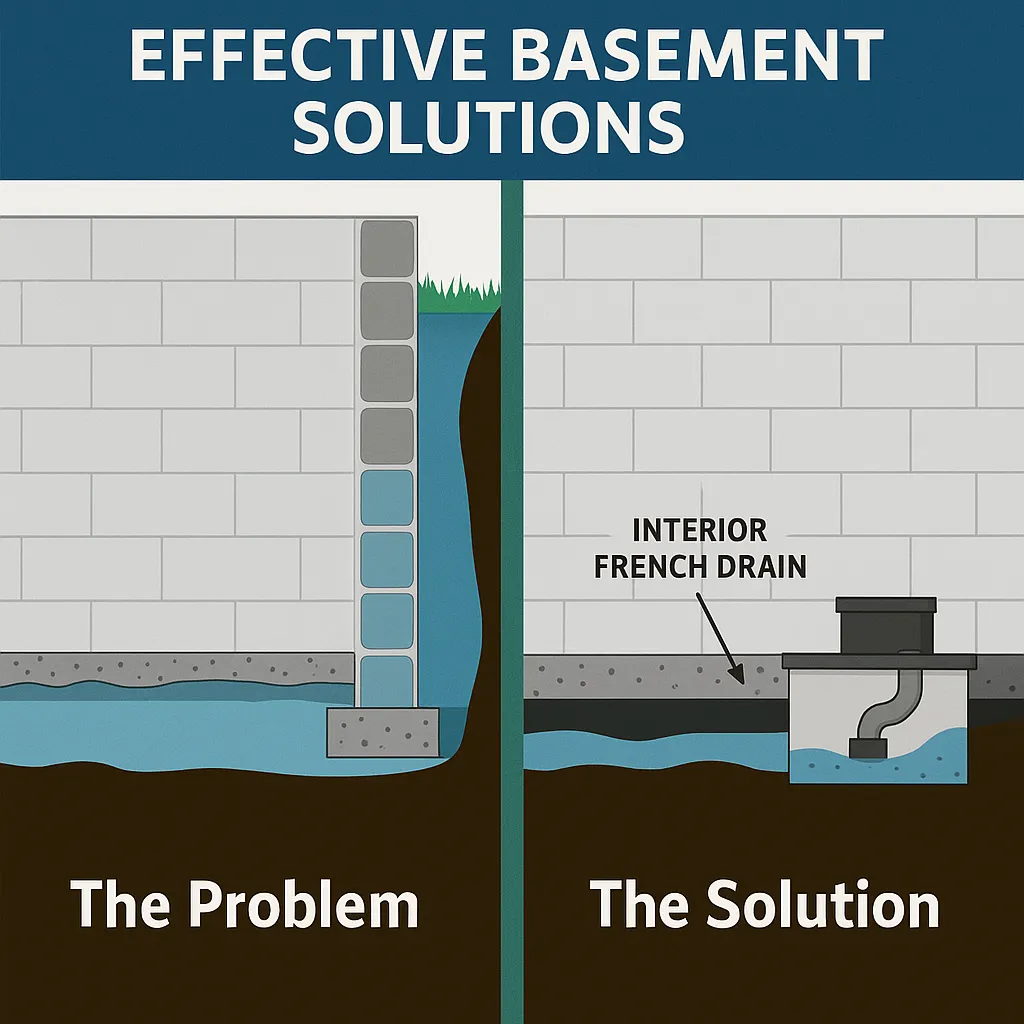
- Hydrostatic Pressure : When groundwater builds up, it pushes against foundation walls and floors. That pressure can force water through tiny gaps and joints.
- Foundation Cracks : Settling, soil movement, or freeze-thaw cycles can open cracks that let moisture in during wet periods.
- Poor Surface Drainage : If grading, gutters, or downspouts don’t move water away from the house, it can pool near the foundation and increase leak risk.
Pinpointing these causes lets you choose targeted repairs rather than temporary fixes.
Research underscores how controlling hydrostatic pressure is central to effective basement leak remediation.
Basement Leak Remediation & Hydrostatic Pressure Control
This guidance outlines practical methods for relieving hydrostatic pressure and sealing open cracks and joints as part of comprehensive basement leak remediation. Remediating basement leaks, 2007
Identifying what is driving moisture in your specific home usually combines a visual inspection with simple tests. Look for patterns (water appearing after heavy rain vs. constant dampness), check grade and downspout locations, and inspect accessible foundation areas for hairline cracks, efflorescence (white mineral deposits), or damp paint. Noting when and where water appears is valuable information to give a contractor or to use when planning DIY measures.
Common sources of basement leaks and moisture problems
Basement moisture often traces to a few repeatable sources. Knowing them helps you prioritize solutions:
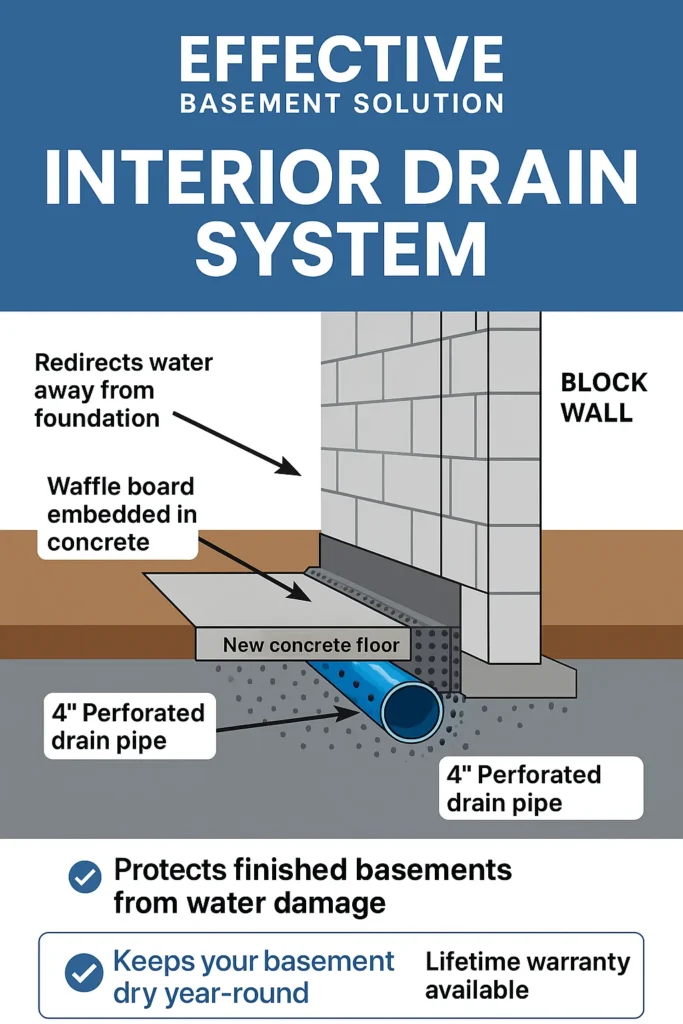
- Hydrostatic Pressure : Water pressure from saturated soil can force moisture through walls and floors.
- Foundation Cracks : Even small cracks can allow steady seepage if left unaddressed.
- Poor Drainage and Grading : Water that sits against the foundation during storms increases the chance of leaks.
Addressing the root cause — not just the symptom — prevents recurring problems.
It is common for multiple sources to contribute simultaneously. For example, poor grading may increase hydrostatic pressure against a wall that already has minor cracking. A comprehensive assessment determines whether surface fixes (gutters, grading) combined with interior systems (drains and pumps) or exterior excavation is the most cost-effective long-term strategy.
Professional basement waterproofing services available in Bridgewater, NJ
Local contractors offer a range of services tailored to different issues and budgets. Typical professional offerings include:
- Comprehensive Waterproofing Assessments : A full evaluation that identifies entry points for water and recommends long-term solutions.
- Sump Pump Installation : Expert selection and installation of pumps and battery backups to ensure reliable performance when it matters most.
- Structural Reinforcement : Wall anchors, carbon fiber reinforcement, and other measures that stabilize the foundation and stop further movement.
Professional work gives you warranties and the peace of mind that fixes were done to last.
When evaluating contractors, ask about specific warranties (labor and parts), the scope of liability insurance, and whether they pull permits when required. A reputable contractor will document the diagnosis, provide clear options with pros and cons, and explain maintenance needs after installation. If structural stabilization is needed, expect a clearer explanation of the chosen method and how it will change future maintenance needs.
Many contractors also offer seasonal maintenance programs — annual checks of sump pumps, inspection of interior drains, and a review of grading and downspouts — which can extend the life of installed systems and reduce the risk of late-season surprises.
Interior drainage systems and sump pump installation explained
Interior drainage systems capture water that enters the basement and channel it to a sump basin. A sump pump then removes that water from the house. Properly designed, this approach protects finished basements without the need for full exterior excavation in many cases.
Field studies highlight the role sump pumps play in reducing residential basement flooding when they are correctly sized and maintained.
Sump Pump Effectiveness for Residential Water Infiltration
A pilot study in Columbus, Ohio tested a source-control strategy that included voluntary sump pump installations. From a monitored sample of installations (118 total with 25 pumps tracked for 18 months starting November 2016), the program aimed to quantify peak infiltration/inflow reductions and identify ways to improve sump pump effectiveness. Monitoring Effectiveness of Sump Pump on Reducing Private Infiltration/Inflow, 2018
Interior systems typically include a perforated drain installed along the footing or at the base of walls, a gravel bed with filter fabric, a sump basin, and a pump. Design considerations include the expected volume of inflow, the pump’s discharge height, and the path for safe discharge outside the house. A check valve prevents water from returning to the sump basin, and an alarm alerts homeowners to pump failure or high water.
- Perimeter Trenching : A trench along the interior perimeter collects water before it reaches living spaces and feeds it to the drainage system.
- Gravel Bed and Filter : A gravel layer and filter fabric keep the drain clear and help water flow freely to the sump.
- Sump Pump Selection and Testing : Choosing the right pump and testing it regularly — including battery backup checks — is essential for reliable operation.
A well-designed interior drainage system combined with a dependable sump pump dramatically reduces the risk of basement flooding.
Consider adding a battery backup or a secondary pump in areas prone to power outages or prolonged storms. Regular testing, a yearly inspection by a qualified technician, and keeping the discharge point clear of debris are simple maintenance tasks that reduce failure risk when conditions are most critical.
Crack repairs and mold-prevention strategies for basements
Fixing foundation cracks and limiting moisture are the best defenses against mold. Effective measures include:
- Interior and Exterior Sealants : Professional sealants and coatings stop water at common entry points and protect concrete surfaces.
- Foundation Crack Repair : Injection, patching, or structural repairs restore integrity and prevent further infiltration.
- Mold‑Resistant Materials : Choosing mold-resistant drywall, insulation, and flooring in vulnerable areas reduces the chance that spores will take hold after repairs.
These steps protect both your home’s structure and the health of the people who live there.
Crack repair methods depend on the crack type. Non-structural hairline cracks are often sealed with epoxy or polyurethane injections that bond and block water. Larger or actively moving cracks may need structural attention before cosmetic finishes are applied. After repairs, drying and monitoring are important: modern drying equipment and moisture meters can confirm when materials are safe to restore with new finishes or carpet.
Mold-prevention work should include removing and disposing of wet, porous materials when contamination is extensive, using mold-resistant replacement materials, and running dehumidification and ventilation until conditions stabilize. For finished basements, ensure that HVAC intake locations and ductwork are not pulling in spores from damp areas.
How much does basement waterproofing cost in New Jersey?
Typical costs for comprehensive basement waterproofing in New Jersey fall roughly between $2,000 and $10,000. The final price depends on basement size, the severity of the problem, and which systems you choose.
Typical cost breakdown for water damage repair in Bridgewater
Use this breakdown as a general guide when planning a budget for repairs and waterproofing:
| Service Type | Cost Range | Description |
|---|---|---|
| Interior Waterproofing | $2,000 – $5,000 | Installation of internal drains, sump basin, and sealing. |
| Exterior Waterproofing | $5,000 – $10,000 | Excavation and waterproof membrane applied to foundation walls. |
| Mold Remediation | $1,000 – $3,000 | Professional mold removal and preventive treatments. |
These ranges help homeowners compare quotes and plan for the right level of protection.
Cost drivers include accessibility (finished basements cost more to retrofit), the need for structural repairs, soil conditions that require deeper drainage, and the choice between interior and exterior approaches. Contractors typically provide a written scope and an itemized estimate; comparing several estimates side-by-side helps you understand what is included and spot omissions (for example, whether discharge piping, landscaping restoration, or permit costs are included).
Financing options and the value of professional waterproofing
Investing in professional waterproofing often saves money over time by preventing repeated repairs. Common ways to fund a project include:
- Home Equity Loans : Use built-up equity to cover larger projects at competitive rates.
- Contractor Financing Programs : Many contractors offer payment plans to spread the cost.
- Long-Term Savings : Early repairs reduce the risk of costly structural work and mold remediation later on.
Financing options make it easier to invest in a long-term solution that protects your home’s value.
When considering financing, weigh interest rates and total repayment costs against estimated future repair costs if the problem is deferred. Some homeowners prioritize systems with warranties and maintenance plans as part of the value equation, since predictable upkeep reduces the likelihood of emergency expenses.
Can homeowners do DIY basement waterproofing in Bridgewater, NJ?
Some minor moisture-control tasks are suitable for DIY, but serious water intrusion usually needs professional assessment and equipment. DIY fixes can help short-term, but they may not address underlying causes.
Practical DIY moisture-control tips and safety cautions
If you plan to tackle small tasks yourself, consider these practical steps:
- Install Dehumidifiers : A quality dehumidifier reduces humidity and slows mold growth in finished basements.
- Seal Rim Joists : Properly caulking and insulating rim joists reduces drafts and moisture entry.
- Monitor Humidity Regularly : Keep an eye on humidity levels so you can act before mold or rot starts.
For persistent leaks, structural issues, or mold spreading beyond small patches, call a professional rather than relying on temporary DIY fixes.
Simple DIY tasks that often make a noticeable difference include keeping gutters and downspouts clear, extending downspout discharge at least several feet away from the foundation, regrading low spots that collect water, and painting exterior trim that prevents water from entering wall intersections. Always use personal protective equipment when handling mold or cleaning agents, and when in doubt call a professional.
When to call professional waterproofing contractors
Contact a professional if you notice any of these warning signs:
- Standing Water or Persistent Dampness : Ongoing moisture problems usually require professional diagnosis and repair.
- Mold or Musty Odors : Visible mold or strong, recurring odors indicate an unresolved moisture source.
- Water Stains or New Cracks : Stains, peeling paint, or new foundation cracks are clear indicators that help is needed.
Early professional intervention prevents small problems from becoming expensive emergencies.
When you call a contractor, prepare by documenting where and when water appears, taking photos, and noting any recent landscape or grading changes. Ask for a written diagnosis and several repair options that describe expected outcomes and maintenance needs. A trustworthy contractor will also explain how their recommended solution addresses the root cause, not just the symptoms.
Health risks from mold and how to prevent it in basements
Mold in basements can trigger allergies, asthma attacks, and other respiratory problems. Controlling moisture and removing mold promptly are essential to protect your household’s health.
How basement water intrusion leads to mold growth
Mold needs moisture to grow; the most common triggers in basements include:
- Hydrostatic Pressure : Water forced through walls creates damp surfaces ideal for mold.
- Foundation Cracks : Cracks let in water that creates conditions for mold to develop.
- Poor Drainage : Persistent exterior drainage problems keep walls and floors damp.
Fix the moisture source first, then address any visible mold to reduce health risks.
Mold-prevention and remediation strategies for Bridgewater homes
To reduce mold risk, take these practical steps:
- Keep Humidity Low : Aim to keep indoor humidity below 60% — lower if possible in finished basements.
- Ensure Proper Ventilation : Good airflow and exhaust reduce condensation and damp pockets.
- Repair Water Damage Quickly : Promptly fixing leaks and drying wet materials prevents mold from spreading.
Combining moisture control with targeted repairs is the most effective mold prevention strategy.
If mold is visible on more than a small area (several square feet), or if it has penetrated insulation, structural wood, or HVAC systems, professional remediation is recommended. Professionals can safely remove contaminated materials, apply appropriate disinfectants and encapsulants, and validate remediation with follow-up moisture and visual checks.
How to schedule a free basement waterproofing inspection in Bridgewater, NJ
Booking a free inspection is simple and gives you a clear plan for fixing moisture problems. Follow these easy steps:
- Request a Free Inspection : Contact a local waterproofing company to set up an on-site assessment.
- Prepare Your Home : Clear access to the basement so the inspector can do a thorough evaluation.
- Review Findings : Discuss the inspection results and recommended solutions with the contractor before moving forward.
A professional inspection identifies the best, cost-effective path to a dry basement.
What to expect during a professional basement inspection
During an inspection you can expect:
- Visual Assessment : The inspector checks walls, floors, grading, and visible plumbing for signs of water entry.
- Moisture Testing : Instruments may be used to measure dampness in walls and floors.
- Clear Recommendations : You’ll receive practical repair options, timelines, and cost estimates.
Knowing the process makes it easier to compare quotes and choose the right solution.
Expect the inspector to provide a written summary that outlines observed issues, the likely cause, recommended repairs, and a timeline. If multiple solutions are viable, ask the inspector to explain trade-offs in terms of disruption, longevity, and maintenance.
Benefits of early detection and professional assessment
Catching problems early provides several important benefits:
- Lower Repair Costs : Fixing issues early prevents more extensive, expensive damage down the road.
- Stop Progressive Damage : Timely repairs limit structural deterioration and mold spread.
- Protect Home Value : A dry, well-maintained basement supports your property’s resale value.
These advantages make routine inspections and prompt repairs a smart investment. If you’re in Bridgewater, NJ, and need trusted help, consider reaching out to Effective Waterproofing for a professional evaluation.
Before any work begins, request documentation of permits (if required), a detailed contract, and a description of post-installation maintenance. Clear paperwork helps prevent misunderstandings and establishes expectations for performance and follow-up service.
Frequently Asked Questions
What are the signs that my basement needs waterproofing?
Look for persistent dampness, standing water after storms, water stains on walls or floors, musty smells, visible mold, or new cracks in the foundation. If humidity stays high or you see recurring problems, waterproofing is likely needed.
How long does the basement waterproofing process take?
Timelines vary by scope. Small repairs like crack sealing can take a few hours to a day. Installing an interior drainage system, sump pump, or exterior membrane may take several days. Your contractor can give a more accurate schedule after an inspection.
Are there maintenance tips for keeping my basement dry after waterproofing?
Yes. Keep gutters and downspouts clear and directing water away from the house, check grading around the foundation, test sump pumps and backups regularly, and use a dehumidifier if needed. Periodic inspections catch issues before they grow.
What should I do if I find mold in my basement?
For small, surface-level mold, you can clean with appropriate products while wearing protective gear. For widespread growth, persistent odors, or visible mold on structural materials, hire a professional remediation service. Always fix the moisture source to prevent recurrence.
Can basement waterproofing increase my home's value?
Yes. Buyers value a dry, protected basement because it reduces future repair risk and makes the home safer and more usable. Professional waterproofing can improve marketability and preserve resale value.
What are the differences between interior and exterior waterproofing methods?
Interior waterproofing manages water that has entered the basement — typically with drains and sump pumps — and is often less disruptive. Exterior waterproofing prevents water from reaching the foundation by excavating and applying waterproof coatings or membranes. The best choice depends on the source and severity of the problem.
How can I find a reliable waterproofing contractor in Bridgewater, NJ?
Start with recommendations from neighbors or local review sites. Verify licensing and insurance, ask for references and photos of past work, get multiple estimates, and choose a contractor who explains the causes and long-term solutions clearly.
How often should I test my sump pump and what should I test?
Test your sump pump at least twice a year: pour water into the basin to trigger the pump and confirm it activates and discharges properly. Check the alarm, battery backup, float switch movement, and the discharge hose for clogs or freezing. Annual professional checks are recommended if the system is critical to your home’s protection.
Will waterproofing affect my home's landscaping or driveway?
Exterior waterproofing that requires excavation will temporarily disturb landscaping and possibly hardscape near the foundation. Regrading and minor restoration are common after work is complete; reputable contractors include restoration in their bid or specify those costs separately so you can plan.
Conclusion
Protecting your basement from water is a practical way to safeguard both your home’s structure and your family’s health. By identifying the cause, choosing the right solution, and working with experienced professionals, you can prevent recurring damage and preserve your property’s value. Don’t wait for problems to worsen — schedule a free inspection with a trusted provider and get a clear plan to keep your basement dry.
Taking small, consistent steps — clearing gutters, extending downspouts, monitoring humidity, and testing sump pumps — paired with informed professional help when needed will keep your basement dry and reduce unexpected repair costs. Start with an inspection, prioritize root-cause fixes, and maintain systems seasonally to protect your investment over the long term.