
Verona NJ Basement Waterproofing: French Drains & Sump Pumps
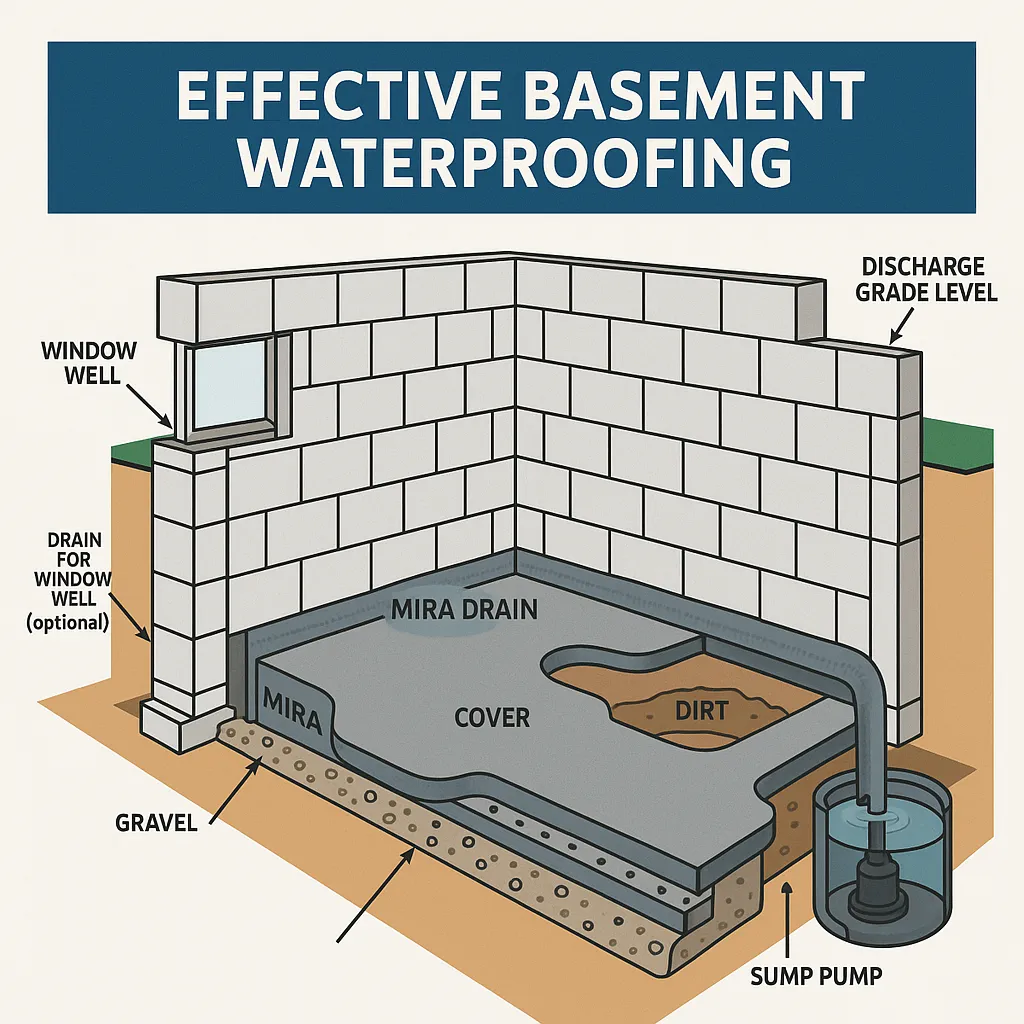
Keeping your basement dry is one of the smartest investments a Verona homeowner can make. This guide walks through how to spot leaks, measure moisture, and choose effective fixes—plus why professional help often saves time and money. Left unchecked, basement dampness can lead to mold, structural problems, and health concerns. Read on to learn the signs of trouble, common solutions, and how to pick a trustworthy contractor in Verona. Local drainage patterns and seasonal storms in New Jersey make timely waterproofing particularly important.
Key Takeaways
- Proper basement waterproofing in Verona, NJ protects your home from water damage and moisture-related health issues.
- Look for damp walls, visible mold, and persistent musty smells as early warning signs.
- Proven methods include French drains, sump pumps, and crawl-space encapsulation tailored to the property.
- Interior drainage systems paired with a reliable sump pump are central to keeping basements dry.
- Foundation cracks are commonly repaired with epoxy injections or underpinning to stop water entry.
- Basement moisture and mold can trigger allergies, breathing problems, and other health effects.
- Vet contractors by checking licenses, experience, warranties, and homeowner reviews.
- DIY fixes can help for minor issues but often don’t address serious water intrusion or structural concerns.
- Staying current on waterproofing technology and local NJ rules helps ensure safe, code-compliant work.
Common Signs of Basement Water Leakage in Verona, NJ
Catching water problems early makes repairs simpler and less expensive. Regularly inspect your basement for obvious and subtle signs of moisture so you can act before damage spreads.
- Dampness on Walls : Water stains, flaking paint, or visible moisture on walls usually mean water is getting in.
- Mold Growth : Mold or mildew shows excessive moisture and can pose health risks if not remediated.
- Musty Odors : Persistent, unpleasant smells often point to hidden moisture or ongoing water intrusion.
Spotting these clues early helps you move quickly to protect your property and health.
How to Identify Basement Water Intrusion and Moisture Problems
Find the source of moisture with a methodical inspection: look for cracks, check around windows and doors, and monitor humidity. Simple tools and a careful walk-through reveal many common issues; for complex or hidden leaks, bring in a professional assessment.
Visual inspections should concentrate on likely entry points—foundation joints, window wells, and any gaps in exterior drainage. Moisture meters and humidity monitors help detect problems that aren’t obvious to the eye. A licensed inspector can provide a detailed evaluation and recommended remedies.
Research supports tracing the specific sources of infiltration to fix them effectively rather than treating symptoms alone. Document visible damage and take photos to share with any professional you consult.
Identifying & Addressing Basement Water Infiltration Sources
A City of Columbus pilot study examined private source inflow and infiltration (I/I) to the sanitary sewer—looking at private laterals, sump pumps, foundation drains, downspouts, and other exterior drains. Through resident interviews, sewer televising, and water testing, the study found foundation drains, defective laterals, and downspouts are among the most common private sources of I/I.
Columbus private source infiltration and inflow identification pilot program, JM Gross, 2005
Effective Basement Solutions offers free inspections to help homeowners identify moisture issues early and plan the right repairs before costs rise.
Which Basement Waterproofing Methods Work Best in Verona, NJ?
Several reliable approaches protect homes from basement water intrusion. The right choice depends on where water is coming from and how severe the problem is. Common, effective options include French drains, sump pumps, and crawl-space encapsulation.
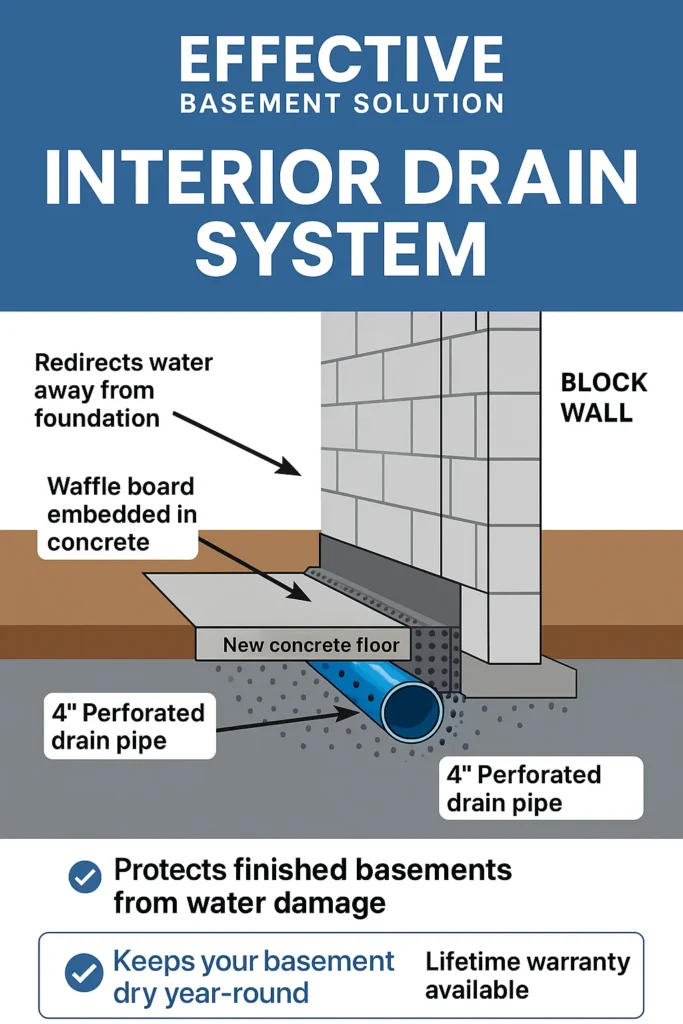
- French Drain Installation : A trench with gravel and perforated pipe channels groundwater away from the foundation.
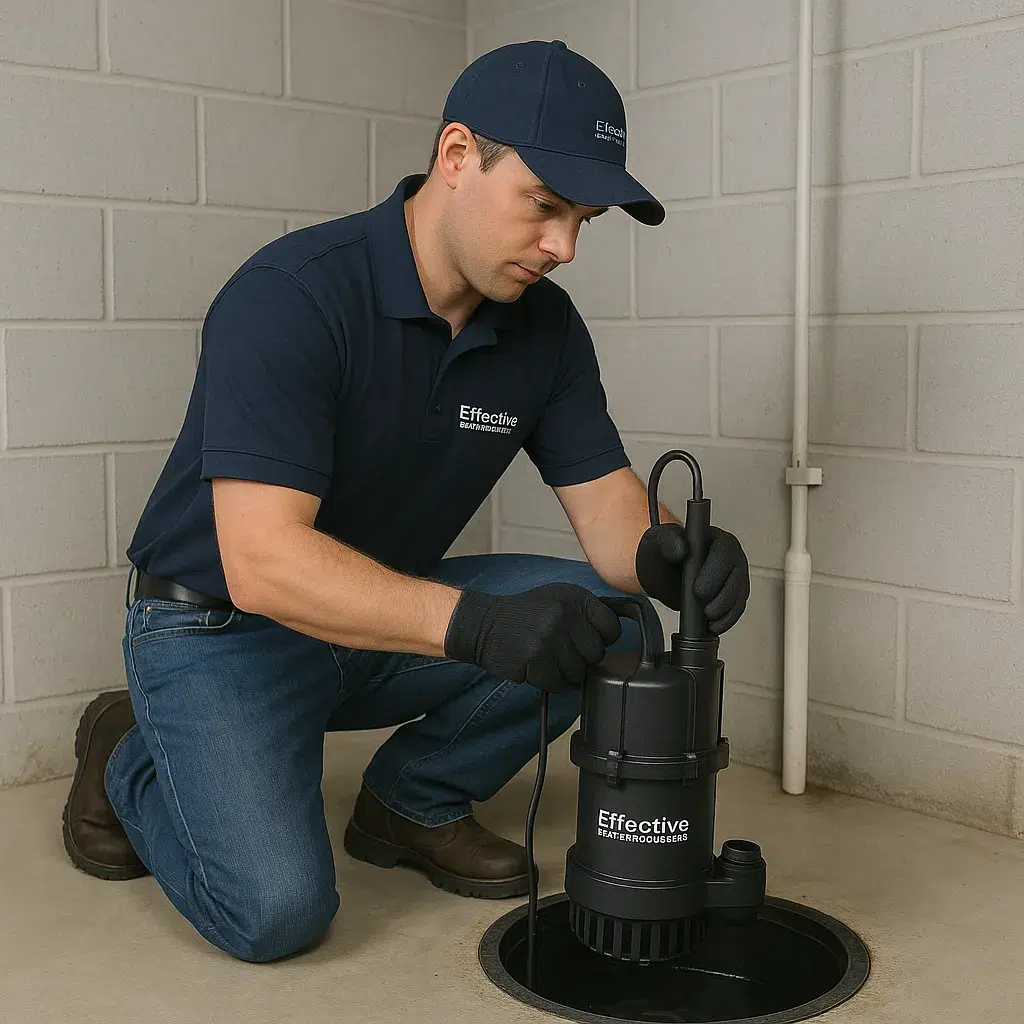
- Sump Pump Installation : Sump pumps remove collected water before it can flood the basement.
- Crawl Space Encapsulation : Sealing and insulating the crawl space keeps moisture out, improving air quality and reducing mold risk.
Effective Basement Solutions installs these systems to match each home’s needs, combining techniques when necessary for long-term protection.
Interior Drainage Systems and Sump Pump Installation Explained
Interior drainage systems collect water that enters the basement and route it to a sump basin; the sump pump then ejects that water away from the house. Together they form a reliable defense against basement seepage and flooding.
Knowing how subsurface drains and sump pumps operate helps homeowners make informed choices and maintain systems that perform when storms strike.
Subsurface Drainage & Sump Pump Installation
Subsurface drainage removes excess groundwater below the surface—typically using perforated plastic tubing placed about 1 to 2 meters below grade. Historically called tile drainage, the method relies on a downhill discharge. When the discharge outlet sits above the drain’s outlet, a sump and pump are required to lift the water out.
Subsurface Drainage Design and Installation, P Waller, 2016
Interior drains manage incoming water while a well-maintained sump pump supplies the muscle to remove it. Routine checks—testing the pump, clearing debris, and confirming the discharge path—keep the system dependable.
Foundation Crack Repairs and Professional Sealing Techniques
Cracks in foundations are a common entry point for water. Professional repair methods range from epoxy injections to underpinning, chosen based on crack size and structural needs.
- Epoxy Injections : Injected resin seals cracks and restores a watertight bond.
- Gravity Feed with Epoxy : This method uses gravity to allow epoxy to penetrate and seal deeper fissures.
- Underpinning Techniques : Underpinning stabilizes and strengthens foundations when soil movement or settlement is the cause.
Professional sealing and repair protect your home’s structural integrity while stopping water at its source.
How Much Does Basement Waterproofing Cost in Verona, NJ?
Costs vary by basement size, the severity of the issue, and the selected repair methods. As a general range, homeowners can expect to pay roughly $1,500 to $5,000 for comprehensive waterproofing work.
| Service | Cost | Description |
|---|---|---|
| French Drain Installation | $1,500 – $3,000 | Redirects water away from the foundation. |
| Sump Pump Installation | $1,000 – $2,500 | Removes accumulated water from the basement. |
| Crawl Space Encapsulation | $2,000 – $5,000 | Seals the crawl space to prevent moisture intrusion. |
Use these figures to budget and compare quotes—always confirm what each estimate includes before you commit.
Health Risks from Basement Moisture and Mold in Verona Homes
Persistent basement moisture and mold can affect indoor air quality and residents’ health. Addressing moisture problems promptly lowers the risk of allergic and respiratory issues and reduces long-term exposure concerns.
- Allergic Reactions : Mold exposure can trigger sneezing, itchy eyes, and skin irritation in sensitive people.
- Respiratory Issues : People with asthma or chronic lung conditions can experience worsened symptoms when mold spores are present.
- Neurological Symptoms : Some research links certain mold exposures to neurological complaints, reinforcing the need for proper remediation.
Tackling moisture and mold protects both your home and your family’s health.
Mold Remediation and Moisture Control Tips for Homeowners
You can take practical steps to reduce basement moisture: control indoor humidity, run dehumidifiers, keep gutters clear, and inspect the basement regularly for signs of water. For significant mold or persistent dampness, professional remediation is the safest route.
Effective Basement Solutions is a New Jersey-based specialist in basement waterproofing and foundation repair. We design solutions for each home and rely on in-house crews to deliver consistent workmanship and lasting results.
How to Choose Reliable Basement Waterproofing Contractors in Verona, NJ
Choosing the right contractor matters. Look beyond price: verify credentials, ask about experience and warranties, and read homeowner reviews to assess reliability and quality.
- Check Credentials : Confirm the contractor is licensed and carries appropriate insurance.
- Experience and Warranties : Prefer contractors with a proven track record and written warranties on work performed.
- Homeowner Reviews : Past customer feedback reveals how a company handles communication, timing, and follow-up.
Following these steps helps you hire a contractor who will deliver durable solutions and clear expectations.
Why Effective Basement Solutions Stands Out in Verona, NJ
Effective Basement Solutions focuses on complete, custom waterproofing and foundation repairs across New Jersey. With in-house crews and a commitment to quality, we aim to deliver reliable results and a straightforward customer experience.
We also offer free inspections and estimates so you can understand your options without upfront cost. That transparency and hands-on service is what many Verona homeowners value.
Can Homeowners Tackle Basement Waterproofing Themselves in Verona, NJ?
Some minor issues can be managed by homeowners—applying sealants, running dehumidifiers, or fixing small leaks. But DIY approaches often don’t solve deeper infiltration or structural problems. When in doubt, a professional assessment will prevent wasted effort and expense.
- Feasibility of DIY Methods : DIY can work for small, surface-level problems but isn’t a substitute for professional repairs in complex cases.
- Common DIY Techniques : Sealants for tiny cracks and dehumidifiers for humidity control are common homeowner solutions.
- When to Call Professionals : If leaks recur, water volumes are significant, or structural cracks appear, call a pro for a comprehensive fix.
Knowing the limits of DIY helps you choose the most cost-effective and lasting approach.
When to Call Professionals for Basement Sealing and Repairs
Certain signs require immediate professional attention: visible water stains, ongoing mold, persistent dampness, and foundation cracks. These indicators often point to issues that temporary fixes won’t solve.
For homeowners dealing with ongoing moisture or leaks, basement waterproofing services deliver targeted solutions that address root causes and offer long-term protection.
Latest Waterproofing Technologies and NJ Regulations Affecting Verona Homes
New materials and systems—like higher-capacity sump pumps, reinforced drain tiles, and improved membrane technologies—make waterproofing more effective. At the same time, local building codes in New Jersey set standards you must meet for safe, compliant installations.
- Latest Waterproofing Technologies : Advances such as robust sump systems and improved drain materials enhance flood and moisture management.
- NJ Regulations on Waterproofing : Local codes and permits can affect how waterproofing work must be performed.
- Impact on Homeowners : Following regulations avoids legal issues and ensures installations meet safety and performance expectations.
Staying informed lets you choose approaches that are both modern and code-compliant.
Innovations in Basement Waterproofing Systems for NJ Flood Risks
To address rising flood risks, modern systems combine high-capacity pumps, reinforced drainage, and battery backups so homes remain protected even during power outages and heavy storms.
Understanding Local Building Codes and Compliance Requirements
Before starting work, confirm local code requirements and permits. Proper permitting and compliant installation protect your family and preserve the value of your property.
How Does Effective Basement Solutions Support Verona Homeowners with Free Inspections?
We offer free inspections that identify moisture sources, document conditions, and outline recommended repairs—no obligation. That helps homeowners make informed decisions without surprise costs.
Scheduling and What to Expect During a Free Basement Inspection
Scheduling is simple. During the inspection, expect a thorough walk-through, moisture measurements, documented findings, and a clear recommendation list with options and cost estimates.
Case Studies and Success Stories from Verona Clients
Our Verona projects demonstrate how targeted waterproofing improves home comfort and resale value. Client testimonials and case studies illustrate real results and the lasting benefits of professional work.
Frequently Asked Questions
What are the benefits of hiring a professional for basement waterproofing?
Professionals accurately diagnose the source and severity of water intrusion, choose the right materials, and install systems that last. They have the tools, training, and warranties that protect your investment—saving you money and headaches down the road compared with piecemeal DIY fixes.
How can I maintain my basement waterproofing system?
Maintain your system by testing the sump pump monthly, keeping the discharge line clear, cleaning gutters and downspouts, and monitoring basement humidity. Schedule periodic professional inspections to catch wear and emerging issues early.
What should I do if I notice mold in my basement?
Act quickly: locate and stop the moisture source, dry affected areas, and clean small mold patches with appropriate cleaners. For extensive contamination, hire a professional mold remediation service to ensure safe, thorough removal and to prevent recurrence.
Are there any government regulations regarding basement waterproofing in NJ?
Yes. New Jersey municipalities have building codes and permit rules that can apply to waterproofing and foundation work. Check local requirements or work with a contractor familiar with NJ regulations to ensure compliance.
What are the signs that I need to upgrade my waterproofing system?
Signs you may need an upgrade include repeated leaks, rising humidity despite existing systems, persistent mold growth, or a sump pump that runs constantly or struggles during storms. Foundation cracks and settlement are also red flags.
How do I prepare for a basement waterproofing project?
Clear the work area of furniture and personal items, remove landscaping that blocks access to the foundation if possible, and document existing damage to share with the contractor. Clear communication about concerns helps ensure the work addresses all issues.
What is the typical timeline for a basement waterproofing project?
Timelines vary by scope. Minor jobs like a sump pump install can take a day; a full interior drainage and repair project typically runs a few days to a week. Major structural repairs or extensive excavations may take longer—your contractor will provide a specific schedule based on the work required.
Conclusion
Waterproofing your basement in Verona, NJ protects your home, health, and investment. By recognizing signs of water intrusion, choosing effective solutions, and working with a reputable contractor, you can prevent costly damage and enjoy a drier, healthier home. Schedule a free inspection to get a clear plan for protecting your property.