
Improving Crawl Space Air Quality in New Jersey: Effective Solutions for Healthier Homes
Did you know up to 50 percent of the air in your living spaces originates from the crawl space below? Poor crawl space air quality can introduce moisture, mold, radon, and allergens that circulate through your home, compromising indoor air quality, energy efficiency, and structural integrity. This article explains why maintaining a dry, sealed crawl space matters in New Jersey’s varied climate and offers a roadmap to targeted solutions. You’ll discover how stack-effect airflow links subfloor conditions to respiratory health, what drives humidity and contaminant build-up, and the specific risks of mold, pests, and radon. Read on to explore encapsulation, dehumidification, remediation, insulation, ventilation, and radon mitigation systems proven to improve air quality, lower utility costs, and protect your foundation. Practical comparisons and expert insights from a trusted New Jersey crawl space specialist help you choose the right service provider, prepare for a free consultation, and ensure a healthier, more comfortable home.
Why Does Crawl Space Air Quality Matter for Your New Jersey Home?
A crawl space acts as an unseen extension of your living area, where moisture and contaminants can accumulate and migrate upward through the stack effect. When soil gases, damp wood, and mold spores rise, they degrade indoor air quality and trigger allergy or asthma symptoms. In New Jersey’s humid summers and wet winters, an unsealed crawl space allows fluctuating humidity to worsen structural decay, increase energy bills, and create a persistent musty odor.
Sealing and conditioning the crawl space interrupts that airflow by establishing a stable subfloor environment. Effective encapsulation and targeted moisture control preserve insulation performance, reduce heating and cooling demands, and block radon infiltration. Improving crawl space air quality ultimately supports a healthier household, extends the life of wooden joists, and delivers energy savings—a critical investment for homeowners facing coastal humidity or northern frost cycles.
How Does the Crawl Space Affect Indoor Air Quality?
The stack effect describes warm air rising through a house and drawing lower-pressure air from the crawl space upward. As subfloor humidity or soil gases enter vents and gaps, they carry mold spores, radon, and musty odors into living rooms. Interrupting this movement with air sealing and encapsulation stops contaminants at the source and promotes consistent indoor freshness.
What Are the Common Causes of Poor Crawl Space Air Quality?
Excess humidity from ground moisture, inadequate drainage around footings, open vents, and uninsulated ductwork fosters microbial growth and wood rot. Leaks in foundations, clogged gutters, and lack of vapor barriers allow water intrusion, creating the high-humidity environment molds and mildew need to thrive.
What Health Risks Are Linked to Damp and Moldy Crawl Spaces?
Mold exposure can provoke respiratory irritation, trigger allergy flare-ups, and worsen asthma in sensitive individuals. Radon gas concentrations can rise without proper mitigation, increasing long-term lung cancer risk. Persistent dampness may also attract pests whose droppings and dander introduce additional allergens.
What Are the Most Common Problems Affecting Crawl Space Air Quality?
Crawl spaces often harbor five core issues that compromise home health. Understanding these problems is the first step in selecting effective remedies and preventing recurring damage.
- Mold and Mildew Development Mold spores flourish above 60 percent humidity and colonize wood, insulation, and flooring materials. As colonies mature, they release airborne spores that exacerbate allergy and asthma symptoms.
- Excessive Moisture and Humidity Groundwater seepage, poor drainage, and clogged gutters feed damp soils that wick moisture upward. High subfloor humidity accelerates structural decay and degrades vapor-permeable insulation.
- Radon Gas Infiltration Naturally occurring uranium breakdown in New Jersey soils generates radon gas, which seeps through cracks and joints into unsealed crawl spaces. Elevated radon increases lifetime lung cancer risk among non-smokers.
- Pest Infestations Rodents and insects seek moist, sheltered crawl spaces and deposit allergens, uric acid crystals, and pathogens. Their nesting materials further block airflow and degrade insulation.
- Poor Ventilation and Insulation Open vents expose subfloors to outdoor humidity and temperature swings, while absent or damaged insulation allows condensation. Stagnant air encourages mildew and structural frost heave.
How Does Mold and Mildew Develop in Crawl Spaces?
Mold colonizes surfaces where moisture exceeds 60 percent and organic matter is present. Once established, hyphae penetrate substrates, releasing spores that travel through subfloor gaps. Controlling humidity below 50 percent and eliminating wood-to-soil contact are critical in stopping spread.
Why Is Excessive Moisture and Humidity Harmful in Crawl Spaces?
Persistent dampness softens wood, promotes rot, and undermines insulation R-values. Moisture-laden air also carries higher concentrations of volatile organic compounds and microbial toxins into living areas.
How Does Radon Gas Enter Crawl Spaces and Affect Health?
Radon gas diffuses from uranium-rich soils into foundation cracks, crawl space vents, and poorly sealed openings. Without mitigation, indoor radon levels may exceed EPA guidelines, elevating long-term cancer risk.
What Role Do Pests Play in Crawl Space Air Quality?
Rodents and insects bring allergens, pathogens, and debris into the subfloor cavity. Their droppings and nesting refuse release particulate matter that circulates through the home’s air distribution system.
How Do Poor Ventilation and Insulation Contribute to Air Quality Issues?
Uncontrolled airflow through vents pulls humid or cold external air into the crawl space. Without adequate insulation, condensation forms on cold surfaces, nourishing mold and reducing energy efficiency.
Which Crawl Space Solutions Improve Air Quality in New Jersey Homes?
Effective remediation combines moisture control, sealing, treatment, and mechanical systems to create a clean, conditioned subfloor environment. These solutions target the root causes of poor air quality for lasting results.
Below is a comparative overview of key solutions, their primary functions, and core benefits.
| Solution | Primary Function | Key Benefit |
|---|---|---|
| Encapsulation | Full crawl space sealing | Prevents moisture ingress and mold growth |
| Dehumidifier Installation | Active humidity regulation | Maintains optimal 45–55 percent relative humidity |
| Radon Mitigation System | Sub-slab depressurization | Reduces radon levels below EPA action limit |
This comparison reveals that encapsulation provides a foundational vapor barrier, while a dedicated dehumidifier maintains stable humidity. Radon systems address soil gas without impacting thermal performance.
How Does Crawl Space Encapsulation Improve Air Quality?
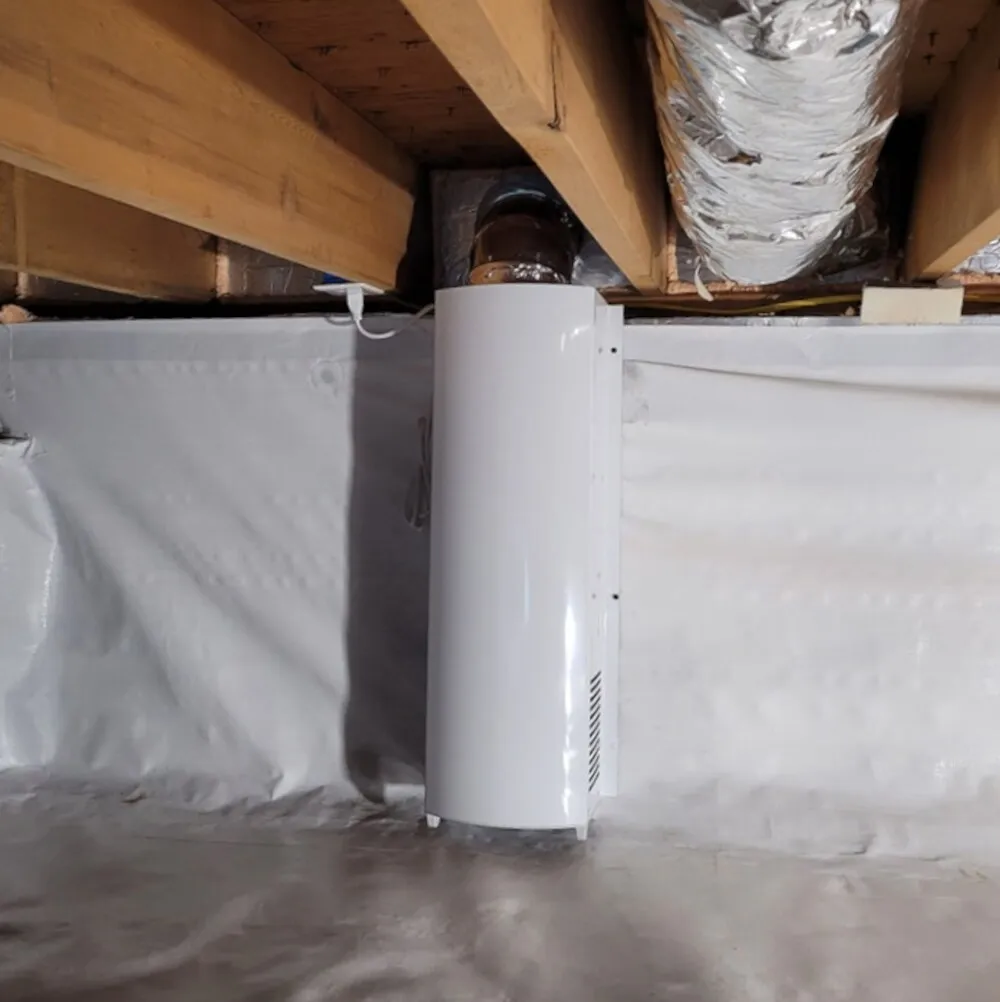
Crawl space encapsulation installs a continuous vapor barrier over floors and walls, seals vents and air leaks, and integrates drainage channels. By isolating the soil from the subfloor cavity, encapsulation stops moisture and soil gases, thereby reducing mold triggers and radon entry.
What Are the Benefits of Installing a Crawl Space Dehumidifier?
A crawl space dehumidifier actively extracts water vapor from the air, stabilizing humidity between 45–55 percent. Consistent humidity control inhibits mold spore germination, improves insulation R-values, and complements an encapsulation system for year-round air quality.
How Does Mold Remediation Restore Crawl Space Health?
Professional mold remediation removes contaminated materials, applies EPA-approved biocides, and addresses source moisture issues. Post-remediation monitoring ensures spore counts drop, restoring a safe subfloor environment.
What Are the Best Insulation and Air Sealing Options for Crawl Spaces?
Rigid foam board and spray foam insulation applied to walls and rim joists create an unbroken thermal envelope. Combined with caulking and sill-seal strips, these methods block drafts, minimize condensation, and enhance energy efficiency.
How Can Radon Mitigation Systems Protect Your Home?
Sub-slab depressurization fans draw radon gas from beneath the crawl space and exhaust it above the roofline. Costs vary by soil permeability and system complexity, but homeowners gain peace of mind with tested and certified reductions.
What Crawl Space Ventilation Solutions Are Available?
Conditioned crawl space ventilation uses sealed ductwork and supply vents tied to the HVAC system, introducing filtered, dehumidified air. Alternatively, energy-recovery ventilators can exchange stale subfloor air with fresh outdoor air while recovering heat.
How Does Crawl Space Cleaning and Pest Control Enhance Air Quality?
Thorough cleaning removes debris, organic waste, and pest nests that feed mold and attract rodents. Professional pest control seals entry points, deters infestations, and prevents allergen sources from re-emerging.
What Are the Key Benefits of Improving Crawl Space Air Quality?
Improved crawl space air quality creates a healthier, more efficient, and comfortable home environment. Addressing underlying moisture and contaminant sources yields multiple tangible advantages.
- Enhanced Indoor Air Quality and Health A dry, sealed subfloor halts mold spore migration, reducing allergy and asthma triggers and improving overall respiratory wellness.
- Energy Savings and Efficiency Insulated, air-sealed crawl spaces minimize heat loss and cold drafts, which can lower energy costs by up to 15 percent in New Jersey’s climate.
- Structural Integrity Protection Controlled moisture prevents wood rot, joist decay, and foundation shifting, extending subfloor lifespan and reducing repair expenses.
- Increased Home Comfort and Resale Value Consistent indoor temperatures, elimination of musty odors, and certified indoor air improvements enhance occupant comfort and boost property appeal to buyers.
How Do You Choose the Right Crawl Space Service Provider in New Jersey?
Selecting a qualified specialist ensures tailored solutions, reliable performance, and long-term warranty coverage. Consider inspection thoroughness, technology offerings, and local experience in New Jersey’s diverse moisture conditions.
A professional inspection includes a detailed assessment of soil moisture, wood decay, radon levels, and insulation deficiencies. Expect a comprehensive report with moisture readings, thermal imaging data, and an encapsulation plan.
Free consultations let you compare estimates, review project timelines, and ask about service guarantees. Transparent contractors explain equipment specifications, energy savings projections, and maintenance requirements before any work begins.
What Are the Frequently Asked Questions About Crawl Space Air Quality?
Homeowners often wonder how to track improvements and verify system performance. Regular humidity and radon testing confirm that dehumidifiers and mitigation fans maintain safe levels. Monitoring devices offer remote alerts when conditions exceed set thresholds.
Many ask whether encapsulation alone is sufficient. While a vapor barrier dramatically cuts moisture ingress, combining it with active dehumidification and insulation delivers the most stable environment. Cost factors vary with crawl space size, access, and existing damage.
Questions about dehumidifier efficacy arise frequently. Properly sized units prevent mold growth, but cartridges and filters require periodic maintenance. Annual inspections ensure seals remain intact and equipment operates at design capacity.
Maintaining a crawl space typically involves quarterly humidity checks, biannual radon tests, and visual inspections for new damage or pest activity. Scheduled upkeep keeps air quality benefits consistent and preserves the value of your investment.
How to Choose the Ideal Crawl Space Service Provider in New Jersey
Requesting a free consultation is simple and commitment-free. Begin by noting your home’s age, square footage of the crawl space, and any known moisture or mold issues. This information helps streamline the inspection process.
A technician visits your property to evaluate drainage, vapor barrier condition, existing insulation, and radon levels. You receive a detailed proposal outlining recommended services, cost estimates, and projected energy savings. From there, you can schedule repairs or encapsulation at your convenience.
Improving crawl space air quality transforms an overlooked area into a vital component of home health and energy efficiency. With tailored encapsulation, dehumidification, radon mitigation, and insulation strategies, New Jersey homeowners can enjoy fresher air, lower bills, and protected foundations. Reach out today to secure your free, expert consultation and take the first step toward a healthier, more comfortable home.