Expert Basement Waterproofing in Paramus, NJ to Protect Your Home
Basement waterproofing in Paramus, NJ, is essential for safeguarding one of the most vulnerable parts of a home from water intrusion, mold, and progressive foundation damage. This article explains why Paramus homes face unique moisture risks, how interior and exterior solutions work, and which structural repairs and moisture-control strategies deliver the best long-term protection. Homeowners will learn to recognize early warning signs, compare French drains, sump pumps, and exterior membranes, and weigh cost drivers so they can plan effective, durable interventions. After the technical guidance, we provide a clear path to an inspection and estimate—with a local, no-pressure option for homeowners who want an expert assessment before committing to work. The sections that follow cover local climate and soil drivers, interior and exterior systems, structural reinforcement, crawl space health, cost factors with an inspection checklist, and a contractor-selection guide tailored to Paramus conditions.
Effective Basement Solutions offers a free inspection and estimate for Paramus homeowners who want a transparent diagnosis and options tailored to New Jersey soil and water-table conditions. The company provides licensed, in-house crews and focuses on long-term protection with customizable systems like basement waterproofing, sump pump installation, French drain installation, crawl space encapsulation, dehumidification systems, and battery backup options. This brief service note transitions into the technical material below so readers can make informed decisions about systems and costs before scheduling any on-site evaluation.
Why Do Paramus Homes Need Specialized Basement Waterproofing?
Basement waterproofing for Paramus homes addresses local drivers of moisture intrusion: seasonal heavy precipitation, clay-rich soils, and pockets of a relatively high water table that increase hydrostatic pressure on foundations. These factors act together to force water toward foundations and into basements through cracks, joints, and porous materials, so targeted waterproofing systems reduce both infiltration and structural risk. Understanding the local mechanisms helps homeowners choose between interior drainage approaches that manage water once it reaches the foundation and exterior solutions that stop water before it arrives. This section explains the soil and weather dynamics that make a Paramus-focused approach more effective than one-size-fits-all remedies.
What Are the Unique Climate and Soil Challenges in Paramus, NJ?
Paramus experiences seasonal patterns with concentrated rainfall and storm events that can saturate shallow soils and create repeated cycles of wetting and drying, which affects foundation movement. Many local yards contain clayey soils that have low permeability and swell when wet, increasing lateral pressure on foundation walls and reducing natural drainage away from the house. These combined conditions raise the likelihood of surface runoff collecting near footings and exacerbate hydrostatic pressure during prolonged wet periods. Recognizing the interplay between rainfall intensity and soil type is essential to design drainage and moisture-control systems that address the root causes, not just the symptoms of basement moisture.
How Does Hydrostatic Pressure Affect Basements in Paramus?
Hydrostatic pressure is the force of groundwater pushing against buried structures, and in Paramus, this pressure frequently rises after heavy rains or sustained wet seasons, driving water through even small cracks in basement walls and floors. When pressure builds, water seeks the path of least resistance—seams, construction joints, and hairline fissures—making passive surface fixes insufficient for many homes. Effective mitigation uses drainage channels, French drains, and sump pumps to relieve pressure and redirect groundwater away from foundations before it can enter interior spaces. Understanding hydrostatic mechanics clarifies why active collection and removal systems are often necessary in Paramus to preserve structural integrity and interior dryness.
What Are Common Signs of Wet Basements and Foundation Damage in Paramus?
Early detection of basement moisture and foundation distress lets homeowners act before repairs escalate into excavation or underpinning projects; common signs include visible water after storms, white efflorescence on masonry, persistent musty odors, and localized mold growth. Structural indicators—such as horizontal or stair-step cracks, bowed or leaning walls, and uneven interior floors—suggest active soil pressure or settlement that requires professional evaluation. Recurring damp spots after rainfall or pooling by downspouts point to surface-drainage issues that are often correctable with grading and targeted drainage improvements. Monitoring these signs and documenting their timing and severity provides useful data for inspections and helps prioritize interventions to reduce long-term costs.
What Interior Basement Waterproofing Solutions Are Best for Paramus Homes?
Interior basement waterproofing focuses on collecting and removing water that enters the basement through drainage channels, sump pumps, and vapor-control systems; these methods are frequently chosen in Paramus for cost-effectiveness and lower excavation needs. Interior systems work by intercepting subsurface water at the footing level and conveying it to a sump basin where pumps discharge it away from the foundation, which relieves hydrostatic pressure and keeps living spaces dry. For many Paramus properties with restricted exterior access or relatively shallow exterior utilities, interior approaches provide a reliable remedy when paired with proper maintenance and a battery backup for power outages. The following subsections describe French drains, sump pumps, and battery backup systems and how they perform under local conditions.
How Does French Drain Installation Prevent Basement Flooding in Paramus?
A French drain is an interior perimeter channel installed at footing level that collects groundwater before it enters the living area and directs it to a sump pit; it functions by offering a controlled path for water to follow away from the foundation. In Paramus, an interior French drain is often preferred where exterior excavation is costly or landscaping constraints exist, and it pairs well with a sump pump to actively remove collected water. Typical installations require a small trench, perforated pipe embedded in gravel, and sealing at seams to ensure long-term performance; periodic inspection and clearing of debris ensure the system continues to move water efficiently. Homeowners benefit from reduced hydrostatic pressure on walls and a lower likelihood of mold-related indoor air issues when a properly installed French drain is maintained.
Introductory comparison of common interior waterproofing attributes:
| Interior Approach | Characteristic | Typical Benefit |
|---|---|---|
| French drain (interior) | Perimeter channel to sump | Controls subsurface water without exterior excavation |
| Sump pump system | Active water removal to discharge | Prevents ponding and reduces flood risk |
| Vapor barrier | Seals walls/floor from moisture vapor | Lowers humidity and mold risk |
This compact table shows how interior elements combine to maintain a dry, healthier basement and supports decisions where exterior access is limited.
Why Is Sump Pump Installation Essential for Paramus Basements?
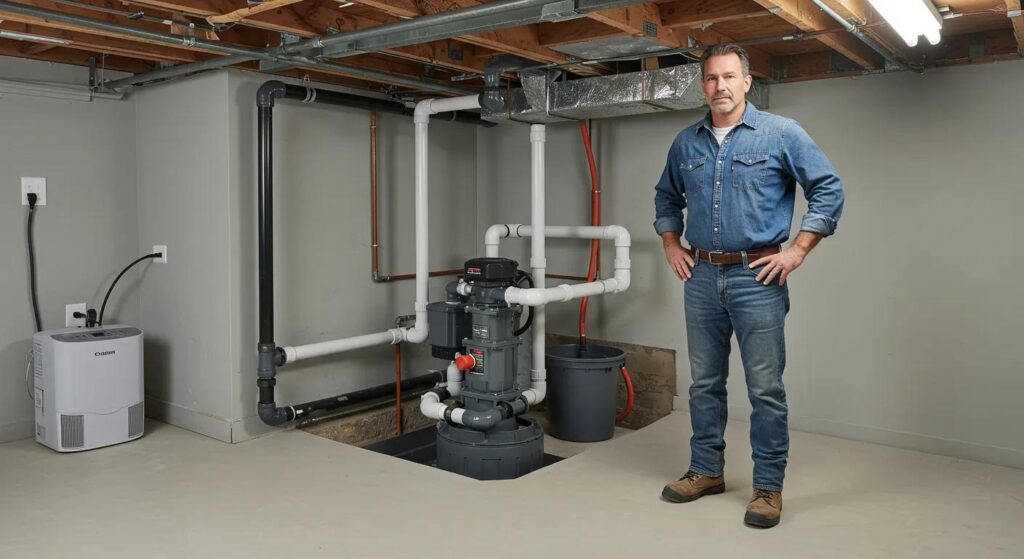
A sump pump provides the active removal mechanism that turns passive collection into reliable protection; when groundwater is channeled to a sump basin, the pump evacuates it away from the foundation, preventing accumulation. Choosing the right pump involves matching capacity to expected inflow, considering horsepower and head height, and ensuring proper check-valve and discharge routing so water does not return to the structure. Regular testing, scheduled maintenance, and inspection of float switches help avoid failures during storms when the pump is needed most. For Paramus homeowners, a correctly specified sump reduces flood risk and complements perimeter drainage and vapor control to provide a layered defense.
What Are the Benefits of Battery Backup Sump Pumps in Paramus, NJ?
Battery backup sump pumps supply emergency power to the primary pump during electrical outages that often accompany heavy storms, ensuring continuous protection when mains power is lost and water inflow is highest. Backup systems typically consist of a secondary pump or a battery with inverter that engages automatically if the primary pump fails or power goes out, offering hours of runtime depending on battery capacity and pump draw. Investing in a battery backup is particularly important in Paramus where storm-driven outages are possible and the cost of basement flooding can far exceed the backup investment. Routine battery checks and replacement planning ensure the system will operate when needed and provide peace of mind for homeowners.
When Should Homeowners Consider Exterior Basement Waterproofing in Paramus?
Exterior basement waterproofing addresses the source of water by preventing groundwater and surface runoff from reaching the foundation, using membranes, drainage blankets, and grading to redirect water away from the structure. Exterior solutions become necessary when repeated interior repairs fail to control infiltration, when significant wall deterioration is present, or when hydrostatic pressure is so severe that stopping water before it reaches the foundation is the most durable option. While exterior work is more invasive and can be costlier, it can also provide superior long-term protection where soil conditions or persistent surface runoff overwhelm interior measures. The next subsections describe exterior drains, membranes, and the role of grading in preventing chronic moisture problems.
How Do Exterior Drainage Systems Protect Paramus Basements?
Exterior drainage systems include perimeter drains, waterproof membranes applied to foundation exteriors, and daylighting or routed discharge that keeps water away from footings; together these components stop water at the source before it stresses the foundation. Membrane systems bond to the foundation wall surface to block lateral moisture movement while exterior drains collect groundwater and lead it to safe discharge points, reducing hydrostatic loads. These systems are particularly effective where surrounding soil is compacted or clay-rich, and where downspouts and landscape features contribute to pooling near the foundation. Properly integrated exterior work often reduces the need for repeated interior interventions and extends overall foundation service life.
Introductory table comparing exterior methods for Paramus conditions:
| Exterior Method | Invasiveness | When Recommended |
|---|---|---|
| Excavation & membrane | High | Severe, continuous leakage and structural compromise |
| Exterior drain routing | Moderate | When surface runoff or groundwater collects at foundation |
| Grading and landscape reconfiguration | Low | When poor slope or downspout placement causes pooling |
What Role Does Foundation Grading Play in Preventing Water Damage?
Foundation grading is the first line of defense that ensures surface water flows away from the house rather than toward the foundation; simple slope corrections and proper downspout extensions often prevent many moisture issues. Recommended practice is to maintain a consistent slope away from the foundation—creating positive drainage—and to check gutters and downspouts for proper function so roof runoff is routed away from footings. Grading adjustments and targeted landscape changes are cost-effective remedies for many Paramus properties and can delay or prevent the need for more invasive waterproofing. When grading is insufficient due to terrain or existing hardscape, supplemental exterior drains or membranes become necessary to protect the foundation.
How Can Foundation Repair and Structural Reinforcement Improve Basement Safety in Paramus?
Foundation repair and reinforcement restore structural capacity, stop progressive movement, and allow waterproofing systems to work as intended; repairs range from crack injections to carbon fiber straps, steel I-beams, and underpinning when deeper support is required. Addressing structural problems removes the mechanical causes of cracks and bowing, reduces water pathways, and stabilizes load-bearing elements so waterproofing is not undermined by continuing movement. In Paramus, combining waterproofing with appropriate structural reinforcement protects both the building envelope and the home’s long-term value. The following subsections review repair options, reinforcement technologies, and when underpinning is necessary.
What Are Effective Methods for Foundation Crack Repair in Paramus?
Crack repair options vary by cause and severity: epoxy or polyurethane injection seals non-structural cracks and prevents leaks, while stitching and stabilization techniques address more active or widening cracks that threaten integrity. Repair selection depends on whether the crack is cosmetic, due to settlement, or driven by lateral pressure—each scenario requires a diagnosis that informs combined waterproofing and structural measures. Timely crack remediation prevents water from exploiting fissures and reduces the chance that localized issues will escalate into broader wall movement. Coordinating crack repair with drainage improvements ensures repairs remain effective under Paramus soil and moisture conditions.
How Do Carbon Fiber Straps and Steel I-Beams Strengthen Bowing Walls?
Carbon fiber straps provide a minimally invasive method to stabilize moderately bowing walls by adhering high-strength fibers to the interior surface to resist further lateral movement, while steel I-beams offer stronger, adjustable vertical reinforcement for more severe bowing and long-term load support. The choice balances invasiveness, capacity, and lifespan: carbon fiber is less disruptive and suitable for moderate cases, while steel I-beams deliver greater corrective force where soil pressure is significant. Both approaches are often installed with monitoring plans to track stabilization results and to determine if further reinforcement or underpinning is necessary. Selecting the appropriate method depends on the degree of movement and the homeowner’s tolerance for interior disruption.
When Is Underpinning Necessary for Paramus Homes?
Underpinning becomes necessary when foundation settlement, weakened soils, or deeper stability issues compromise bearing strata and cause progressive settlement that cannot be corrected from the surface; underpinning transfers loads to deeper, stable layers. Indicators include ongoing differential settlement, widening stair-step cracks, significant foundation tilt, and cases where soil tests show insufficient bearing capacity near existing footings. The underpinning process is more complex and requires staged work, permits, and careful sequencing to avoid destabilizing the structure during repair. In Paramus, underpinning is a corrective and preventive measure for severe cases where less invasive reinforcement cannot restore safe bearing conditions.
How Does Crawl Space Encapsulation and Dehumidification Improve Basement Health in Paramus?
Crawl space encapsulation and dehumidification create a controlled subsurface environment that reduces moisture transfer into living areas, improves indoor air quality, and can lower energy loads by stabilizing the air that feeds HVAC systems. Encapsulation uses a continuous vapor barrier across floors and walls, sealed seams, and often insulation to limit moisture ingress and pest entry, while dehumidifiers maintain relative humidity at levels that discourage mold growth. These measures are particularly relevant in Paramus where high ground moisture and basement humidity can compromise health and comfort. The next subsections outline vapor barriers, dehumidification sizing, and how improved indoor air quality benefits occupants.
What Are the Benefits of Crawl Space Vapor Barriers in Paramus Homes?
A crawl space vapor barrier installed with sealed seams and proper termination points blocks ground moisture from entering the crawl area and being transported into the living space through air exchange or structural pathways. The barrier reduces condensation on joists and ductwork, lowers mold and rot risk in subfloor structures, and can make insulation more effective by keeping it dry. Proper material selection and meticulous installation detail are critical to avoid trapping water in unintended locations, and regular inspections ensure long-term performance. For Paramus homeowners, vapor barriers are a cost-effective step that improves durability and contributes to a healthier indoor environment.
How Do Dehumidification Systems Prevent Mold Growth in Paramus Basements?
Dehumidification systems maintain relative humidity targets—commonly below 50%—which inhibits mold spore germination and slows corrosion and biological growth on building materials. Correct system sizing depends on basement volume, moisture loads from soil and occupant activities, and whether the space is conditioned or unconditioned; undersized units will run continuously and fail to control humidity. Efficient dehumidifiers include automatic drainage, corrosion-resistant components, and easy-to-read controls, and routine maintenance (filter cleaning, coil checks) preserves capacity. In Paramus, pairing a properly installed dehumidifier with encapsulation or vapor barriers forms a reliable mold-prevention strategy.
Why Is Indoor Air Quality Important for Paramus Homeowners?
Basement and crawl space moisture directly affects whole-house indoor air quality by enabling mold and allergen growth that can migrate upward through HVAC systems, gaps, and stack effect, impacting occupant health and comfort. Addressing sub-slab and crawl-space moisture reduces concentrations of mold spores and volatile organic compounds associated with damp materials, which is particularly beneficial for households with allergies, asthma, or respiratory sensitivities. Monitoring humidity levels and conducting periodic visual inspections helps homeowners maintain air quality safeguards and document conditions for insurance or resale purposes. Investing in moisture control is therefore both a health and an asset-preservation strategy.
What Factors Affect Basement Waterproofing Costs in Paramus, NJ?
Basement waterproofing costs in Paramus are driven by a combination of basement size, severity and type of leakage or damage, accessibility for equipment and crews, local soil characteristics, and any required permits or engineering reports. Transparent cost estimating starts with a thorough inspection that documents interior and exterior conditions, provides photos, and outlines prioritized options so homeowners can compare short-term fixes against long-term solutions. The table below breaks down common cost drivers and helps homeowners anticipate relative price impacts when evaluating proposals. Accurate estimates reduce the risk of scope changes and enable better budget planning.
How Does Basement Size and Damage Severity Influence Pricing?
Square footage and perimeter length determine material and labor volume for interior channels, membranes, and drainage routing, while deeper basements or finished spaces increase finish-repair costs after waterproofing work. Active leaks, structural repairs, or extensive exterior excavation add complexity—repairing a localized hairline crack costs far less than underpinning or full exterior membrane replacement. Accessibility problems, such as tight side yards or steep slopes, raise mobilization and labor time and thereby increase overall pricing. Understanding these distinctions helps homeowners evaluate whether interior-only remedies suffice or whether a comprehensive exterior approach is a more durable investment.
Introductory EAV-style cost-driver table:
| Cost Driver | Attribute | Typical Impact |
|---|---|---|
| Basement size | Perimeter and area | Increases material and labor proportionally |
| Severity of damage | Cosmetic vs structural | Structural issues require specialized repairs and raise cost |
| Accessibility | Easy vs constrained access | Constrained sites need specialized equipment and labor time |
| Soil conditions | Sandy vs clay | Clay and high water table usually raise scope and cost |
What Are the Benefits of a Free Basement Inspection and Estimate?
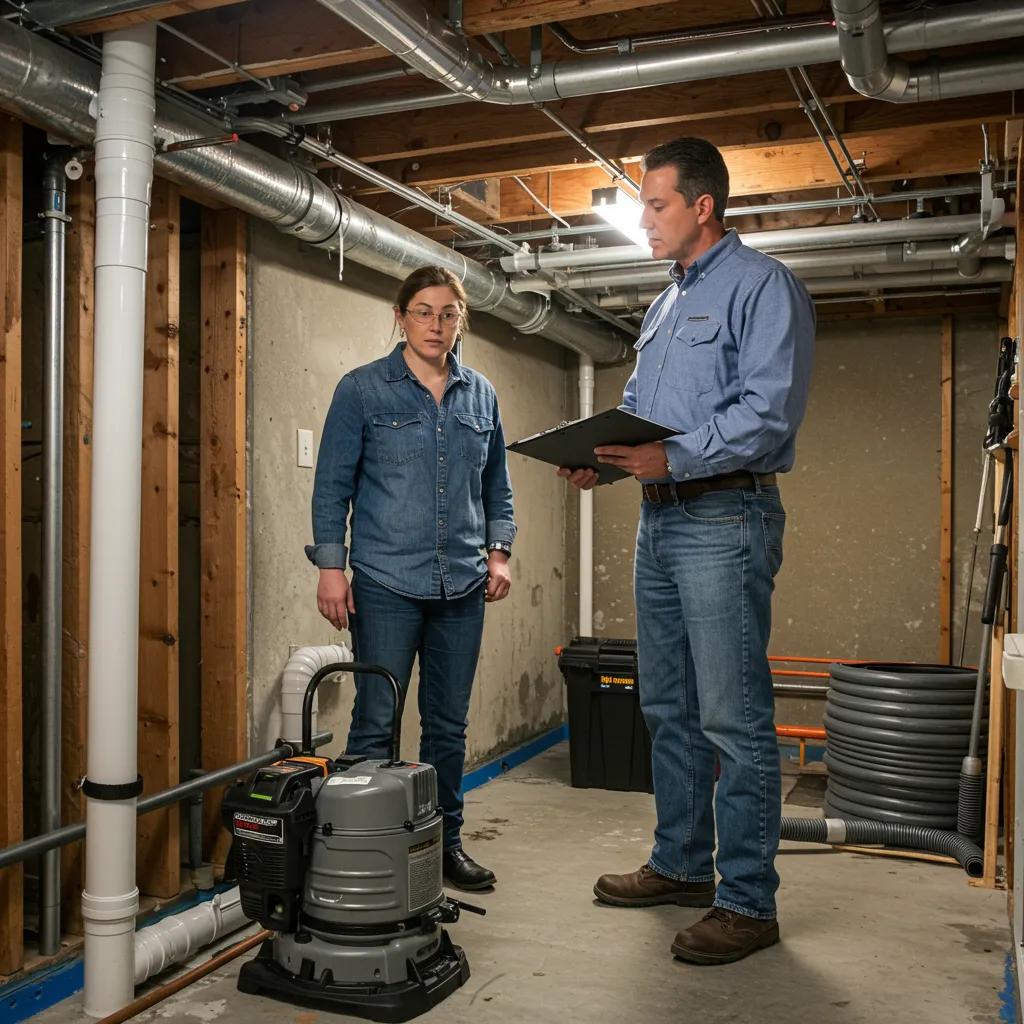
A free basement inspection delivers an accurate diagnosis, photographic documentation, prioritized repair options, and a transparent estimate so homeowners can compare durable solutions rather than guessing at costs. Effective inspections include a visible and tactile assessment of walls, floors, drainage points, and exterior grading, plus clear written recommendations that outline immediate fixes and preventive measures. Effective Basement Solutions conducts free inspections with licensed, in-house crews, provides no-sales-pressure consultations, and presents transparent estimates that explain cost drivers and available warranties. This inspection-first approach helps Paramus homeowners choose appropriate interventions that balance upfront cost with long-term protection and resale value.
How Can Homeowners Maximize ROI from Basement Waterproofing?
Homeowners maximize return on investment by addressing active leaks promptly, prioritizing solutions that prevent structural damage, and choosing durable materials and systems with clear performance warranties. Documenting repairs and inspections provides evidence for future buyers and insurers, and coordinated improvements—like combining drainage with grading and HVAC humidity control—extend system effectiveness. Selecting licensed, in-house crews and requesting inspection reports and references ensures work quality and helps avoid short-term fixes that require repeated service. Overall, investing in long-lasting waterproofing reduces the likelihood of expensive foundation repairs and preserves property value.
How Do You Choose the Right Basement Waterproofing Contractor in Paramus?
Choosing the right contractor requires a focused checklist: verify licensing, ask about in-house crews vs subcontractors, request written estimates with scope and materials, and confirm warranty terms. Homeowners should seek providers who explain options clearly, demonstrate local experience with Paramus soil and water-table conditions, and offer inspection deliverables that include photos and maintenance guidance. Avoid contractors who use high-pressure sales tactics or provide vague proposals without itemized scopes. The subsections below provide specific vetting questions, the company-specific value proposition for Effective Basement Solutions, and guidance on interpreting customer reviews.
What Questions Should You Ask Before Hiring a Contractor?
Ask whether the crew is licensed and in-house, what specific waterproofing systems they recommend for your soil and basement type, and whether their estimate includes a detailed scope, materials, and warranty terms; request references and before/after photos when available. Confirm permit responsibilities, timeline expectations, and what preparatory work or homeowner actions are required before crews arrive. Ask how they handle unforeseen conditions and change orders and whether maintenance plans are offered for pumps and dehumidifiers. Collecting comprehensive answers to these questions enables apples-to-apples comparisons and reduces the risk of unexpected costs or inadequate workmanship.
Why Choose Effective Basement Solutions for Paramus Basement Waterproofing?
Effective Basement Solutions brings localized expertise and a homeowner-first inspection process that emphasizes accurate diagnosis and transparent recommendations tailored to New Jersey soil and weather patterns. The company offers licensed, in-house crews to ensure consistent workmanship, provides free inspection and estimate services without sales pressure, and specializes in integrated systems—such as basement waterproofing, sump pump installation, French drain installation, structural reinforcement, crawl space encapsulation, dehumidification systems, and battery backup solutions—that are selected based on site-specific needs. This combination of technical focus, clear deliverables, and no-pressure consultation supports homeowners who want confident decisions based on durable solutions rather than quick fixes.
What Do Customer Reviews Say About Basement Waterproofing in Paramus?
Customer reviews commonly highlight reliability, clear communication, and effective problem resolution as primary signals of a trustworthy provider, while before/after photos and documented follow-up service reinforce credibility. Look for reviews that reference punctuality, adherence to scope, transparent handling of unexpected conditions, and responsiveness to warranty or maintenance inquiries. Cross-check multiple platforms and ask the contractor for local case studies or examples that match your property type so you can confirm claimed outcomes. Evaluating reviews in the context of documented inspection reports and warranties gives a fuller picture of likely performance and long-term satisfaction.
For homeowners ready to act, a short, no-pressure next step is available: schedule a free inspection and estimate to get a clear scope, photographic documentation, and transparent pricing options that prioritize long-term protection.
Quick homeowner checklist before an inspection:
- Document issues: Note when leaks occur and take photos after storms.
- Clear access: Remove obstructions from perimeter and basement rooms.
- Gather records: Prepare any previous repair invoices or inspection reports.
- Ask for scope: Request an itemized written estimate and warranty details.
This checklist prepares homeowners for a productive inspection and helps contractors produce accurate, comparable proposals.
Effective Basement Solutions offers free, no-pressure inspections and transparent estimates for Paramus homeowners who want locally tailored solutions backed by licensed, in-house crews. The goal is a clear diagnosis and a recommended plan that balances cost, disruption, and long-term protection.
- Why a free inspection matters:
It identifies root causes and prevents unnecessary spending on temporary fixes.It provides documented options so homeowners can compare solutions on value, longevity, and maintenance needs.It supports warranty claims and resale transparency by creating a paper trail of professional recommendations.
This final note underscores that informed decisions typically yield greater protection and better ROI than reactive repairs.
CONTENT INTENT: Provide useful information about basement problems and solutions, build trust, and lead users to request a free consultation or service.

fljzag