
Structural Reinforcement: Stop Foundation Damage Before It Becomes Dangerous Structural reinforcement is the key to stopping foundation damage before it becomes dangerous. Homes showing bulging floors, cracked walls, or doors that won’t close often have early signs of foundation distress. According to the U.S. Department of Housing and Urban Development (HUD), over 60% of homes built on expansive soils experience foundation movement — and ignoring those warning signs can lead to major structural problems. When only part of a foundation heaves or settles, it creates uneven stress that causes cracks and structural damage. Our basement waterproofing systems are designed to prevent moisture buildup and reduce soil pressure on your foundation walls — two of the most common causes of structural failure. This foundation movement is usually caused by changes in soil moisture. Water saturation makes soil swell, while dry conditions cause it to shrink, placing continuous pressure on the structure. These shifts push or pull on basement walls, resulting in bowing, cracking, and misalignment. Without proper structural reinforcement systems in place, the damage will continue to worsen over time — threatening the safety and stability of your home. When a home remains stable for several years and then begins to distort, it’s often due to soil bearing failure rather than full-depth settlement. This is commonly seen as vertical or stair-step settlement cracks, while lateral soil pressure creates horizontal bowing. Our foundation repair solutions — including steel I-beams, carbon fiber straps, and underpinning systems — are engineered to stop wall movement, stabilize your foundation, and protect your property from future structural damage. Professional structural reinforcement prevents further bowing, cracking, or wall collapse. For more information about proper building standards, visit the International Code Council (ICC) — and when you’re ready to protect your home, request a free inspection with our in-house experts today.
Foundation problems often develop slowly — but if ignored, they can lead to serious structural damage over time. Excess moisture and hydrostatic pressure are the leading causes of foundation cracks, bowing walls, and even basement wall failure, especially in older homes with cinder block foundations. Proper basement waterproofing and structural reinforcement solutions are essential to relieve pressure, prevent movement, and protect your home’s structural integrity. According to the American Society of Civil Engineers (ASCE), unchecked water intrusion is one of the most common reasons for foundation deterioration in residential structures. Taking proactive steps — like installing interior French drains, sump pumps, or carbon fiber wall supports — can stop small issues from turning into costly repairs.
Horizontal or stair-step cracks in your basement walls are one of the most common signs of foundation movement — and they should never be ignored. These types of cracks often indicate that hydrostatic pressure or shifting soil is pushing against your foundation from the outside. If the cracks are widening or spreading, it’s a clear warning that the structural integrity of your home may be at risk. The good news: with proper foundation repair and basement waterproofing solutions, we can stabilize your walls, relieve pressure, and prevent future damage. According to the International Association of Certified Home Inspectors (InterNACHI), horizontal cracks are among the most serious warning signs of foundation failure — and addressing them early can save homeowners thousands in future repairs.
If your basement walls are bulging or bowing inward, it’s a major warning sign of foundation stress and structural failure. This usually occurs when hydrostatic pressure builds up in the soil outside your home or when expansive clay soils swell and push against the foundation. Over time, that pressure can cause walls to buckle, crack, or even collapse if left untreated. The most effective solution is installing professional structural reinforcement systems — such as carbon fiber wall straps or steel I-beams — which stabilize the structure, stop further movement, and restore the integrity of your basement walls. Pairing reinforcement with proper basement waterproofing also reduces soil moisture and relieves ongoing pressure. According to the U.S. Department of Housing and Urban Development (HUD), uncontrolled hydrostatic pressure is one of the leading causes of basement wall failure — and early intervention is key to preventing costly repairs.
If you’re noticing water leaks near the base of your basement walls, it’s a clear sign that groundwater or hydrostatic pressure is forcing moisture through cracks, floor-wall joints, or porous concrete. These leaks don’t just create puddles — they lead to mold growth, foundation deterioration, and structural damage over time. The most effective way to stop foundation-level leaks is with a professionally installed interior French drain system that captures water before it enters your living space and channels it to a sump pump system. Combining drainage with basement waterproofing ensures long-term moisture control and protects the integrity of your home’s foundation. According to the U.S. Environmental Protection Agency (EPA), persistent moisture intrusion is a leading cause of indoor mold and air-quality problems — which is why addressing leaks early is essential for a dry, healthy basement.
Sloping floors, sticking doors, and misaligned windows are often early warning signs of foundation movement or structural settlement. As the soil beneath your home shifts due to moisture changes or hydrostatic pressure, your foundation can settle unevenly — causing interior components to warp, tilt, or shift out of alignment. This type of damage typically gets worse over time. The best solution is a comprehensive foundation inspection followed by professional structural reinforcement services such as steel I-beams, underpinning, or carbon fiber wall supports to stabilize the home and prevent further movement. For additional insight into building safety standards and settlement guidelines, visit the International Code Council (ICC) — the global authority on structural code compliance.
Just 800 lbs of lateral pressure can crack a poured concrete wall. These aren’t cosmetic flaws — they’re warning signs that your foundation needs reinforcement.
At Effective Basement Solutions, we specialize in carbon fiber wall reinforcement, block wall repair, and full foundation stabilization systems that permanently stop movement and restore strength to your home’s structure.
Foundation settlement and structural movement are often caused by factors like expansive clay soils, poorly compacted fill, or improper drainage maintenance around the property. Regardless of the source, uncontrolled settlement can severely damage your home’s structure, decrease its value, and even make it unsafe to occupy.
In most cases, water is the root cause behind expansive soil problems. When certain types of soil absorb moisture, they expand — and when they dry out, they shrink. This constant swelling and shrinking puts significant stress on your foundation, leading to cracking, bowing, and shifting over time. Soils with a high clay content are particularly vulnerable to these changes.
When unstable soils support a foundation, their movement is transmitted directly to the structure. Because this movement is rarely uniform, it results in differential settlement — causing one part of the slab or footing to sink or heave more than another. These stresses lead to visible cracks, sloped floors, sticking doors and windows, and even foundation wall failure.
If all the soil beneath a slab expands or contracts evenly, the structure often remains stable. But when only one section settles, the resulting differential movement can lead to severe structural issues.
In residential properties, slab settlement can cause:
Our foundation repair services and structural reinforcement solutions — including underpinning, steel I-beam bracing, and carbon fiber wall stabilization — are designed to stop movement, restore structural integrity, and protect your home for decades.
Want to know if your foundation is starting to fail? Learn how to spot warning signs early in our step-by-step guide on how to inspect your foundation for cracks .
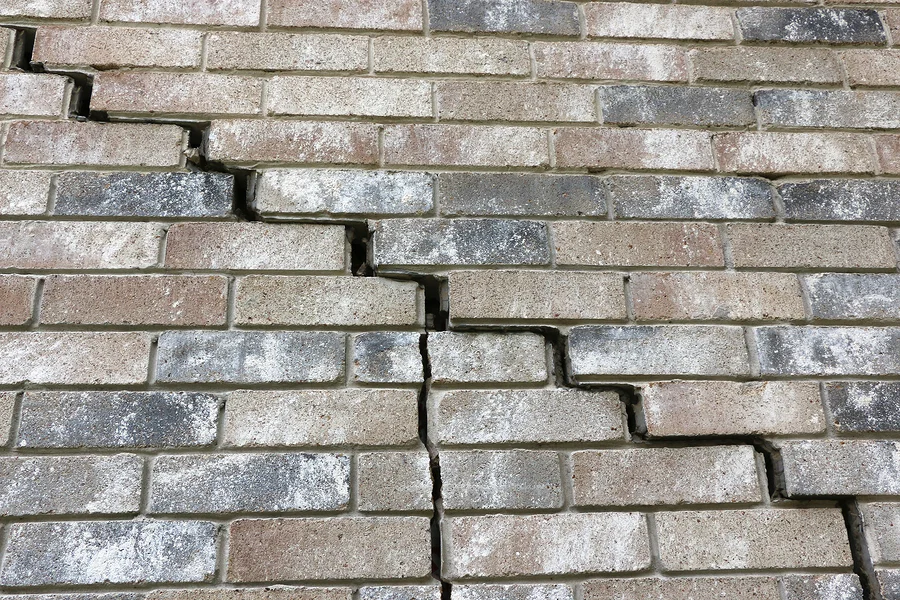
In the past, methods used to fix foundation settlement and sunken concrete were often crude and unreliable.
Materials such as wood, cement, steel, and concrete were poured, pushed, or forced into the ground in an attempt to stabilize failing foundations.
Unfortunately, many of these early solutions were performed by untrained contractors who claimed to be “experts” — and the results were frequently
ineffective and short-lived.
More traditional repair methods also required major disruption to homeowners and businesses alike. It was not uncommon to have to move furniture,
appliances, or even relocate families while work was being done. In commercial properties, operations often had to be suspended for days or weeks,
leading to costly downtime and lost revenue.
Today, however, the approach to foundation repair has advanced dramatically. With modern technology, advanced materials,
and trained structural specialists, we can now resolve complex settlement and structural issues with minimal disruption to your daily life or business operations.
Our foundation repair and structural reinforcement solutions — including underpinning, steel I-beam bracing, and carbon fiber wall stabilization —
offer permanent results designed to restore safety and stability without invasive demolition.
For more technical details about proper repair methods and industry standards, consult the
International Code Council (ICC) and the
American Concrete Institute (ACI) guidelines
on structural integrity and concrete performance.
Modern Foundation Repair vs. Outdated Methods
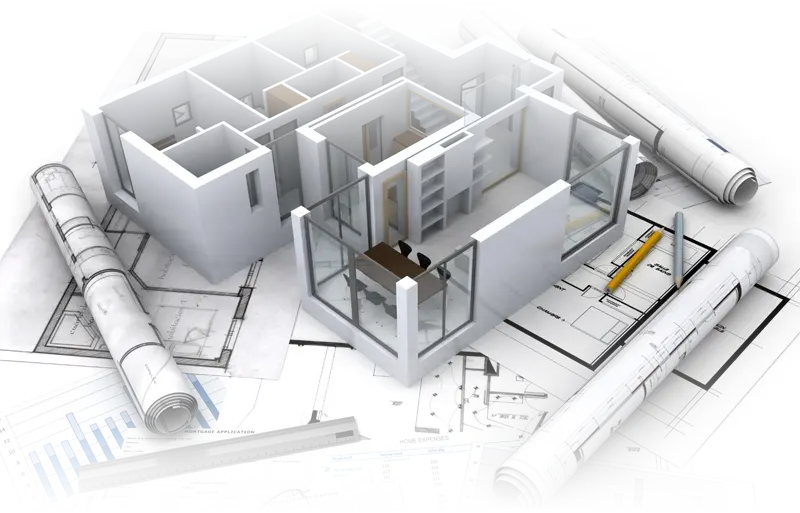
For larger problems — especially those found in residential and commercial buildings experiencing foundation shifting — piering is typically used to lift and stabilize the foundation.
Piering involves the use of strategically placed mechanical jacks to lift the settled beam back to grade. The beam must be raised carefully to avoid further or unnecessary damage. Once elevated, the beam is held in place by a specially designed spread footing and pier system.
The footing is set deep enough to remain independent of variations in soil moisture and is designed to distribute the load without creating unnecessary bulk or mass. The pier is tied into the footing with steel and supports the foundation beam for long-term stability.
The two most common structural reinforcement methods are slabjacking and hydraulic jacking (piering).
In a slabjacking operation, grout is pumped beneath a slab or beam to create lifting force that restores the structure to its original elevation.
In piering, steel posts are driven through unstable soil, and hydraulic jacks are used to raise or stabilize concrete slabs affected by shifting ground conditions. The best repair method depends on the type and severity of the damage.
Before selecting a repair approach, it’s essential to identify the root cause of the problem. Look for signs of movement in trim boards, mortar joints, and around windows or doors in low areas. Also pay attention to recent weather conditions — long dry periods or heavy rain can cause soil to expand, contract, and shift under the structure.
The most common solution for smaller areas of sunken concrete — like residential slabs, driveways, sidewalks, or pool decks — is slabjacking.
Slabjacking is performed by pumping a cement-based grout through small, strategically located holes in the slab. Once injected, the grout hardens into a dense support layer, which lifts and stabilizes the concrete.
When a soil-cement-lime mix is used, the lime in the slurry helps stabilize the sub-base soil. This not only brings the slab back to proper grade, but also strengthens the ground underneath to reduce future settlement.
A proper repair plan should address both the visible structural damage and the soil conditions that caused it. The goal is long-term stability — not just a cosmetic lift.
We use cookies to improve site performance, analyze traffic, and deliver relevant services. You can accept all cookies or manage your preferences at any time. Some features may not function properly without consent.
foundation settlement reinforcement news, foundation settlement reinforcement solution, floor settlement reinforcement, foundation settlement reinforcement, foundation settlement reinforcement lifting solutions, conventional spread footings, comprehensive floor settlement reinforcement, foundation reinforcement methods, groundworks companies, building foundation reinforced and lifted, wwweffectivewaterproofingcom, foundation structural reinforcement nj, basement wall reinforcement, structural foundation repair nj, foundation reinforcement, reinforcing foundation, structural reinforcement solutions, foundation settlement reinforcement and lifting, foundation wall reinforcement NJ, structure reinforcement, structural reinforcement nj, foundation wall reinforcement nj, foundation repair nj, structural repair