
Chatham NJ Basement Waterproofing: Your Complete Guide to Costs, Leak Repair, Foundation Stability, Mold Remediation, and Sump Pump Solutions
Keeping your basement in Chatham, NJ, dry and secure is crucial for maintaining your home’s value, protecting its structural integrity, and ensuring a healthy living environment. Many homeowners in our area grapple with persistent dampness, musty smells, foundation cracks, and the unwelcome appearance of mold, all of which compromise your comfort and safety. This comprehensive guide will walk you through the typical costs associated with basement waterproofing, effective methods for detecting and repairing leaks, strategies for stabilizing your foundation, processes for mold remediation, essential considerations for sump pump installation, options for drainage systems, and techniques for managing humidity. Throughout this guide, we’ll draw on the expertise of Effective Waterproofing, a trusted local provider offering complimentary consultations and robust warranties, to help you make well-informed decisions, manage your budget effectively, and achieve a consistently dry, problem-free basement.
What Are the Typical Basement Waterproofing Costs in Chatham NJ?
In mid-2025, you can expect basement waterproofing costs in Chatham, NJ, to generally fall between $1,712 and $1,787. These figures can fluctuate based on the specific methods employed, the materials used, and the overall scope of the project. Interior solutions, such as sealants and perimeter drainage systems, typically range from $1,200 to $2,000. For exterior excavation and the application of waterproof membranes, costs can exceed $3,000. More extensive systems that combine both interior and exterior approaches often start around $4,500. Factors like the size of the area, ease of access, local soil conditions, and labor availability will influence these estimates. Understanding these typical price ranges will equip you to compare contractor quotes effectively, select solutions that fit your budget, and ensure lasting protection against moisture.
Which Factors Influence Basement Waterproofing Prices in Chatham NJ?
Several key factors impact basement waterproofing prices in Chatham, NJ. These include the composition of your soil, the depth of the water table, how accessible your foundation is, and the type of system you choose. Soils rich in clay often require more robust drainage solutions, leading to higher labor and material expenses. Interior systems, featuring French drains and sump pumps, generally involve less excavation but necessitate high-quality piping and sealants. Exterior membrane installations, on the other hand, require heavy machinery, restoration of backfill, and potential landscaping repairs. Seasonal demand can also affect labor rates. Furthermore, the grade of materials—from basic concrete sealers to advanced polymer coatings—plays a significant role in pricing. By understanding these elements, you can make informed choices to secure cost-effective, customized waterproofing solutions.
How Does Basement Leak Repair Affect Overall Waterproofing Costs?
Addressing basement leaks is a critical step that often precedes or integrates with a full waterproofing project. Repairing cracks, gaps, and joint failures early can prevent more extensive damage and reduce overall costs. For instance, epoxy injections for foundation cracks typically range from $250 to $1,000, depending on the crack’s size and depth. Polyurethane foam injections can cost between $500 and $1,500 per leak. When leak repairs are performed concurrently with drainage system installations, it minimizes redundant labor and prevents soil erosion beneath your foundation. Sealing cracks promptly also extends the lifespan of waterproofing membranes and can reduce the need for extensive excavation. Integrating leak repair into your main waterproofing project can streamline scheduling and often leads to package discounts, ultimately lowering your total expenditure.
What Are the Average Costs for Foundation Repair and Mold Removal in Chatham NJ?
Foundation repair in Chatham, NJ, addresses structural issues like cracks, bowing walls, and settled footings. Solutions such as steel piers, used to underpin sinking foundations, can range from $2,000 to $10,000, depending on the depth and number required. Wall anchors, used to straighten bowing walls, typically cost between $3,500 and $7,000. Mold removal, a necessary step after water intrusion, involves inspection services starting around $300, with full remediation costs ranging from $1,000 to $3,500, depending on the extent of the affected area. Opting for a single contractor to handle both foundation repairs and mold remediation can lead to significant cost efficiencies and convenient scheduling, ensuring both the structural soundness and the healthy air quality of your basement.
Are There Financing or Warranty Options to Offset Waterproofing Expenses?
Many reputable providers, including Effective Waterproofing, offer financing options to make essential waterproofing projects more manageable. This can include 0% interest financing for periods of 6 to 12 months, allowing you to spread the cost of a $5,000 project into affordable monthly payments. Furthermore, comprehensive warranties on both workmanship and materials—often transferable to future homeowners—provide crucial protection against future failures. Limited lifetime guarantees on sealants and sump pump installations can add significant value and peace of mind. It’s always wise to verify the exact scope of your warranty, covering labor, parts, and drainage components, to ensure you have confidence in sustainable basement protection and predictable long-term costs.
How Can You Identify and Repair Basement Leaks in Chatham NJ Homes?
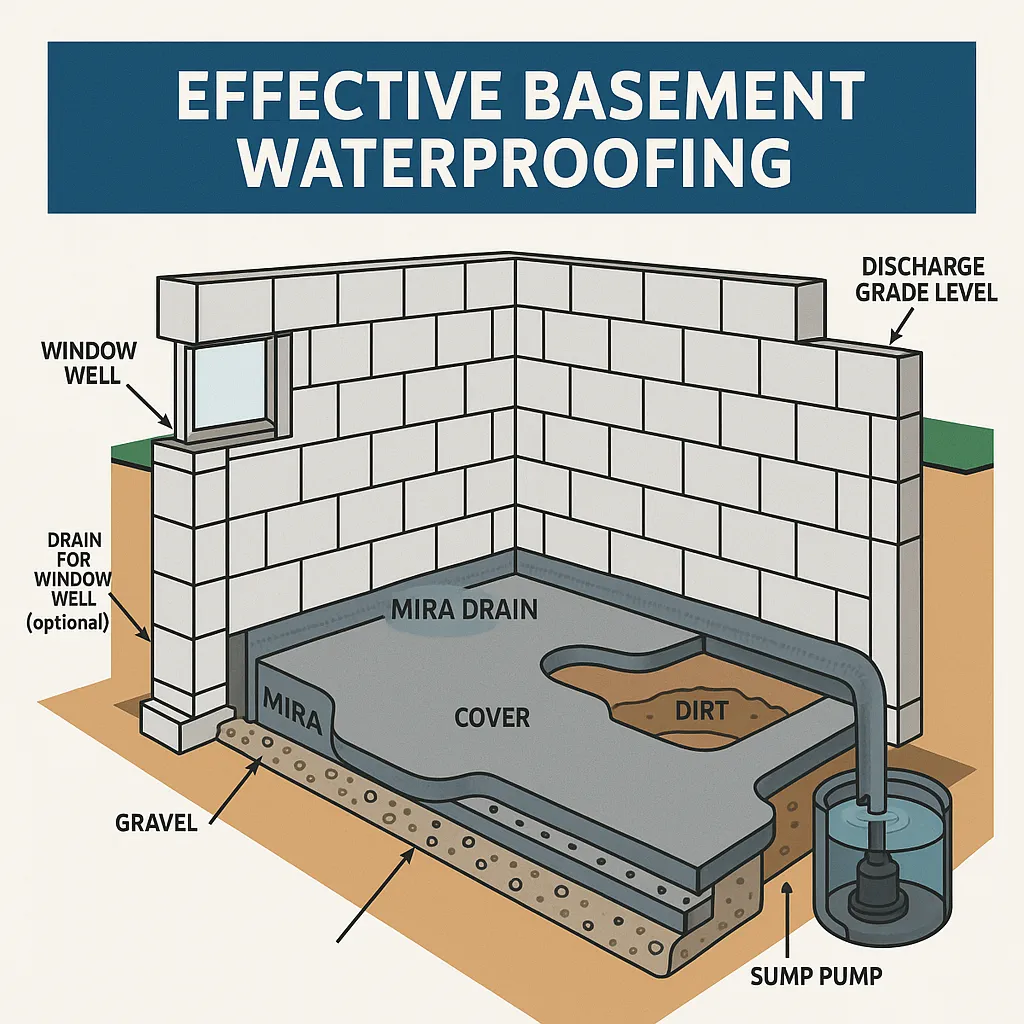
Identifying basement leaks in their early stages is key to preventing widespread damage and avoiding costly repairs down the line. Watch for common indicators such as persistently damp spots on walls or floors, the presence of efflorescence (a white, powdery residue) on masonry surfaces, musty odors, or warped floorboards. Pinpointing the exact source of water intrusion—whether it’s through wall or floor cracks, plumbing leaks, or compromised window wells—is essential for guiding targeted repairs. Professional methods like epoxy injections, polyurethane crack foams, and interior perimeter drains are highly effective at stopping water at its entry points. If you’ve attempted DIY sealing solutions without success, or if you notice cracks larger than 1/16-inch, it’s time to consult with waterproofing experts to ensure safe and durable solutions.
What Are the Common Signs of Basement Leaks and Water Intrusion?
- Walls or floors that remain damp even after drying attempts
- Visible puddles or rising moisture levels following heavy rain
- White, powdery efflorescence appearing on brick or concrete surfaces
- Distinct musty or moldy smells, indicating potential microbial growth
- Warped drywall or bulging floorboards suggesting moisture damage
Promptly recognizing these warning signs allows homeowners to initiate necessary repairs before structural issues or health hazards escalate.
How Do Wall and Floor Cracks Contribute to Basement Water Problems?
Even hairline cracks can act like conduits, allowing groundwater to be drawn into your basement through capillary action. Larger cracks, however, can permit pressurized water to flood living spaces by seeping under slabs or behind foundation walls. Separations at the joint where the floor meets the wall create direct pathways for rainwater to enter. Over time, seasonal freeze-thaw cycles can exacerbate these openings. Addressing the location and width of cracks with appropriate sealing materials is vital for maintaining a continuous moisture barrier and preventing the undermining of your foundation.
What Professional Methods Are Used for Effective Basement Leak Repair?
- Epoxy injection effectively seals structural cracks by filling the void completely.
- Polyurethane foam expands to create a flexible barrier, blocking water pathways.
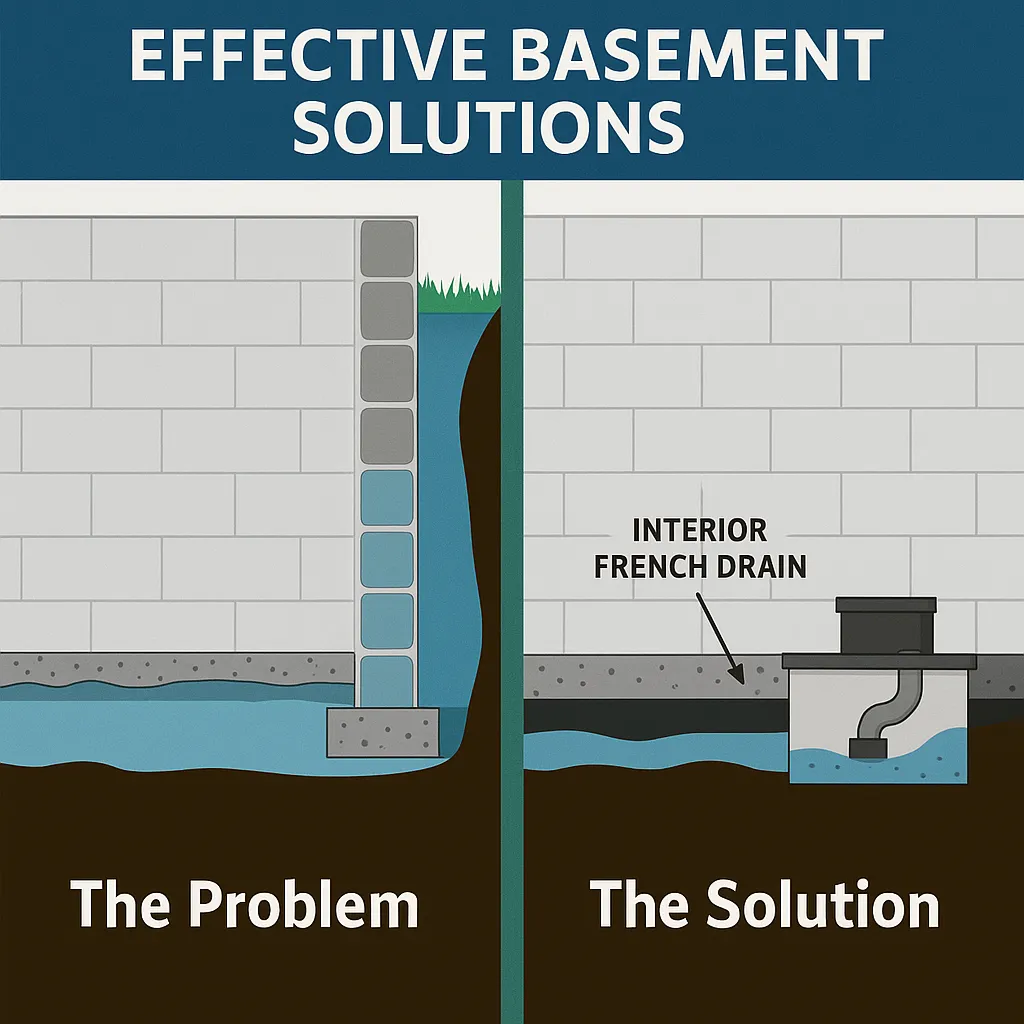
- Interior French drain systems channel water directly to a sump pit for removal.
- Cementitious sealers provide a protective coating for masonry surfaces.
- Exterior membrane application acts as a barrier, stopping water before it reaches the foundation.
Combining these techniques allows for customized solutions that address specific leak mechanisms and soil pressures, ensuring long-lasting dryness.
When Should Homeowners Seek Expert Leak Repair Services?
Homeowners should engage professional leak repair services when leaks persist despite DIY efforts, when cracks exceed 1/16-inch in width, if mold appears within 48 hours of water intrusion, or if water pressure is causing walls to bow inward. Expert assessment ensures the correct combination of sealants, drainage, and structural reinforcement is applied, preventing recurring moisture problems and preserving the overall integrity of your basement.
What Foundation Repair Solutions Are Available for Chatham NJ Basements?
Foundation repair in Chatham, NJ, is essential for restoring structural stability and addressing issues like cracks, bowing walls, and settled footings. Steel piers are commonly used to underpin sinking foundations, while wall anchors can effectively straighten bowed sections. Underpinning with helical piles transfers the building’s load to deeper, more stable soil strata. Integrating foundation repair with waterproofing measures is crucial for preventing further water intrusion and safeguarding your investment. Effective Waterproofing employs a comprehensive approach, utilizing proven repair techniques and advanced moisture controls to deliver robust, dry basements.
How Do Foundation Cracks Indicate Structural Issues in Basements?
The pattern and type of foundation cracks can reveal underlying structural problems such as differential settlement, hydrostatic pressure, or soil movement. Horizontal cracks often indicate bowing walls caused by lateral soil pressure. Stair-step cracks in block walls typically suggest settling under uneven loads. Vertical cracks along construction joints may point to shrinkage or minor settlement. Each crack pattern provides valuable clues that inform targeted repairs and the integration of waterproofing solutions.
What Are the Signs of Bowing Walls and Settling Foundations?
- Walls that are visibly leaning inward by 1/8-inch or more
- Noticeable gaps appearing between the wall and floor at the corners
- Doors or windows near the foundation becoming difficult to open or close
- Interior floors that gradually become uneven over time
- Diagonal cracks appearing above door frames or windows
Early recognition of these symptoms is critical to prevent catastrophic structural failures and avoid extensive, costly remediation efforts.
Which Repair Techniques Restore Basement Structural Integrity?
- Steel wall anchors provide external tension to effectively straighten bowing walls.
- Helical piles are screwed into load-bearing soils to provide stable underpinning.
- Carbon fiber straps reinforce brittle masonry structures from the interior.
- Grout is injected to fill voids beneath settled footings, restoring support.
Selecting the appropriate repair method, based on a thorough evaluation by a qualified engineer, guarantees stable and lasting structural restoration.
How Does Foundation Repair Integrate with Basement Waterproofing?
Combining foundation stabilization with drainage system installation and wall sealing creates a unified defense against both structural movement and moisture intrusion. Anchors and piers restore proper alignment, after which interior French drains and sump pumps work to evacuate water away from the repaired areas. Applying membrane coatings to walls and using cementitious sealers helps block residual seepage. This integrated workflow minimizes redundant excavation and provides comprehensive, turnkey protection against both foundation movement and water damage.
How Is Mold Removal Handled in Chatham NJ Basements After Water Damage?
Mold removal in Chatham, NJ, basements involves a systematic process of inspection, containment, removal, cleaning, and preventative treatment. Professional remediation teams meticulously identify mold species, assess the extent of its spread, and isolate affected zones. Negative-pressure containment systems and HEPA filtration are employed to protect unaffected areas of the home. Post-removal, antimicrobial coatings and moisture barriers are applied to disrupt future mold growth cycles. Integrating these services with your waterproofing solutions is key to preventing recurrence by eliminating future water sources and safeguarding your indoor air quality.
What Are the Health Risks Associated with Basement Mold?
Exposure to mold in basements can lead to a range of health issues, including respiratory irritation, allergic reactions, and the exacerbation of asthma symptoms. Certain mold species can release mycotoxins, which may cause headaches, skin rashes, and chronic fatigue. Infants, the elderly, and individuals with compromised immune systems are particularly vulnerable. Prompt and thorough mold elimination is essential for protecting the health of your household and preserving your home’s resale value.
How Quickly Can Mold Develop After Basement Water Intrusion?
Mold colonies can begin to form within just 24 to 48 hours following moisture exposure, especially in warm, humid basement environments. Early detection—often signaled by a distinct odor, discoloration, or visible spores—allows for targeted remediation before widespread contamination occurs, significantly reducing the labor and chemical treatments required.
What Are the Steps in Professional Mold Inspection and Removal?
- Assessment – Identify the specific mold species and pinpoint all moisture sources.
- Containment – Seal off the affected work areas using negative-pressure systems to prevent spore spread.
- Removal – Physically remove contaminated materials such as drywall, insulation, and fixtures.
- Cleaning – Thoroughly clean surfaces using HEPA vacuums and apply antimicrobial treatments.
- Restoration – Rebuild the affected areas using mold-resistant materials and protective coatings.
This structured, professional approach ensures effective mold elimination and prepares the basement for subsequent waterproofing measures.
How Can Mold Growth Be Prevented Through Basement Waterproofing?
Effective basement waterproofing solutions, including interior French drains, sump pump installations, and wall membranes, work by removing moisture before it can support mold growth. Vapor barriers installed on floors and walls inhibit the migration of ground moisture. Dehumidification systems are crucial for maintaining relative humidity levels below 60%. When implemented together, these measures effectively deprive mold of the damp conditions it needs to thrive, ensuring a healthy and dry basement environment.
Why Is Sump Pump Installation Essential for Basement Waterproofing in Chatham NJ?
Installing a sump pump is a vital component of basement waterproofing in Chatham, NJ, as it provides an active system for removing water from the basement sump pit. This prevents the dangerous buildup of hydrostatic pressure and potential flooding. By automatically ejecting groundwater collected by interior drainage systems, a sump pump effectively protects your foundation and belongings from moisture damage. Effective Waterproofing specializes in installing reliable submersible or pedestal pumps, often equipped with battery backups and alarm systems, to ensure continuous operation even during severe storms or power outages.
What Are the Signs You Need a Sump Pump in Your Chatham Home?
- Standing water consistently present in the sump pit after rainfall
- Visible water seepage along the base of basement walls
- Recurring damp spots on the floor or walls, even after applying sealants
- A history of basement flooding incidents, regardless of severity
- Local weather reports indicating a consistently high water table in your area
These indicators strongly suggest that a sump pump is essential for effective, ongoing water management in your home.
Which Types of Sump Pumps Are Best Suited for Chatham Basements?
- Submersible Sump Pumps are designed to sit directly within the sump pit, offering quieter operation and handling higher flow rates.
- Pedestal Sump Pumps are mounted above the pit, making them easier to access for maintenance, but they require a dry basement floor.
- Battery Backup Pumps provide crucial protection by ensuring the system continues to operate during power outages.
- Water-Powered Pumps utilize your home’s municipal water pressure to eject water when electricity is unavailable.
Selecting the right combination of pump types allows you to balance performance, reliability, and maintenance requirements for your specific needs.
What Is the Professional Sump Pump Installation Process?
- Excavate and prepare a level, stable area for the sump pit.
- Install an interior perimeter drain system to efficiently collect groundwater.
- Carefully lower the sump pump into the pit, ensuring proper float switch clearance.
- Connect the discharge piping, including a check valve, positioned above the potential flood level.
- Thoroughly test the pump’s activation and automatic cycling under simulated water level conditions.
This meticulous sequence ensures a safe, efficient installation that reliably activates precisely when water levels begin to rise.
How Does Regular Sump Pump Maintenance Extend Its Lifespan?
Consistent maintenance is key to ensuring your sump pump operates effectively for years to come. This includes regularly inspecting float switches, cleaning out the sump pit to prevent debris buildup, testing battery backups, and verifying that discharge lines are clear and unobstructed. Scheduling annual professional service checks can assess pump performance, ensure proper lubrication, and inspect electrical connections. This proactive upkeep guarantees a functional sump system for its typical lifespan of 5–10 years, providing reliable protection against unexpected flooding.
What Basement Drainage Systems Improve Waterproofing in Chatham NJ?
Effective basement drainage systems are fundamental to preventing water intrusion and safeguarding your home’s interior in Chatham, NJ. Systems like French drains, interior channel drains, and exterior perimeter drainage solutions are designed to intercept and redirect groundwater away from your foundation. By effectively lowering hydrostatic pressure, these systems minimize seepage, prevent leaks, and work seamlessly with sump pump installations. Choosing the optimal combination of interior and exterior drains, tailored to your specific soil conditions and basement layout, is essential for achieving comprehensive moisture control.
How Do French Drains Redirect Groundwater Away from Basements?
French drains are constructed using perforated pipes encased in gravel, typically installed along the exterior foundation footings. Gravity and capillary action work together to guide water into the pipe, which then directs it to a sump pit or a suitable daylight outlet. This system effectively intercepts migrating groundwater before it can exert pressure against the foundation walls, thereby preventing leaks and reducing structural stress.
What Are the Differences Between Interior and Exterior Drainage Systems?
Interior drainage systems are installed beneath the basement floor slab. They capture water that has already seeped through foundation walls or cracks and channel it to a sump pump. Exterior drainage systems, conversely, are installed around the foundation’s perimeter on the outside, intercepting water before it ever reaches the foundation walls. While interior systems require less excavation, they operate under higher moisture conditions. Exterior systems offer direct foundation protection but involve more extensive yard work and soil management.
How Does Proper Drainage Prevent Basement Flooding and Dampness?
By effectively reducing hydrostatic pressure around your foundation, drainage systems significantly inhibit water infiltration through existing cracks and joints. Redirecting collected water to a sump pump or a daylight outlet ensures that basement floors and walls remain dry. This consistent dryness minimizes the risk of mold growth and helps preserve the integrity of your structural materials. Reliable drainage performance is key to maintaining a healthy, usable lower level throughout the year.
How Can Homeowners Control Basement Humidity and Prevent Dampness in Chatham NJ?
Controlling humidity levels in your basement is crucial for preventing mold growth, eliminating musty odors, and slowing down the deterioration of building materials. High-efficiency dehumidifiers are highly effective at extracting excess moisture from the air, helping to maintain relative humidity below the recommended 60%. Proper ventilation, whether through passive vents, energy-recovery ventilators (ERVs), or mechanical fans, is also important for circulating fresh air and reducing condensation. For long-term moisture management, consider solutions like vapor barriers and crawl space encapsulation, which create sealed environments that effectively block ground moisture, ensuring your basement remains consistently dry, comfortable, and safe.
What Role Do Dehumidifiers Play in Basement Humidity Control?
Dehumidifiers work by drawing humid basement air over cold coils, causing the moisture to condense into water, which is then collected in a reservoir or directed to a drain line. Modern units often feature auto-drain capabilities, allowing them to maintain consistent humidity levels without requiring frequent emptying. By reducing the ambient moisture content, dehumidifiers significantly lower the risk of mold growth and improve overall indoor air quality. Strategic placement near areas prone to moisture buildup can maximize their effectiveness.
How Does Basement Ventilation Help Reduce Moisture Levels?
While passive vents allow for some natural air exchange, mechanical ventilation systems, utilizing fans or energy-recovery ventilators (ERVs), provide controlled and consistent airflow, regardless of external weather conditions. Ventilation effectively removes stale, humid air from the basement and introduces drier, fresh air. Properly sized ductwork and balanced airflow are essential to prevent negative pressure, which could inadvertently draw groundwater into the basement.
What Are Effective Long-Term Solutions for Basement Moisture Management?
- Crawl Space Encapsulation involves sealing the crawl space with robust vapor barriers on both floors and walls.
- Sheet Membrane Systems installed beneath concrete slabs act as a barrier against rising ground moisture.
- Insulated Wall Panels help prevent condensation by creating a thermal break on cold basement walls.
- Continuous Dehumidification systems, linked directly to drain lines, offer a maintenance-free solution for consistent humidity control.
Implementing a combination of these advanced methods provides a comprehensive approach to creating dry, healthy environments that protect finishes, furnishings, and the well-being of occupants.
Maintaining a dry, healthy basement in Chatham, NJ, requires a strategic, multi-faceted approach. This includes expert leak repair, robust structural stabilization, efficient drainage systems, reliable moisture barriers, and effective humidity controls. Effective Waterproofing’s complimentary consultations and deep local expertise enable us to guide you through tailored solutions designed to protect your property investment, enhance your usable living space, and provide lasting peace of mind. Contact us today to schedule a free consultation, assess your basement’s specific needs, and secure comprehensive, long-term protection against water intrusion.