
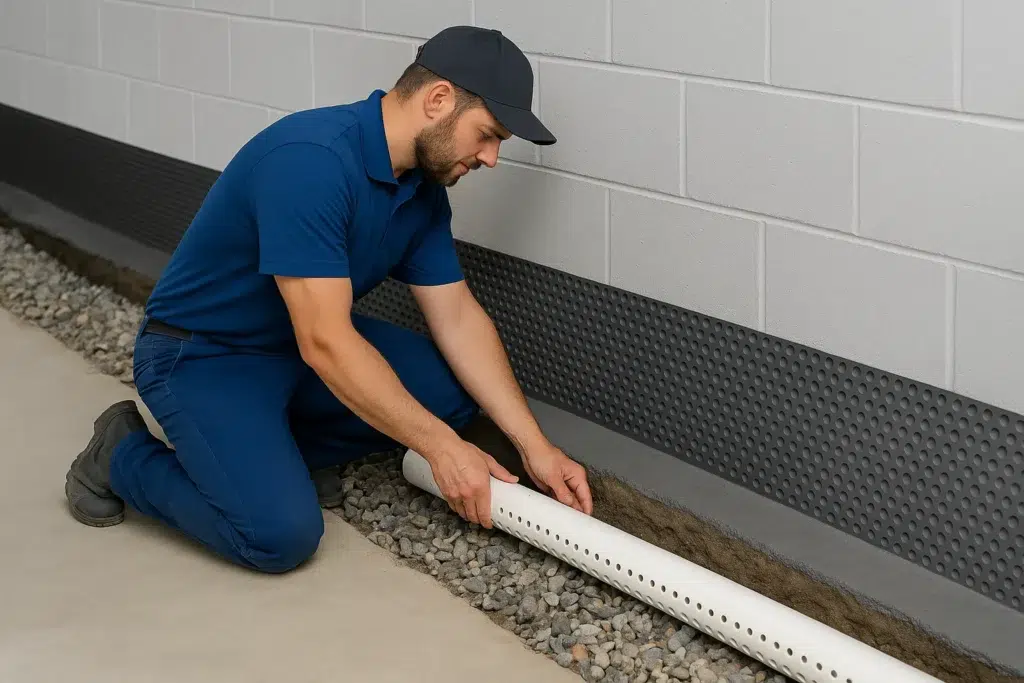
Cranford Basement Waterproofing: Prevent Water Damage
Basement waterproofing Cranford NJ services by Effective Basement Solutions protect homes from leaks, cracks, and water intrusion. Our interior French drain and sump pump systems are tailored for Cranford’s unique soil and high water table conditions.
When heavy spring rains meet Cranford’s elevated water table, basements without proper protection are vulnerable to significant damage, including leaks, mold, and structural compromise. This guide details why Cranford, NJ, basements require professional waterproofing, how to spot early signs of water intrusion, the most effective interior and exterior solutions, cost considerations, and the lasting benefits of a dry, healthy home. You’ll learn about local geological factors like the Rahway River’s impact, the function of French drains and sump pumps, and why combining foundation repair with moisture control yields superior results. We’ll also explain how Effective Waterproofing’s complimentary consultation and local knowledge ensure dependable protection, along with maintenance tips to safeguard your investment.Why Cranford, NJ Basements Demand Professional Waterproofing
Professional basement waterproofing employs specialized methods to seal foundation walls and manage moisture before it leads to leaks, mold, or structural issues. Cranford’s proximity to the Rahway River and naturally high groundwater levels subject basements to constant hydrostatic pressure, which accelerates crack formation and water infiltration. Investing in expert services guarantees enduring protection, improves indoor air quality by preventing mold growth, and preserves your property’s value. Effective Waterproofing utilizes local soil insights and cutting-edge materials to create watertight barriers that resolve recurring problems. Understanding and addressing these unique challenges from the outset saves homeowners time and prevents costly future repairs.
Grasping local conditions helps explain why water intrusion is such a persistent issue in Cranford basements. Seasonal downpours and spring thaws raise groundwater levels, forcing moisture through porous concrete and tiny fissures. Freeze-thaw cycles further widen existing cracks, creating pathways for both water and air. Without professional intervention, these pressure-driven leaks can result in musty odors, peeling paint, and even compromised electrical systems. Thoroughly addressing these root causes enhances foundation longevity and maintains a safe living environment.
What Local Factors Contribute to Basement Water Problems in Cranford?

Cranford’s clay-rich soils retain moisture after rain, generating sustained hydrostatic pressure against basement walls. This pressure forces water through microscopic pores in concrete and block, leading to slow seepage or sudden leaks. Seasonal variations in the Rahway River’s water level can elevate the local water table, intensifying pressure during heavy storms. Older homes with settling foundations often develop new cracks that serve as entry points for groundwater. Collectively, these factors necessitate a customized waterproofing strategy that considers soil composition, drainage patterns, and foundation condition.
How Do the Rahway River and High Water Table Impact Basements?
Changes in the Rahway River’s level raise the surrounding water table, increasing lateral pressure on foundation walls and floors. This hydrostatic force drives moisture into any available opening, causing damp walls, efflorescence, and eventual structural degradation. High groundwater can also submerge weep holes and compromise exterior drainage systems, rendering DIY fixes ineffective. Professional waterproofing counteracts this by installing sub-floor drainage and pressure-resistant coatings designed to divert water safely away from the foundation. Addressing the source of water inflow ensures a dry basement year-round and prevents recurring damage cycles.
What Are the Typical Water Entry Points in Cranford Basements?
Basement water issues frequently originate at predictable weak spots along foundation assemblies. Before examining these entry points, understand that addressing them comprehensively prevents hidden damage and restores structural integrity.
- Foundation Wall Cracks: Minor cracks that form over time can widen under hydrostatic pressure.
- Wall-Floor Joints: The seam where foundation walls meet the basement slab often lacks continuous waterproofing.
- Porous Concrete Block: Block foundations can absorb and transmit water through mortar joints and block cores.
- Window Wells and Egress Openings: Improperly sealed wells can allow surface water to collect and seep downward.
Each of these vulnerabilities requires targeted sealing or drainage solutions to stop moisture from entering. Effective Waterproofing integrates crack repairs with drainage channels that intercept water before it reaches living spaces.
Essential Signs of Basement Water Damage for Cranford Homeowners
Promptly identifying signs of water damage prevents minor issues from escalating into costly structural and health hazards. Visible stains, musty odors, and shifts in wall or floor alignment indicate moisture intrusion that requires immediate attention. Early detection of these indicators allows homeowners to preserve more usable space, protect stored items, and maintain a healthy indoor environment. By understanding the full spectrum of symptoms, you can work effectively with our technicians to implement the right waterproofing solution for lasting results.
How to Spot Visual Clues Like Water Stains and Efflorescence?
Water stains appear as discolored patches or streaks on walls and floors, often darker where moisture has pooled. Efflorescence presents as white, powdery mineral deposits left behind when water evaporates, signaling repeated wet-dry cycles. Peeling paint or bubbling plaster also indicates moisture trapped behind wall surfaces. Surface mold may look like dark spots or fuzzy growth in damp corners. Recognizing these visual cues early suggests that water is penetrating your foundation’s protective layers and warrants professional assessment.
What Odors Signal Basement Moisture or Mold?
Musty, damp smells often accompany hidden moisture pockets and mold colonies near foundation cracks or in low-lying areas. A sour or earthy scent intensifies after rain or during high humidity, reflecting active microbial growth on wood, drywall, or stored items. Persistent odors that return despite cleaning point to underlying moisture sources rather than simple spills. Detecting these olfactory warnings prompts a moisture assessment focused on both visible and concealed water intrusion points.
Which Structural Problems Indicate Serious Basement Water Damage?
Structural warning signs suggest that water damage has progressed beyond surface issues to threaten the foundation’s integrity. Before listing these problems, recognize that early identification of structural distress can prevent expensive foundation repairs.
- Bowing Walls: Walls that bulge inward or outward indicate significant lateral water pressure or soil movement.
- Horizontal Cracks: Wider cracks running parallel to the ground suggest compromised wall stability under hydrostatic load.
- Sinking or Uneven Floors: Differential settling of floor slabs often occurs with water-saturated soils beneath the foundation.
Each of these issues reflects advanced water intrusion that compromises safety and property value. Addressing structural concerns requires coordinated waterproofing and foundation stabilization measures.
Top Basement Waterproofing Solutions for Cranford, NJ Homes

Effective protection involves a combination of interior and exterior strategies, customized to your home’s design, soil conditions, and budget. Professional systems manage water at its source—whether behind walls, beneath slabs, or around crawl spaces—while foundation repairs restore structural strength. Employing a blend of these methods delivers the most reliable results and extends the usable life of your basement. Effective Waterproofing utilizes advanced materials and local expertise to implement solutions that minimize disruption and maximize long-term performance.
How Do Interior Systems Like French Drains and Sump Pumps Function?
Interior waterproofing systems capture groundwater before it enters living spaces by collecting it at the base of foundation walls and directing it to a discharge point. French drains consist of perforated pipes laid in gravel trenches near footing walls; water seeps into the drain and flows to a sump pit. Sump pumps then automatically move accumulated water away from the house to a safe exterior location above ground level. Interior sealants and vapor barriers supplement drainage by reducing moisture migration through concrete surfaces.
The following table compares key interior waterproofing systems, detailing their function and the benefits they provide homeowners.
| System | Mechanism | Benefit |
|---|---|---|
| French Drain | Channels water to a sump pit via perforated pipe | Prevents wall seepage and standing water |
| Sump Pump | Pumps collected water from pit to exterior discharge | Ensures automated water removal |
| Interior Sealant | Applies a waterproof coating to wall surfaces | Reduces moisture migration through concrete |
These interior methods work in concert to create a comprehensive barrier, setting the stage for exterior solutions that further protect the foundation.
When Is Exterior Waterproofing Essential for Cranford Homes?
Exterior waterproofing involves applying protective membranes, drainage boards, and proper soil grading around the foundation’s exterior perimeter to block moisture before it reaches the walls. This approach is crucial when groundwater consistently rises above footing levels or when surface water pools near the foundation. Excavation exposes foundation walls, allowing for the installation of liquid-applied membranes or rigid panels that direct water down to a drainage pipe. Homes experiencing persistent seepage despite interior systems benefit most from this direct, high-pressure defense against hydrostatic intrusion.
How Does Foundation Repair Enhance Waterproofing Efforts?
Foundation repair addresses structural cracks, bowing walls, and settling issues that worsen water infiltration. Techniques such as hydraulic cement injections permanently seal cracks, while wall anchors or steel I-beam supports stabilize bowing walls. Combining these repairs with waterproofing ensures that moisture control measures adhere correctly and function effectively. Restored structural integrity prevents new cracks from forming under pressure and extends the lifespan of drainage systems, delivering a balanced, long-term solution.
What Is Crawl Space Encapsulation and Why Is It Important?
Crawl space encapsulation involves sealing the entire crawl area with robust vapor barriers and installing dehumidifiers to maintain stable moisture levels. This method prevents damp air from rising into living spaces, reduces wood rot and mold growth, and improves overall indoor air quality. Encapsulation also protects plumbing and electrical systems located beneath the floor. By controlling humidity at its source, homeowners experience lower energy bills and a healthier home environment.
Understanding the Cost of Basement Waterproofing in Cranford, NJ
Establishing the appropriate budget for basement waterproofing depends on the house design, soil conditions, system type, and the severity of damage. Costs vary significantly because some homes require extensive excavation and structural stabilization, while others benefit from simpler interior drainage upgrades. Professional estimates account for labor, materials, and equipment, ensuring complete coverage without hidden charges. Understanding the factors influencing cost helps homeowners compare options and select a solution that balances performance with affordability.
What Factors Influence the Price of Waterproofing Services?
Several key elements determine the overall cost of basement waterproofing:
- Soil Composition and Water Table Depth: Dense soils and high groundwater necessitate more robust systems.
- Foundation Type and Age: Older homes or those with block walls often require additional crack repairs.
- Extent of Damage and Structural Repairs: Bowed walls, sinking slabs, or extensive cracking increase labor and material requirements.
- System Selection: Interior drainage, exterior membranes, crawl space encapsulation, and sump pump quality all affect costs.
Considering each factor ensures accurate quotes and customized solutions that prevent future surprises.
How to Compare Costs for Interior vs. Exterior Waterproofing?
Comparing the costs of interior and exterior waterproofing involves evaluating the initial investment, impact on the yard, and long-term protection. Interior systems typically have lower upfront costs and avoid excavation but may not fully address high-pressure water intrusion. Exterior methods require higher budgets and temporary disruption to landscaping but provide direct barrier protection against groundwater. A combined approach offers maximum security but represents the highest investment. Reviewing the cost-benefit trade-offs guides homeowners toward the option that best suits their property’s specific needs.
The table below summarizes these comparisons:
| Method | Average Cost Range | Key Advantage | Ideal Conditions |
|---|---|---|---|
| Interior Waterproofing | $3,500 – $7,000 | Lower excavation costs and minimal yard impact | When soil grading is adequate |
| Exterior Waterproofing | $8,000 – $15,000 | Direct barrier against external water pressure | Persistent hydrostatic pressure issues |
| Combined Approach | $12,000 – $20,000 | Maximum protection and long-term durability | Severe drainage and seepage problems |
Evaluating these figures in light of local groundwater challenges supports informed decisions and ensures long-term basement protection.
Are Financing or Warranty Options Available?
Many professional waterproofing providers offer flexible financing plans to spread installation costs over time, making comprehensive solutions more accessible. Additionally, workmanship and component warranties guarantee performance for a specified period—often ranging from 10 years to lifetime coverage on select systems. These assurances build homeowner confidence and protect against future maintenance expenses. Effective Waterproofing’s warranty program combines material and labor protection, ensuring peace of mind and predictable budgeting.
Benefits of Choosing Professional Basement Waterproofing in Cranford, NJ
Investing in professional waterproofing provides numerous advantages: it enhances indoor air quality, preserves structural integrity, expands usable living space, and increases property resale value. Expert installations utilize proven materials and techniques that outperform temporary or DIY fixes. Homeowners enjoy healthier living environments, reduced energy costs, and a lower risk of mold-related health issues. By addressing root causes with comprehensive strategies, professionals protect homes from seasonal threats and deliver lasting value.
How Does Waterproofing Improve Indoor Air Quality and Health?
Dry basement environments prevent the growth of mold and mildew, reducing airborne spores that can trigger allergies and respiratory problems. Waterproofing systems control humidity levels, eliminating damp conditions that foster bacterial growth. Improved air quality supports overall well-being and lowers the risk of asthma or sinus issues for sensitive individuals. Professional installations ensure proper airflow and effective moisture barriers, creating a healthier foundation for the entire living space.
How Does Waterproofing Increase Property Value and Usable Space?
A waterproofed basement can transform previously unusable areas into functional spaces like home offices, gyms, or entertainment rooms. Potential buyers place a higher value on homes with guaranteed dry basements, often leading to increased resale prices and quicker sales. Documented waterproofing records and transferable warranties serve as selling points that differentiate properties in competitive markets. By converting unused square footage into safe, dry rooms, homeowners realize immediate lifestyle benefits and long-term investment gains.
How Does Waterproofing Protect Structural Integrity and Lower Energy Costs?
Effective moisture control prevents wood rot, corrosion of metal supports, and degradation of concrete, all of which compromise foundation strength over time. By stabilizing humidity levels, waterproofed basements reduce the workload on HVAC systems, improving overall energy efficiency by up to 15 percent. Lower humidity also decreases the need for dehumidifiers, cutting electricity usage and maintenance expenses. Comprehensive systems safeguard against structural damage while delivering measurable utility savings.
Why Partner with Effective Waterproofing for Cranford, NJ Basement Services?
Effective Waterproofing brings extensive local knowledge and proven results to Cranford homeowners seeking dependable basement protection. By focusing exclusively on moisture control and foundation health, our team develops customized plans that address site-specific challenges like soil composition, drainage patterns, and building codes. Our problem-solution approach ensures transparent communication, high-quality workmanship, and the free consultation you need to make informed decisions. Combining these strengths results in a safer, drier basement and a more comfortable home environment.
What Local Expertise Does Effective Waterproofing Offer Cranford Homes?
With significant experience in Union County conditions, our technicians understand Cranford’s soil types, seasonal water table fluctuations, and municipal code requirements. This knowledge guides the selection of appropriate drainage systems, membrane types, and foundation repair methods. By aligning solutions with local geological realities, Effective Waterproofing minimizes trial-and-error and achieves faster, more durable outcomes. Homeowners benefit from proven strategies that have protected numerous nearby basements under similar circumstances.
How Do Free Consultations and Warranties Build Customer Trust?
Offering a no-obligation consultation empowers homeowners to receive a clear assessment of basement vulnerabilities without any upfront costs. This transparent process uncovers hidden issues and presents tailored solutions based on actual data rather than generic packages. Our comprehensive warranty coverage on both labor and materials extends trust beyond the installation phase, assuring clients that performance is guaranteed. These service elements foster long-term relationships and underscore our dedication to quality and accountability.
What Do Cranford Customers Say About Our Waterproofing Services?
Customer feedback consistently praises our meticulous attention to detail, prompt communication, and minimal disruption during installation. Homeowners report feeling confident and secure after completion, noting improved air quality, the absence of musty odors, and restored foundation stability. Repeat referrals and positive reviews reflect satisfaction with both the craftsmanship and the professionalism of our service teams. Such social proof validates Effective Waterproofing’s reputation as a trusted local partner for basement moisture management.
How Cranford Homeowners Can Maintain Their Waterproofed Basements
Ongoing maintenance preserves waterproofing system performance and prevents minor issues from becoming major repairs. Regular inspections, sump pump testing, and monitoring of wall and floor conditions help detect emerging problems early. Seasonal service checks ensure that drainage channels remain clear and that seals maintain their effectiveness. Implementing simple care routines extends the system’s lifespan and sustains a healthy, dry basement environment for years to come.
What Regular Maintenance Prevents Basement Water Issues?
Inspect foundation walls and floors quarterly to identify new cracks or efflorescence, addressing them promptly before moisture penetrates.
Test sump pumps monthly by pouring water into the pit to confirm reliable activation and discharge.
Keep interior and exterior drains clear of debris by removing leaves and sediment from catch basins and downspout extensions.
Maintaining gutter systems and ensuring proper soil grading around the foundation prevents surface water pooling that can overwhelm waterproofing measures.
When Should You Schedule Professional Waterproofing Inspections?
Homeowners should arrange professional inspections at least once every two years or following significant weather events that stress drainage systems. Inspections before the spring thaw or after heavy storms ensure that seals, membranes, and sump pumps remain fully operational. Early-season evaluations identify any wear or damage to coatings and verify that drainage paths are unobstructed. Proactive professional check-ups enhance system reliability and catch potential failures before they affect your home.
What Common Waterproofing Mistakes Should Be Avoided?
Avoid relying solely on waterproof paint, which fails to address hydrostatic pressure and only provides a temporary surface coating. Ignoring foundation cracks or delaying repairs allows minor fissures to expand, leading to major leaks and structural damage. Neglecting sump pump maintenance risks unexpected failures during critical rainfall periods when water levels are highest. Failing to integrate both interior and exterior solutions can leave vulnerabilities that compromise overall moisture control. Addressing each component comprehensively ensures a fully sealed basement and lasting protection.
Protecting your Cranford home from basement water damage begins with expert guidance and tailored solutions. Contact Effective Waterproofing today for a complimentary consultation and discover how our local expertise, advanced systems, and dependable warranties deliver the dry, healthy environment your family deserves.
Learn more about our French Drain Installation NJ services or read about Hydrostatic Pressure .