
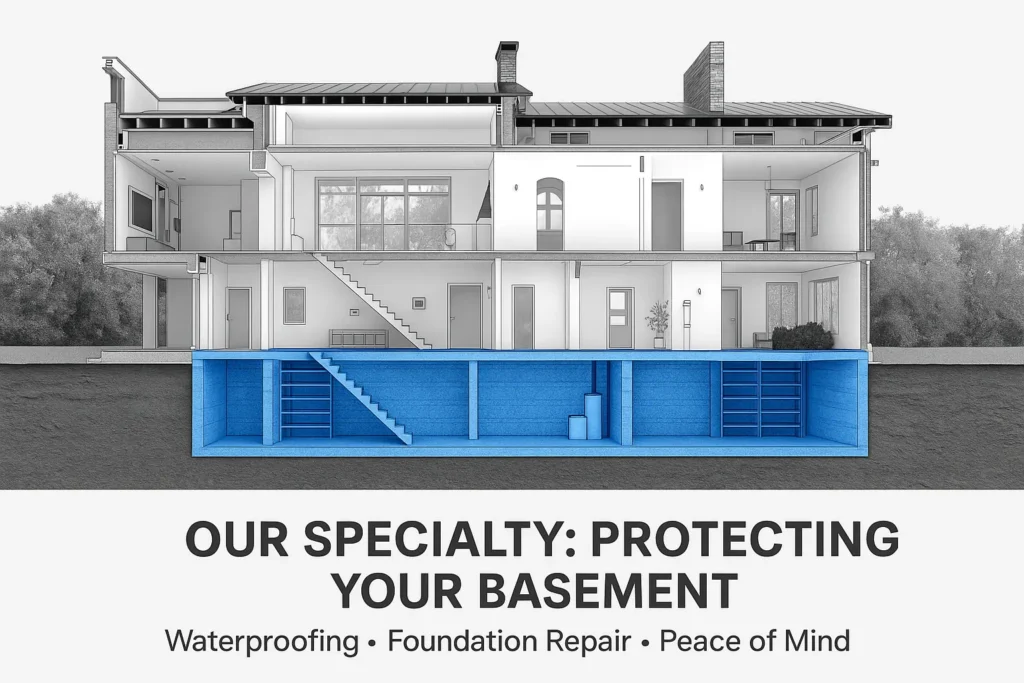
Home Maintenance Tips for Preventing Water Damage: Essential Basement Waterproofing and Mold Prevention Strategies
If you’re concerned about basement waterproofing NJ, here are essential home improvement and maintenance tips that can help stop water damage before it becomes a major problem.Basement water damage affects many homes in New Jersey and can lead to costly repairs, mold growth, and structural issues if left unchecked. This guide offers practical home maintenance tips to prevent water ingress, combining proven waterproofing techniques, early leak detection, mold control strategies, and foundation repair advice. By following these methods, homeowners can enhance property value, maintain healthy indoor air quality, and secure long-term structural integrity.
In this article, you will discover:
- Proven basement waterproofing solutions to stop leaks at their source
- Key signs of water damage and preventive leak-stopping maintenance
- Effective mold prevention tactics for damp areas
- Foundation crack repair and reinforcement methods
- General home upkeep practices to divert water away from your home
- When to enlist professional services for lasting protection
- Emergency preparedness steps to safeguard against flooding
These home maintenance tips integrate insights from Effective Basement Solutions’ two decades of experience, offering reliable strategies and free consultation options to New Jersey homeowners who want peace of mind and durable waterproofing results.
Proven Basement Waterproofing Tips to Prevent Water Damage
Basement waterproofing involves creating barriers and drainage pathways that actively divert groundwater, reduce hydrostatic pressure, and maintain a dry basement environment for lasting structural protection. Interior and exterior systems work together to block water at entry points and carry moisture safely away from foundations, preventing leaks, mold growth, and efflorescence. Implementing a combination of drainage channels, pump systems, sealants, and encapsulation enhances resilience against seasonal rain and high water tables, ensuring a safe, dry living space year-round.
Before exploring individual techniques, consider this comparison of top waterproofing methods and their benefits:
| Method | Feature | Benefit |
|---|---|---|
| French Drain | Perimeter trench with pipe | Diverts groundwater away |
| Sump Pump | Automatic water removal device | Prevents flood buildup |
| Waterproof Membrane | Wall and floor barrier coating | Blocks moisture ingress |
| Sealant Injection | Epoxy or polyurethane filling | Seals foundation cracks |
| Crawl Space Encapsulation | Vapor barrier and insulation | Controls sub-floor humidity |
How Do French Drains and Interior Drainage Systems Protect Your Basement?
A French drain mitigates hydrostatic pressure by channeling water through a perforated pipe surrounded by gravel, diverting moisture away from foundation walls. This drainage system reduces lateral water movement, prevents wall seepage, and enhances overall sub-surface water management. Installing an interior drainage channel along the basement perimeter collects seepage before it reaches living areas and channels it toward a sump basin for removal.
- Excavate trench adjacent to foundation interior
- Lay gravel base and perforated drain pipe
- Cover pipe with filter fabric and backfill with gravel
- Connect outlet to sump pump or external discharge
Designing French drains with the correct slope and pipe diameter ensures efficient water flow and long-term reliability. Regular inspections for sediment buildup and slab movement maintain drainage capacity and reinforce foundation dryness. Maintaining a sump pump complements drainage systems by actively removing collected water, ensuring a consistently dry basement.
Why Is Sump Pump Installation Critical for Basement Leak Prevention?
A sump pump removes excess groundwater collected in a dedicated basin, preventing hydrostatic pressure from building up against foundation walls and floors. When water levels in the pit rise, the pump activates automatically, directing moisture through a discharge line away from the home’s base. High-capacity models with battery backup systems ensure continuous operation during power outages and heavy storms, reducing the risk of basement flooding.
- Immediate removal of water at the source
- Protection against sudden downpours and snowmelt
- Integration with interior drainage channels for seamless moisture control
- Battery backup to maintain operation during grid failures
Annual testing of float switches, cleaning of the pit, and verification of discharge lines preserve optimal pump performance. Coordinating sump pump maintenance with other waterproofing measures secures a multi-layered defense against basement water damage.
How Can Sealants and Waterproof Membranes Enhance Basement Protection?
Waterproof coatings and membranes form impermeable barriers that adhere to masonry surfaces, preventing liquid water from penetrating concrete or block walls. Epoxy-based crack injection fills hairline fissures within foundation walls, restoring structural integrity and blocking water ingress at its source. Liquid membrane sprays create a continuous protective layer over interior walls and floors, reducing vapor transmission and resisting hydrostatic pressure.
Applying these sealants follows a clear process:
- Clean and prepare surfaces by removing loose debris and efflorescence
- Inject or brush epoxy into cracks and voids
- Apply a primer coat of waterproof membrane to entire wall surface
- Finish with a topcoat specified for high-moisture environments
Seamless membranes combined with targeted crack injections provide robust defense, while scheduled re-application every five to seven years ensures long-term moisture resistance and foundation longevity. Proper surface preparation and professional installation by experienced contractors maintain coating adhesion and performance.
What Role Does Crawl Space Encapsulation Play in Moisture Control?
Crawl space encapsulation involves installing a vapor barrier over floor and wall surfaces, sealing vents, and insulating rim joists to prevent ground moisture from rising into living areas. By combining a high-density polyethylene barrier with drainage mats and dehumidifiers, encapsulation controls humidity levels, inhibits mold growth, and protects floor joists and sub-floor materials from rot.
- Vapor barrier film secured to block walls and floor
- Sealed HVAC vents and foundation vents
- Insulated rim joist foam panels
- Dedicated dehumidifier to maintain 45–55 percent relative humidity
Encapsulation reduces energy loss by insulating the sub-floor environment and improves indoor air quality by blocking mold spores from entering the home. Scheduling a professional assessment ensures proper barrier installation, material selection, and maintenance planning for years of consistent moisture control.
How Can Homeowners Identify and Prevent Basement Leaks and Water Ingress?
Basement leaks occur when water pressure overcomes soil grading or foundation integrity, leading to seepage, puddles, or damp spots that compromise structural safety and air quality. Recognizing early warning signs enables homeowners to apply preventive measures before damage escalates and repair costs soar. Establishing a routine inspection schedule for cracks, drainage performance, and moisture indicators empowers proactive maintenance and swift remedial action.
What Are the Common Signs of Basement Water Damage and Mold Growth?
Detecting water damage early prevents mold remediation expenses and structural weakening. Look for these warning signals:
- Wet or stained carpets and flooring near walls
- Efflorescence, a white powdery salt deposit on masonry
- Peeling paint or bubbling plaster on walls
- Musty odors and visible mold colonies
- Wood rot on joists, support beams, and flooring
- Increased insect or rodent presence drawn by dampness
Identifying these symptoms prompts targeted leak repair and humidity control, restoring a safe, dry basement environment. Addressing humidity and leaks early also reduces the likelihood of costly foundation repairs.
How Do Foundation Cracks and Poor Drainage Cause Water Ingress?
For full service options in New Jersey, view our Basement Waterproofing Services. Foundation cracks allow groundwater to seep into basements through capillary action and gravity-driven flow, while inadequate exterior grading and clogged gutters direct runoff toward foundation walls instead of away. Soil expansion during wet seasons exerts pressure on masonry, enlarging fissures and weakening seals. Ensuring a minimum slope of 1:100 from the foundation, clearing debris from downspouts, and sealing cracks with injection resin stops water at its entry points.
Consistent grading reviews and crack monitoring reveal emerging vulnerabilities, guiding timely repairs and landscape adjustments that protect basement integrity and internal dryness. Maintaining drainage systems complements sealing efforts by directing surface water away from the foundation base.
According to the US EPA’s guide on moisture control, early action is key to preventing mold following water intrusion. Prevention and Repair of Cracks to Mitigate Water Damage in Buildings Although cracks in concrete cannot be entirely prevented, their occurrence can be mitigated through the use of appropriate materials and construction techniques, alongside careful consideration of design criteria. Water ingress through cracks in buildings can lead to severe structural damage. Various factors contribute to crack formation, including moisture, thermal expansion and contraction, elastic deformation, chemical reactions, foundation settlement, vegetation, and seismic activity. While the aspiration for a structurally sound and aesthetically pleasing dwelling is universal, achieving this is challenging. Consequently, the timely identification of such cracks and the implementation of preventive measures are paramount. Methodology for prevention and repair of cracks in building, 2018
How Can Regular Maintenance Detect and Stop Basement Dampness Early?
Routine inspections identify evolving issues before they become full-blown leaks. Key maintenance activities include:
- Monthly sump pump testing and basin cleaning
- Quarterly gutter and downspout clearing
- Biannual foundation crack inspections and sealant touch-ups
- Seasonal dehumidifier filter replacement and humidity level checks
These scheduled tasks maintain prime performance of waterproofing systems and prevent moisture accumulation. Integrating a simple home maintenance checklist ensures consistent attention to each waterproofing component, cutting repair costs and extending foundation lifespan.
What Are the Best Mold Prevention Tips for Basements and Damp Areas?
Controlling mold in basements requires reducing moisture sources, optimizing air circulation, and maintaining humidity below mold-friendly levels. Effective prevention combines environmental control devices, material upgrades, and targeted remediation to inhibit fungal growth and safeguard indoor air quality.
How Does Controlling Humidity with Dehumidifiers Reduce Mold Risk?
A dedicated dehumidifier reduces relative humidity to the 45–55 percent range, depriving mold spores of the moisture they need to germinate and spread. By drawing damp air over refrigeration coils, the unit condenses water into a collection tank and circulates dry air back into the space. High-capacity models with continuous drain hoses and programmable humidity settings deliver consistent moisture control and reduce maintenance intervals.
Why Is Proper Ventilation and Insulation Important for Mold Control?
Adequate ventilation circulates fresh air through crawl spaces, basements, and damp rooms, preventing stagnant vapor pockets where mold thrives. Insulating foundation walls and rim joists stops cold surfaces from condensing humid indoor air, eliminating condensation-driven moisture. Installing exhaust fans in utility rooms and sealing ductwork prevents humid air from entering conditioned spaces.
These measures work together to maintain balanced indoor environments, inhibiting mold proliferation and supporting overall home comfort.
When Should Professional Mold Remediation Be Considered?
Persistent mold despite humidity control, widespread colony growth, or mold in HVAC ducts requires expert remediation to protect occupant health and structural integrity. Certified mold specialists assess contamination levels, use specialized biocides, HEPA-filtered vacuums, and containment barriers to remove mold safely. Completing a moisture source analysis and implementing barrier solutions prevents recurrence and restores healthy indoor air quality.
How Can Foundation Water Ingress Be Prevented and Repaired Effectively?
Foundation water ingress prevention hinges on addressing soil grading, drainage, and crack sealing before moisture infiltrates structural elements. When water has already breached walls or floors, targeted repair techniques restore integrity and block further leaks. Combining exterior site adjustments with interior sealing delivers comprehensive protection against foundation deterioration.
What Are the Most Common Causes of Foundation Cracks Leading to Water Damage?
Cracks form from uneven soil settlement, freeze-thaw cycles, and hydrostatic pressure pushing against foundation walls. As soil moisture fluctuates, expansive clays swell and contract, shifting load-bearing surfaces and opening fissures. Poor compaction during construction and lack of control joints exacerbate stress points, allowing water to exploit these vulnerabilities.
Understanding these root causes informs selection of repair methods that address both symptoms and underlying soil conditions, preventing crack recurrence and future water ingress.
How Do Structural Reinforcement and Crack Injection Repair Water Ingress?
Crack injection uses epoxy or polyurethane to fill voids and bond concrete surfaces, sealing pathways for water. Structural reinforcement with carbon fiber straps or wall anchors stabilizes walls subject to lateral soil pressure, restoring load-bearing capacity. These techniques produce a watertight barrier and reinforce foundation sections prone to movement.
Key steps in repair procedures include:
- Cleaning and preparing crack surfaces
- Selecting injection resin based on crack width and water flow
- Installing injection ports and sealing the surface
- Injecting resin under controlled pressure until voids are filled
- Applying external anchoring systems where walls bow or tilt
These engineered solutions prevent future leaks and strengthen foundation walls against soil-driven forces for long-term durability.
When Is It Necessary to Call a Foundation Repair Specialist?
Complex structural damage, wide wall cracks, bowing foundation faces, or repeated leak incidents indicate the need for professional assessment. Foundation repair specialists conduct soil analysis, structural evaluations, and design customized reinforcement plans. Enlisting experts ensures safe, code-compliant repairs and includes warranty coverage for services, delivering lasting stability and peace of mind.
What General Home Maintenance Practices Help Prevent Water Damage?
Home maintenance tips for water damage extend beyond basements to roofs, gutters, plumbing fixtures, and appliances. A holistic approach to exterior and interior upkeep ensures water is directed away from structural elements and leaks are identified before they escalate.
Before diving into each maintenance area, consider this schedule of tasks and frequencies:
| Task | Area | Recommended Frequency |
|---|---|---|
| Gutter Clearing | Roofline | Biannual |
| Downspout Inspection | Exterior walls | Annual |
| Roof Shingle Repair | Roof surface | Annual |
| Pipe Joint Tightening | Plumbing system | Quarterly |
| Appliance Hose Replacement | Washing machine | Every 5 years |
How Does Roof and Gutter Maintenance Protect Against Water Damage?
Clean gutters and downspouts remove debris that can cause overflow, directing rainwater safely away from your foundation. Inspecting roof shingles for cracks, missing tabs, or worn flashing prevents leaks at weak points. Repairing damaged shingles and resealing flashing around vents and chimneys stops water penetration before it reaches attic spaces and eaves.
Maintaining a clear roof drainage system supports proper grading and keeps water from pooling near foundation walls, reducing hydrostatic pressure and entry risk.
What Plumbing Checks and Leak Detection Should Homeowners Perform?
Regularly inspect exposed pipes, supply lines, and fixture connections for corrosion, loose fittings, and drips. Testing shut-off valves and monitoring water meter readings overnight can reveal hidden leaks. Installing simple water-sensor alarms under sinks and near water heaters alerts homeowners to moisture accumulation early.
Promptly repairing leaking joints and replacing worn hoses prevents water damage within walls and under flooring, preserving structural elements and avoiding mold proliferation.
How Can Appliance Maintenance Prevent Water-Related Home Damage?
Appliances such as washing machines, dishwashers, and water heaters contain hoses and valves prone to wear. Replacing rubber hoses with reinforced stainless steel braided lines reduces burst risk. Flushing water heaters annually removes sediment that can compromise tanks and cause leaks. Positioning drip pans under water-dependent appliances captures minor leaks and channels them to a floor drain.
These appliance maintenance practices complement broader home care routines, cutting the probability of sudden water damage events and reducing insurance claims.
When Should Homeowners Call Professionals for Water Damage Prevention and Repairs?
Homeowners benefit from professional waterproofing and repair services when DIY measures cannot guarantee lasting protection or when complex systems require expert design and installation. Proactive engagement with specialists secures customized solutions, expert warranties, and ongoing support.
What Are the Benefits of Professional Basement Waterproofing Services?
Expert waterproofing contractors provide:
- Comprehensive site assessments and soil analysis
- Custom-engineered drainage and barrier systems
- High-performance materials and industry-grade sealants
- Warranty coverage on labor and products
- Battery backup sump pump installation and maintenance
These professional services deliver tailored protection that addresses site-specific challenges and ensures optimal performance under New Jersey’s variable weather conditions.
How Do Experts Handle Mold Remediation and Air Quality Solutions?
Certified mold remediation professionals conduct thorough inspections, containment planning, and safe spore removal using HEPA filtration and antimicrobial treatments. Integrating air scrubbers, UV-C air purification, and controlled ventilation restores healthy indoor environments. Post-remediation moisture control strategies prevent recurrence and verify air quality improvements.
Partnering with mold specialists offers peace of mind through validated clearance tests and documented results that protect occupants and property value.
What Should Homeowners Expect During a Free Water Damage Consultation?
During a complimentary consultation, technicians evaluate basement conditions, identify water sources, and recommend targeted solutions. Expect visual inspections of foundation walls, drainage reviews, and humidity measurements. Consultants will outline service options, estimated timelines, and transparent pricing, allowing homeowners to make informed decisions without obligation.
This no-cost assessment provides clarity on potential waterproofing strategies, budget considerations, and project planning, motivating homeowners to act before damages worsen.
What Emergency Preparedness Steps Can Protect Your Home from Flooding?
Emergency preparedness combines physical flood defenses, planning for critical contacts, and maintaining equipment readiness to minimize damage during extreme events. Proactive measures safeguard property and support swift recovery when floodwaters threaten.
How Do Flood Barriers and Non-Return Valves Help in Flood Situations?
Temporary flood barriers and sandbags block or divert rising water away from entry points, reducing immediate risk. Installing non-return valves on sewer and drain lines prevents backflow of contaminated water into basements during municipal system overload. These valves automatically close under reverse flow, protecting interior spaces from sewage and stormwater intrusion.
Combining physical barriers with valve installations creates a layered defense that mitigates flood impact and simplifies cleanup.
What Insurance and Emergency Contacts Should Homeowners Have Ready?
Maintain updated homeowners’ insurance policies that cover flood and water damage, supplemented by flood-specific riders if required. Keep a list of emergency contacts—including local waterproofing contractors, plumbers, and restoration specialists—easily accessible. Document policy numbers, claim procedures, and supplier phone numbers to streamline response efforts.
Insurance coverage and trusted professional contacts provide financial protection and rapid assistance when flooding occurs.
How Can Homeowners Maintain Sump Pumps and Backup Systems for Emergencies?
Ensuring emergency readiness requires monthly sump pump tests, inspecting the float switch, and verifying that backup batteries or generator connections are functional. Replace worn components annually and clear debris from the sump basin. Selecting models with audible alarms and remote monitoring features alerts homeowners to pump failures before flooding begins.
Regular maintenance of primary and backup pump systems guarantees reliable water removal when storms strike, preserving basement dryness and structural security.
Effective basement waterproofing and vigilant home maintenance transform vulnerable spaces into dry, secure areas that resist leaks, mold, and foundation damage. Combining drainage upgrades, sealant applications, humidity control, and scheduled inspections creates a multi-layered defense tailored to New Jersey’s climate. Partnering with experienced professionals ensures customized solutions, lasting warranties, and expert support while empowering homeowners with knowledge and practical upkeep strategies. By implementing these home maintenance tips, property owners enhance comfort, preserve value, and prevent costly repairs for years to come.

Thanks for one’s marvelous posting! I truly enjoyed reading it, you are a great author.I will ensure that I bookmark your blog and will often come back in the future.I want to encourage you to definitely continue your great posts, have a nice day!
These are actually great ideas in about blogging. You have touched some pleasant things here. Any way keep up wrinting.
If you want to increase your experience just keep visiting this site and be updated with the most up-to-date news update posted here.
Wow, marvelous weblog structure! How long have you ever been running a blog for? you make running a blog glance easy. The overall look of your web site is wonderful, as smartly as the content material!
Hello mates, nice article and fastidious urging commented here, I am actually enjoying by these.
Thanks for another informative site. Where else could I get that type of info written in such a perfect method? I have a mission that I’m simply now working on, and I’ve been on the glance out for such info.
I have viewed that good real estate agents all around you are warming up to FSBO Advertising. They are recognizing that it’s not just placing a sign post in the front yard. It’s really pertaining to building connections with these traders who sooner or later will become purchasers. So, while you give your time and energy to helping these traders go it alone : the “Law of Reciprocity” kicks in. Interesting blog post.
Hey there, You have done an excellent job. I’ll definitely digg it and personally suggest to my friends. I’m confident they will be benefited from this site.
Hi! I’m at work surfing around your blog from my new iphone 3gs! Just wanted to say I love reading through your blog and look forward to all your posts! Keep up the outstanding work!
Hi there would you mind letting me know which hosting company you’re using? I’ve loaded your blog in 3 completely different internet browsers and I must say this blog loads a lot faster then most. Can you recommend a good internet hosting provider at a reasonable price? Kudos, I appreciate it!
This is the kind of content that wakes people up — amazing work!
You’ve injected so much enthusiasm into this — amazing!