
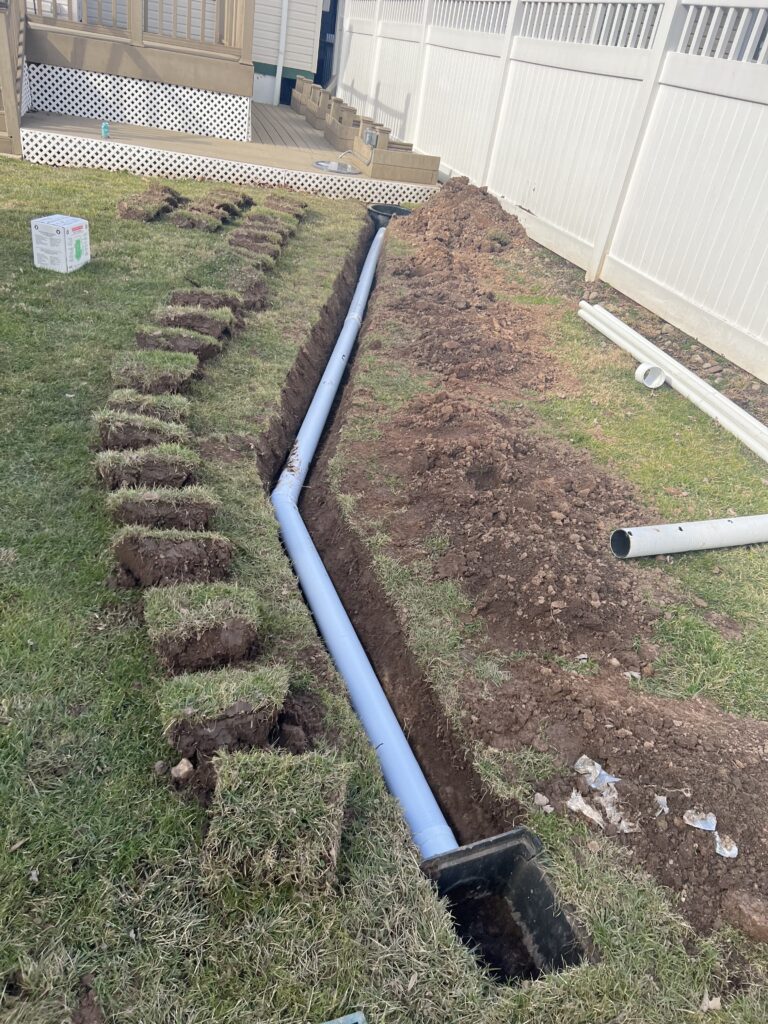
Best Outside Drainage System NJ Solutions for Your Yard
“If you’re looking for an outside drainage system NJ, this guide shows how to protect your yard and home from excess water.
Is standing water threatening your foundation? Poor yard drainage can lead to basement leaks, mold growth, and costly foundation damage, but strategic yard drainage systems and basement waterproofing can restore dry, secure living spaces. In this guide, you will learn about common yard drainage causes, French drain installation, outdoor drainage system options, basement waterproofing techniques, sump pump enhancements, advanced eco-friendly solutions, and why Effective Basement Solutions is New Jersey’s trusted expert with over 20 years of experience, free estimates, and a 30-year warranty.
You’ll discover:
- What triggers water pooling in your yard
- How a French drain system redirects moisture
- Surface and gutter drainage alternatives
- Interior and exterior waterproofing strategies
- Sump pump features and upkeep
- Smart, green drainage innovations
- The unique advantages of choosing Effective Basement Solutions
What Are the Common Causes of Poor Yard Drainage?
Poor yard drainage occurs when surface water cannot flow away from your home, increasing hydrostatic pressure against foundations and creating damp conditions. Understanding these issues helps homeowners implement targeted drainage systems and protect property value. For example, correcting soil compaction or improper slopes often stops water from accumulating and seeping into basements.
Understanding Hydrostatic Pressure: The Silent Threat to Your Foundation
Hydrostatic pressure, caused by groundwater accumulating around a home’s foundation, exerts a significant force that can lead to structural damage. This pressure can result in cracks in foundation walls, bowing or buckling, and basement leaks, particularly in areas with high rainfall or poor drainage systems.
This research directly supports the article’s explanation of how hydrostatic pressure contributes to foundation damage and the importance of managing water around the home.
How Does Improper Grading Affect Water Drainage?
When yard surfaces slope toward a home instead of away, rainwater pools along foundation walls, elevating hydrostatic pressure and forcing moisture through cracks. Regrading to establish a minimum 2% slope away from the house promotes continuous water runoff, reducing seepage risks and supporting structural stability. Correct grading prevents water trapping and lays the groundwork for more advanced yard drainage systems.
What Role Does Compacted Soil Play in Drainage Problems?
Compacted clay or heavy clay soils impede infiltration, causing surface water to stand rather than percolate. Over time, foot traffic, machinery, and natural settling compress soil particles, reducing pore spaces needed for absorption. Amending soil with organic matter and aerating restores permeability, enabling rainwater to drain downward instead of collecting near your foundation and increasing the effectiveness of French drain or trench drain installations.
How Do Downspout Runoff and Water Traps Cause Standing Water?
Short downspouts or buried elbows often deposit runoff too close to foundations, while landscape features like shallow swales or blocked catch basins create water traps. When rainfall channels directly against perimeter walls, moisture accumulates and soaks into basements. Extending downspout extensions beyond the foundation line and clearing blockages ensures gutter drainage solutions direct roof water into appropriate discharge areas, reducing standing water and basement intrusion.
How Can French Drain Installation Improve Water Drainage Around Your Home?
A French drain is a subsurface drainage system that collects excess groundwater and channels it away from vulnerable structures. By installing a perforated pipe surrounded by gravel and geotextile fabric in a shallow trench, a French drain intercepts water before it reaches your foundation and transports it to a safe discharge point. A well-designed French drain reduces hydrostatic pressure, prevents basement leaks, and prolongs foundation integrity.
The Science Behind French Drains: How They Work and Why They're Effective
French drains are a proven method for managing excess water around properties, utilizing perforated pipes surrounded by gravel and geotextile fabric to intercept and redirect water away from foundations. This system helps prevent issues like basement seepage, soil erosion, and waterlogging, thereby maintaining structural integrity.
This source provides a detailed explanation of the components and functionality of French drains, reinforcing the article’s claims about their effectiveness in improving yard drainage and protecting foundations.
What Are the Key Components of a French Drain System?
A French drain relies on three primary elements that work together to manage subsurface water:
- Perforated Pipe – Collects groundwater through small holes.
- Gravel Aggregate – Surrounds the pipe to facilitate rapid water flow.
- Geotextile Fabric – Prevents soil infiltration and pipe clogging.
Installing these components in sequence ensures continuous water collection and reliable long-term performance.
How Does a French Drain Redirect Water Away from Foundations?
A French drain intercepts water in the soil profile, then uses gravity to guide it through the perforated pipe toward a lower elevation such as a street drain or dry well. By relieving hydrostatic pressure adjacent to foundation walls, the system prevents water from migrating through cracks and joint interfaces. Continuous flow maintains a stable moisture gradient, keeping basements dry and safeguarding structural integrity.
What Is the Typical Cost of French Drain Installation in New Jersey?
French drain installation in New Jersey generally ranges from $25 to $50 per linear foot, depending on yard size, soil conditions, and discharge location. Complex slopes, rocky substrates, or extended piping increase labor and material expenses. Investing in a professional installation from Effective Basement Solutions ensures precise trench grading, quality materials, and warranty-backed workmanship that delivers cost-effective long-term drainage performance.
When Should You Choose Professional French Drain Installation?
Professional French drain installation is recommended when:
- Yard grading challenges require specialized equipment.
- Soil conditions include high clay content or rock.
- Basement leaks persist despite surface solutions.
- You seek a 30-year warranty on drainage work.
Effective Basement Solutions’ expert team assesses site conditions, selects optimal pipe diameter and gravel size, and guarantees reliable performance under New Jersey’s variable climate.
What Outdoor Drainage Systems Are Effective for Residential Homes?
Surface, subsurface, and roof-drain systems each address specific water management needs. Combining these methods creates a layered strategy that prevents soil erosion, limits standing water, and protects landscaping from moisture damage. When designed holistically, outdoor drainage systems maintain healthy yard conditions and redirect water far from foundation perimeters.
How Do Surface Water Drainage Systems Like Trench Drains and Catch Basins Work?
Surface water solutions capture rainfall before it infiltrates soil. Trench drains consist of linear channels with grated tops that collect runoff from patios and driveways. Catch basins are sealed inlets with interior sumps that trap debris and direct water into underground pipes. Together, they intercept rapid flows, convey runoff to safe discharge areas, and prevent pooling on hardscapes and lawn areas.
What Are the Benefits of Gutter and Downspout Drainage Solutions?
Gutter and downspout systems manage roof-collected water to reduce erosion and foundation damage. Extensions, underground drain lines, and rain barrels enhance this network:
- Extensions convey water beyond foundation footings.
- Underground Pipes channel flow to street drains or dry wells.
- Rain Barrels collect runoff for irrigation, promoting water reuse.
A multi-component gutter system safeguards landscaping, reduces stormwater impact, and complements subsurface French drains or trench drains for comprehensive yard drainage.
How Can Yard Regrading Help Prevent Water Accumulation?
Regrading reshapes landscape contours to guide water away from structures. By creating shallow swales, berms, or flat terraces with a consistent 2–5% slope, rainwater flows naturally toward designated collection points. Properly planned regrading integrates seamlessly with plantings and hardscapes, ensuring sustained yard drainage without sacrificing aesthetics or turf health.
NJ Outdoor Drainage Solutions to Protect Your Yard
Basement waterproofing encompasses interior and exterior measures to block moisture intrusion, eliminate dampness, and prevent mold growth. Interior methods address leaks after they occur, while exterior systems stop groundwater before it reaches foundation walls. Together they preserve interior air quality, protect stored belongings, and maintain structural integrity under New Jersey’s wet-season conditions.
What Are the Signs of Basement Water Issues to Watch For?
Visible indicators of water intrusion include:
- Damp Walls or Floors – Consistent moisture on concrete surfaces.
- Mold and Mildew – Musty odors or black spotting on walls.
- Foundation Cracks – Hairline to widening splits in masonry.
- Efflorescence – White mineral deposits from seepage.
Early detection allows targeted waterproofing interventions and helps avoid escalating structural repairs.
What Interior Waterproofing Methods Are Available?
Interior strategies collect water before it floods living spaces:
- Sump Pump Installation – Automatically pumps accumulated water from a pit to an external outlet.
- Interior French Drains – Channels installed beneath floor slabs to guide seepage into a sump pit.
- Crack Sealing – Injected polymers fill foundation cracks to block leaks.
Combined, these measures restore dry conditions, reduce musty odors, and safeguard stored items against moisture.
How Do Exterior Waterproofing Solutions Prevent Water Intrusion?
Exterior waterproofing halts water at its source by:
- Foundation Sealing – Applying waterproof coatings to walls.
- Exterior French Drains – Complementing interior drains to intercept groundwater.
- Regrading and Soil Amendment – Shaping and conditioning soil to improve drainage.
These methods reduce hydrostatic pressure, eliminate seepage pathways, and extend the life of foundation materials.
Why Is Foundation Repair Important After Water Damage?
Water infiltration undermines concrete and masonry, causing spalling, shifting, and structural weakening. Timely foundation repair restores load-bearing capacity through crack injection, steel reinforcement, or underpinning. Addressing both waterproofing and foundation repair ensures a comprehensive solution that enhances property value and prevents recurrent damage.
How Do Sump Pump Systems Enhance Basement Water Drainage?
A sump pump is an automatic water removal device installed in a dedicated pit to capture and expel accumulated groundwater. By activating when water reaches a set level, a properly sized sump pump reduces flood risk, maintains dry basement floors, and mitigates mold and mildew growth. Battery backup options ensure continuous protection during power outages and storms.
What Are the Features and Benefits of Sump Pump Installation?
Advanced sump pump models offer:
- Automatic Activation that senses rising water and starts the pump.
- Battery Backup ensuring operation during power failures.
- High Flow Rates that clear several thousand liters per hour.
These features safeguard basements against heavy rainfall, promote structural resilience, and support interior waterproofing systems by efficiently removing collected water.
Sump Pump Feature Comparison
Below is a comparison of typical sump pump features and their benefits.
| Feature | Benefit | Why Essential |
|---|---|---|
| Automatic Activation | Prevents basement flooding | Ensures continuous operation without manual attention |
| Battery Backup | Functions during power loss | Maintains drainage when grid power fails |
| High Flow Rate | Efficient water removal | Reduces hydrostatic pressure build-up |
Keeping a sump pump well-maintained allows the system to perform reliably under the heaviest New Jersey storms.
How Is a Sump Pump System Maintained for Longevity?
Regular maintenance includes:
- Cleaning the sump pit and inlet screen.
- Testing the float switch for smooth activation.
- Inspecting the discharge line for blockages.
- Running the pump periodically to verify operation.
Consistent upkeep prevents mechanical failure, extends pump life, and upholds the dry-basement promise of your waterproofing and drainage systems.
When Should Homeowners Consider Sump Pump Repair or Replacement?
Homeowners should repair or replace a sump pump when:
- The pump fails to activate or runs continuously.
- The motor overheats or makes unusual noises.
- The float switch sticks or doesn’t trigger the pump.
- Warranty-period coverage expires.
Replacing older units with modern, energy-efficient models enhances reliability and reduces flood risk.
What Advanced and Eco-Friendly Drainage Solutions Are Available for Modern Homes?
Check out our French Drain Installation NJ Services for expert help. Innovative, sustainable drainage solutions manage stormwater responsibly while supporting biodiversity. Smart sensors, permeable surfaces, and natural filtration systems integrate seamlessly with existing landscapes, reducing runoff volume and improving water quality. These eco-friendly options reflect a commitment to both home protection and environmental stewardship.
How Do Smart Home Drainage Systems Monitor and Manage Water?
Smart drainage systems use moisture sensors, automated valves, and IoT integration to monitor soil saturation and redirect excess water dynamically. Real-time data alerts homeowners to critical conditions, while automated valves release stored water or activate pumps only when needed. This proactive approach enhances water management efficiency and prevents unnecessary energy use.
What Are the Benefits of Eco-Friendly Drainage Options Like Permeable Pavements and Rain Gardens?
Read this detailed French Drain Installation Guide for more on best practices. Permeable pavements and rain gardens offer dual benefits of drainage and ecological support:
- Permeable Pavements – Surfaces that allow water infiltration, reducing surface runoff and replenishing groundwater.
- Rain Gardens – Shallow planted basins that capture and filter stormwater through native vegetation and engineered soils.
Eco-Friendly Drainage Solution Overview
An at-a-glance comparison of green drainage options:
| Solution | Function | Sustainability Benefit |
|---|---|---|
| Permeable Pavement | Allows water infiltration | Reduces surface runoff |
| Rain Garden | Captures and filters runoff | Supports native plant growth |
| Bioretention Basin | Stores and filters stormwater | Improves groundwater recharge |
Integrating these features complements traditional drainage systems and promotes healthier yards.
Why Choose Effective Basement Solutions for Improving Water Drainage Around Your Home in New Jersey?
Effective Basement Solutions combines local expertise with industry-leading techniques to deliver comprehensive waterproofing and yard drainage systems. With more than 20 years of experience, free on-site estimates, and a 30-year warranty on workmanship, homeowners gain peace of mind knowing their basement and landscape are protected against water intrusion and foundation damage.
What Unique Value Propositions Does Effective Basement Solutions Offer?
Effective Basement Solutions stands out through:
- 20+ Years Experience installing drainage systems in diverse New Jersey soils.
- 30-Year Warranty that guarantees lasting performance.
- Free Estimates including detailed property evaluations.
This blend of expertise, commitment, and risk-free consultations empowers homeowners to invest confidently in reliable yard drainage and basement waterproofing.
How Does Effective Basement Solutions Tailor Drainage Solutions to New Jersey Homes?
Our technicians assess soil type, yard topography, and existing structures to customize drainage designs. From selecting the correct pipe diameter for French drains to choosing compatible materials for eco-friendly installations, every plan reflects local climate patterns and site-specific requirements, ensuring maximum efficiency and long-term durability.
How Can You Request a Free Drainage Consultation?
Homeowners ready to safeguard their basement and landscape can request a free consultation by calling our New Jersey office or completing an online estimate form. A certified specialist will evaluate your property, recommend tailored drainage and waterproofing strategies, and provide a transparent quote—risk-free.
Dry yards, secure foundations, and healthier living spaces start with the right drainage and waterproofing strategy. Effective Basement Solutions delivers proven systems—from French drains and sump pumps to green technologies—backed by decades of local expertise and a 30-year warranty designed to protect your home for generations.