
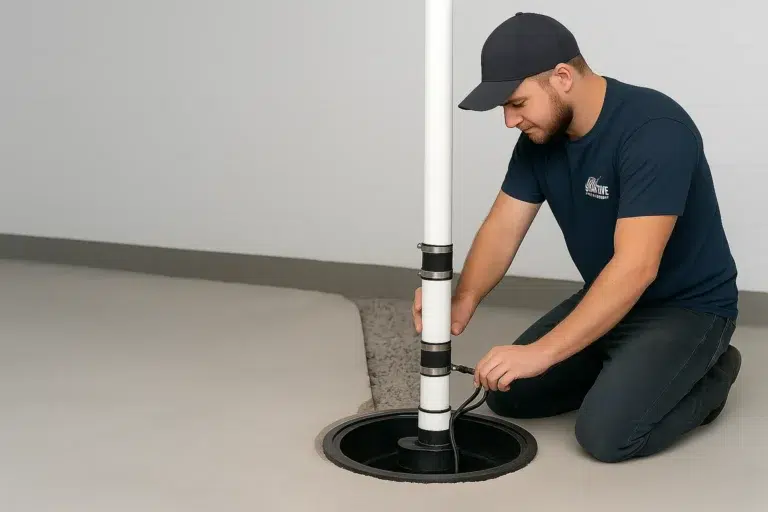
Maintaining Your Sump Pump: Essential Guide for Homeowners to Ensure Reliable Basement Protection
Up to 60 percent of New Jersey basements face water intrusion without regular sump pump maintenance NJ homeowners can rely on, resulting in costly repairs and mold concerns. This guide delivers a complete checklist, inspection tips, and troubleshooting strategies to safeguard your home year-round., inspection tips and troubleshooting strategies to safeguard your home year-round. You will learn what a sump pump is, how it works, the ideal maintenance frequency, common failure causes and repair versus replacement criteria. We also cover advanced backup systems, professional service triggers and localised advice for New Jersey conditions. By following these steps, you can prevent flooding, extend pump lifespan and secure peace of mind—all while understanding when to call in expert assistance.
What Is a Sump Pump and How Does It Protect Your Basement?
A sump pump is a specialised device installed in a recessed pit to detect rising groundwater and expel it away from your foundation, preventing water damage and structural compromise. This mechanism relies on water level sensors to activate the pump motor, which pushes water through a discharge pipe beyond the property’s perimeter. Effective Basement Solutions recommends understanding how each component functions to maintain reliable basement protection.
What Are the Main Types of Sump Pumps?
Homeowners choose among submersible, pedestal, battery backup and water-powered sump pumps based on installation space and backup needs.
Below is a comparison of primary model types to guide your selection:
| Pump Type | Installation Location | Primary Benefit | Ideal Use |
|---|---|---|---|
| Submersible | Inside sump pit | Quiet operation under water | Tight spaces and deep pits |
| Pedestal | Above sump pit | Easier service access | Shallow pits or retrofit projects |
| Battery Backup | With primary pump | Power-outage protection | Storm-prone areas |
| Water-Powered | Tied to municipal line | Electricity-free redundancy | Eco-friendly backup |
Selecting the right pump type ensures consistent performance and enables tailored maintenance approaches that match New Jersey’s variable weather patterns.
Which Key Components Make Up a Sump Pump System?
A complete sump pump system comprises five interrelated parts—float switch, impeller, check valve, discharge pipe and sump pit—that work together to remove water effectively.
- Float Switch: Activates the pump when water reaches a set level in the pit.
- Impeller: Rotating blades that generate water flow.
- Check Valve: Prevents backflow into the sump pit after the pump shuts off.
- Discharge Pipe: Channels water away from the foundation.
- Sump Pit: The basin that collects groundwater before pumping.
Understanding these parts supports accurate inspections and timely interventions, keeping each component functional and your basement dry.
How Does a Sump Pump Work to Prevent Flooding?
A sump pump operates by detecting elevated water in the pit and engaging its impeller-driven motor to push water through the discharge line, clearing the basin and lowering hydraulic pressure against basement walls. First, the float switch rises with incoming water and closes an electrical circuit. Next, the impeller spins to generate pressure that forces water out via the discharge pipe. Finally, the check valve halts any return flow, maintaining a dry sump pit. This cycle repeats automatically during heavy rainfall or high groundwater conditions, preserving foundation integrity and preventing mould growth.
How Often Should You Perform Sump Pump Maintenance?
Consistent maintenance prevents small issues from escalating into full-scale failures. Effective Basement Solutions advises homeowners to combine monthly checks, quarterly inspections and an annual professional service to cover all essential tasks.
What Are the Monthly and Quarterly Maintenance Tasks?
Monthly and quarterly actions keep the sump pump ready for sudden water surges.
- Inspect Pump Housing and Pit: Remove debris and ensure the pit remains clear of leaves or sediment.
- Test Float Switch Operation: Manually raise the float switch to confirm the pump activates.
- Check Discharge Line: Examine the exterior pipe for obstructions or ice build-up.
- Verify Power Supply: Confirm the pump is plugged into an active GFCI outlet and the breaker is on.
Regular execution of these tasks maintains system reliability and minimises emergency repairs.
A critical aspect of preventing premature wear and ensuring consistent operation is the presence of a check valve, which stops water from flowing back into the pit after the pump shuts off.
For reliable national guidance, visit the U.S. Department of Energy sump pump maintenance guide .
Common Failure Modes of Sump Pumps and Their PreventionFor instance, if the sump pump is installed without a check valve, the water remaining in the discharge pipe will flow back into the sump pit. This will cause the pump to cycle more frequently, leading to premature wear. Typical failure modes include pump malfunction, motor failure, float switch failure, and check valve failure.Equipment Failures
What Does Annual Professional Sump Pump Servicing Include?
A comprehensive annual service by certified technicians ensures deeper inspection and calibration beyond DIY capabilities.
- Full System Audit: Engineers assess pump curve performance and motor amperage draws.
- Motor and Seal Inspection: Worn seals and bearings are replaced to prevent leaks.
- Impeller and Screen Cleaning: Professional removal of scale and grit restores optimal flow.
- Check Valve Testing: Valve operation is verified to avoid water backflow.
- Battery Health Check (if present): Capacity tests ensure backup readiness during outages.
Engaging a specialist delivers peace of mind and often extends the pump’s functional life by up to 50 percent.
How Does Regular Maintenance Extend Your Sump Pump’s Lifespan?
Proactive maintenance reduces mechanical stress, prevents corrosion and minimises electrical faults to increase a sump pump’s longevity.
Learn more about professional sump pump installation in NJ .
Clearing debris stops impeller blockages that overheat the motor, while float switch testing prevents continuous cycling that accelerates wear. Electrical inspections detect wiring issues before they damage the motor. Overall, consistent care can prolong pump service life by two to five years, lowering total cost of ownership and ensuring continuous basement protection.
Sump Pump Maintenance Checklist for Reliable Basement Protection
Even well-maintained systems encounter issues; prompt troubleshooting restores protection and prevents water damage from escalating.
Why Won’t My Sump Pump Turn On?
Power failures, float switch malfunctions or tripped safety devices are typical causes of a non-activating pump.
- Confirm Electrical Supply: Check that the GFCI outlet and circuit breaker are functioning.
- Inspect Float Switch Alignment: Ensure the float moves freely and isn’t caught on pit walls.
- Test Motor with Direct Power: Carefully bypass the float to verify motor operation.
Restoring power and float integrity often reestablishes pump activation without professional intervention.
A common reason for a sump pump not activating is an obstructed float switch, which prevents it from rising to the level needed to engage the pump.
Sump Pump Float Switch Obstruction and Air Lock ProblemsThe basement had recently undergone a significant renovation. The sump pump system was installed to prevent water ingress. The homeowner reported that the sump pump was not functioning correctly. Upon inspection, it was determined that the float was obstructed from rising to actuate the float switch and activate the pump. To mitigate air lock issues, some sump pump systems are designed with an air bleed aperture in the casing.Equipment Failures and Investigations, Unknown Author, 2021
What Causes a Sump Pump to Run Continuously?
A sump pump that never shuts off often suffers from a stuck float, misaligned sensor or a blocked discharge line.
- Unjam Float Switch: Lift and lower the float to loosen any obstruction.
- Clear Discharge Path: Remove ice, debris or mineral buildup from the exterior pipe.
- Adjust Float Height: Set the activation level higher to avoid low-water cycling.
Correcting these issues stops incessant cycling that can overheat the motor and shorten its lifespan.
How Do You Fix a Noisy or Vibrating Sump Pump?
Excessive noise and vibration usually result from impeller obstructions, unsecured mounting or worn motor bearings.
- Clean Impeller and Intake Screen: Remove lodged debris to restore smooth operation.
- Tighten Mounting Brackets: Secure the pump base to minimise rattling.
- Lubricate Motor Bearings: Where accessible, apply recommended lubricant to reduce friction.
Addressing mechanical friction and mounting stability instantly lowers operational noise.
How Can You Clear a Clogged Sump Pump or Discharge Line?
Removing blockages from a pump or discharge pipe restores proper flow and prevents backup flooding.
- Flush with Garden Hose: Direct water into the intake to dislodge mud and grit.
- Manually Remove Debris: Use a plumber’s snake or gloved hand for visible obstructions.
- Inspect Check Valve: Confirm it opens fully and replace if seized.
Clearing clogs ensures uninterrupted water evacuation and reduces hydraulic pressure on the pit.
What Should You Do If Your GFCI Outlet Trips Frequently?
Frequent ground-fault trips suggest wiring faults, moisture ingress or overload conditions that impair pump operation.
- Test Outlet with Other Devices: Determine if the issue is pump-specific or general.
- Seal Outlet Box: Prevent moisture entry by applying waterproof gaskets.
- Consult a Licensed Electrician: Address wiring defects and replace defective outlets.
Restoring a stable electrical path keeps the sump pump powered and protected against ground faults.
When Should You Replace Your Sump Pump? Signs, Lifespan, and Upgrade Options
Knowing when to replace a sump pump prevents unexpected failures and embraces newer, more efficient solutions.
What Is the Average Lifespan of a Sump Pump?
Most sump pumps operate reliably for seven to ten years, with life expectancy affected by model quality, usage frequency and maintenance consistency.
Premium submersible pumps often exceed ten years, while budget pedestal units may wear out in under seven. Regular servicing and seasonal inspections can push performance beyond the typical lifespan bracket.
What Are the Warning Signs That Indicate Replacement Is Needed?
Visible corrosion, failure to activate, nonstop operation and unusual noises are clear warnings that a pump needs replacement.
- Rust on Housing: Corrosion can compromise seals and motor integrity.
- No Activation: A healthy float switch should trigger pump start.
- Continuous Running: Persistent cycling indicates mechanical or electrical faults.
- Loud Grinding Noises: Worn impeller or motor bearings often produce abrasive sounds.
Replacing the unit at the first sign of these conditions avoids basement flooding and expensive emergency fixes.
How Can You Upgrade Your System with Backup Solutions?
Integrating battery backups, water-powered backups and high-water alarms enhances reliability during extreme events.
| Upgrade Option | Feature | Benefit |
|---|---|---|
| Battery Backup | 12-volt deep-cycle battery | Maintains operation during outages |
| Water-Powered Backup | Uses municipal water pressure | Runs without electricity |
| High-Water Alarm | Wireless sensor and siren | Alerts before flooding occurs |
Deploying redundant layers of protection ensures continuous performance when mains power fails or primary pump malfunctions.
How Do Battery Backup and Alarm Systems Enhance Sump Pump Reliability?
Backup systems and alarms provide an extra safeguard, guaranteeing uninterrupted basement defence.
What Are the Benefits of Battery Backup Sump Pumps?
Battery backup pumps offer uninterrupted water removal during power failures, reducing flood risk and property damage. They automatically engage when mains power is lost, support primary pump operation and grant homeowners peace of mind during storms. Routine battery capacity checks ensure readiness for extended outages.
How Do Water-Powered Backup Systems Work?
Water-powered backup pumps channel municipal water pressure into the siphon mechanism to eject basement water without electricity. This energy-free method provides reliable redundancy and never relies on batteries, making it ideal for locations with potable water access and strict environmental regulations.
What Are High-Water Alarms and Remote Monitoring Systems?
High-water alarms sense rising levels in the sump pit and send immediate alerts via siren, text or mobile app. Remote monitoring platforms track float activity in real time and notify homeowners of potential failures, allowing swift intervention before flooding begins.
When Should You Call a Professional for Sump Pump Repair or Installation?
Certain issues and preventive measures require certified expertise to ensure reliable performance and compliance with local codes.
What Types of Issues Require Expert Sump Pump Repair?
Complex malfunctions such as motor burnout, impeller damage or deep system blockages often need professional attention.
Technicians can diagnose electrical faults, realign float sensors and replace defective components using specialised tools, preventing recurring breakdowns.
How Often Should You Schedule Professional Sump Pump Servicing?
Annual expert servicing combines deep cleaning, performance testing and component replacement as needed. Scheduling this service once every year aligns with best practices and reduces emergency call-outs during heavy rainfall seasons.
What Are the Typical Costs of Sump Pump Repair and Replacement?
Repair costs generally range from £150 to £300, covering component fixes and labour, while full replacement and installation average between £400 and £800 depending on pump type and complexity. Investing in preventive maintenance often lowers long-term expenses compared with unplanned replacement.
How Can New Jersey Homeowners Prevent Basement Flooding with Proper Sump Pump Care?
Local conditions in New Jersey demand tailored strategies to combat seasonal storms, high water tables and coastal influences.
Understanding the specific power supply and discharge arrangements is crucial for New Jersey homeowners to ensure their sump pump systems function correctly and comply with local regulations.
New Jersey Sump Pump Power Supply and Discharge ArrangementsExisting power to the sump pump rooms in New Jersey is supplied from an electrical panel fed by the main building power. The sump pump is designed to remove water from within the pit and discharge it into the New Jersey surface water drainage system. An auxiliary sump pump is provided in each sump pit for redundancy.Maintenance of Suspension Bridge Anchorages, Unknown Author, 2015
What Are the Unique Basement Water Challenges in New Jersey?
New Jersey’s proximity to the Atlantic brings frequent nor’easters, while inland areas face fluctuating groundwater levels. Seasonal temperature swings can freeze discharge pipes, and ageing municipal systems may surge, all requiring robust sump pump performance to offset flooding pressure.
How Does Proper Sump Pump Maintenance Protect Against Mold and Foundation Damage?
Regular maintenance keeps basements drier, preventing persistent moisture that encourages mould proliferation and wood rot. By removing water promptly and consistently, sump pump care preserves concrete integrity and reduces hydrostatic pressure, mitigating foundation cracks and structural weakening.
Where Can You Find Trusted Basement Waterproofing and Sump Pump Services in New Jersey?
Homeowners can rely on local waterproofing and sump pump specialists with demonstrated New Jersey experience to deliver tailored solutions and free consultations. Effective Basement Solutions combines certified technicians, transparent pricing and advanced equipment to ensure lasting basement protection and customer satisfaction.
Reliable sump pump maintenance safeguards your home against water damage, mould and costly repairs. Regular inspections, prompt troubleshooting and periodic professional servicing create a fortress against basement flooding—especially in challenging New Jersey conditions. For expert advice, maintenance plans and upgrade options, contact Effective Basement Solutions today to schedule your free consultation and secure your basement’s future protection.
