
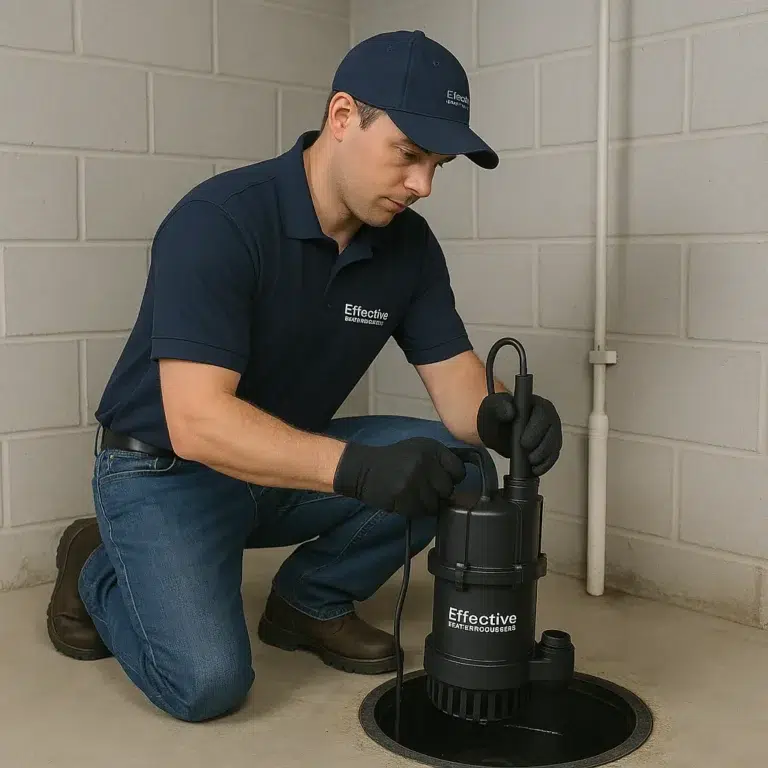
Common Sump Pump Float Switch Issues NJ Homeowners Encounter
If you’re facing sump pump float switch issues NJ, this troubleshooting guide helps you identify problems and get your basement dry again.
If you’re facing sump pump float switch issues NJ, this troubleshooting guide helps you identify what’s wrong and how to fix it.
Basement flooding can cause thousands of pounds of damage within hours when a sump pump float switch fails to engage or deactivate properly.
In this guide, homeowners in New Jersey will learn how a sump pump float switch works, identify common malfunctions, perform safe DIY troubleshooting, decide when to replace the switch, and understand how expert repair and preventative maintenance keep basements dry. We will cover:
- Understanding float switch design and function
- Recognising symptoms of switch failure
- Step-by-step DIY troubleshooting and repairs
- Replacement timing, costs, and process
- Professional services for repair, installation, and maintenance
- Preventative measures to extend switch lifespan
- Answers to frequently asked questions about float switch challenges
This comprehensive approach ensures your sump pump operates reliably and protects your home from water damage.
What Is a Sump Pump Float Switch and How Does It Work?
A sump pump float switch is a mechanical or electronic sensor that detects rising water levels in the sump pit and triggers the pump motor to activate, preventing basement flooding. By translating water height into an on/off signal, the switch ensures the pump runs only when needed and conserves energy. For example, a tethered float switch lifts with water and closes a circuit at a set height, instantly powering the pump.
What Are the Different Types of Sump Pump Float Switches?
Below is a comparison of the main float switch types, their operation mechanisms, ideal applications, and key benefits.
| Switch Type | Operation Mechanism | Ideal Application | Key Benefit |
|---|---|---|---|
| Tethered Float Switch | Buoyant ball on a cable lifts with water | Large sump pits with wide clearance | Affordable and simple to install |
| Vertical Float Switch | Sealed float moves up a guide rod | Small pits or pedestal pumps | Predictable activation height and compact fit |
| Electronic Float Switch | Optical or ultrasonic level sensor | High-reliability systems and alarms | No moving parts, reduced mechanical wear |
| Diaphragm Switch | Pressure differential across a diaphragm | Custom installations with variable depths | Stable performance in fluctuating conditions |
Each switch type offers unique operational traits and choosing the right one helps prevent mechanical failure and ensures consistent pump operation.
How Does a Float Switch Control Sump Pump Operation?
A float switch controls sump pump operation by closing or opening an electrical circuit when water lifts the float to a predetermined height. This action directly activates the pump motor, pumping water out of the pit. When water recedes, the float drops, the circuit opens, and the pump stops. Precise float movement prevents unnecessary cycling and reduces wear on the pump.
Why Is the Float Switch Critical for Basement Waterproofing?
The float switch is critical for basement waterproofing because it automates flood protection and prevents water damage without manual intervention. By ensuring the pump activates at a consistent water level, the switch shields foundations from hydrostatic pressure and inhibits mold growth. Reliable float-switch performance underpins an effective sump pump system that keeps basements dry even during heavy rain.
What Are the Most Common Sump Pump Float Switch Problems and Symptoms?
Float switch problems range from debris obstruction to electrical faults, each causing distinct pump behavior. Recognising symptoms early—such as the pump not activating, running continuously, or short cycling—allows homeowners to address minor issues before they escalate into costly basement flooding.
Why Is My Sump Pump Float Switch Not Working?
A float switch may stop working due to debris blocking its movement, mechanical wear on hinges or seals, electrical connection failures, or improper installation height. If the switch cannot lift freely or its circuit contacts corrode, the pump remains idle even as the water rises, placing your basement at risk.
Why Does A Float Switch Fail
Sump pump float switch failures can be attributed to mechanical wear, components becoming stuck due to debris or sediment, electrical issues such as loose connections, improper positioning, inherent design flaws, and environmental factors. Consistent maintenance and correct installation are vital to prevent these malfunctions and ensure the pump operates reliably.
This research directly supports the article’s detailed explanation of common sump pump float switch problems and the underlying causes of their failure.
What Causes a Sump Pump Float Switch to Get Stuck?
Float switches get stuck when sludge, sediment, or small stones accumulate in the pit and jam the float’s path. Corrosion buildup on pivot points or tangled wiring can also immobilise the switch. Stuck floats fail to trigger the pump, allowing water to overflow unchecked.
Why Is My Sump Pump Running Continuously Due to the Float Switch?
Continuous pump running often indicates a float switch that is stuck in the “on” position, set too low, or caught on the pit wall. When the float cannot drop below the activation point, the pump receives a constant signal to run, leading to motor overheating and premature failure.
What Is Sump Pump Short Cycling and How Is It Related to the Float Switch?
Short cycling occurs when the float switch is adjusted too close to the activation threshold or when the sump pit is too small, causing frequent on/off cycles. This rapid cycling wears out motor components quickly and wastes electricity, undermining pump reliability and lifespan.
How Can Homeowners Troubleshoot and Fix Float Switch Issues?
Safe troubleshooting of float switch issues involves a series of diagnostic and corrective steps that restore free movement and proper circuit operation without risking electric shock or pump damage.
What Are the Step-by-Step Troubleshooting Steps for a Faulty Float Switch?
Follow these ordered steps to diagnose a float switch problem:
- Power off the pump at the circuit breaker to prevent electrical hazard.
- Inspect the sump pit for debris, sediment, or foreign objects blocking float travel.
- Manually lift the float to check if the pump activates; failure suggests a faulty switch or wiring.
- Examine wiring connections for corrosion or loose terminals and tighten or replace as needed.
- Adjust float position on the switch arm to ensure proper activation height.
Completing these steps often identifies and resolves basic float-switch malfunctions before professional intervention becomes necessary.
How Do You Test a Sump Pump Float Switch Safely?
For professional sump pump help, see our Sump Pump Installation NJ Services. To test a float switch safely, first shut off power at the breaker and disconnect the pump’s power cord. Then slowly lift the float to its activation point—if the pump motor starts when power is restored, the switch is functional. Testing with a multimeter on the switch terminals can confirm continuity only when the float is elevated.
How Do You Fix a Stuck or Jammed Float Switch?
Clearing a stuck float switch involves:
- Removing debris from the pit walls and bottom to free the float’s path.
- Cleaning pivot points and sealing surfaces with a soft brush and mild detergent.
- Repositioning wiring harnesses to avoid entanglement with the float mechanism.
These actions restore unobstructed float movement and proper switch cycling.
When Is Float Switch Cleaning Necessary and How Is It Done?
Learn more about float-switch failures in this detailed article: Why Your Sump Pump Float Switch Is Not Working – Angi. Float switch cleaning becomes necessary when mineral deposits, grease, or sludge impair movement or electrical contacts. To perform cleaning: disconnect power, remove the float assembly, scrub all surfaces with a non-abrasive pad and vinegar solution, rinse thoroughly, and reassemble. Clean contacts ensure reliable switching and extend component life.
When Should You Replace Your Sump Pump Float Switch and How?
Float switch replacement is advisable when mechanical wear, repeated failures, or advanced corrosion make repairs unreliable. A fresh switch restores precise activation and reduces flood risk.
What Are the Signs That Indicate Float Switch Replacement Is Needed?
Key indicators for replacement include:
- Circuit failure on lifting—no pump activation when float is raised
- Visible corrosion or cracks on the float body or pivot
- Frequent short cycling despite proper adjustment
- Intermittent operation that persists after cleaning
When these symptoms persist, replacement is the safest option to maintain flood protection.
How Much Does Sump Pump Float Switch Replacement Cost in New Jersey?
Below is a localized cost estimate for float switch replacement:
| Replacement Type | Typical Cost Range (USD) | Influencing Factors |
|---|---|---|
| Basic Mechanical Switch | 100 – 150 | Switch quality, labour access |
| Vertical Guide-Rod Switch | 120 – 170 | Pit size, installation complexity |
| Electronic Sensor Switch | 150 – 200 | Advanced technology, warranty |
Investing in a new float switch prevents costly basement flooding and often pays for itself through peace of mind.
What Are the Steps for Professional Float Switch Replacement?
Professional installation follows these key stages:
- Site inspection of the sump pit and existing switch setup.
- Pump deactivation and safe removal of the old float assembly.
- Selection of compatible switch type based on pit dimensions and usage patterns.
- Precise mounting and wiring of the new switch per manufacturer specifications.
- Operational testing to confirm activation height and reliable pump engagement.
Expert handling ensures optimal switch performance and long-term reliability.
How Do Different Float Switch Types Affect Replacement Choices?
When replacing a float switch, consider how type influences function:
| Switch Type | Replacement Complexity | Performance Impact | Recommended Usage |
|---|---|---|---|
| Tethered Float | Low | Standard reliability with periodic cleaning | General-purpose basement pumps |
| Vertical Float | Medium | Consistent lift height prevents short cycling | Small or irregular pits |
| Electronic Float | High | Superior longevity with no moving parts | High-traffic commercial setups |
Matching switch type to pit conditions and pump workload ensures the best balance of reliability and cost.
How Can Professional Services Help with Float Switch Repair and Maintenance?
Expert repair and maintenance services address complex float switch issues and deliver lasting flood protection solutions.
What Float Switch Repair and Installation Services Does Effective Basement Solutions Offer?
Effective Basement Solutions provides:
- Comprehensive diagnostics for switch and pump system failures
- Switch repair or replacement using premium mechanical and electronic components
- Custom installation tailored to pit dimensions and homeowner needs
- Routine maintenance plans that include cleaning, testing, and adjustments
These services restore dependable operation and extend sump pump lifespan.
Why Choose Local New Jersey Experts for Sump Pump Float Switch Issues?
Local New Jersey specialists deliver:
- Rapid response times during severe weather events
- Knowledge of regional conditions, such as heavy rainfall patterns and high water tables
- Familiarity with local codes and building regulations
- Personalised service from community-based technicians
This local focus ensures your basement stays dry when it matters most.
How Does Preventative Maintenance Extend Float Switch and Sump Pump Lifespan?
Regular maintenance enhances equipment longevity by:
- Removing harmful debris before it jams the switch
- Calibrating float activation to prevent short cycling
- Inspecting electrical connections to avoid intermittent faults
- Verifying discharge lines remain clear
Preventative care reduces emergency failures and lowers long-term repair costs.
How Can You Request a Free Consultation for Float Switch Troubleshooting?
To arrange a no-obligation assessment, simply contact Effective Basement Solutions’ support team. A certified technician will inspect your sump pump float switch, outline necessary services, and provide a transparent estimate at no charge. This consultation helps you make informed decisions without any commitment.
What Preventative Measures Can Protect Your Sump Pump Float Switch?
Implementing routine checks and best practices protects your float switch and preserves basement waterproofing efforts over the long term.
How Often Should You Inspect and Maintain Your Float Switch?
Homeowners should inspect and maintain their float switch:
- Every three months during humid seasons
- After major storms or power surges
- Whenever unusual pump behaviour occurs
Sump Pump Maintenance: Doing It Right
Regular maintenance of sump pumps, encompassing checks on the float switch, cleaning of the pump and discharge line, and verification of the sump pit’s water level, is crucial for optimal performance and flood prevention. The Sump and Sewage Pump Manufacturer’s Association (SSPMA) advises maintenance frequencies ranging from monthly to annually, based on the pump’s usage.
This information reinforces the article’s emphasis on the importance of preventative maintenance and regular inspections for extending the lifespan and reliability of sump pump float switches.
What Are Best Practices for Preventing Float Switch Failure?
Adopt these expert recommendations:
- Keep the pit clean of sediment and foreign objects
- Secure wiring to avoid entanglement with the float
- Test switch activation manually and electrically at least twice yearly
- Replace aging switches proactively after five years of service
Following these guidelines ensures reliable pump operation when water levels rise.
How Does Regular Maintenance Prevent Basement Flooding and Water Damage?
Routine maintenance prevents basement flooding by maintaining free float movement, reliable circuit engagement, and proper pump cycling. Consistent care eliminates hidden hazards, ensures quick response during heavy rainfall, and safeguards your home’s structure and contents.
Expert Float Switch Repair and Maintenance Services in New Jersey
Homeowners often wonder how weather, adjustments, or upgrades affect switch reliability. The answers below clarify these common scenarios and guide you toward effective solutions.
Why Does My Sump Pump Float Switch Fail During Heavy Rain?
During heavy rain, excess debris can wash into the sump pit and jam the float mechanism, preventing activation at critical times. Installing a pit cover and performing pre-storm cleaning helps ensure uninterrupted switch movement.
How Do I Adjust the Float Switch to Prevent Continuous Pump Running?
Adjust the float stop or reposition the switch cam so that the float descends below the pump’s cut-off level. This ensures the switch circuit opens and stops the motor when water recedes, eliminating continuous running.
Can I Upgrade to an Electronic Float Switch for Better Reliability?
Yes, upgrading to an electronic float switch provides improved reliability by removing moving parts that corrode or wear. Electronic sensors detect water level changes and activate the pump without mechanical friction, extending switch life.
What Should I Do If My Sump Pump Does Not Activate Automatically?
First, test the float switch manually to rule out motor failure. If the float moves freely but the pump stays off, inspect wiring, replace the switch if contacts are corroded, and confirm proper voltage at the switch terminals.
Basement waterproofing relies on a dependable sump pump float switch. By understanding switch types, recognising failure symptoms, carrying out DIY fixes, and enlisting professional repair and maintenance, New Jersey homeowners can prevent costly water damage. Regular inspections and timely replacement keep your system ready for the next storm, and free consultations with Effective Basement Solutions ensure expert support when you need it most.