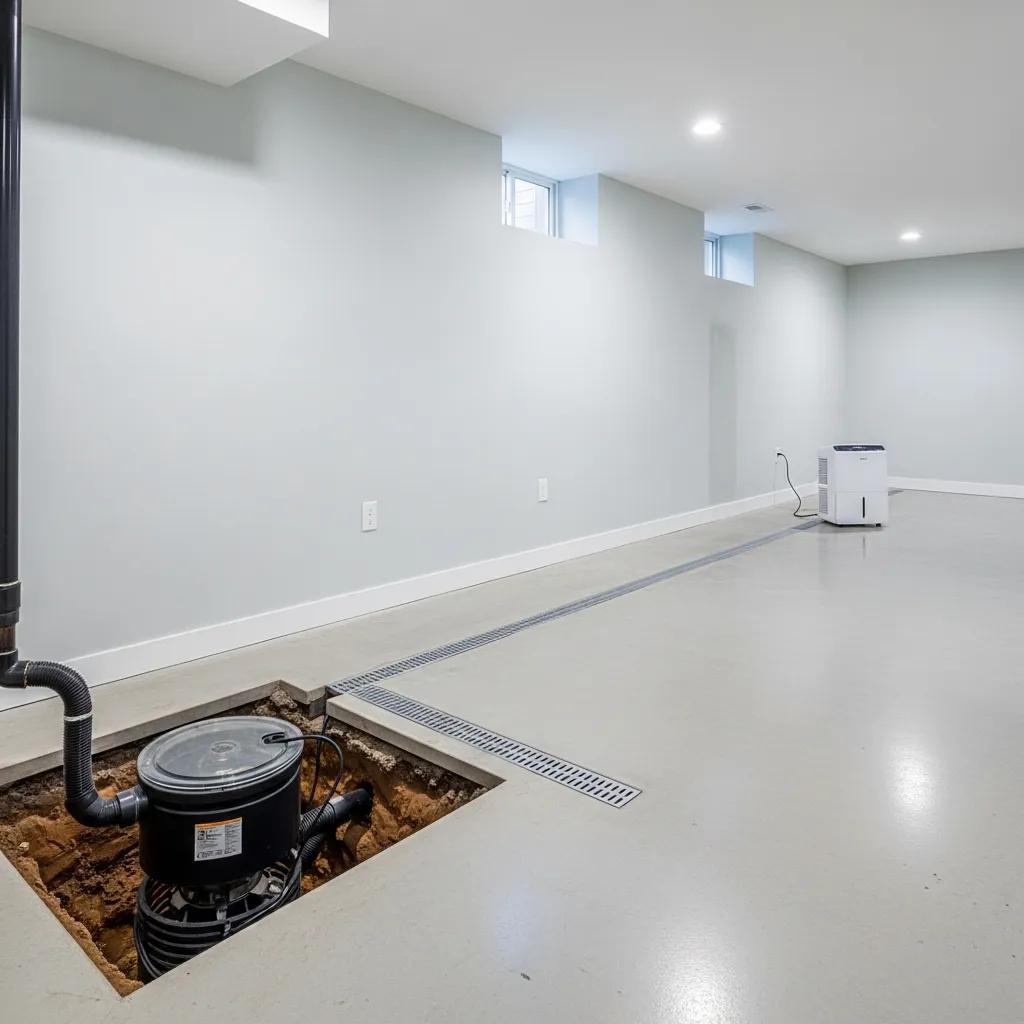
Union County Basement Waterproofing | Effective Waterproofing
Basement waterproofing is a critical aspect of home maintenance, especially for homeowners in Union County, New Jersey, where water intrusion can lead to significant structural damage and health risks. This article will explore the various causes of basement water problems, effective waterproofing methods, and the importance of mold prevention. Homeowners often face challenges such as flooding, moisture control, and mold growth, which can compromise the integrity of their homes. Understanding these issues and implementing effective solutions is essential for maintaining a safe and dry living environment. We will also discuss the costs associated with basement waterproofing and how to request a free inspection from Effective Basement Solutions, a specialized service provider in the area.
Causes of Basement Water Problems
Water intrusion in basements can occur due to several factors, each contributing to the overall risk of damage. Common causes include poor drainage systems, heavy rainfall, and the natural slope of the land. When rainwater accumulates around the foundation, it can seep into the basement, leading to flooding and moisture issues. Additionally, the local climate in Union County, characterized by seasonal variations, can exacerbate these problems. Homeowners should be vigilant for signs of potential water issues, such as damp walls, musty odors, and visible mold growth, as these can indicate underlying water intrusion problems.
Waterproofing Methods
There are several effective methods for waterproofing basements, each designed to address specific issues related to water intrusion.
- Interior Drainage Systems: These systems collect water that seeps into the basement and direct it to a sump pump, preventing flooding.
- Sump Pump Installation: A sump pump is essential for removing accumulated water from the basement, especially during heavy rains.
- Foundation Crack Repair: Sealing cracks in the foundation is crucial to prevent water from entering the basement.
- Mold Mitigation: Addressing mold growth is vital for maintaining a healthy indoor environment, as mold can pose serious health risks.
Effective Basement Solutions offers free inspections to assess your basement’s waterproofing needs and recommend tailored solutions to address water intrusion, flooding, and moisture control.
Interior Drainage Systems
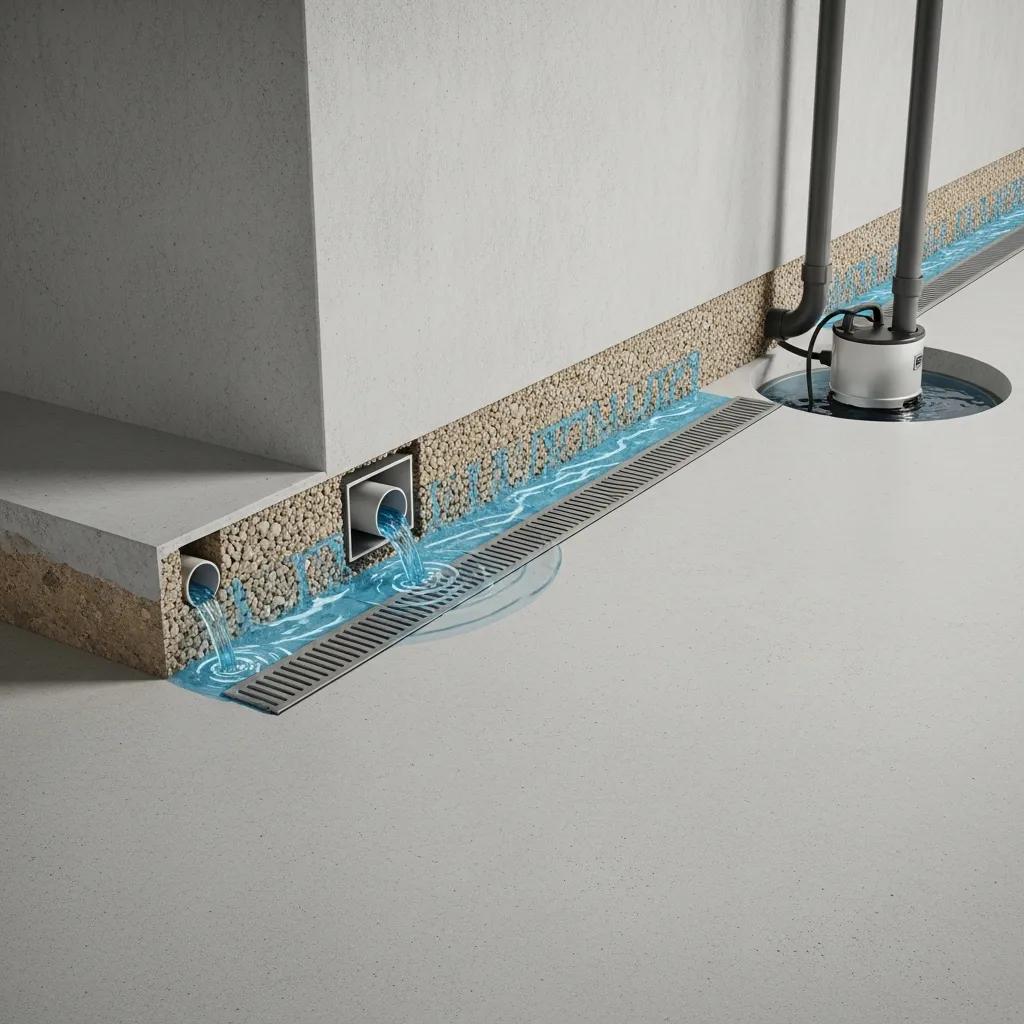
Interior drainage systems are designed to manage water that enters the basement. These systems typically involve the installation of a drainage channel along the perimeter of the basement floor, which collects water and directs it to a sump pump. This method is effective in preventing flooding and managing moisture levels, ensuring a dry and safe environment.
Research further emphasizes the importance of such systems in mitigating urban flooding and protecting homes.
Basement Flood Mitigation & Foundation Drainage Systems
The increase in frequency and severity of urban flooding events affecting many regions across North America has resulted in increases in occurrence of basement flooding, property damage and insured losses. Numerous lot-scale, watershed and municipal factors affect the risk of flooding for a region, including urbanization and land-use, watershed characteristics and hydrology, municipal infrastructure and stormwater management. Flood management mitigation techniques that are implemented at the building- and lot-scale (or private-side) can reduce the risk of basement flooding for a particular home. These measures include backwater valves to reduce the risk of sewer surcharge into basements, low impact development strategies to reduce runoff entering municipal sewer systems, and foundation drainage systems to reduce the risk of infiltration flooding.
Reducing the risk of basement flooding through building-and lot-scale flood mitigation approaches: performance of foundation drainage systems, B Kaur, 2021
Sump Pump Installation
Sump pumps play a crucial role in basement waterproofing by actively removing water that accumulates in the sump basin. When the water level rises, the pump activates and discharges the water away from the foundation. This proactive approach is essential for preventing water damage and maintaining a dry basement, especially during heavy rainfall.
Foundation Crack Repair
Repairing foundation cracks is a vital step in waterproofing. Cracks can allow water to seep into the basement, leading to significant damage over time. Effective Basement Solutions specializes in identifying and sealing these cracks to prevent water intrusion, ensuring the structural integrity of your home.
Understanding the causes and prevention of building cracks is crucial for maintaining structural integrity and preventing water damage.
Preventing & Repairing Building Cracks for Water Damage
Cracks in building are a common occurrence. It affects the stability and appearance of buildings. So, it is important to understand the cause of cracks and the effective measures should be taken for prevention. Though cracks in concrete cannot be prevented entirely but they can be prevented by using proper material and technique of construction and considering criteria. Sometimes water penetrates through cracks in building and cause severe damage to building. There are many reason of occurrence of cracks like moisture, thermal movement, elastic deformation, chemical reaction, foundation movement, vegetation and earthquake. We all dream of a house structurally safe and aesthetically beautiful but it is not so easy. So, timely identification of such cracks and adopting preventive measures is essential. In this paper, we will discuss about the methodology for prevention and repair of cracks in building.
Methodology for prevention and repair of cracks in building, 2018
Mold Prevention
Preventing mold growth in basements is essential for maintaining a healthy living environment. Mold thrives in damp conditions, making it crucial to address any moisture issues promptly. Effective waterproofing methods, such as installing drainage systems and sump pumps, play a significant role in mold prevention. Homeowners should also consider using dehumidifiers to control humidity levels and regularly inspect their basements for signs of mold growth.
Health Risks Associated with Mold
Mold can pose serious health risks, particularly for individuals with respiratory issues or allergies. Exposure to mold spores can lead to symptoms such as coughing, sneezing, and skin irritation. In severe cases, prolonged exposure can result in more serious health complications. Therefore, addressing mold growth through effective waterproofing and moisture control is essential for safeguarding your family’s health.
The detrimental impact of mold on human health is a well-documented concern, highlighting the necessity of prevention.
Health Effects of Indoor Mold Exposure
Molds are multicellular fungi that are ubiquitous in outdoor and indoor environments. For humans, they are both beneficial (for the production of antimicrobial agents, chemotherapeutic agents, and vitamins) and detrimental. Exposure to mold can occur through inhalation, ingestion, and touching moldy surfaces. Adverse health effects may occur through allergic, infectious, irritant, or toxic processes. The cause-and-effect relationship between mold exposure and allergic and infectious illnesses is well known. Exposures to toxins via the gastrointestinal tract also are well described. However, the cause-and-effect relationship between inhalational exposure to mold toxins and other untoward health effects (eg, acute idiopathic pulmonary hemorrhage in infants and other illnesses and health complaints) is controversial and requires additional investigation. In this report we examine evidence of fungal-related illnesses and the unique aspects of mold exposure to children. Mold-remediation pro
Spectrum of noninfectious health effects from molds, 2006
Effective Mold Prevention Strategies
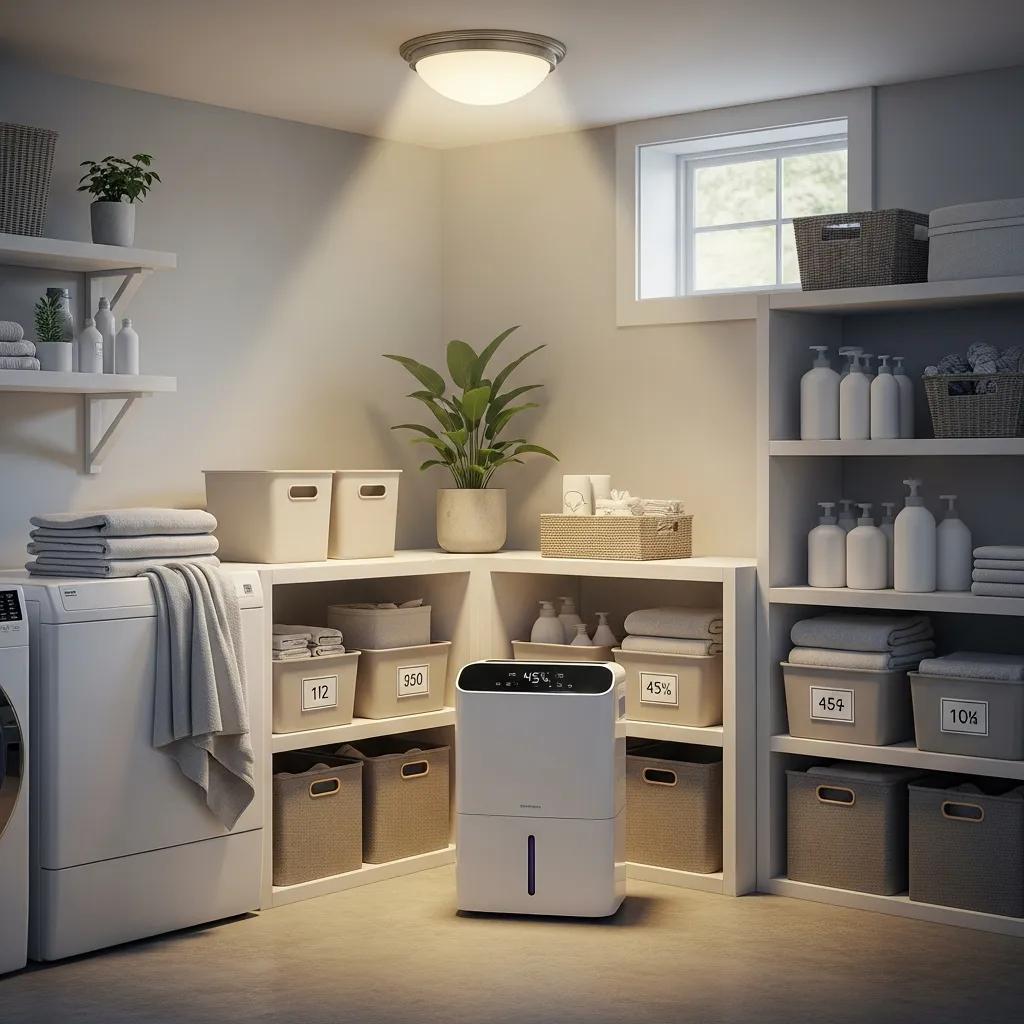
To effectively prevent mold growth, homeowners should implement several strategies:
- Regular Inspections: Conduct routine checks for signs of moisture and mold.
- Proper Ventilation: Ensure adequate airflow in the basement to reduce humidity levels.
- Use of Dehumidifiers: Employ dehumidifiers to maintain optimal humidity levels and prevent mold growth.
Cost of Basement Waterproofing
Understanding the costs associated with basement waterproofing is essential for homeowners considering this investment. The average costs can vary based on the chosen waterproofing method, the size of the basement, and the extent of the water issues.
- Interior Drainage Systems: Typically range from $1,500 to $5,000, depending on the complexity of the installation.
- Sump Pump Installation: Costs can range from $800 to $1,500, depending on the type and capacity of the pump.
- Foundation Crack Repair: This can cost between $300 and $2,500, depending on the severity of the cracks.
Factors affecting pricing include the condition of the existing foundation, the need for additional repairs, and the specific waterproofing solutions required. Homeowners should also explore financing options available through service providers like Effective Basement Solutions.
Average Costs for Different Waterproofing Methods
| Waterproofing Method | Average Cost Range |
|---|---|
| Interior Drainage Systems | $1,500 – $5,000 |
| Sump Pump Installation | $800 – $1,500 |
| Foundation Crack Repair | $300 – $2,500 |
This table provides a clear overview of the potential costs associated with various waterproofing methods, helping homeowners make informed decisions.
Requesting a Free Inspection
For homeowners in Union County, requesting a free inspection is a crucial first step in addressing basement water issues. Effective Basement Solutions offers complimentary assessments to evaluate the condition of your basement and recommend tailored waterproofing solutions.
Steps to Request an Inspection
- Contact Effective Basement Solutions: Reach out via phone or email to schedule your free inspection.
- Prepare Your Basement: Clear any obstacles that may hinder the inspection process.
- Discuss Your Concerns: Share any specific issues you’ve noticed, such as water stains or mold growth.
What to Expect During the Inspection
During the inspection, a qualified technician will assess the basement for signs of water intrusion, evaluate the existing drainage systems, and identify any potential issues. Following the assessment, you will receive a detailed report outlining the recommended waterproofing solutions tailored to your home’s needs.
Importance of Timely Inspections
Timely inspections are essential for preventing minor water issues from escalating into major problems. By addressing water intrusion early, homeowners can save on costly repairs and maintain a safe and healthy living environment.
