Cranford, NJ Basement Waterproofing: Your Complete Homeowner’s Guide
Basement waterproofing is a crucial aspect of home maintenance, especially for homeowners in Cranford, NJ, where the local climate and soil conditions can lead to significant water issues. This guide aims to educate homeowners about the common problems associated with basement flooding, the signs that indicate a need for waterproofing, and the various methods available to address these issues. Understanding these elements is essential for protecting your home from water damage and ensuring a safe living environment. In this article, we will explore the common causes of basement flooding, effective waterproofing methods, associated costs, and expert recommendations for maintaining a dry basement.
Comprehensive Local Guide for Homeowners in Cranford, NJ on Basement Waterproofing
Homeowners in Cranford face unique challenges when it comes to basement waterproofing due to the area’s high water table and clay soils. These conditions can lead to frequent water intrusion, making it essential for residents to be proactive in addressing potential issues. This guide provides an overview of the common problems, signs of a wet basement, and the importance of waterproofing solutions tailored to the local environment.
Common Issues
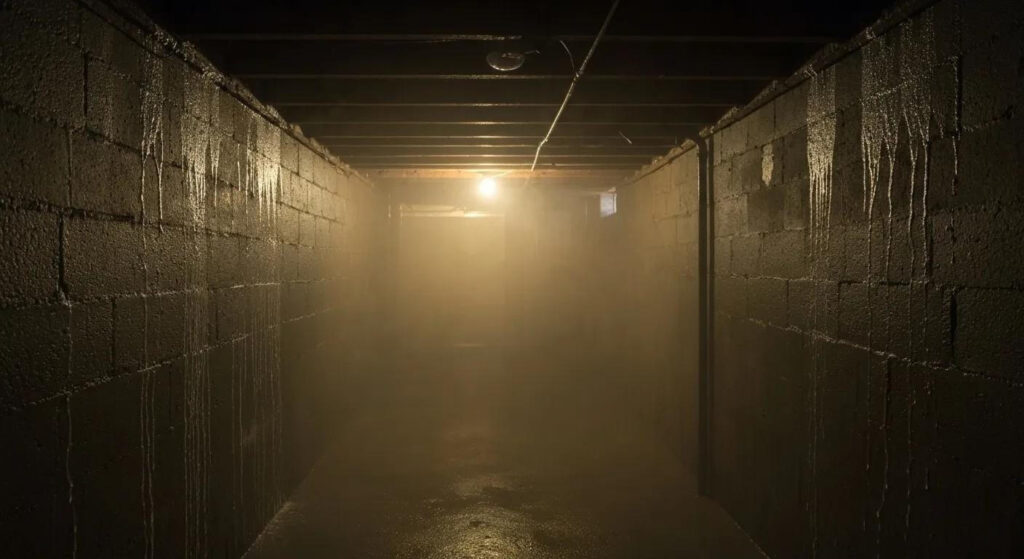
Several common issues can lead to basement flooding in Cranford, NJ. These include:
- High Water Table: The proximity of groundwater can cause water to seep into basements, especially during heavy rainfall.
- Clay Soils: The dense nature of clay soils can prevent proper drainage, leading to water accumulation around the foundation.
- Foundation Cracks: Over time, cracks can develop in the foundation, allowing water to enter the basement.
Understanding these issues is the first step in preventing water damage and ensuring the longevity of your home.
Signs of a Wet Basement
Identifying the signs of a wet basement early can save homeowners from costly repairs. Common indicators include:
- Dampness: Noticeable moisture on walls or floors is a clear sign of water intrusion.
- Mold Growth: The presence of mold or mildew indicates excessive moisture, which can pose health risks.
- Visible Cracks: Cracks in the walls or floor can allow water to seep in, signaling the need for immediate attention.
Recognizing these signs can help homeowners take action before the situation worsens.
Waterproofing Methods
There are several effective waterproofing methods available to homeowners in Cranford, NJ. These methods include:
- Interior Waterproofing: This involves sealing walls and floors with waterproof membranes to prevent moisture from entering.
- Exterior Waterproofing: This method includes excavating around the foundation and applying a waterproof barrier to keep water out.
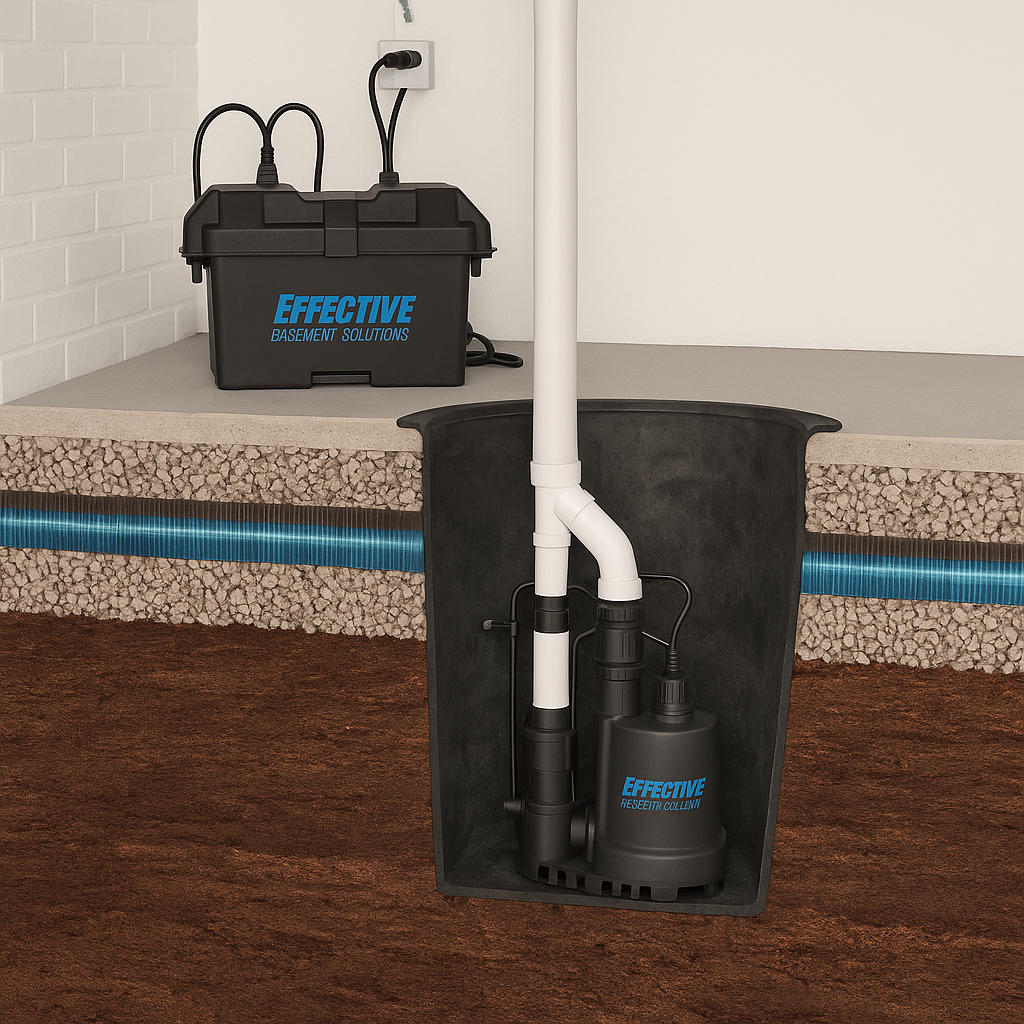
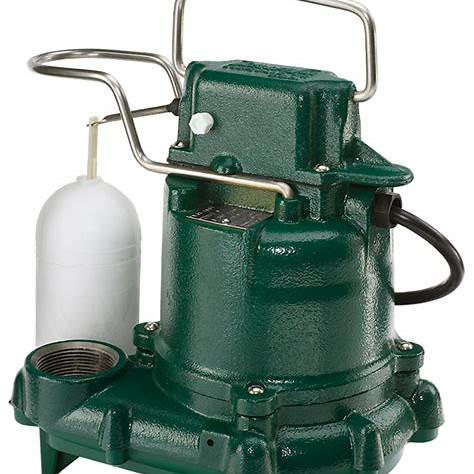
- Sump Pump Installation: A sump pump can be installed to remove any water that does enter the basement, preventing flooding.
Effective Basement Solutions specializes in providing customized waterproofing services tailored to the specific needs of Cranford homeowners.
Costs
The cost of basement waterproofing can vary based on several factors, including:
- Size of the Basement: Larger basements typically require more materials and labor, increasing costs.
- Soil Conditions: The type of soil can affect the complexity of the waterproofing process.
- Extent of Leaks: More severe leaks may require additional repairs and waterproofing measures.
To give homeowners a clearer understanding of potential costs, here is a comparison of different waterproofing services:
| Service | Cost | Description |
|---|---|---|
| Interior Waterproofing | $1,500 – $3,500 | Sealing walls and floors to prevent moisture intrusion. |
| Exterior Waterproofing | $3,500 – $8,000 | Excavating and applying a waterproof barrier around the foundation. |
| Sump Pump Installation | $1,200 – $3,000 | Installing a sump pump to remove water from the basement. |
Investing in waterproofing can significantly enhance the value of your home and prevent future damage.
Return on Investment
Investing in basement waterproofing offers several benefits, including:
- Increased Home Value: A dry basement can enhance the overall value of your property.
- Improved Living Conditions: Waterproofing helps create a healthier living environment by preventing mold and mildew.
- Preventing Future Damage: Proper waterproofing can save homeowners from costly repairs down the line.
These benefits make waterproofing a wise investment for homeowners looking to protect their property.
Expert Recommendations
When considering basement waterproofing, experts recommend the following:
- Choose Local Experts: Hiring a contractor familiar with Cranford’s specific challenges can lead to better results.
- Free Consultations: Many companies, including Effective Basement Solutions, offer free consultations to assess your needs.
- Lifetime Warranties: Look for services that provide warranties to ensure long-term protection.
Effective Basement Solutions is committed to providing tailored waterproofing plans that meet the unique needs of Cranford homeowners.
Maintenance Tips
Maintaining a waterproofed basement is essential for long-term effectiveness. Here are some tips:
- Regular Inspections: Schedule periodic inspections to identify any potential issues early.
- Gutter Maintenance: Ensure gutters are clean and functioning properly to direct water away from the foundation.
- Landscaping Considerations: Adjust landscaping to promote proper drainage away from the home.
These maintenance practices can help ensure your basement remains dry and protected.
What Are the Common Causes of Basement Flooding in Cranford NJ?
Basement flooding in Cranford can be attributed to several common causes. The high water table in the area often leads to groundwater seeping into basements, especially during heavy rainfall. Additionally, the clay soils prevalent in the region do not drain well, exacerbating the problem. Foundation cracks, which can develop over time due to settling or shifting, also allow water to enter the basement. Understanding these causes is crucial for homeowners to take preventive measures.
How Does Local Water Table and Climate Affect Basement Flooding?
The local water table and climate play significant roles in basement flooding. Cranford’s climate, characterized by seasonal rainfall, can lead to increased groundwater levels. When the water table rises, it can exert pressure on the foundation, causing water to seep into the basement. Homeowners must be aware of these environmental factors to implement effective waterproofing solutions.
What Role Do Foundation Cracks and Drainage Issues Play?
Foundation cracks and drainage issues are critical factors in basement flooding. Cracks can develop due to various reasons, including soil movement and temperature changes. These cracks create pathways for water to enter the basement. Additionally, inadequate drainage systems can lead to water pooling around the foundation, increasing the risk of flooding. Addressing these issues promptly is essential for maintaining a dry basement.
One effective strategy for addressing excessive inflow and infiltration, which often leads to basement flooding, involves the disconnection of foundation footing drains.
Footing Drain Disconnection for Basement Flooding Prevention
Many communities are actively seeking ways to control the excessive inflow and infiltration (I/I) that plague their sewer systems. This wet weather flow can cause sanitary sewer overflows (SSOs) and basement flooding, when affecting sewer systems with insufficient flow capacities.Residents of the city of Ann Arbor, Michigan (population 114,775) have experienced basement backup problems dating back to 1968. Additional widespread backup events occurred in 1975, 1976, 1998, and 2000. Ann Arbor created a task force in 1999 to evaluate options and determine a plan for preventing basement backups and SSOs. The group consisted of city staff, residents from the affected areas, local environmental organizations, and professionals. The task force found that capacity problems observed in many of the sanitary sewers were primarily the result of stormwater from foundation footing drains located
Effective I/I Removal with Footing Drain Disconnection as a Solution for SSO and Basement Flooding, 2005
How Can Homeowners Identify Signs That Their Basement Needs Waterproofing?
Homeowners can identify the need for waterproofing by looking for specific signs. Common indicators include dampness on walls and floors, mold growth, and visible cracks in the foundation. If any of these signs are present, it is crucial to take action to prevent further damage. Regular inspections can help homeowners catch these issues early.
What Are Visible Indicators of Basement Moisture and Water Damage?
Visible indicators of basement moisture and water damage include:
- Water Stains: Dark stains on walls or floors indicate past or present water intrusion.
- Peeling Paint: Paint that is peeling or bubbling can be a sign of moisture behind the walls.
- Musty Odors: A persistent musty smell often indicates mold growth due to excess moisture.
Recognizing these indicators can help homeowners take timely action to address moisture issues.
How Does Mold Growth Signal Basement Waterproofing Needs?
Mold growth is a clear signal that a basement requires waterproofing. Mold thrives in damp environments, and its presence indicates that moisture is entering the space. Not only does mold pose health risks, but it can also damage the structure of the home. Homeowners should address mold issues immediately by implementing waterproofing solutions to prevent further growth.
What Types of Basement Waterproofing Solutions Are Available in Cranford NJ?
Homeowners in Cranford have access to various basement waterproofing solutions, including:
- Interior Drainage Systems: These systems collect water that seeps into the basement and direct it to a sump pump for removal.
- Exterior Drainage Systems: These systems involve installing drains around the foundation to divert water away from the home.
- Crawl Space Encapsulation: This method seals the crawl space to prevent moisture from entering the basement.
Each solution has its benefits, and homeowners should consult with professionals to determine the best option for their needs.
How Do Interior Drainage Systems and Sump Pump Installations Work?
Interior drainage systems work by collecting water that enters the basement and directing it to a sump pump. The sump pump then removes the water, preventing flooding. This system is effective in managing water intrusion and keeping the basement dry. Homeowners should ensure that the sump pump is regularly maintained to ensure its effectiveness.
Research further highlights the critical role sump pumps play in mitigating private infiltration and inflow, demonstrating their effectiveness in real-world applications.
Sump Pump Effectiveness for Residential Basement Waterproofing
City of Columbus, Ohio has chosen a source control approach to solve wet weather sanitary sewer overflow problems and achieve Ohio EPA consent decree requirements. The source control approach includes lining private sanitary laterals, redirecting roof downspouts to streets, and installing voluntary sump pumps in residential homes. Past studies and monitoring have demonstrated the effectiveness of lateral lining on reducing private source infiltration/inflow (I/I), however not sufficient monitoring has been performed on effectiveness of sump pump. Prior to implementing the sump pump program in full scale, City of Columbus conducted a pilot project of 118 sump pump installation with 25 sump pumps being monitored for over 18-months since November 2016. The monitoring program is to quantify peak I/I reduction and explore ways to improve sump pump effectiveness.
Monitoring Effectiveness of Sump Pump on Reducing Private Infiltration/Inflow, 2018
What Foundation Crack Repair and Crawl Space Waterproofing Options Exist?
Foundation crack repair options include epoxy injections and polyurethane foam, which seal cracks and prevent water from entering. Crawl space waterproofing involves encapsulating the space with a vapor barrier to keep moisture out. Both methods are essential for maintaining a dry basement and preventing future water damage.
Delving deeper into crack repair, understanding the nuances between epoxy injection and gravity feed methods is crucial for selecting the most appropriate solution for different types of concrete cracks.
Epoxy Injection vs. Gravity Feed for Concrete Crack Repair
One of the potentially effective concrete crack repair methods is filling the crack with epoxy resin (“epoxy”). There are two main repair methods using epoxy: (i) epoxy injection; and (ii) gravity feed with epoxy. In the epoxy injection method, the epoxy is injected under pressure into the cracks, while the gravity feed by epoxy method uses a thin epoxy to penetrate and fill the crack by gravity alone. Although these two methods have some similarities, their applications and objectives vary. It is crucial to assess and determine the cause(s) of the cracking and understand the objective of the repair prior to repairing any concrete crack. The primary objective of crack repair by gravity feed with epoxy is to fill and seal the cracks that are not moving – for example, shrinkage cracks and settlement cracks that have stabilised. However, the primary objective of the epoxy injection method is to restore the structural integrity and the resistance to penetration of the concrete element by aggressive liquids.
Crack Repair by Epoxy–Injection Method vs. Gravity Feed Method, 2025
How Does Effective Basement Solutions Provide Customized Waterproofing Services?
Effective Basement Solutions offers customized waterproofing services tailored to the specific needs of Cranford homeowners. Their team conducts thorough inspections to assess the unique challenges each home faces. Based on this assessment, they develop a comprehensive waterproofing plan that addresses the specific issues identified.
What Is Included in the Free Inspection Process?
The free inspection process includes a detailed assessment of the basement and surrounding areas. Professionals will look for signs of moisture intrusion, foundation cracks, and drainage issues. Homeowners will receive a comprehensive report outlining the findings and recommended solutions to address any identified problems.
How Are Waterproofing Plans Tailored to Cranford NJ Homes?
Waterproofing plans for Cranford homes are tailored based on several factors, including the home’s age, foundation type, and local soil conditions. Effective Basement Solutions takes these factors into account to develop a plan that effectively addresses the specific challenges faced by each homeowner.
What Are the Costs and Financing Options for Basement Waterproofing in Cranford NJ?
The costs of basement waterproofing in Cranford can vary based on the methods used and the extent of the work required. Homeowners can expect to pay between $1,500 and $8,000, depending on the chosen solutions. Effective Basement Solutions offers financing options to help homeowners manage these costs effectively.
How Much Does Basement Waterproofing Typically Cost in NJ?
In New Jersey, the typical cost for basement waterproofing ranges from $1,500 to $8,000. Factors influencing the cost include the size of the basement, the severity of the water issues, and the specific waterproofing methods employed. Homeowners should obtain multiple quotes to ensure they receive the best value for their investment.
What Financing Solutions Are Available for Homeowners?
Homeowners can explore various financing solutions for basement waterproofing, including low-interest loans and payment plans offered by contractors. Effective Basement Solutions provides flexible financing options to help homeowners manage the costs associated with waterproofing their basements.
How Can Homeowners Prevent Mold and Control Moisture After Waterproofing?
After waterproofing, homeowners can take several steps to prevent mold and control moisture:
- Maintain Proper Ventilation: Ensure that the basement is well-ventilated to reduce humidity levels.
- Use Dehumidifiers: Installing dehumidifiers can help control moisture levels in the basement.
- Regular Inspections: Conducting regular inspections can help identify any potential moisture issues before they escalate.
Implementing these strategies can help maintain a dry and healthy basement environment.
What Are Effective Mold Prevention Strategies for Basements?
Effective mold prevention strategies for basements include:
- Controlling Humidity: Keeping humidity levels below 60% can help prevent mold growth.
- Sealing Cracks: Regularly inspecting and sealing any cracks in the foundation can prevent moisture intrusion.
- Using Mold-Resistant Products: When renovating, consider using mold-resistant paints and materials to reduce the risk of mold growth.
These strategies can significantly reduce the likelihood of mold developing in the basement.
How Does Moisture Control Complement Waterproofing Efforts?
Moisture control is an essential complement to waterproofing efforts. While waterproofing prevents water from entering the basement, moisture control measures help manage humidity levels and prevent condensation. Together, these strategies create a comprehensive approach to maintaining a dry and healthy basement environment.
How to Choose the Right Basement Waterproofing Contractor in Cranford NJ?
Choosing the right basement waterproofing contractor involves several considerations:
- Experience and Expertise: Look for contractors with a proven track record in basement waterproofing.
- Local Knowledge: A contractor familiar with Cranford’s specific challenges can provide better solutions.
- Customer Reviews: Check reviews and testimonials to gauge the quality of service provided.
Effective Basement Solutions stands out as a trusted provider in the Cranford area, offering expert services tailored to local needs.
What Credentials and Local Expertise Should You Look For?
When selecting a basement waterproofing contractor, consider their credentials and local expertise. Look for certifications from recognized industry organizations and a history of successful projects in the Cranford area. This ensures that the contractor is knowledgeable about the specific challenges faced by homeowners in the region.
Why Choose Effective Basement Solutions Over Competitors?
Effective Basement Solutions offers several advantages over competitors, including:
- Customized Solutions: They provide tailored waterproofing plans based on individual homeowner needs.
- Free Consultations: Homeowners can benefit from free inspections and consultations to assess their specific situations.
- Lifetime Warranties: Their services come with warranties, providing peace of mind for homeowners.
These factors make Effective Basement Solutions a top choice for basement waterproofing in Cranford, NJ.
What Are Frequently Asked Questions About Basement Waterproofing in Cranford NJ?
Homeowners often have questions about basement waterproofing, including:
- How long does basement waterproofing last?: With proper maintenance, waterproofing can last for many years, often exceeding a decade.
- Can waterproofing prevent future water damage and mold?: Yes, effective waterproofing significantly reduces the risk of water damage and mold growth in the basement.
- What should I do if I notice signs of water intrusion after waterproofing?: Contact your waterproofing contractor immediately to assess the situation and determine if additional measures are needed.
These FAQs address common concerns and help homeowners make informed decisions about their waterproofing needs.
