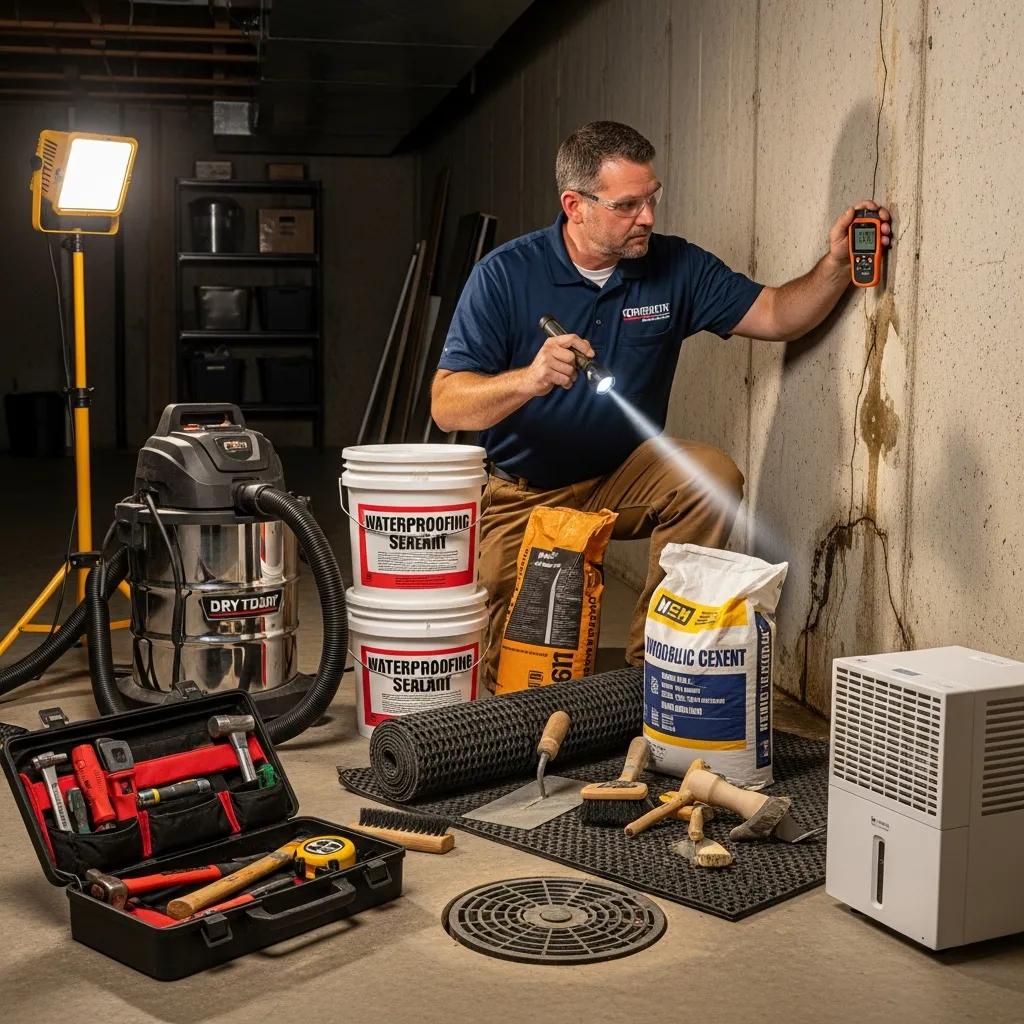
Basement Waterproofing Bridgewater NJ | Effective Basement Solutions: Comprehensive Guide to Protecting Your Home
Basement waterproofing is essential for homeowners in Bridgewater, NJ, as it protects against water intrusion and potential damage to the foundation. This comprehensive guide will explore the causes of basement water issues, the best waterproofing solutions, and how to choose the right contractor for your needs. Many homeowners face challenges with moisture and leaks, which can lead to mold growth and structural damage. Understanding the factors that contribute to these problems and the available solutions can help you maintain a safe and dry living space. In this article, we will cover the causes of water intrusion, effective waterproofing methods, and maintenance strategies to keep your basement in optimal condition.
What Causes Basement Water Intrusion in Bridgewater NJ Homes?
Water intrusion in basements can occur due to several factors, particularly in Bridgewater, NJ. Hydrostatic pressure, which builds up when water saturates the soil around the foundation, is a primary cause. This pressure can force water through cracks in the foundation walls or floor. Additionally, foundation cracks can develop over time due to settling or shifting soil, allowing water to seep in. Poor surface drainage, such as inadequate grading or blocked gutters, can also contribute to water pooling near the foundation, increasing the risk of leaks.
Research further highlights the widespread nature of basement water issues, often stemming from systemic failures like hydrostatic pressure and inadequate drainage.
Leaking Basements: Causes, Cures, & Hydrostatic Pressure Solutions
One need only consult the local Yellow Pages under ‘Waterproofing Contractors’ to appreciate the scale of the leaking basement epidemic in the United States. This paper draws from a detailed case history to look at its causes, financial ramifications, and ideas on mitigation. It concludes that most often the failures are systemic involving multiple factors, but that very significant among these is the role of the downspout drain, its frequent deterioration over time and consequent loss of functionality. This is compounded by poor design decisions that have resulted in walls unable to support the lateral loads that are created when hydrostatic pressures develop. Solutions range from proactive maintenance to strengthening of walls. However, there must first be more public awareness of the causes and liabilities involved, and this may best be accomplished through more focused attention when property transfers occur.
The Leaking Basement Epidemic–Causes, Cures and Consequences
Common Sources of Basement Leaks and Moisture Problems
Identifying the common sources of basement leaks is crucial for effective prevention. Some of the most frequent culprits include:
- Hydrostatic Pressure: Water buildup around the foundation can lead to leaks.
- Foundation Cracks: Structural issues can create openings for water to enter.
- Poor Drainage and Grading: Inadequate surface drainage can cause water to pool near the foundation.
Understanding these sources can help homeowners take proactive measures to mitigate water intrusion.
How NJ's Climate Influences Basement Water Issues
New Jersey’s climate plays a significant role in basement water problems. The state experiences moderate to high annual precipitation, which can saturate the ground and increase hydrostatic pressure. Additionally, freeze-thaw cycles can exacerbate foundation cracks, allowing water to penetrate more easily. The clay-rich soils common in the area can retain moisture, further contributing to water intrusion issues. Homeowners must be aware of these climatic factors to implement effective waterproofing solutions.
Which Are the Best Waterproofing Solutions for Basements in Bridgewater NJ?
When it comes to waterproofing basements in Bridgewater, several effective solutions are available:
- Comprehensive Waterproofing Services: These services often include a combination of methods tailored to the specific needs of the home.
- Sump Pump Installation: A sump pump can effectively remove excess water from the basement, preventing flooding.
- French Drain Installation: This system redirects water away from the foundation, reducing hydrostatic pressure.
Effective Basement Solutions offers a range of waterproofing services designed to protect your home from water damage. Their expertise ensures that your basement remains dry and safe.
Professional Basement Waterproofing Services Overview
Professional basement waterproofing services provide comprehensive solutions to address water intrusion issues. These services typically include expert diagnostics to identify the root causes of moisture problems, as well as tailored solutions to mitigate them. Homeowners can benefit from free consultations, allowing them to understand their options and make informed decisions. Engaging professionals ensures that the work is done correctly and adheres to local building codes.
Moisture Control Systems and Their Benefits
Moisture control systems are essential for maintaining a dry basement environment. These systems help reduce the risk of mold growth, improve indoor air quality, and enhance energy efficiency. By managing humidity levels, homeowners can create a healthier living space and protect their property from water damage. Implementing a moisture control system is a proactive step toward long-term basement health.
How Does Sump Pump Installation Protect Your Bridgewater NJ Basement?
Sump pump installation is a critical component of basement waterproofing. These pumps work by removing excess water that accumulates in the sump basin, preventing flooding and water damage. By effectively managing water levels, sump pumps also reduce the risk of mold growth and protect the foundation from hydrostatic pressure. Homeowners can enjoy peace of mind knowing their basements are safeguarded against water intrusion.
Indeed, effective solutions like hydrostatic pressure relief are crucial for maintaining dry basements and preventing water damage.
Hydrostatic Pressure Relief for Dry Basements
HPR releases high water pressure, keeping building basements free of water damage, leakage and moisture. HPR deserves a higher level of public awareness and popularity.
Relief of hydrostatic pressure to maximise the occupancy of underground spaces, 2016
Understanding Sump Pump Functionality and Types
Sump pumps come in various types, each designed to meet specific needs. The two main types are submersible and pedestal pumps. Submersible pumps are installed below the water level and are typically more efficient, while pedestal pumps are positioned above the sump basin and are easier to service. Additionally, battery backup options are available to ensure continued operation during power outages. Understanding these differences can help homeowners choose the right sump pump for their needs.
Benefits of Professional Sump Pump Installation
Having a sump pump professionally installed offers several advantages:
- Correct Sizing and Placement: Professionals ensure that the pump is appropriately sized for the basement’s needs.
- Compliance with Local Codes: Expert installation adheres to local regulations, ensuring safety and effectiveness.
- Thorough Testing: Professionals conduct tests to verify that the sump pump operates correctly and efficiently.
Investing in professional installation can enhance the reliability and longevity of your sump pump system.
What Is the Cost of Basement Waterproofing in Bridgewater NJ?
The cost of basement waterproofing in Bridgewater can vary based on several factors, including the methods used and the extent of the work required. Homeowners can expect to pay for services such as interior and exterior waterproofing, sump pump installation, and drainage system installation. Understanding the cost breakdown can help homeowners budget effectively for these essential services.
Detailed Cost Breakdown for Waterproofing Services
Here is a detailed breakdown of common waterproofing services and their associated costs:
| Service Type | Cost Range | Description |
|---|---|---|
| Interior Waterproofing | $1,500 – $3,000 | Involves sealing walls and floors to prevent leaks. |
| Exterior Waterproofing | $3,000 – $6,000 | Includes excavation and installation of drainage systems. |
| Sump Pump Installation | $1,000 – $2,500 | Installation of a sump pump to manage water levels. |
This breakdown provides a clear understanding of the potential costs associated with basement waterproofing services.
Factors Affecting Pricing and Value Considerations
Several factors can influence the pricing of basement waterproofing services:
- System Type: Different waterproofing methods have varying costs.
- Basement Status: The condition of the basement can affect the complexity of the work.
- Structural Issues: Additional repairs may be necessary if there are significant structural problems.
Homeowners should consider these factors when evaluating their waterproofing options.
How Can You Prevent Mold and Manage Basement Moisture Effectively?
Preventing mold and managing moisture in basements requires a proactive approach. Here are some effective strategies:
- Professional Waterproofing: Engaging experts ensures that the basement is adequately protected against water intrusion.
- Humidity Control: Using dehumidifiers can help maintain optimal humidity levels.
- Regular Inspections: Scheduling routine inspections can identify potential issues before they escalate.
Implementing these strategies can significantly reduce the risk of mold growth and moisture problems.
Mold Prevention Strategies for NJ Basements
To effectively prevent mold in New Jersey basements, consider the following strategies:
- Humidity Management: Keep humidity levels below 60% to inhibit mold growth.
- Ventilation Improvements: Ensure proper ventilation to allow air circulation and reduce moisture buildup.
- Use of Mold-Resistant Materials: Incorporate mold-resistant paints and materials during renovations.
These strategies can help maintain a healthy basement environment and prevent mold-related issues.
Maintaining Optimal Moisture Levels Year-Round
Maintaining optimal moisture levels in basements is crucial for preventing water damage and mold growth. Homeowners can achieve this by:
- Using Dehumidifiers: These devices help control humidity levels effectively.
- Regular Maintenance: Conducting routine checks on waterproofing systems ensures they function correctly.
- Prompt Repairs: Addressing any leaks or cracks immediately can prevent further moisture issues.
By following these practices, homeowners can keep their basements dry and healthy throughout the year.
How to Choose the Right Basement Waterproofing Contractor in Bridgewater NJ?
Selecting the right contractor for basement waterproofing is essential for ensuring quality work. Homeowners should consider the following factors:
- Qualifications and Certifications: Verify that the contractor has the necessary licenses and certifications.
- Experience and Expertise: Look for contractors with a proven track record in basement waterproofing.
- Warranty Programs: Ensure that the contractor offers warranties on their work for added peace of mind.
Taking the time to choose a qualified contractor can lead to successful waterproofing outcomes.
Key Qualities of Trusted Local Waterproofing Experts
When searching for a reliable waterproofing expert, consider these key qualities:
- Licensing and Insurance: Ensure the contractor is licensed and carries liability insurance.
- In-House Teams: Look for companies that employ their own staff rather than subcontracting work.
- Transparent Estimates: A trustworthy contractor should provide clear and detailed estimates without hidden fees.
These qualities can help homeowners find a reputable contractor for their waterproofing needs.
Questions to Ask Before Hiring a Contractor
Before hiring a basement waterproofing contractor, homeowners should ask the following questions:
- License and Insurance Verification: Can you provide proof of your license and insurance?
- Warranty Details: What warranties do you offer on your work?
- Local References: Can you provide references from previous clients in the area?
Asking these questions can help ensure that homeowners make informed decisions when selecting a contractor.
What Are the Latest NJ Regulations and Industry Standards for Basement Waterproofing?
Staying informed about the latest regulations and industry standards for basement waterproofing is essential for compliance and safety. Key considerations include:
- Compliance with Local Building Codes: Ensure that all work adheres to local regulations.
- Sump Pump Discharge Regulations: Understand the requirements for sump pump discharge to prevent environmental issues.
- Groundwater Management Systems: Familiarize yourself with regulations regarding groundwater management to ensure proper practices.
Being aware of these regulations can help homeowners navigate the waterproofing process effectively.
Understanding Local Building Codes and Compliance
Navigating local building codes for basement waterproofing can be complex. Homeowners should:
- Familiarity with Relevant Codes: Research local codes that apply to waterproofing projects.
- Consulting Licensed Professionals: Work with licensed contractors who understand compliance requirements.
- Reviewing Industry Certifications: Ensure that contractors have the necessary certifications to perform the work.
Understanding these aspects can help homeowners ensure that their waterproofing projects meet all legal requirements.
Incorporating NJ DEP and EPA Guidelines in Waterproofing
Incorporating environmental guidelines from the New Jersey Department of Environmental Protection (NJ DEP) and the Environmental Protection Agency (EPA) is crucial for responsible waterproofing. Key considerations include:
- Compliance with Local Regulations: Ensure that all waterproofing practices adhere to environmental regulations.
- Testing for Radon: Conduct radon testing in basements to ensure safety.
- Maintaining Indoor Humidity Levels: Follow guidelines for managing indoor humidity to prevent mold growth.
By adhering to these guidelines, homeowners can ensure that their waterproofing efforts are environmentally responsible.
How to Monitor and Maintain Your Basement Waterproofing System Over Time?
Monitoring and maintaining your basement waterproofing system is essential for long-term effectiveness. Homeowners should:
- Regular Maintenance Tasks: Schedule routine maintenance to check for signs of wear or damage.
- Professional Inspections: Engage professionals for periodic inspections to ensure the system is functioning correctly.
- Monitoring for Signs of Moisture: Keep an eye out for any signs of moisture or leaks that may indicate a problem.
By following these practices, homeowners can ensure their waterproofing systems remain effective over time.
Routine Inspection Tips and Maintenance Best Practices
To maintain an effective waterproofing system, consider these routine inspection tips:
- Testing Sump Pumps: Regularly test sump pumps to ensure they are operational.
- Inspecting Drainage Systems: Check drainage systems for blockages or damage.
- Documenting Changes: Keep a record of any changes or repairs made to the waterproofing system.
These best practices can help homeowners stay ahead of potential issues and maintain a dry basement.
When to Schedule Professional Reassessments and Repairs
Scheduling professional reassessments and repairs is crucial for maintaining a waterproof basement. The best times to schedule these services include:
- During Dry Seasons: Take advantage of dry weather to conduct assessments and repairs.
- After Severe Weather Events: Schedule inspections following heavy rain or storms to check for damage.
- Regular Intervals for Maintenance: Establish a routine schedule for professional assessments to ensure ongoing protection.
By being proactive about scheduling, homeowners can prevent minor issues from becoming major problems.
