Summit NJ Basement Waterproofing: Essential Homeowner’s Guide
Basement waterproofing is a critical concern for homeowners in Summit, NJ, where the unique climate can lead to various water-related issues. This comprehensive guide aims to educate homeowners about the common problems associated with basements, the signs of water intrusion, and effective waterproofing methods. Understanding these aspects is essential for preventing water damage and mold growth, which can compromise the integrity of your home and the health of its occupants. In this article, we will explore the common basement water problems in Summit, signs of a wet basement, key waterproofing methods, best practices for prevention, recommended products, and local service providers. By the end, you will have a clear understanding of how to protect your home from water damage.
Indeed, the broader implications of effective waterproofing extend beyond immediate concerns, safeguarding against a multitude of structural and health issues.
Basement Waterproofing: Preventing Leakage, Mold & Structural Damage
Water leakage or water seepage is one of the major causes of common building defects. Leakage leads to dampness, corrosion of metals, fungal growth and also affects the structural properties of concrete as well as damage beauty of the structure. It also has an adverse effect on human health by creating unpleasant condition. If water leakage can be prevented, almost 80% building defects can be eliminated. Thus, selecting the best method for waterproofing plays a vital role in the safety of the structure. In construction, a building or structure can be waterproofed with the use of membranes and coatings to protect contents as well as protecting structural integrity. Waterproofing can be categorized under traditional (tarfelt, Brick bat coba) and advanced (coatings, integral) waterproofing techniques.
Comparative study of conventional and modern waterproofing techniques, AN Ghadge, 2016
Common Basement Water Problems in Summit, NJ
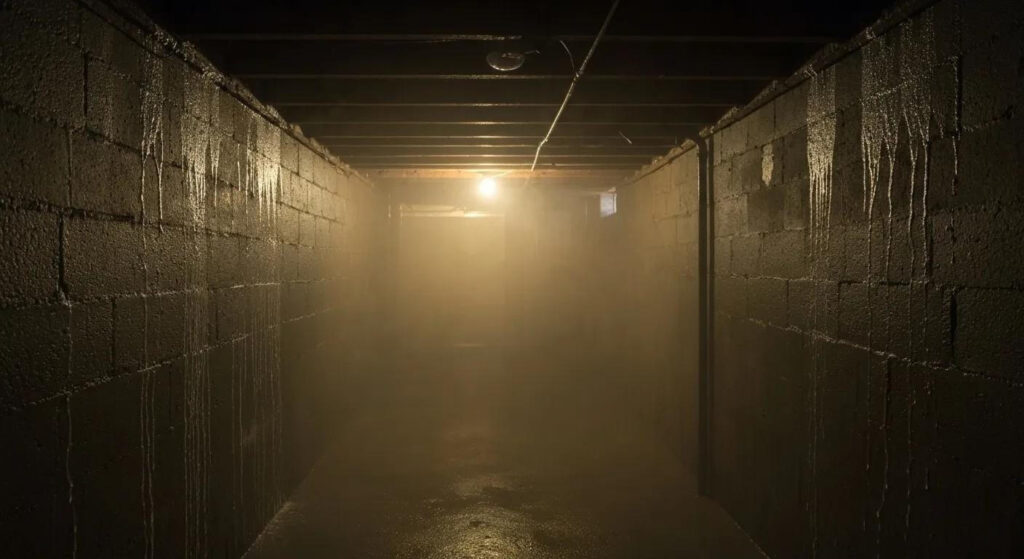
Homeowners in Summit, NJ, often face several common basement water problems that can lead to significant damage if not addressed promptly. These issues typically arise due to the region’s climate and soil conditions.
- Hydrostatic Pressure: This occurs when groundwater exerts pressure against the foundation walls, leading to leaks and seepage.
- Poor Surface Drainage: Improper grading and drainage systems can cause water to pool around the foundation, increasing the risk of water intrusion.
- Soil Movement: Changes in soil moisture levels can lead to soil expansion and contraction, which may compromise the foundation and create cracks.
Understanding these problems is the first step in effectively managing and preventing water intrusion in your basement.
Signs of a Wet Basement
Recognizing the signs of a wet basement is crucial for homeowners to take timely action. Here are some common indicators that your basement may be experiencing moisture issues:
- Musty Odors: A persistent damp smell often indicates mold growth or moisture accumulation.
- Water Marks: Stains on walls or floors can signal previous or ongoing water intrusion.
- Visible Mold Patches: The presence of mold or mildew is a clear sign of excess moisture and should be addressed immediately.
Being aware of these signs can help homeowners take proactive measures to protect their basements from further damage.
Key Waterproofing Methods
Effective waterproofing methods are essential for preventing water intrusion and protecting your basement. Here are some of the most common techniques used in Summit, NJ:
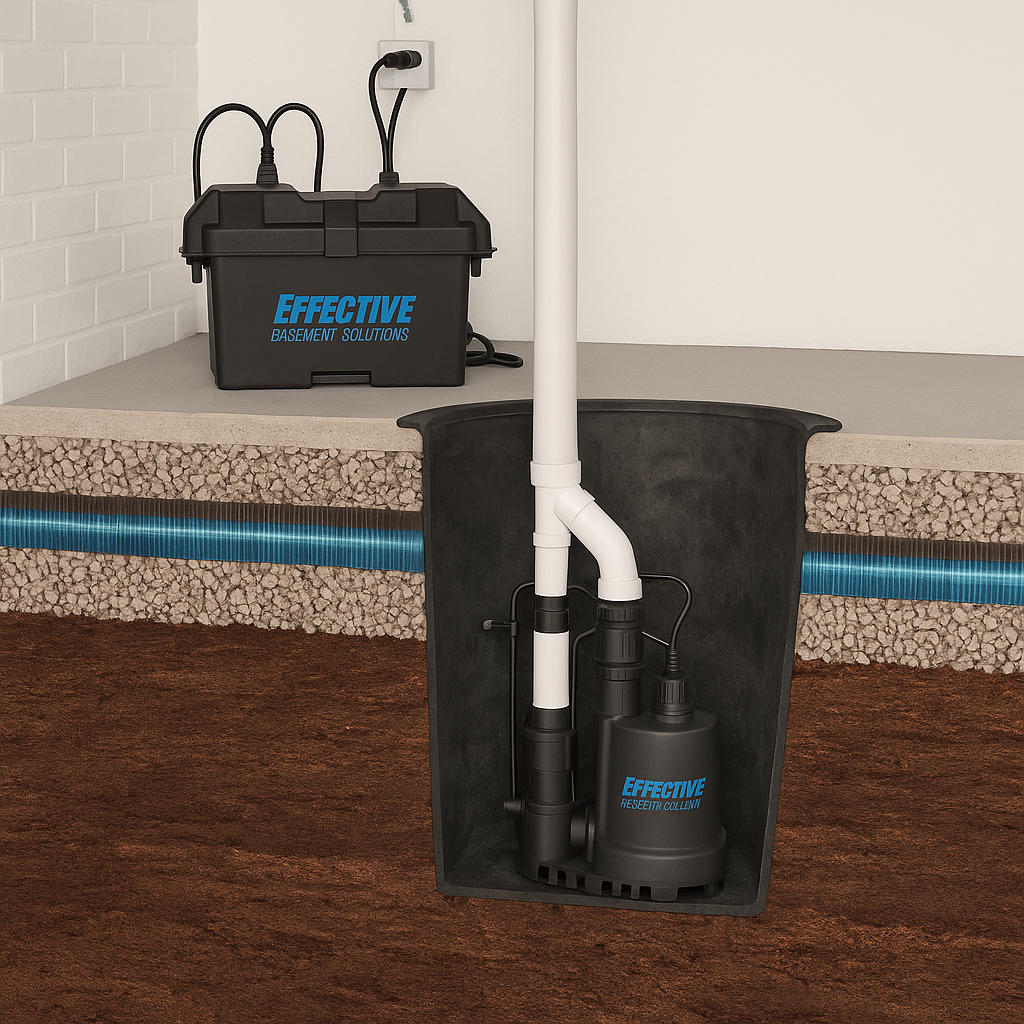
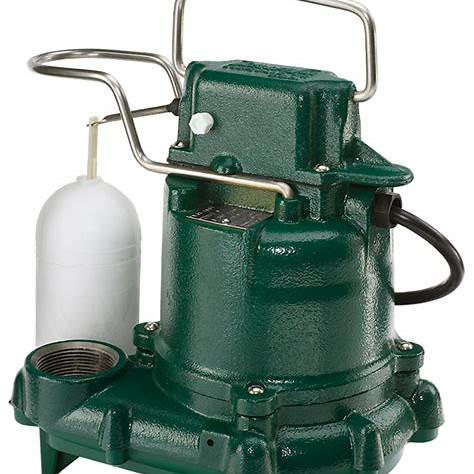
- Sump Pump Installation: A sump pump is crucial for managing water accumulation in the basement. It collects water and pumps it away from the foundation, preventing flooding.
- French Drain Installation: This system diverts water away from the foundation by channeling it through a perforated pipe, reducing hydrostatic pressure.
- Crawl Space Encapsulation: This method involves sealing the crawl space to prevent moisture intrusion, which can lead to mold growth and structural damage.
| Waterproofing Method | Description | Effectiveness |
|---|---|---|
| Sump Pump Installation | Manages water accumulation by pumping it away from the foundation | High |
| French Drain Installation | Diverts water away from the foundation, reducing pressure | High |
| Crawl Space Encapsulation | Seals off the crawl space from moisture | Medium |
These methods can significantly reduce the risk of water damage and mold growth in your basement.
Best Practices for Preventing Water Damage and Mold
Preventing water damage and mold growth requires a proactive approach. Here are some best practices homeowners should follow:
- Gutter Maintenance: Regularly clean and maintain gutters to ensure proper water flow away from the foundation.
- Proper Grading: Ensure that the ground slopes away from the foundation to prevent water pooling.
- Regular Inspections: Conduct routine inspections of the basement and foundation for signs of moisture or damage.
Implementing these practices can help maintain a dry and healthy basement environment.
Beyond general maintenance, addressing specific vulnerabilities like sewage backup is another critical aspect of comprehensive basement protection.
Preventing Basement Water Damage: Sewage Backup Solutions
Protecting Homes from Sewage Backup – Metropolitan Sewer District of Greater Cincinnati’s Water in Basement Prevention ProgramAbstractMany customers of the Metropolitan Sewer District of Greater Cincinnati (MSDGC) have experienced basement backup due to surcharging of the sanitary and combined sewer systems. The surcharging was caused by excessive infiltration and inflow entering the sanitary sewer system and a lack of capacity in the combined sewer system. As part of the Consent Decree that MSDGC signed with the USEPA in 2003, a Water in Basement Program was developed. The Program has three components; these are the Basement Cleanup, the Claims Process and the Water in Basement Prevention Program. The goal of the Water in Basement Prevention Program (WIBPP) was to isolate the affected homes from the sanitary and combined sewer system. The criteria for inclusion in the WIBPP were sewage backups from surcharging of the public sewer system. The possible solutions were backflow valves, wh
Protecting Homes from Sewage Backup-Metropolitan Sewer District of Greater Cincinnati’s Water in Basement Prevention Program, 2007
Recommended Products
To enhance your basement waterproofing efforts, consider using the following products:
- High-Capacity Sump Pumps: These pumps are designed to handle significant water flow, ensuring your basement remains dry.
- Durable French Drain Systems: Investing in a quality French drain system can effectively manage groundwater and prevent flooding.
- Eco-Friendly Sealants: These sealants provide a waterproof barrier while being safe for the environment.
Using the right products can make a significant difference in your basement’s waterproofing effectiveness.
Local Service Providers
When it comes to basement waterproofing, local expertise is invaluable. One recommended provider in Summit, NJ, is Effective Basement Solutions. They offer a range of services, including free inspections and assessments to determine the best waterproofing solutions for your home. With their experience in the industry, they can help homeowners effectively address water intrusion issues.
For more information, you can contact Effective Basement Solutions at 1-800-957-0075.
If you’re considering professional help, basement waterproofing services can provide comprehensive solutions tailored to your specific needs.
For homeowners in Summit, NJ, understanding the nuances of basement waterproofing is crucial for maintaining a healthy and structurally sound home.
