NJ Basement Waterproofing FAQ: 12 Key Questions to Stop Leaks
Basement waterproofing is a critical concern for homeowners in New Jersey, where heavy rainfall and high water tables can lead to significant water intrusion issues. This article addresses the most frequently asked questions about basement waterproofing, providing valuable insights into the causes of basement flooding, signs of water problems, and effective waterproofing solutions. Homeowners will learn how to identify potential risks and the best practices for safeguarding their homes against water damage. With a focus on practical solutions, this guide will help you understand the importance of basement waterproofing and the steps you can take to protect your property. We will explore common causes of basement flooding, signs of water problems, effective waterproofing solutions, and essential questions every homeowner should consider.
Common Causes of Basement Flooding
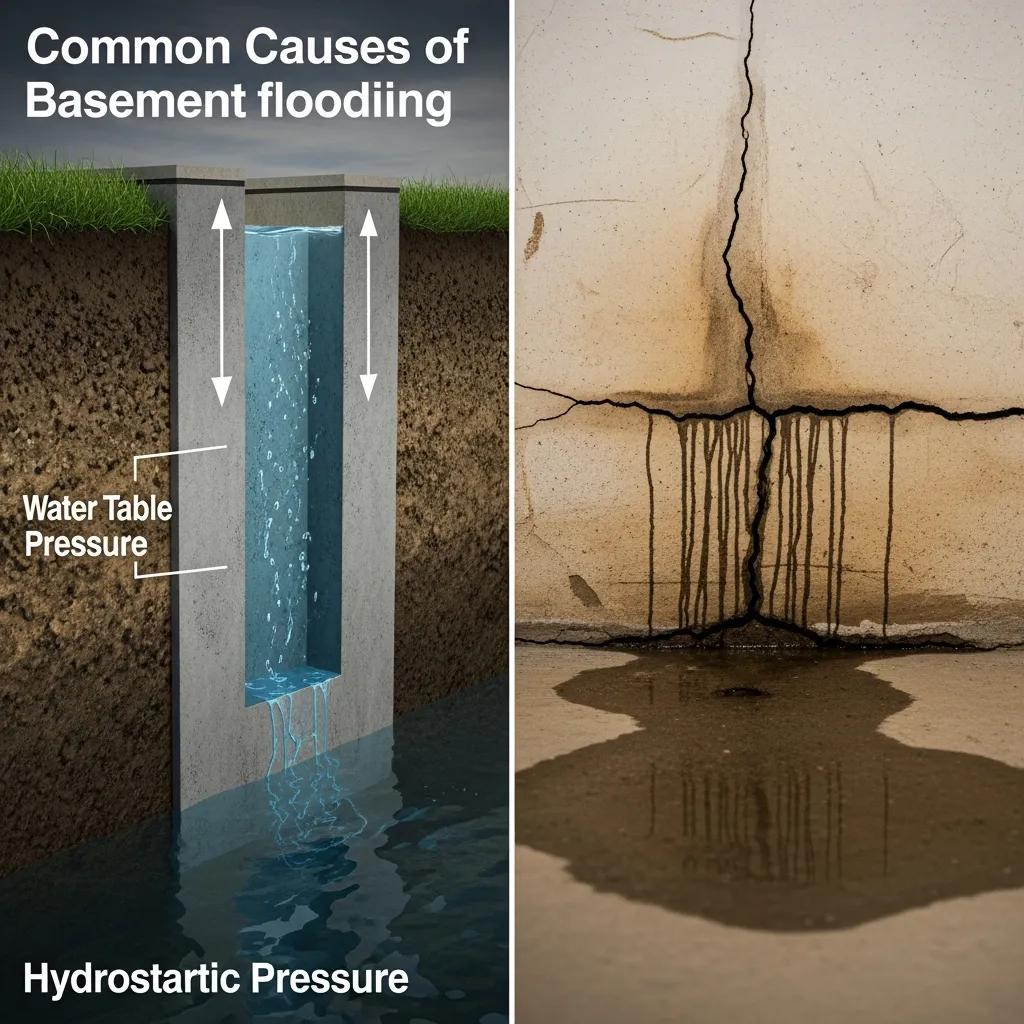
Basement flooding can occur due to various factors, each contributing to water intrusion in different ways. Understanding these causes is essential for effective prevention and remediation.
- Hydrostatic Pressure: This phenomenon occurs when groundwater exerts pressure against the foundation walls, leading to leaks and seepage. When the soil around the foundation becomes saturated, it can push water through cracks and openings.
- Foundation Cracks: Over time, foundations can develop cracks due to settling, temperature changes, or poor construction. These cracks can serve as entry points for water, especially during heavy rains.
- Poor Surface Drainage: If the grading around your home directs water toward the foundation instead of away from it, this can lead to pooling and eventual flooding in the basement.
Further research emphasizes the systemic nature of basement leaks, often involving multiple factors like hydrostatic pressure and drainage issues.
Leaking Basements: Causes, Mitigation, & Hydrostatic Pressure Solutions
One need only consult the local Yellow Pages under ‘Waterproofing Contractors’ to appreciate the scale of the leaking basement epidemic in the United States. This paper draws from a detailed case history to look at its causes, financial ramifications, and ideas on mitigation. It concludes that most often the failures are systemic involving multiple factors, but that very significant among these is the role of the downspout drain, its frequent deterioration over time and consequent loss of functionality. This is compounded by poor design decisions that have resulted in walls unable to support the lateral loads that are created when hydrostatic pressures develop. Solutions range from proactive maintenance to strengthening of walls. However, there must first be more public awareness of the causes and liabilities involved, and this may best be accomplished through more focused attention when property transfers occur.
The Leaking Basement Epidemic–Causes, Cures and Consequences
Recognizing these causes can help homeowners take proactive measures to prevent water intrusion and protect their basements.
Signs of Basement Water Problems
Identifying the signs of water problems in your basement early can save you from costly repairs and health issues related to mold and mildew. Here are some common indicators to watch for:
- Dampness or Musty Odors: A persistent damp smell or visible moisture on walls and floors can indicate water intrusion.
- Water Stains: Look for discoloration or stains on walls and floors, which can signal past or present water issues.
- Mold Growth: The presence of mold or mildew is a clear sign of excess moisture, which can pose health risks to occupants.
Being aware of these signs allows homeowners to address water issues promptly, preventing further damage and health concerns.
Effective Waterproofing Solutions
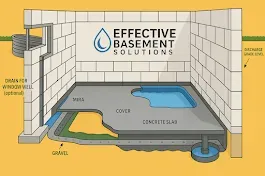
When it comes to waterproofing your basement, several effective methods can be employed to prevent water intrusion. Each solution has its advantages and is suited for different situations.
- Interior Waterproofing Methods: This approach involves sealing walls and floors with waterproof membranes and installing drainage systems to redirect water away from the foundation. Interior solutions are often less invasive and can be completed quickly.
- Exterior Waterproofing Methods: This method includes excavating around the foundation to apply waterproof coatings and installing drainage systems outside the home. While more labor-intensive, exterior waterproofing provides a more comprehensive solution to prevent water intrusion.
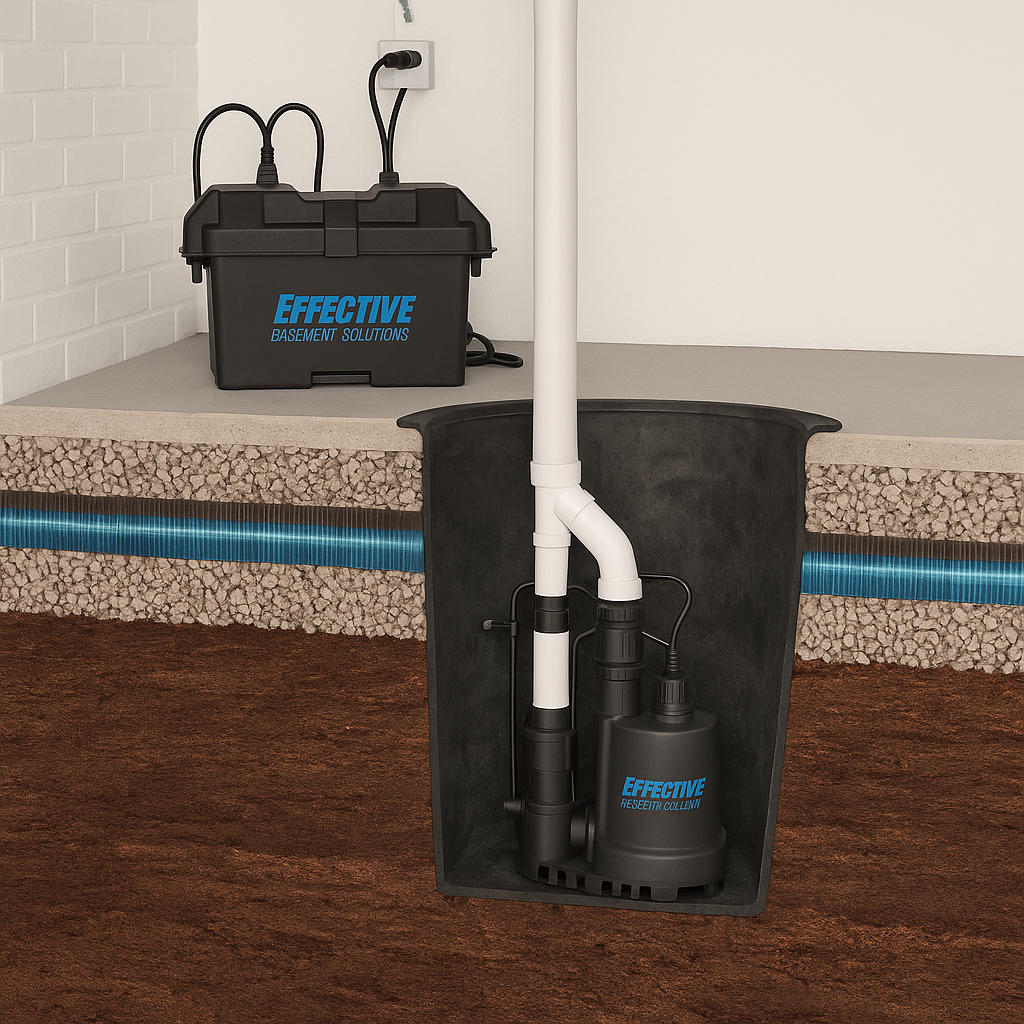
- Sump Pump Installation: A sump pump is a crucial component in managing water in basements. It collects water that accumulates in a sump basin and pumps it away from the foundation, preventing flooding.
For homeowners in New Jersey, effective basement waterproofing is essential to protect their homes from water damage. Effective Basement Solutions specializes in providing comprehensive waterproofing services tailored to the unique needs of New Jersey homeowners.
| Service | Method | Cost |
|---|---|---|
| Interior Waterproofing | Sealing and drainage | Varies |
| Exterior Waterproofing | Excavation and coating | Varies |
| Sump Pump Installation | Pump setup and maintenance | Varies |
This table outlines the various waterproofing services available, highlighting the methods used and their associated costs. Homeowners should consult with professionals to determine the best approach for their specific situation.
Understanding the various waterproofing techniques, both traditional and modern, is crucial for selecting the most effective and durable solution for your home.
Preventing Water Leakage: Modern & Traditional Waterproofing Techniques
Water leakage or water seepage is one of the major causes of common building defects. Leakage leads to dampness, corrosion of metals, fungal growth and also affects the structural properties of concrete as well as damage beauty of the structure. It also has an adverse effect on human health by creating unpleasant condition. If water leakage can be prevented, almost 80% building defects can be eliminated. Thus, selecting the best method for waterproofing plays a vital role in the safety of the structure. In construction, a building or structure can be waterproofed with the use of membranes and coatings to protect contents as well as protecting structural integrity. Waterproofing can be categorized under traditional (tarfelt, Brick bat coba) and advanced (coatings, integral) waterproofing techniques. The objective of this study is to compare the different waterproofing techniques by considering factors such as cost, durability and ease of use. The findings of this study su
Comparative study of conventional and modern waterproofing techniques, AN Ghadge, 2016
To further explore options, basement waterproofing services offer tailored solutions.
Essential Questions for Homeowners
As a homeowner considering basement waterproofing, you may have several questions regarding the process and its implications. Here are some essential questions to consider:
- What are the signs of water intrusion?: Understanding the early warning signs can help you take action before significant damage occurs.
- What are the costs associated with waterproofing?: Knowing the potential costs can help you budget for necessary repairs and improvements.
- What are the maintenance requirements?: Regular maintenance is crucial for ensuring the effectiveness of waterproofing solutions over time.
By addressing these questions, homeowners can make informed decisions about their basement waterproofing needs and ensure their homes remain safe and dry.
