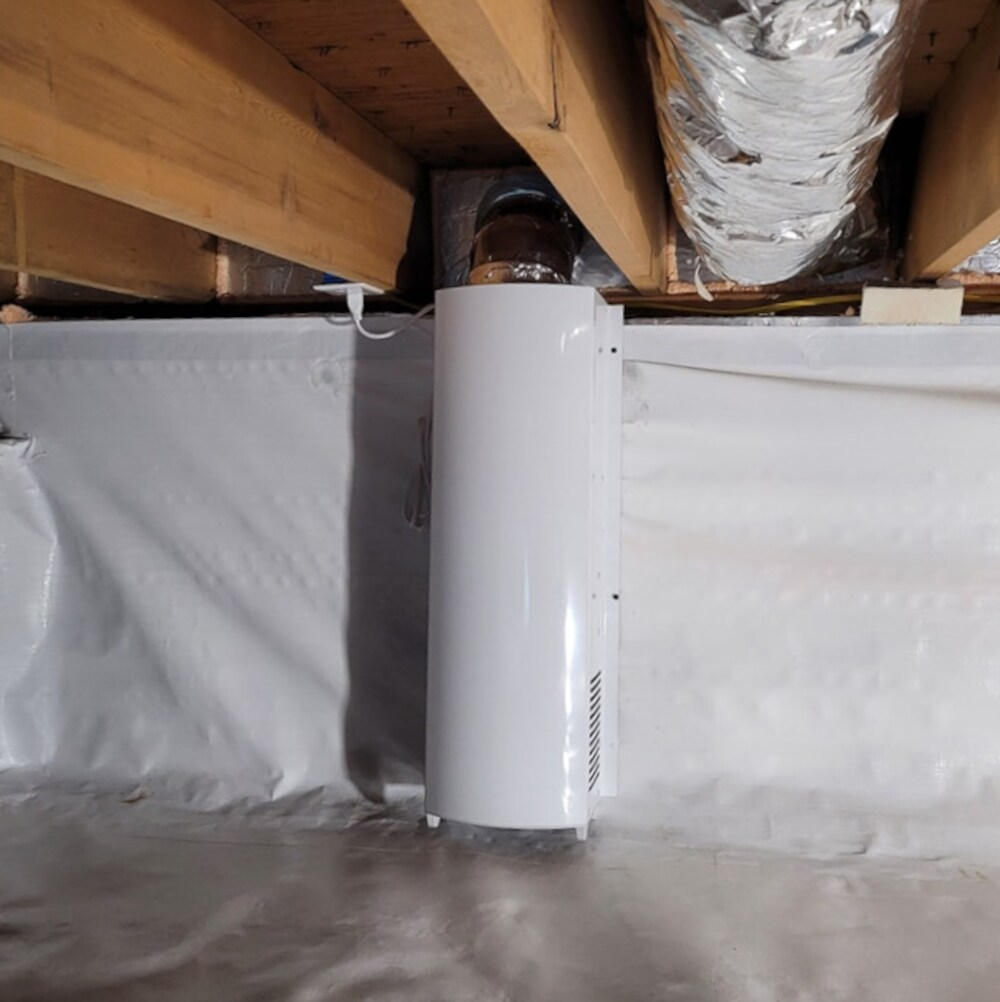
Basement Waterproofing FAQs for New Jersey Homeowners
Basement waterproofing is a critical concern for homeowners, especially in New Jersey, where heavy rains and flooding can lead to significant water intrusion issues. This article aims to address common questions that NJ homeowners have regarding basement waterproofing, providing clear and actionable answers. Understanding the nuances of basement waterproofing can help homeowners make informed decisions about protecting their properties from water damage. In this guide, we will explore essential topics, including signs of water problems, prevention strategies, various waterproofing methods, associated costs, and tips for choosing a reliable contractor. By the end of this article, you will have a comprehensive understanding of basement waterproofing and how to safeguard your home effectively.
Common Basement Waterproofing Questions
Homeowners often have numerous questions about basement waterproofing, especially when faced with potential water issues. Here are some of the most frequently asked questions:
- What are the signs of basement water problems? Homeowners should look for signs such as damp walls, musty odors, mold growth, and water stains on floors or walls. These indicators often suggest that water is entering the basement, necessitating immediate attention.
- How can I prevent water intrusion? Preventative measures include ensuring proper drainage around the home, maintaining gutters and downspouts, and using waterproofing products. Regular inspections can also help identify potential issues before they escalate.
- What are the costs associated with waterproofing? The costs can vary significantly based on the methods used and the extent of the water issues. Homeowners should expect to invest in quality solutions to ensure long-term protection against water damage.
Research highlights specific strategies, such as managing footing drain inflow, as crucial for preventing basement flooding and sewer system issues.
Preventing Basement Flooding from Footing Drain Inflow
Many communities are actively seeking ways to control the excessive inflow and infiltration (I/I) that plague their sewer systems. This wet weather flow can cause sanitary sewer overflows (SSOs) and basement flooding, when affecting sewer systems with insufficient flow capacities. The task force found that capacity problems observed in many of the sanitary sewers were primarily the result of stormwater from foundation footing drains located
Effective I/I Removal with Footing Drain Disconnection as a Solution for SSO and Basement Flooding, 2005
Understanding Basement Water Problems
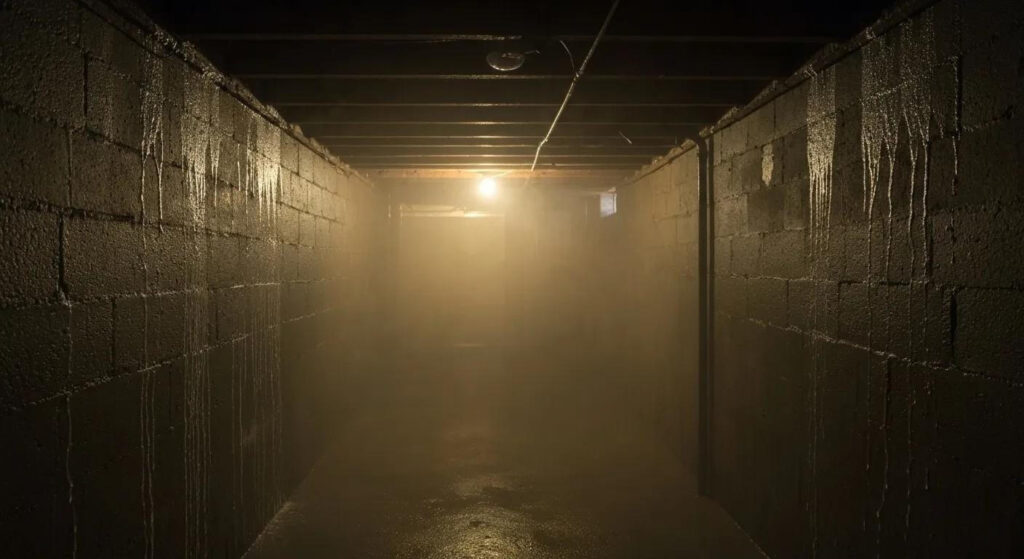
Basement water problems can arise from various sources, including heavy rainfall, poor drainage, and groundwater issues. Understanding these causes is essential for effective prevention and remediation.
Water intrusion often occurs when the soil around a home becomes saturated, leading to hydrostatic pressure that forces water through cracks in the foundation. This can result in flooding, which not only damages personal belongings but can also compromise the structural integrity of the home. Long-term exposure to moisture can lead to mold growth, which poses health risks to residents. Therefore, addressing basement water problems promptly is crucial for maintaining a safe and healthy living environment.
Waterproofing Methods
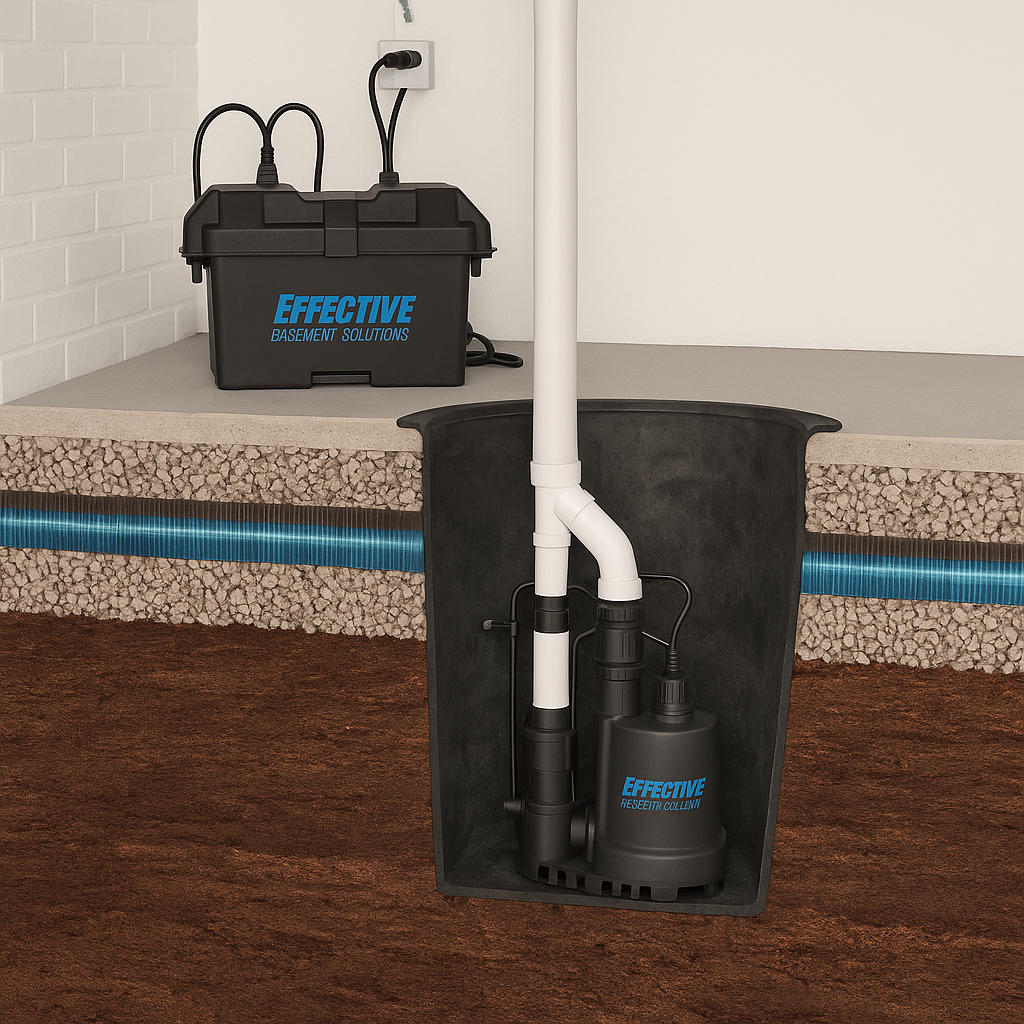
There are several methods available for waterproofing basements, each with its advantages and disadvantages. Understanding these options can help homeowners choose the best solution for their specific needs.
- Interior Waterproofing: This method involves applying sealants and coatings to the interior walls and floors of the basement. It is often a cost-effective solution for minor water issues but may not be sufficient for severe problems.
- Exterior Waterproofing: This approach involves excavating around the foundation and applying waterproof membranes to the exterior walls. While more expensive, it provides a more comprehensive solution to prevent water intrusion.
- Sump Pump Installation: Installing a sump pump can effectively manage water that enters the basement. The pump collects water and directs it away from the foundation, reducing the risk of flooding.
- Drainage Systems: Interior drainage systems, such as French drains, can help redirect water away from the foundation. These systems are often used in conjunction with sump pumps for optimal protection.
Cost of Basement Waterproofing
Understanding the costs associated with basement waterproofing is essential for homeowners planning to undertake this project. The following table outlines various waterproofing services, their costs, and descriptions:
| Service Type | Cost | Description |
|---|---|---|
| Interior Waterproofing | $1,500 – $3,000 | Application of sealants and coatings to interior walls. |
| Exterior Waterproofing | $5,000 – $15,000 | Excavation and application of waterproof membranes. |
| Sump Pump Installation | $1,000 – $2,500 | Installation of a sump pump to manage water intrusion. |
| Drainage Systems | $2,000 – $5,000 | Installation of French drains or other drainage solutions. |
These costs can vary based on the size of the basement, the severity of the water issues, and the specific methods chosen. Homeowners should consider obtaining multiple quotes from contractors to ensure they receive a fair price for the services needed.
For comprehensive basement waterproofing services, it’s essential to consult with experienced professionals who can assess your specific needs and provide tailored solutions.
Choosing a Waterproofing Contractor
Selecting the right waterproofing contractor is crucial for ensuring the effectiveness of the waterproofing solution. Homeowners should consider the following factors when choosing a contractor:
- Experience and Expertise: Look for contractors with a proven track record in basement waterproofing. Experienced professionals will be familiar with the unique challenges posed by New Jersey’s climate.
- Licensing and Insurance: Ensure that the contractor is licensed and insured. This protects homeowners from liability in case of accidents or damages during the project.
- References and Reviews: Ask for references from previous clients and check online reviews. Positive feedback from other homeowners can provide valuable insights into the contractor’s reliability and quality of work.
- Written Estimates: Obtain written estimates from multiple contractors. This allows homeowners to compare prices and services, ensuring they make an informed decision.
By following these guidelines, homeowners can select a reputable contractor who will effectively address their basement waterproofing needs.