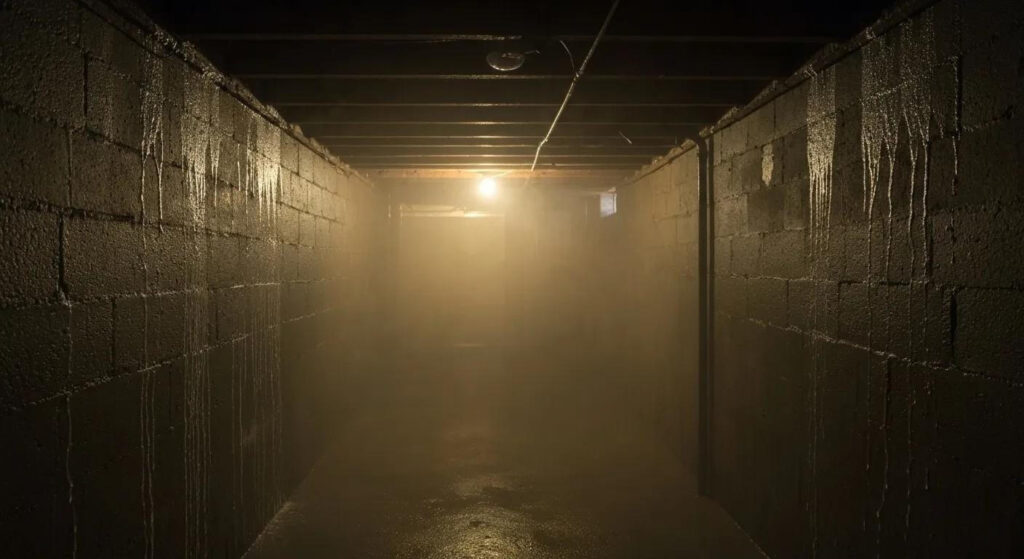
How to Fix a Wet Basement in NJ: The Homeowner's Real Guide
A wet basement can be a homeowner’s nightmare, especially in New Jersey, where heavy rains and high groundwater levels are common. This guide aims to equip you with the knowledge to effectively address and fix a wet basement, ensuring your home remains safe and dry. You will learn about the importance of basement waterproofing, common signs of water intrusion, effective waterproofing methods, and best practices for maintaining a dry basement. Additionally, we will discuss cost considerations and financing options available to homeowners. By understanding these aspects, you can take proactive steps to protect your property from water damage.
Understanding the Importance of Basement Waterproofing
Basement waterproofing is essential for maintaining the structural integrity of your home. It prevents water intrusion that can lead to mold growth, foundation damage, and decreased property value. A well-waterproofed basement enhances indoor air quality by reducing humidity levels, which is crucial for the health of your family. Moreover, investing in waterproofing can significantly increase your home’s resale value, making it a wise decision for any homeowner in New Jersey.
Common Signs of a Wet Basement
Identifying the signs of a wet basement early can save you from costly repairs. Common indicators include:
- Visible Water Stains: Look for discoloration on walls or floors, which can indicate water seepage.
- Mold Growth: The presence of mold or mildew is a clear sign of excess moisture.
- Dampness or Condensation: If you notice a musty smell or condensation on walls, it may be time to investigate further.
Recognizing these signs early can help you take action before the situation worsens.
Effective Waterproofing Methods
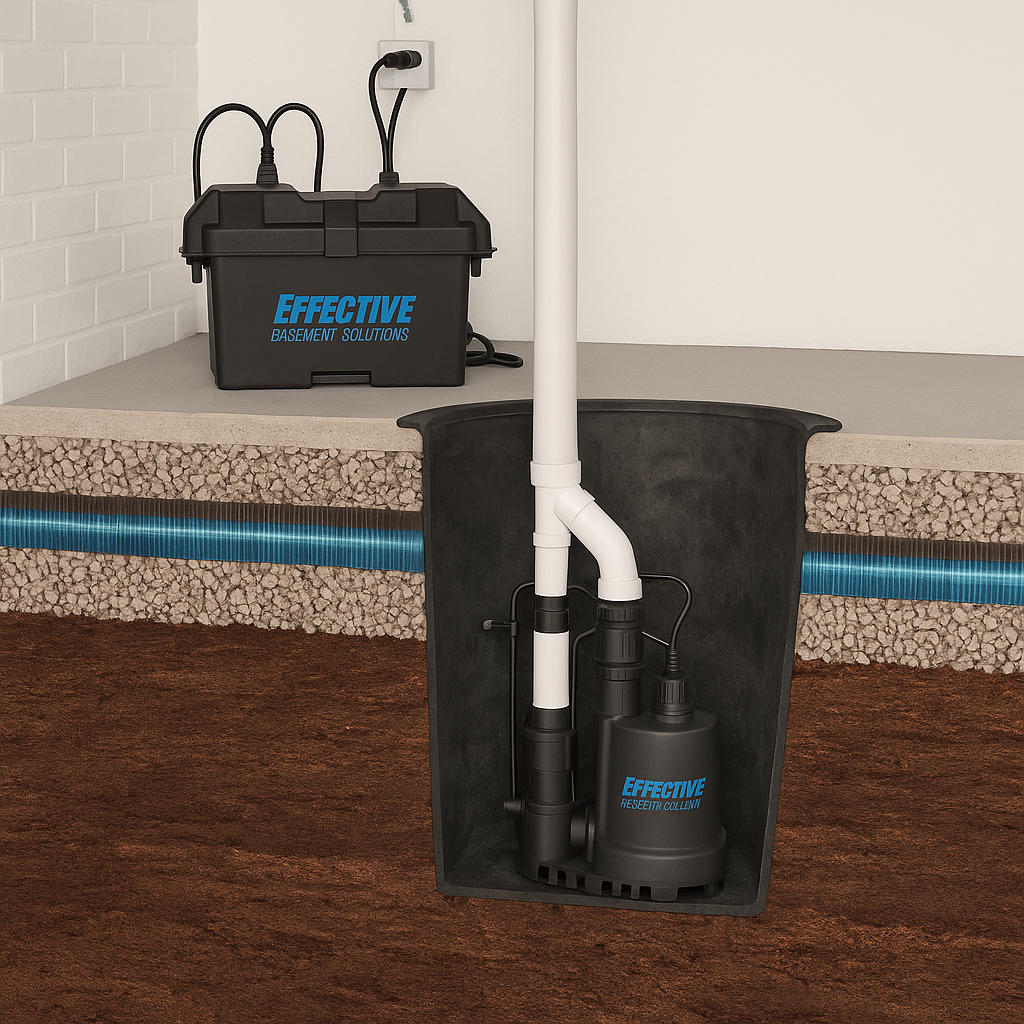
There are several effective waterproofing methods to consider for your basement. These include:
- Interior Waterproofing: This method involves applying sealants to walls and floors to prevent water from entering. It is often a cost-effective solution for minor issues.
- Exterior Waterproofing: This approach includes excavating around the foundation and applying a waterproof membrane to keep water out. It is more invasive but highly effective for severe water problems.
- Sump Pump Installation: A sump pump can help remove water that accumulates in your basement, preventing flooding and water damage.
For homeowners in New Jersey, utilizing a combination of these methods can provide the best results in keeping your basement dry.
Understanding the various approaches and their comparative benefits is crucial for selecting the most suitable waterproofing strategy for your home.
Comparative Study of Waterproofing Techniques
Water leakage or water seepage is one of the major causes of common building defects. Leakage leads to dampness, corrosion of metals, fungal growth and also affects the structural properties of concrete as well as damage beauty of the structure. It also has an adverse effect on human health by creating unpleasant condition. If water leakage can be prevented, almost 80% building defects can be eliminated. Thus, selecting the best method for waterproofing plays a vital role in the safety of the structure. In construction, a building or structure can be waterproofed with the use of membranes and coatings to protect contents as well as protecting structural integrity. Waterproofing can be categorized under traditional (tarfelt, Brick bat coba) and advanced (coatings, integral) waterproofing techniques. The objective of this study is to compare the different waterproofing techniques by considering factors such as cost, durability and ease of use. The findings of this study su
Comparative study of conventional and modern waterproofing techniques, AN Ghadge, 2016
Interior Waterproofing Techniques
Interior waterproofing techniques focus on sealing the basement from the inside. This can include the application of waterproof paints and sealants that create a barrier against moisture. Additionally, installing a drainage system can help redirect any water that does enter, minimizing damage.
Exterior Waterproofing Solutions
Exterior waterproofing is often more effective for long-term solutions. This method involves digging around the foundation to apply a waterproof membrane, which prevents water from penetrating the walls. It may also include installing drainage systems to direct water away from the foundation, ensuring that your basement remains dry even during heavy rains.
Common Challenges
Homeowners often face several challenges when dealing with wet basements. Identifying the source of water intrusion can be difficult, especially if it is coming from multiple areas. Additionally, high groundwater levels can exacerbate the problem, making it essential to implement effective drainage solutions. Cost management is another challenge, as waterproofing can be a significant investment.
Best Practices for Fixing a Wet Basement
To effectively fix a wet basement, consider the following best practices:
- Consult a Professional: Engaging a waterproofing expert can provide you with tailored solutions for your specific situation.
- Regular Maintenance Checks: Periodically inspect your basement for signs of moisture and address any issues promptly.
- Implement Moisture Control Measures: Use dehumidifiers and ensure proper ventilation to keep humidity levels in check.
By following these practices, you can maintain a dry and healthy basement environment.
Cost Considerations and Financing Options
When planning for basement waterproofing, it is crucial to understand the associated costs. The price can vary significantly based on the methods used and the severity of the water intrusion. Here are some typical cost ranges for different waterproofing methods:
| Method | Cost Range | Financing Options |
|---|---|---|
| Interior Waterproofing | $1,500 – $4,500 | Personal loans, home equity loans |
| Exterior Waterproofing | $3,500 – $12,000 | Financing through contractors, credit cards |
| Sump Pump Installation | $900 – $2,500 | Payment plans, financing options |
Effective Basement Solutions offers a free inspection to assess your basement’s needs. Contact us at +1 800-957-0075 to schedule your inspection and explore financing options that can help you manage the costs of waterproofing.
What Causes Basement Water Intrusion in New Jersey Homes?
Understanding the causes of basement water intrusion is vital for prevention. In New Jersey, heavy rainfall and snowmelt can lead to increased groundwater levels, which may overwhelm drainage systems. Additionally, poor grading around the foundation can direct water towards your home, increasing the risk of flooding.
How Do Foundation Cracks and Soil Conditions Lead to Basement Flooding?
Foundation cracks can develop due to soil movement, settling, or poor construction practices. When these cracks form, they create pathways for water to enter your basement. Soil conditions, such as clay or sandy soils, can also affect drainage and water retention, contributing to flooding issues.
What Role Does New Jersey's Climate Play in Basement Moisture Problems?
New Jersey’s humid climate can exacerbate moisture problems in basements. High humidity levels can lead to condensation, while heavy rains can saturate the ground, increasing the likelihood of water intrusion. Homeowners must be proactive in addressing these environmental factors to protect their basements.
Which Basement Waterproofing Solutions Are Most Effective in NJ?
The most effective waterproofing solutions in New Jersey often involve a combination of interior and exterior methods. Utilizing sump pumps and drainage systems alongside waterproof membranes can provide comprehensive protection against water intrusion. Consulting with a professional can help determine the best approach for your specific situation.
How Does Sump Pump Installation Prevent Basement Flooding?
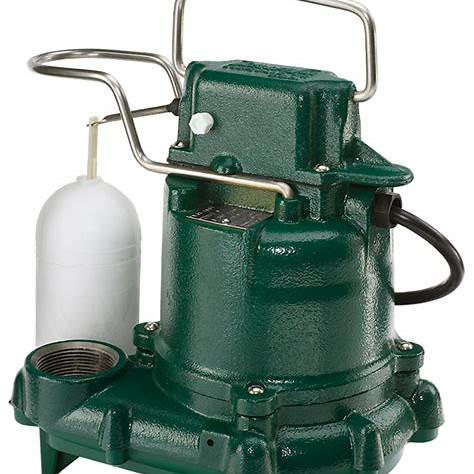
Sump pumps are designed to remove excess water that accumulates in your basement. By installing a sump pump, you can effectively manage water levels and prevent flooding during heavy rains. Regular maintenance of the sump pump is essential to ensure its effectiveness.
What Are the Benefits of French Drain Installation for Wet Basements?
French drains are a popular solution for managing water around the foundation. The benefits of installing a French drain include:
- Effective Water Diversion: French drains redirect water away from the foundation, reducing the risk of flooding.
- Improved Drainage: They enhance the overall drainage system, preventing water accumulation in the basement.
- Long-Term Protection: Properly installed French drains can provide lasting protection against water intrusion.
These benefits make French drains a valuable addition to any waterproofing strategy.
How Can Mold Growth Be Prevented in Wet Basements?
Preventing mold growth in wet basements requires a multi-faceted approach. Key strategies include:
- Controlling Humidity: Use dehumidifiers to maintain low humidity levels.
- Regular Inspections: Check for leaks and address any moisture issues promptly.
- Proper Ventilation: Ensure adequate airflow to reduce dampness.
By implementing these measures, homeowners can significantly reduce the risk of mold growth in their basements.
What Are the Health Risks of Basement Mold in New Jersey Homes?
Mold growth in basements can pose serious health risks, particularly for individuals with respiratory issues or allergies. Exposure to mold can lead to symptoms such as coughing, sneezing, and skin irritation. In severe cases, it can exacerbate asthma and other chronic conditions. Therefore, addressing moisture issues promptly is crucial for maintaining a healthy living environment.
Which Moisture Control Techniques Reduce Mold Development?
Several moisture control techniques can help reduce mold development in basements:
- Sealing Cracks: Repairing foundation cracks can prevent water intrusion and reduce humidity.
- Installing Vapor Barriers: These barriers can help keep moisture from entering the basement.
- Using Mold-Resistant Materials: When renovating, consider using materials that resist mold growth.
Implementing these techniques can create a healthier basement environment.
What Are the Costs and Financing Options for Basement Waterproofing in NJ?
The costs of basement waterproofing can vary widely based on the methods used and the extent of the problem. Homeowners should consider financing options such as personal loans or contractor financing to manage these costs effectively. It’s essential to obtain multiple quotes and understand the scope of work involved before making a decision.
How Much Does Sump Pump Installation Typically Cost in New Jersey?
Sump pump installation costs in New Jersey typically range from $900 to $2,500, depending on the complexity of the installation and the type of pump chosen. Investing in a quality sump pump can provide peace of mind and protect your basement from flooding.
What Financing Solutions Help Homeowners Afford Waterproofing Services?
Homeowners can explore various financing solutions to afford waterproofing services, including:
- Personal Loans: These can provide the necessary funds for larger projects.
- Home Equity Loans: Utilizing home equity can be a cost-effective way to finance repairs.
- Payment Plans: Many contractors offer payment plans to help spread the cost over time.
By understanding these options, homeowners can make informed decisions about financing their waterproofing projects.
How to Choose the Right Waterproofing Contractor in New Jersey?
Choosing the right waterproofing contractor is crucial for ensuring quality work. Consider the following factors:
- Experience and Expertise: Look for contractors with a proven track record in basement waterproofing.
- Customer Reviews: Check online reviews and testimonials to gauge customer satisfaction.
- Free Inspections: Opt for contractors who offer free inspections to assess your needs.
By taking these steps, you can find a reliable contractor to help address your basement issues.
What Should Homeowners Look for in Basement Waterproofing Experts?
When selecting basement waterproofing experts, homeowners should prioritize:
- Certifications and Licenses: Ensure the contractor is licensed and certified in waterproofing.
- Comprehensive Services: Look for companies that offer a range of services, from inspections to repairs.
- Warranty Options: A good contractor should provide warranties on their work to ensure long-term protection.
These criteria can help you find a trustworthy expert to handle your waterproofing needs.
Why Is Local Knowledge Important for Effective Waterproofing in NJ?
Local knowledge is essential for effective waterproofing in New Jersey due to the unique climate and soil conditions. Contractors familiar with local regulations and environmental factors can provide tailored solutions that address specific challenges. This expertise can lead to more effective and lasting waterproofing results.
What Are the Steps to Fix a Wet Basement: A Homeowner's Waterproofing Guide
To fix a wet basement, follow these steps:
- Identify the Source of Water: Conduct a thorough inspection to determine where water is entering.
- Choose Appropriate Waterproofing Methods: Based on the source, select the best waterproofing solutions.
- Implement Solutions: Engage a professional to carry out the necessary repairs and installations.
- Maintain Regular Checks: After waterproofing, continue to monitor your basement for any signs of moisture.
By following these steps, homeowners can effectively address and prevent water intrusion in their basements.
How to Schedule a Free Basement Inspection with Effective Waterproofing?
To schedule a free basement inspection with Effective Basement Solutions, simply call +1 800-957-0075. Our team will assess your basement’s condition and provide you with tailored recommendations for waterproofing solutions. Don’t wait until it’s too late—take the first step towards a dry basement today.
What Is the Process for Installing Customized Waterproofing Solutions?
The process for installing customized waterproofing solutions typically involves:
- Initial Assessment: A thorough inspection to identify specific issues.
- Solution Design: Developing a tailored waterproofing plan based on the assessment.
- Implementation: Carrying out the necessary repairs and installations.
- Follow-Up: Regular maintenance checks to ensure the effectiveness of the solutions.
This structured approach ensures that your waterproofing needs are met effectively.
How to Maintain Basement Waterproofing Systems for Long-Term Moisture Control
Maintaining your basement waterproofing systems is crucial for long-term effectiveness. Key maintenance tips include:
- Regular Inspections: Check for any signs of wear or damage to waterproofing systems.
- Sump Pump Testing: Test your sump pump regularly to ensure it is functioning correctly.
- Clearing Drains: Keep drainage systems clear of debris to ensure proper water flow.
By following these maintenance practices, you can extend the life of your waterproofing systems.
What Are Best Practices for Sump Pump Maintenance in NJ Homes?
To ensure your sump pump operates effectively, consider these best practices:
- Regular Testing: Test the pump monthly to ensure it activates properly.
- Cleaning the Pit: Remove any debris from the sump pit to prevent clogs.
- Battery Backup: Consider installing a battery backup system to keep the pump running during power outages.
These practices can help prevent basement flooding and ensure your sump pump remains reliable.
How to Monitor and Repair Foundation Cracks to Prevent Water Intrusion?
Monitoring and repairing foundation cracks is essential for preventing water intrusion. Homeowners should:
- Inspect Regularly: Check for new cracks or changes in existing ones.
- Seal Small Cracks: Use epoxy or polyurethane sealants to fill minor cracks.
- Consult Professionals: For larger cracks, engage a foundation repair expert to assess and address the issue.
By staying vigilant, you can protect your basement from water damage.
Where to Find Additional Resources and Support for Basement Waterproofing in NJ
Homeowners seeking additional resources for basement waterproofing can explore:
- Local Home Improvement Stores: Many offer workshops and materials for DIY waterproofing.
- Online Forums: Websites and forums dedicated to home improvement can provide valuable insights and tips.
- Professional Associations: Organizations like the Basement Health Association offer resources and information on best practices.
Utilizing these resources can enhance your understanding of basement waterproofing and help you make informed decisions.
Which NJ Government and Environmental Agencies Provide Basement Flooding Data?
Several government and environmental agencies in New Jersey provide data on basement flooding, including:
- New Jersey Department of Environmental Protection: Offers resources on flood management and prevention.
- Local Municipalities: Many towns provide information on flood zones and drainage issues.
- National Weather Service: Provides weather alerts and flood forecasts that can help homeowners prepare.
Staying informed through these agencies can help you better understand and mitigate flooding risks.
How Can Homeowners Stay Updated on Waterproofing Technologies and Regulations?
Homeowners can stay updated on waterproofing technologies and regulations by:
- Subscribing to Industry Newsletters: Many waterproofing companies and organizations offer newsletters with the latest information.
- Attending Workshops and Seminars: Local home improvement events often feature sessions on waterproofing techniques and technologies.
- Following Online Resources: Websites and blogs dedicated to home improvement can provide ongoing education on waterproofing advancements.
By actively seeking information, homeowners can ensure they are using the best practices and technologies available.