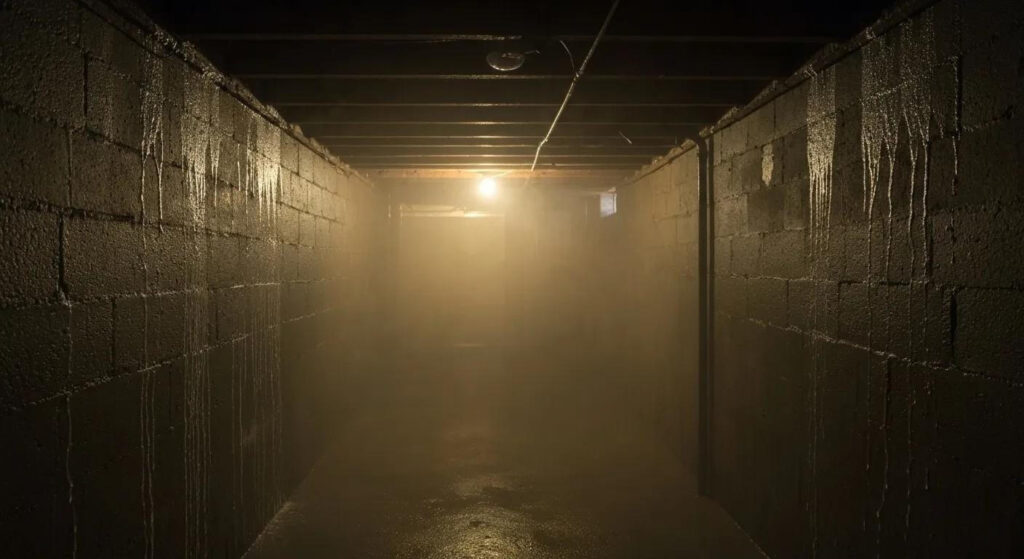
Why New Jersey Basements Flood and How to Stop It
Basement flooding is a common issue faced by homeowners in New Jersey, often leading to significant property damage and costly repairs. Understanding the reasons behind these floods is crucial for effective prevention and remediation. This article will explore the various causes of basement flooding, effective waterproofing solutions, and practical strategies to prevent water intrusion. By addressing these issues, homeowners can protect their properties and maintain a safe living environment. We will cover common causes of flooding, expert waterproofing solutions, and effective prevention strategies, providing a comprehensive guide for New Jersey residents.
Indeed, the fundamental importance of waterproofing for a building’s longevity and structural integrity cannot be overstated.
Essential Waterproofing for Building Durability & Leakage Prevention
Waterproofing is an essential aspect and integral part of building construction which ensures the durability, longevity, and structural integrity of buildings. Proper waterproofing safeguards the structure from observable and non-observable damages such as internal or external structural disintegration, Waterproofing although being a complicated activity, is highly generalized in terms of materials to be used.
Need and Awareness of Leakages and waterproofing in High rise Building, B Khartode, 2024
Common Causes of Basement Flooding:
Basement flooding can occur due to several factors, each contributing to water intrusion in unique ways. Understanding these causes is essential for effective prevention.
- Hydrostatic Pressure: This phenomenon occurs when groundwater exerts pressure against basement walls, leading to leaks and seepage.
- Heavy Rainfall: Intense storms can overwhelm drainage systems, causing water to pool around foundations and seep into basements.
- Poor Drainage Systems: Inefficient or clogged drainage systems can fail to divert water away from the home, increasing the risk of flooding.
Identifying these common causes allows homeowners to take proactive measures to mitigate the risk of flooding.
Expert Basement Waterproofing Solutions:
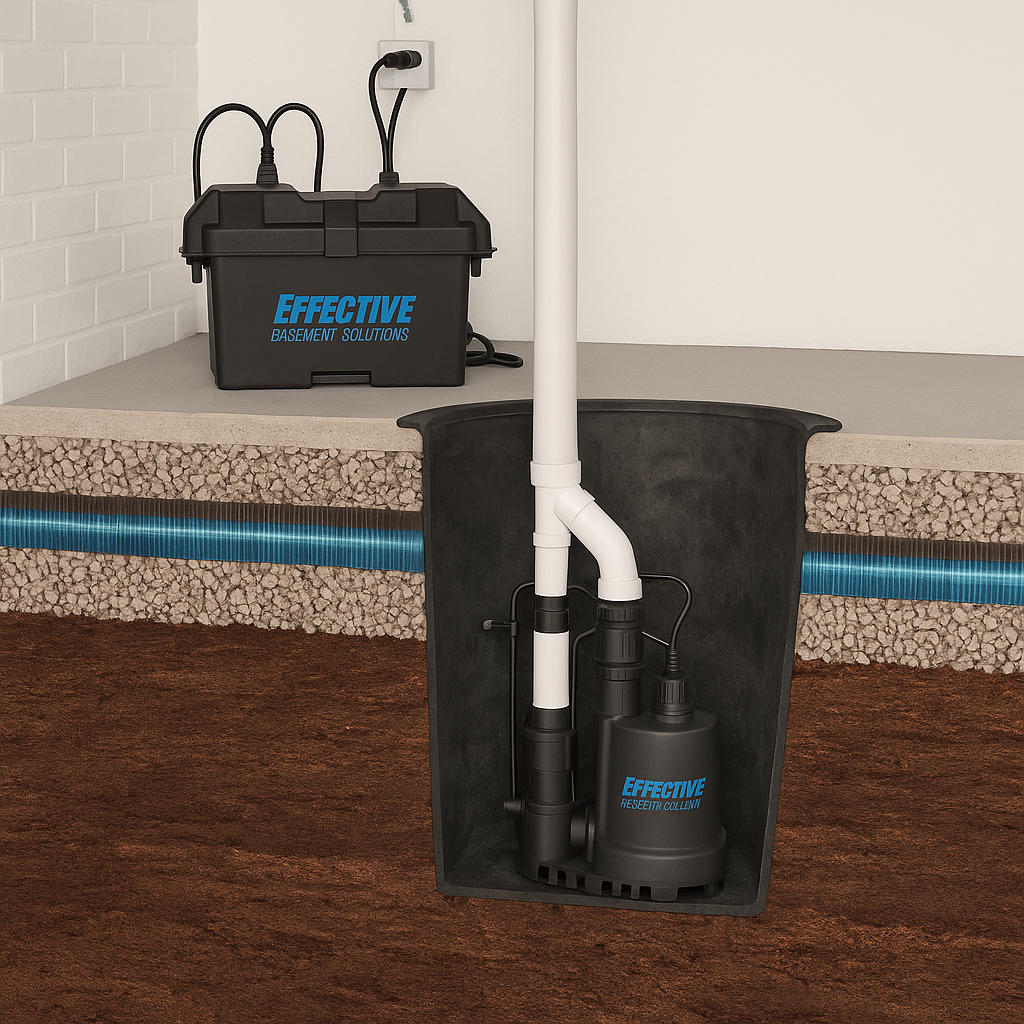
To effectively combat basement flooding, homeowners can implement various waterproofing solutions tailored to their specific needs. These solutions can significantly reduce the risk of water intrusion.
- Sump Pump Installation: A sump pump is essential for removing excess water from basements, especially during heavy rainfall. It automatically pumps water out of the basement, preventing flooding.
- French Drain Installation: This system collects water from around the foundation and directs it away from the home, reducing hydrostatic pressure and preventing leaks.
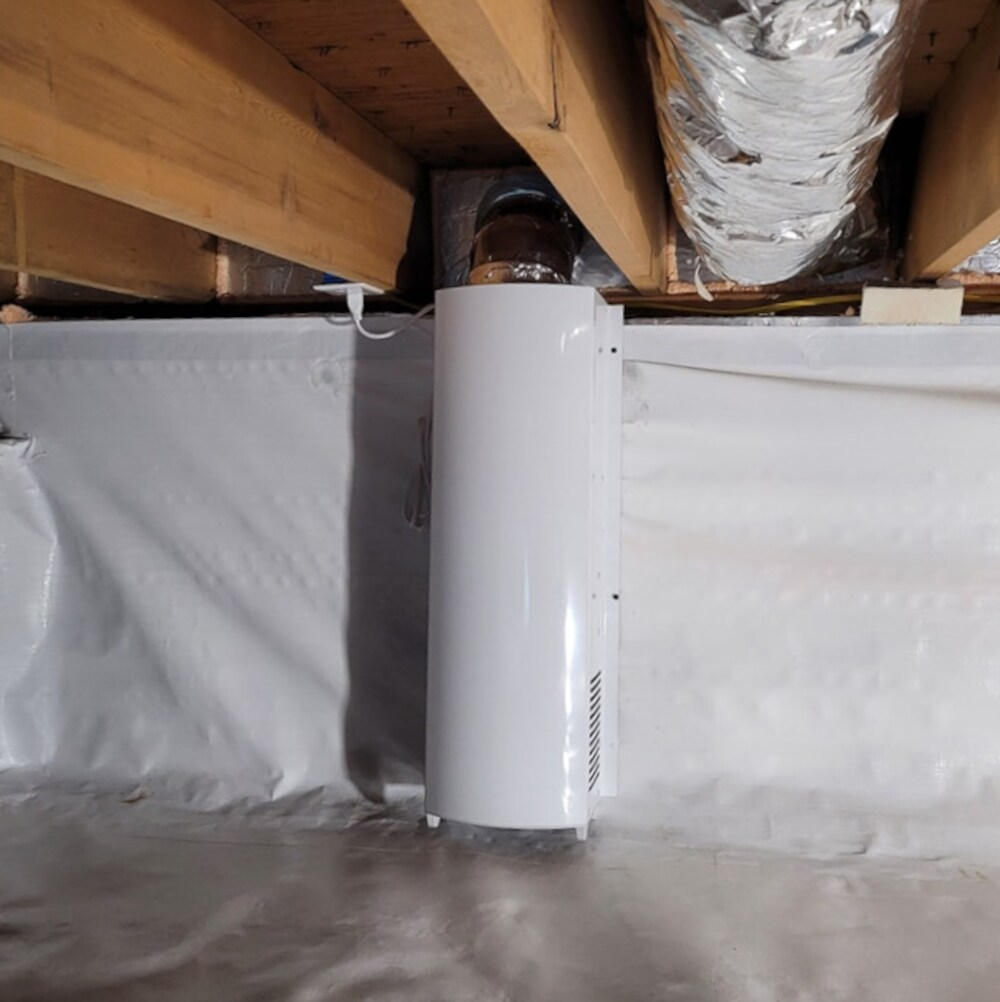
- Crawl Space Encapsulation: Sealing crawl spaces can prevent moisture from entering the basement, reducing the risk of mold and structural damage.
Effective Basement Solutions can provide tailored waterproofing services to address specific flooding issues in New Jersey homes.
Effective Prevention Strategies:
Preventing basement flooding requires a combination of regular maintenance and strategic improvements to the property. Homeowners can implement several effective strategies to minimize the risk of water intrusion.
- Regular Maintenance: Routine inspections of gutters, downspouts, and drainage systems can help identify potential issues before they lead to flooding.
- Proper Grading: Ensuring that the ground around the foundation slopes away from the home can help direct water away from the basement.
- Install Drainage Systems: Adding exterior drainage systems, such as French drains, can effectively manage water flow and prevent flooding.
By adopting these prevention strategies, homeowners can significantly reduce the likelihood of basement flooding.
What Causes Basement Flooding in New Jersey?
New Jersey’s unique climate and geological conditions contribute to the prevalence of basement flooding. Understanding these specific causes can help homeowners take appropriate action.
Further emphasizing the regional challenges, research highlights how groundwater dynamics and sea level rise contribute to significant coastal flood risks in New Jersey.
New Jersey Groundwater & Sea Level Rise: Coastal Flood Risk
Land subsidence due to groundwater withdrawal combined with a global sea level rise creates a serious environmental problem in the coastal region. The discussed methods are applied to estimate and predict the subsidence potentials resulting from overdrafting of the groundwater in the southern New Jersey. This combination will also accelerate the coastal flooding frequency and the erosion rate of the New Jersey coastal plain, and pose a serious threat to the coastal economy.
Land subsidence due to groundwater withdrawal: potential damage of subsidence and sea level rise in southern New Jersey,
USA, H Sun, 1999
- Hydrostatic Pressure: The high water table in many areas of New Jersey can lead to increased hydrostatic pressure against basement walls, resulting in leaks.
- High Water Table: Seasonal fluctuations in groundwater levels can exacerbate flooding risks, particularly during heavy rainfall or snowmelt.
- Seasonal Weather Patterns: New Jersey experiences significant rainfall during certain seasons, increasing the likelihood of basement flooding.
Recognizing these factors is crucial for homeowners to implement effective waterproofing measures.
How Does Groundwater Infiltration Lead to Basement Flooding?
Groundwater infiltration is a primary cause of basement flooding, particularly in areas with high water tables. This process occurs when water from the surrounding soil seeps into the basement through cracks and porous materials.
- Hydrostatic Pressure Effects: As groundwater levels rise, the pressure exerted on basement walls increases, leading to potential leaks.
- Drainage System Failures: If drainage systems are not functioning correctly, they may fail to divert groundwater away from the foundation, allowing water to infiltrate the basement.
- Preventive Methods: Implementing effective drainage solutions, such as sump pumps and French drains, can help manage groundwater levels and prevent flooding.
Understanding the mechanics of groundwater infiltration is essential for developing effective waterproofing strategies.
What Role Do Foundation Cracks Play in Water Intrusion?
Foundation cracks are a significant concern for homeowners, as they can provide pathways for water to enter the basement. Addressing these cracks is crucial for maintaining a dry and safe living environment.
- Types of Foundation Cracks: Cracks can vary in size and severity, with some being minor and others indicating serious structural issues.
- Repair Methods: Effective repair methods include epoxy injections and polyurethane foam, which can seal cracks and prevent water intrusion.
- Impact on Water Intrusion: Unrepaired cracks can lead to significant water damage, mold growth, and structural instability.
By understanding the role of foundation cracks, homeowners can take proactive measures to repair and prevent water intrusion.
How Can Interior Waterproofing Systems Prevent Basement Leaks?
Interior waterproofing systems are designed to prevent water from entering the basement, providing an effective solution for homeowners facing flooding issues.
- Types of Interior Systems: Common interior waterproofing systems include drainage channels, sump pumps, and waterproof membranes.
- Installation Methods: Professional installation is crucial for ensuring the effectiveness of these systems, as improper installation can lead to continued water intrusion.
- Effectiveness: Interior waterproofing systems can significantly reduce the risk of leaks and flooding, providing peace of mind for homeowners.
Implementing these systems can be a game-changer for New Jersey homeowners dealing with basement flooding.
What Are the Benefits of Interior Waterproofing Systems in NJ Basements?
Interior waterproofing systems offer several advantages for homeowners in New Jersey, making them a worthwhile investment.
- Cost-Effectiveness: Compared to extensive exterior waterproofing solutions, interior systems can be more affordable while still providing effective protection.
- Flood Prevention: These systems are designed to prevent water from entering the basement, reducing the risk of damage and costly repairs.
- Mold Mitigation: By keeping basements dry, interior waterproofing systems help prevent mold growth, which can pose health risks to residents.
The benefits of these systems make them an essential consideration for homeowners looking to protect their properties.
Which Interior Waterproofing Methods Are Most Effective?
Several interior waterproofing methods can effectively prevent basement flooding, each with its unique advantages.
- French Drains: These systems collect water and direct it away from the foundation, reducing the risk of leaks.
- Sump Pumps: Essential for removing excess water, sump pumps can prevent flooding during heavy rainfall.
- Waterproof Membranes: These barriers can be applied to walls and floors to prevent water from seeping into the basement.
Choosing the right combination of these methods can provide comprehensive protection against basement flooding.
What Exterior Waterproofing and Drainage Solutions Stop Basement Flooding?
Exterior waterproofing and drainage solutions are critical for preventing basement flooding by managing water flow around the foundation.
One effective method for managing excessive inflow and infiltration, particularly in sewer systems, involves strategic footing drain disconnection.
Footing Drain Disconnection for Basement Flood Prevention
ABSTRACT: EFFECTIVE I/I REMOVAL WITH FOOTING DRAIN DISCONNECTION AS A SOLUTION FOR SSO AND BASEMENT FLOODINGAbstractMany communities are actively seeking ways to control the excessive inflow and infiltration (I/I) that plague their sewer systems. This wet weather flow can cause sanitary sewer overflows (SSOs) and basement flooding, when affecting sewer systems with insufficient flow capacities.
Effective I/I Removal with Footing Drain Disconnection as a Solution for SSO and Basement Flooding, 2005
- French Drains: These systems are installed outside the foundation to collect and redirect water away from the home.
- Sump Pumps: Exterior sump pumps can be used in conjunction with drainage systems to remove excess water from the property.
- Waterproof Membranes: Applying waterproof membranes to the exterior of the foundation can create a barrier against water intrusion.
Implementing these solutions can significantly reduce the risk of basement flooding.
How Does Exterior Waterproofing Protect Foundations in NJ?
Exterior waterproofing plays a vital role in protecting foundations from water damage, particularly in areas prone to flooding.
- Excavation Process: Proper installation of exterior waterproofing systems often requires excavation to access the foundation.
- Drainage Systems: Effective drainage systems are essential for managing water flow and preventing hydrostatic pressure against the foundation.
- Soil Grading: Ensuring proper grading around the foundation can help direct water away from the home, reducing the risk of flooding.
By understanding the importance of exterior waterproofing, homeowners can take proactive steps to protect their foundations.
What Drainage Systems Help Divert Water Away from Basements?
Effective drainage systems are crucial for preventing basement flooding by managing water flow around the property.
- French Drains: These systems collect water from around the foundation and direct it away, reducing hydrostatic pressure.
- Sump Pumps: Sump pumps are essential for removing excess water from basements, particularly during heavy rainfall.
- Gutter Systems: Properly functioning gutters and downspouts can help direct rainwater away from the foundation, preventing flooding.
Implementing these drainage systems can significantly reduce the risk of basement flooding.
Why Is Sump Pump Installation Essential for NJ Basement Flooding Solutions?
Sump pump installation is a critical component of any effective basement flooding solution, particularly in New Jersey.
- Automatic Operation: Sump pumps automatically activate when water levels rise, providing immediate protection against flooding.
- Mold Prevention: By removing excess water, sump pumps help prevent mold growth, which can pose health risks to residents.
- Cost Savings: Investing in a sump pump can save homeowners from costly repairs associated with water damage.
The importance of sump pumps cannot be overstated, making them a vital part of any basement waterproofing strategy.
How Do Sump Pumps Work to Remove Basement Water?
Sump pumps are designed to efficiently remove water from basements, preventing flooding and water damage.
- Components of Sump Pumps: A typical sump pump consists of a pump, a sump pit, and a discharge pipe to direct water away from the home.
- Activation Process: Sump pumps activate automatically when water levels in the sump pit rise, ensuring timely removal of excess water.
- Effectiveness in Preventing Flooding: By continuously monitoring water levels, sump pumps provide reliable protection against basement flooding.
Understanding how sump pumps work can help homeowners appreciate their value in flood prevention.
What Are Best Practices for Sump Pump Maintenance in New Jersey?
Regular maintenance of sump pumps is essential for ensuring their effectiveness in preventing basement flooding.
- Regular Inspections: Homeowners should inspect sump pumps at least once a year to ensure they are functioning correctly.
- Sump Pit Cleaning: Keeping the sump pit clean and free of debris can help prevent clogs and ensure efficient operation.
- Float Switch Testing: Testing the float switch regularly can ensure that the pump activates when needed.
By following these maintenance practices, homeowners can ensure their sump pumps remain effective in preventing flooding.
How Does Foundation Crack Repair Prevent Basement Water Damage?
Repairing foundation cracks is a crucial step in preventing basement water damage and maintaining the integrity of the home.
- Mechanisms of Water Intrusion: Cracks in the foundation can allow water to seep into the basement, leading to significant damage.
- Repair Techniques: Effective repair techniques include epoxy injections and polyurethane foam, which can seal cracks and prevent water intrusion.
- Long-Term Benefits: Addressing foundation cracks not only prevents water damage but also enhances the overall stability of the home.
Understanding the importance of foundation crack repair can help homeowners take proactive measures to protect their properties.
What Techniques Are Used for Effective Foundation Crack Repair?
Several techniques can be employed to effectively repair foundation cracks and prevent water intrusion.
- Epoxy Injection: This method involves injecting epoxy resin into cracks to create a waterproof seal.
- Polyurethane Injection: Similar to epoxy, this technique uses polyurethane foam to fill cracks and prevent water from entering.
- Carbon Fiber Reinforcement: This method involves applying carbon fiber strips to reinforce the foundation and prevent further cracking.
Choosing the right repair technique is essential for ensuring long-term protection against water intrusion.
How Does Repairing Cracks Reduce Mold and Moisture Risks?
Repairing foundation cracks is essential for reducing mold and moisture risks in basements.
- Sealing Pathways: By sealing cracks, homeowners can prevent moisture from entering the basement, reducing the risk of mold growth.
- Enhanced Waterproofing: Effective crack repair enhances the overall waterproofing of the basement, providing additional protection against water intrusion.
- Comprehensive Defense: Addressing cracks is a critical component of a comprehensive defense strategy against mold and moisture.
Understanding the connection between crack repair and mold prevention can help homeowners take proactive measures to protect their health.
What Are the Mold Risks Associated with Basement Flooding in NJ?
Basement flooding poses significant mold risks, particularly in New Jersey’s humid climate.
- Health Implications: Mold can cause various health issues, including respiratory problems and allergic reactions.
- Types of Mold: Common types of mold found in flooded basements include Stachybotrys chartarum, or black mold, which can be particularly harmful.
- Prevention Strategies: Implementing effective waterproofing solutions and maintaining a dry environment can help prevent mold growth.
Recognizing the risks associated with mold can motivate homeowners to take action against basement flooding.
How Does Moisture Promote Mold Growth in Basements?
Moisture is a key factor in mold growth, making it essential for homeowners to manage humidity levels in basements.
- Moisture Sources: Water intrusion from flooding, leaks, and high humidity can create an environment conducive to mold growth.
- Effective Prevention Strategies: Using dehumidifiers, sealing cracks, and implementing waterproofing solutions can help control moisture levels.
- Impact of Humidity: High humidity levels can exacerbate mold growth, making it crucial for homeowners to monitor and manage moisture.
Understanding the relationship between moisture and mold growth can help homeowners take proactive measures to protect their basements.
What Are Effective Mold Remediation Strategies for NJ Homes?
Mold remediation is essential for maintaining a healthy living environment in homes affected by flooding.
- Prevent Moisture: The first step in mold remediation is to eliminate moisture sources, preventing further growth.
- Containment: Isolating affected areas can help prevent mold spores from spreading throughout the home.
- Professional Support: Engaging professional mold remediation services can ensure thorough and effective removal of mold.
Implementing these strategies can help homeowners effectively address mold issues in their homes.
How Does the Free Inspection Process Help Identify Basement Flooding Issues?
A free inspection process can be invaluable for homeowners seeking to identify potential basement flooding issues.
- Requesting the Inspection: Homeowners can request a free inspection to assess their property’s vulnerability to flooding.
- Conducting the Inspection: Professionals will conduct a thorough assessment of the basement, checking for signs of water intrusion and structural issues.
- Documentation of Findings: Homeowners will receive a detailed report outlining any identified issues and recommended solutions.
This process can provide homeowners with the information they need to take proactive measures against flooding.
What Can Homeowners Expect During a Basement Waterproofing Inspection?
During a basement waterproofing inspection, homeowners can expect a comprehensive evaluation of their property’s vulnerability to flooding.
- Visual Inspection: Inspectors will conduct a visual assessment of the basement, looking for signs of water damage and structural issues.
- Moisture Testing: Moisture levels will be tested to determine the extent of any existing water intrusion.
- Tailored Recommendations: Homeowners will receive personalized recommendations for waterproofing solutions based on the inspection findings.
Understanding what to expect during an inspection can help homeowners prepare for the process.
How Does a Professional Inspection Inform Tailored Waterproofing Solutions?
A professional inspection is crucial for developing tailored waterproofing solutions that address specific flooding issues.
- Visual Inspection: Inspectors will assess the basement for signs of water intrusion and structural damage.
- Moisture Readings: Accurate moisture readings will help identify areas at risk of flooding.
- Customized Repair Plan: Based on the inspection findings, homeowners will receive a customized plan outlining recommended waterproofing solutions.
This tailored approach ensures that homeowners receive the most effective protection against basement flooding.
Practical Basement Flooding Solutions and Maintenance Tips for NJ Homeowners?
Homeowners can implement several practical solutions and maintenance tips to prevent basement flooding.
- Gutter Maintenance: Regularly cleaning gutters and downspouts can help ensure proper water drainage away from the foundation.
- Improve Grading: Ensuring that the ground slopes away from the foundation can help direct water away from the basement.
- Seal Cracks: Regularly inspecting and sealing cracks in the foundation can prevent water intrusion.
By following these tips, homeowners can significantly reduce the risk of basement flooding.
Which DIY Measures Can Help Control Basement Moisture?
Homeowners can take several DIY measures to control moisture levels in their basements.
- Leak Repair: Promptly addressing any leaks can help prevent water intrusion and reduce humidity levels.
- Humidity Control: Using dehumidifiers can help maintain optimal humidity levels in the basement.
- Ventilation Improvements: Ensuring proper ventilation can help reduce moisture buildup and improve air quality.
Implementing these measures can help homeowners maintain a dry and healthy basement environment.
When Should Homeowners Seek Professional Waterproofing Services?
Homeowners should consider seeking professional waterproofing services when they notice signs of water intrusion or persistent dampness.
- Visible Water Stains: Water stains on walls or ceilings can indicate ongoing water intrusion issues.
- Ongoing Mold Growth: If mold is present, it may be time to seek professional help to address the underlying moisture problem.
- Persistent Dampness: If the basement remains damp despite DIY efforts, professional waterproofing services may be necessary.
Recognizing these signs can help homeowners take timely action to protect their properties.
To further explore solutions, consider basement waterproofing services for a comprehensive approach.