Basement Waterproofing in New Jersey: Essential Solutions and Guidance for Homeowners
Basement waterproofing is a critical concern for homeowners in New Jersey, where heavy rainfall and unique soil conditions can lead to significant water intrusion issues. This article aims to provide comprehensive insights into the common causes of basement flooding, the challenges posed by foundation cracks, and effective waterproofing methods available. Homeowners will learn about proactive strategies to prevent water damage and the importance of professional assessments in maintaining a dry and safe living environment. By understanding these aspects, homeowners can make informed decisions about protecting their properties from water-related issues.
Common Causes of Basement Flooding
Basement flooding in New Jersey can occur due to several factors, each contributing to the accumulation of water in below-ground spaces. One primary cause is hydrostatic pressure, which builds up when the soil surrounding the foundation becomes saturated with water. This pressure can force water through cracks and openings in the foundation walls. Additionally, foundation cracks themselves can allow water to seep in, especially during heavy rainfall. Poor drainage systems, including clogged gutters and downspouts, can exacerbate these issues by directing water towards the foundation rather than away from it.
Challenges Related to Foundation Cracks and Moisture Intrusion
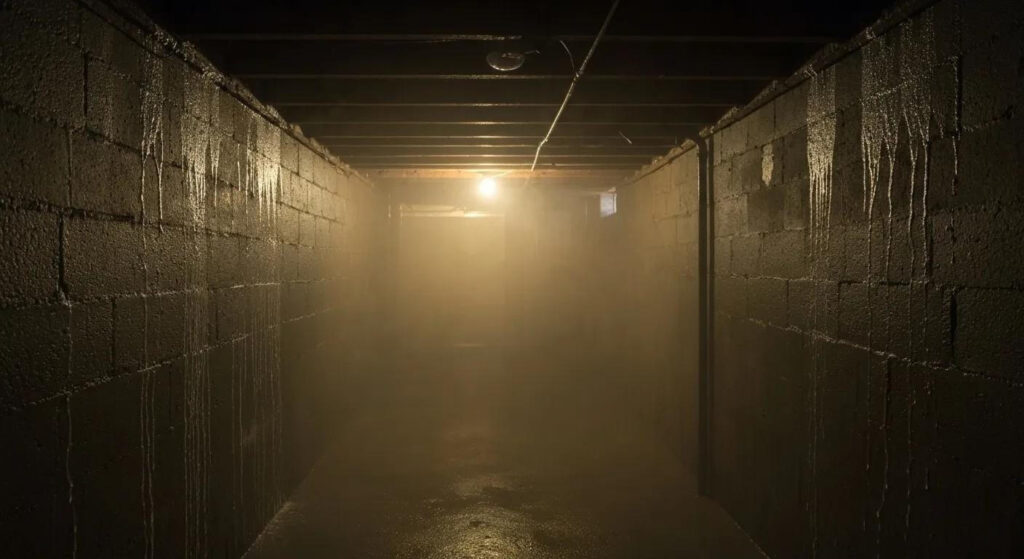
Foundation cracks present significant challenges for homeowners, as they can lead to moisture intrusion and structural damage. When water enters through these cracks, it can create an environment conducive to mold growth, which poses health risks to occupants. Furthermore, persistent moisture can weaken the foundation over time, leading to decreased property value and costly repairs. Homeowners must be vigilant in identifying and addressing these cracks to prevent further complications.
Impact of Groundwater and New Jersey's Climate
New Jersey’s climate plays a crucial role in the frequency and severity of basement flooding. The state experiences seasonal weather patterns that can lead to heavy rainfall, increasing the risk of hydrostatic pressure on foundations. Additionally, the presence of clay-rich soils in many areas can exacerbate drainage issues, as these soils retain water rather than allowing it to drain away. Understanding the interplay between groundwater levels and local climate conditions is essential for homeowners to effectively manage and mitigate flooding risks.
Effective Waterproofing Methods and Technologies
There are several effective waterproofing methods available to homeowners in New Jersey, each designed to address specific water intrusion issues. These methods include:
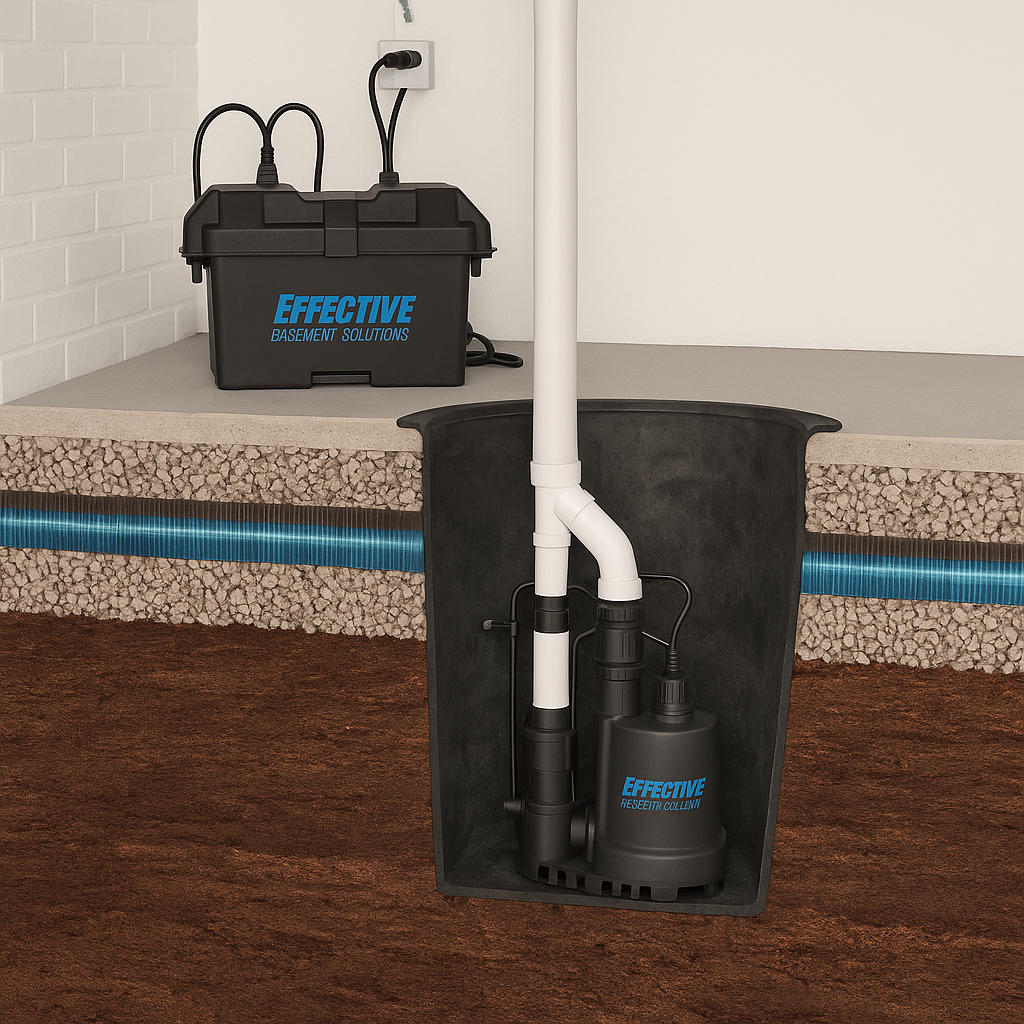
- Interior Drainage Systems: These systems collect water that seeps into the basement and direct it to a sump pump for removal, preventing flooding.
- Sump Pump Installation: A sump pump is a critical component in basement waterproofing, as it actively removes water that accumulates in the sump pit, keeping the basement dry.
- French Drains: These are installed around the perimeter of the foundation to redirect water away from the home, reducing the risk of flooding.
Effective Basement Solutions specializes in these waterproofing services, ensuring that homeowners have access to the best technologies and methods for protecting their basements.
Research further emphasizes the importance of comprehensive flood mitigation techniques, including various foundation drainage systems, to protect homes from water damage.
Foundation Drainage Systems for Basement Flood Mitigation
Flood management mitigation techniques that are implemented at the building- and lot-scale (or private-side) can reduce the risk of basement flooding for a particular home. These measures include backwater valves to reduce the risk of sewer surcharge into basements, low impact development strategies to reduce runoff entering municipal sewer systems, and foundation drainage systems to reduce the risk of infiltration flooding.
Reducing the risk of basement flooding through building-and lot-scale flood mitigation approaches: performance of foundation drainage systems, B Kaur, 2021
Cost and Financing Options for Waterproofing
When considering waterproofing solutions, homeowners should be aware of the associated costs and financing options. The investment in waterproofing can vary based on the method chosen and the extent of the work required. Below is a comparison of different waterproofing methods and their costs:
| Method | Average Cost | Description |
|---|---|---|
| Interior Drainage Systems | $1,500 – $4,000 | Effective for managing water seepage in basements. |
| Sump Pump Installation | $800 – $2,500 | Essential for active water removal. |
| French Drains | $1,500 – $3,500 | Redirects water away from the foundation. |
Understanding these costs can help homeowners budget effectively for necessary waterproofing measures.
Strategies for Preventing Water Damage
Preventing water damage in basements requires proactive measures and regular maintenance. Homeowners can implement several strategies to minimize the risk of flooding:
- Regular Inspections: Conducting routine inspections of the foundation and basement can help identify potential issues before they escalate.
- Proper Grading: Ensuring that the landscape slopes away from the foundation can prevent water from pooling near the home.
- Maintenance of Gutters: Keeping gutters and downspouts clear of debris ensures that water is directed away from the foundation, reducing the risk of flooding.
By adopting these strategies, homeowners can significantly reduce the likelihood of water damage in their basements.
Conclusion
In conclusion, basement waterproofing is an essential aspect of home maintenance for New Jersey homeowners. Understanding the common causes of flooding, the challenges posed by foundation cracks, and the effective waterproofing methods available can empower homeowners to take proactive measures. Effective Basement Solutions offers expert services to assist homeowners in safeguarding their properties against water damage. By investing in proper waterproofing techniques and maintaining vigilance, homeowners can ensure a dry and safe living environment for years to come.
For homeowners seeking comprehensive basement waterproofing services, it’s essential to consider various factors to ensure the best protection for their homes.
To further explore solutions for water damage, consulting with professionals can provide tailored guidance and effective strategies.