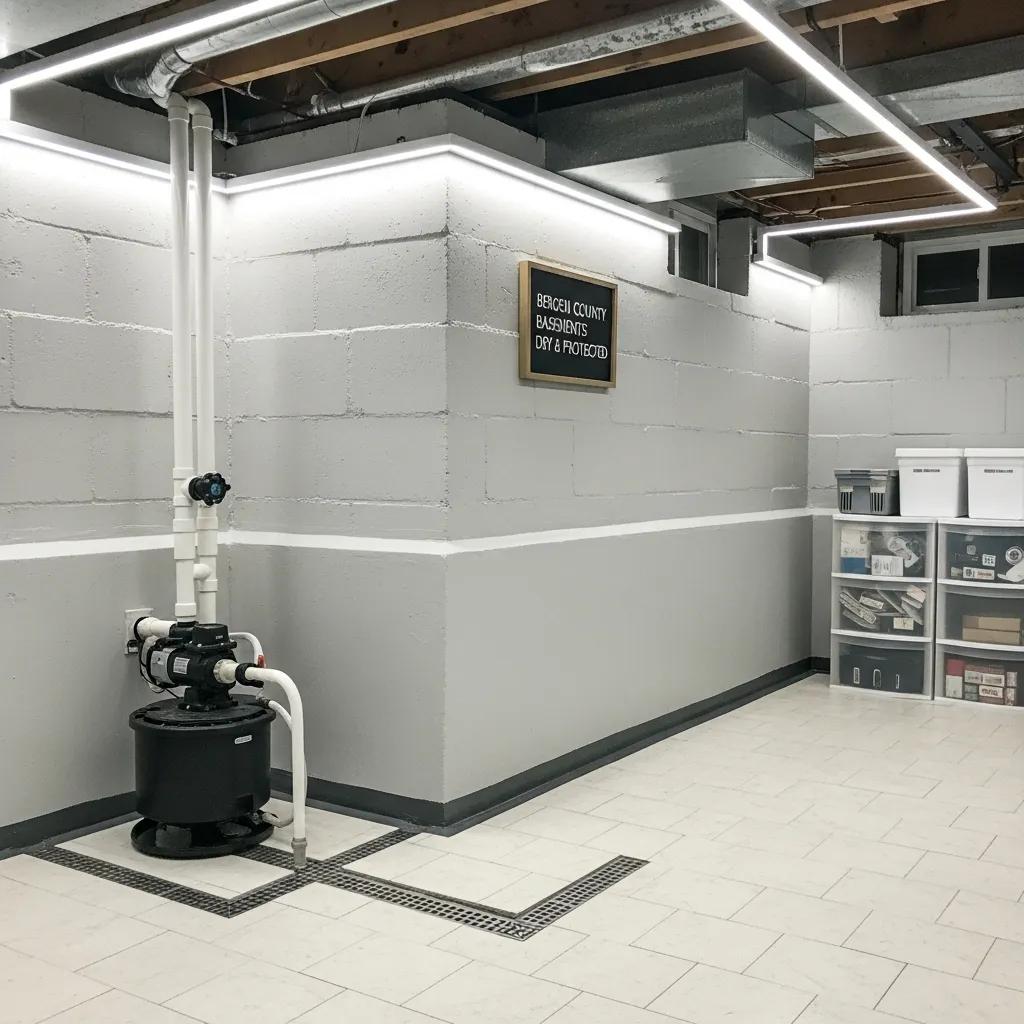
Bergen County Basement Waterproofing | Effective Waterproofing
Basement waterproofing is a critical aspect of home maintenance, especially in regions like Bergen County, where heavy rainfall and flooding can lead to significant water intrusion issues. Homeowners often face challenges such as mold growth, structural damage, and decreased property value due to moisture problems. This article will explore effective waterproofing solutions tailored for Bergen County, including the causes of water intrusion, various waterproofing methods, and the importance of sump pump installation. Additionally, we will discuss the free inspection process offered by Effective Basement Solutions, ensuring homeowners understand what to expect. By the end of this guide, readers will be equipped with the knowledge to protect their basements effectively.
Causes of Basement Water Intrusion in Bergen County
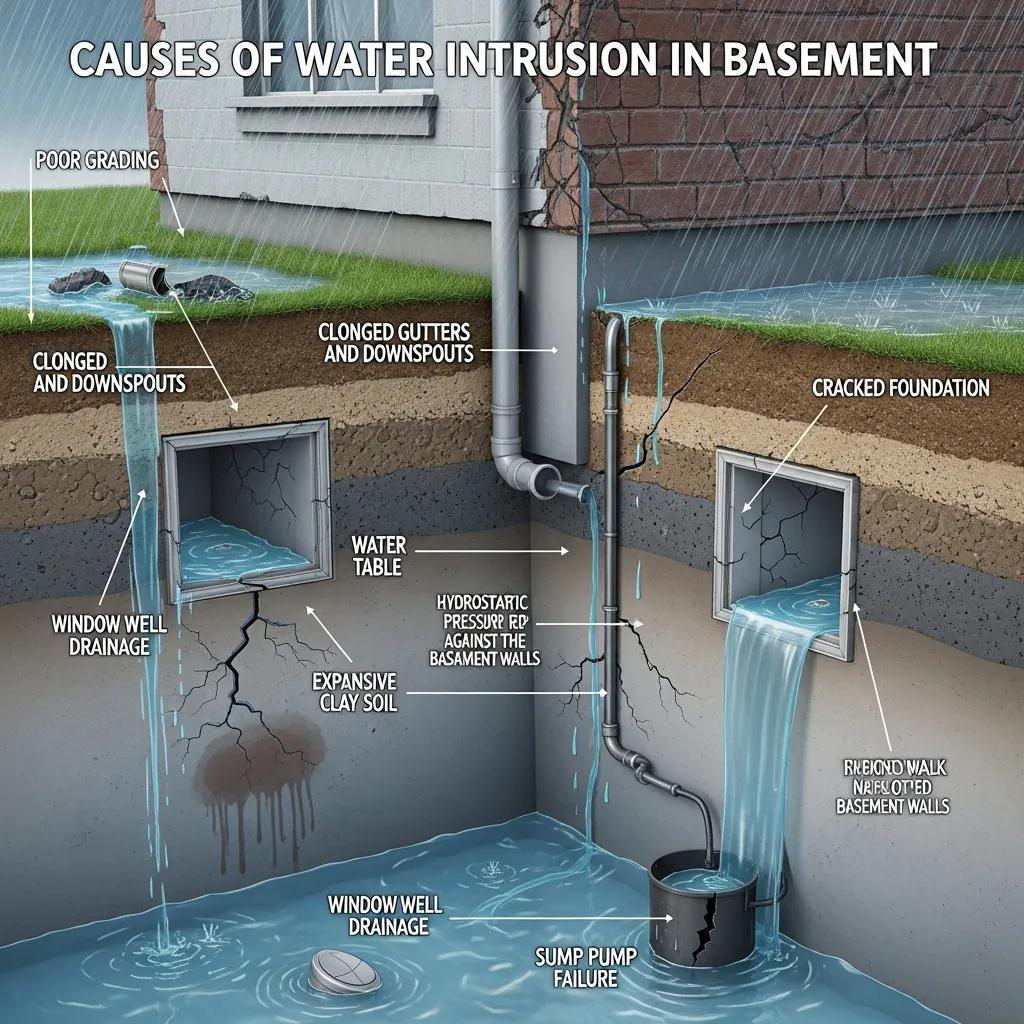
Water intrusion in basements can stem from several factors, particularly in Bergen County, where the climate and soil conditions play a significant role. Heavy rainfall and flooding are primary contributors, often overwhelming drainage systems and leading to water seepage. Poor drainage systems, whether due to design flaws or blockages, can exacerbate these issues, allowing water to accumulate around the foundation. Additionally, soil saturation from prolonged wet conditions can increase hydrostatic pressure against basement walls, resulting in leaks and moisture problems. Understanding these causes is essential for homeowners to implement effective waterproofing strategies.
The broader context of urban flooding highlights the critical need for effective mitigation strategies at the building and lot scale to prevent basement flooding.
Basement Flood Mitigation & Foundation Drainage Systems
The increase in frequency and severity of urban flooding events affecting many regions across North America has resulted in increases in occurrence of basement flooding, property damage and insured losses. Flood management mitigation techniques that are implemented at the building- and lot-scale (or private-side) can reduce the risk of basement flooding for a particular home. These measures include backwater valves to reduce the risk of sewer surcharge into basements, low impact development strategies to reduce runoff entering municipal sewer systems, and foundation drainage systems to reduce the risk of infiltration flooding.
Reducing the risk of basement flooding through building-and lot-scale flood mitigation approaches: performance of foundation drainage systems, B Kaur, 2021
Basement Waterproofing Methods (Interior and Exterior)
There are various methods for waterproofing basements, each with its advantages and applications. Interior waterproofing techniques focus on preventing water from entering the basement and managing moisture levels. Common methods include:
- Sealants: Applying waterproof sealants to walls and floors can help block moisture penetration.
- Interior Drainage Systems: Installing a drainage system, such as a French drain, can redirect water away from the foundation.
- Sump Pumps: These devices are crucial for removing accumulated water from basements, especially during heavy rains.
Exterior waterproofing solutions aim to prevent water from reaching the foundation in the first place. Key methods include:
- Excavation and Waterproofing Membranes: This involves digging around the foundation and applying waterproof membranes to the exterior walls.
- Proper Grading: Ensuring the landscape slopes away from the foundation can significantly reduce water accumulation.
- Drainage Systems: Installing exterior drainage systems can effectively channel water away from the home.
Effective Basement Solutions specializes in these waterproofing methods, ensuring that homeowners receive tailored solutions to their specific needs.
Sump Pump Installation and Maintenance
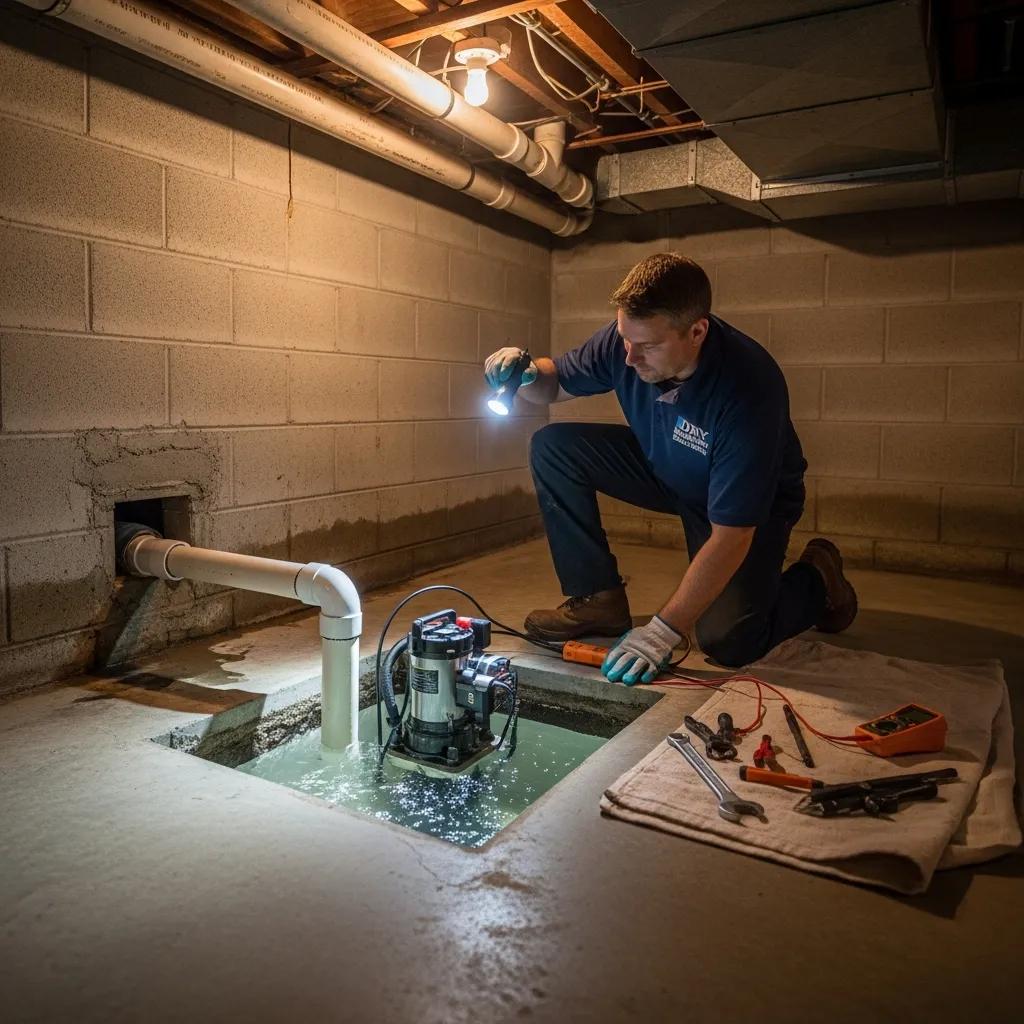
Sump pumps are vital components of any basement waterproofing strategy. They work by collecting water that accumulates in a sump basin and pumping it away from the home, preventing flooding and water damage. Regular maintenance is essential to ensure these systems function correctly. Homeowners should check the pump’s operation periodically, clean the sump pit, and test the pump by pouring water into the basin to ensure it activates. Additionally, understanding the cost considerations associated with sump pump installation can help homeowners make informed decisions about their waterproofing investments.
Mold Prevention and Health Risks
Mold growth is a significant concern in damp basements, posing health risks to occupants. Exposure to mold can lead to respiratory issues, allergic reactions, and other health problems. Preventing mold requires a multifaceted approach, including maintaining low humidity levels, ensuring proper ventilation, and addressing any water intrusion issues promptly. Homeowners should also consider using mold-resistant materials during renovations and regularly inspecting their basements for signs of mold growth. By prioritizing mold prevention, homeowners can protect their health and maintain a safe living environment.
Cost and Financing Options
Understanding the costs associated with basement waterproofing is crucial for homeowners. The average costs can vary based on the methods used and the extent of the water intrusion issues. Here’s a breakdown of common waterproofing services:
| Service | Cost | Benefits |
|---|---|---|
| Interior Drainage System | $1,500 – $4,000 | Effective water management and prevention of flooding |
| Exterior Waterproofing | $2,000 – $6,000 | Long-term protection against water intrusion |
| Sump Pump Installation | $800 – $3,500 | Essential for removing water and preventing damage |
Homeowners should also explore financing options available for waterproofing services, which can make these necessary improvements more accessible.
Free Inspection Process and What to Expect
Effective Basement Solutions offers a free inspection process to help homeowners assess their basement waterproofing needs. During the inspection, a qualified technician will evaluate the basement for signs of water intrusion, mold growth, and structural issues. Homeowners should prepare by clearing the area around the basement and noting any specific concerns they have experienced. After the inspection, the technician will provide a detailed report outlining the findings and recommend appropriate waterproofing solutions. This process ensures that homeowners are well-informed and can make decisions that best suit their needs.
By understanding the causes of basement water intrusion and the available waterproofing methods, homeowners in Bergen County can take proactive steps to protect their properties. Effective Basement Solutions is committed to providing expert guidance and high-quality services to ensure that basements remain dry and safe.